
Black Friday, for many, is synonymous with incredible deals, long lines, and the thrill of the hunt. But beneath the surface of discounted electronics and holiday gifts lies a complex financial ecosystem, driven by strategic decisions from retailers and consumers alike. The increasingly common trend of stores opening earlier—sometimes even on Thanksgiving Day—is not merely a matter of convenience; it’s a calculated financial maneuver with significant implications for personal finance, retail strategy, and the broader economy. Understanding why stores open early and how to best navigate these extended shopping windows is crucial for anyone looking to optimize their spending and savings during this peak consumption period.
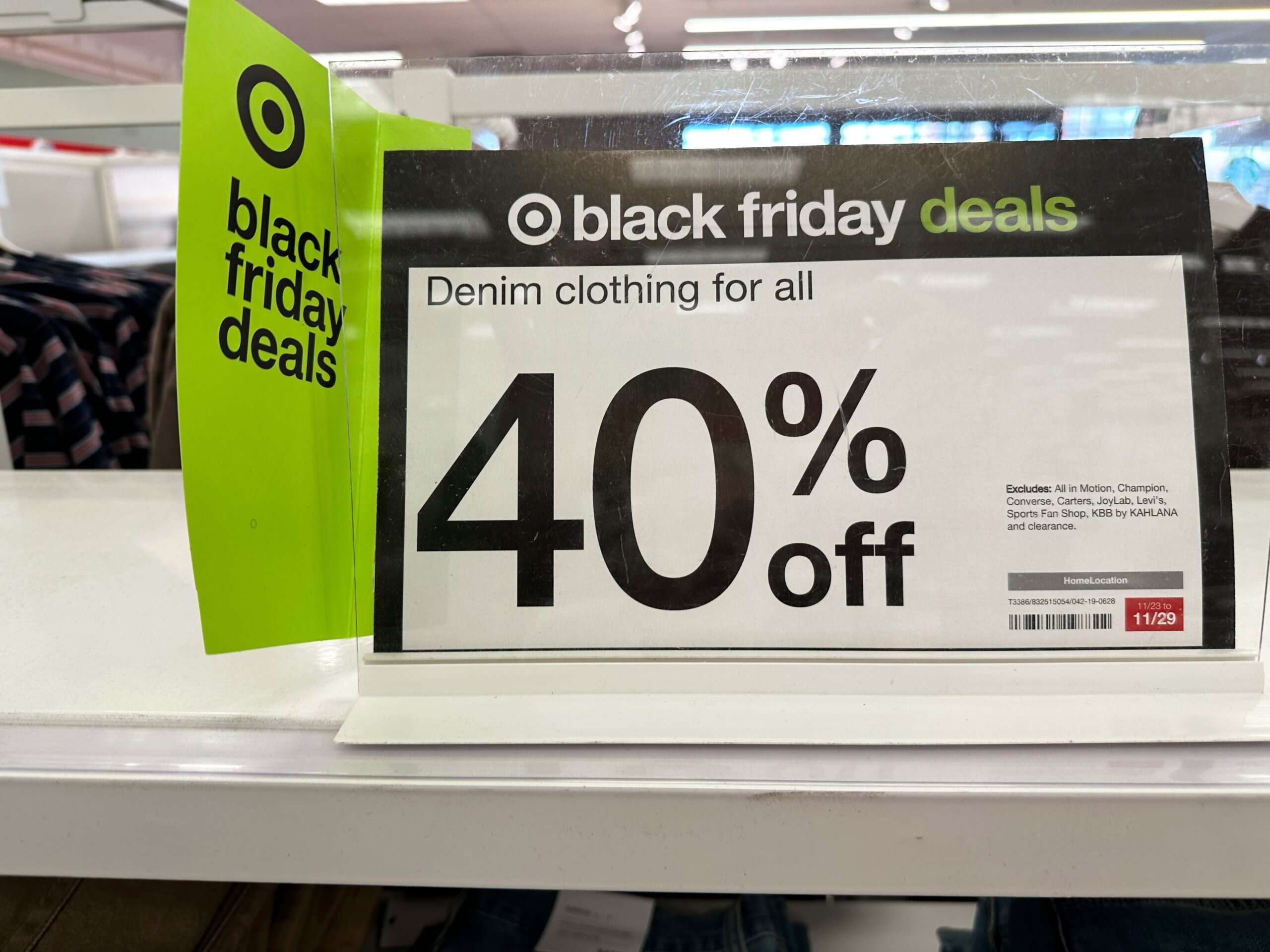
The Financial Imperative Behind Black Friday’s Early Start
Retailers’ decision to open their doors hours, or even days, before the traditional Black Friday morning is rooted in a deep understanding of market dynamics, consumer psychology, and competitive pressures. This shift isn’t arbitrary; it’s a meticulously planned strategy designed to maximize revenue and capture market share in a highly competitive landscape.
Maximizing Consumer Spending Windows
The primary financial driver for early openings is the expansion of the “spending window.” By starting sales earlier, retailers aim to capture consumers’ disposable income before competitors do. Many shoppers have a finite budget for holiday spending, and the first retailers to present compelling offers often benefit from this initial allocation. Early access acts as a powerful incentive, encouraging consumers to visit and spend before they’ve had a chance to fully explore other options. This strategic positioning can lead to higher average transaction values and increased overall foot traffic, directly boosting top-line revenue. For stores, it’s about claiming a larger piece of the holiday spending pie by simply being available first.
Competitive Edge and Market Share
In the cutthroat retail environment, even a few hours can make a significant difference. If one major retailer announces early opening hours, others often follow suit to avoid losing customers. This creates an “arms race” for shopper attention, where early access becomes a crucial competitive differentiator. Stores that open early are often perceived as being more aggressive with their deals, drawing in the most eager shoppers—who are frequently also the highest spenders. Capturing these early adopters is vital for establishing market dominance and preventing customer diversion to rivals. From a financial perspective, maintaining or increasing market share during Black Friday can set the tone for the entire holiday season and have lasting effects on a brand’s annual financial performance.
Inventory Management and Profit Margins
Black Friday is also a critical period for inventory liquidation. Retailers often accumulate significant inventory leading up to the holiday season, and early sales provide an opportunity to move products quickly, especially those from prior seasons or less popular lines. By opening early, stores can spread out demand, potentially reducing the strain on their supply chain and sales staff, while also ensuring that popular items sell out rather than lingering on shelves. This efficient inventory turnover is paramount for maintaining healthy profit margins. Excess inventory incurs holding costs and risks depreciation, so moving merchandise, even at a discount, is often financially preferable to holding onto it. Furthermore, early sales allow retailers to gather real-time data on product popularity, informing subsequent pricing and stocking decisions throughout the rest of the holiday shopping period.
Navigating Early Openings for Personal Financial Gain
For consumers, the allure of early Black Friday deals can be intoxicating, but without a strategic approach, it can lead to impulsive spending and budget overruns. Leveraging early openings for genuine financial gain requires discipline, research, and a clear understanding of your personal financial goals.
Crafting a Pre-Black Friday Budget
The cornerstone of financially savvy Black Friday shopping is a meticulously planned budget. Before even considering which stores open early, determine your total holiday spending limit. Break this down by category (gifts, self-purchases, decor, etc.) and by individual recipients. This budget serves as your financial guardrail, preventing overspending. When confronted with early deals, refer back to your budget to ensure any potential purchase aligns with your pre-determined limits. Remember, a “deal” is only a deal if you needed the item and can afford it without compromising other financial priorities. Without a budget, the excitement of early access can easily lead to unnecessary purchases that drain savings or necessitate credit card debt.
Identifying True Value Amidst Hype
Early Black Friday sales are often heavily marketed, creating a sense of urgency and scarcity. However, not every advertised “deal” represents true financial value. Many retailers strategically mark up prices before Black Friday to make discounts appear larger, or they feature “doorbuster” items that are available in extremely limited quantities. Savvy shoppers must do their due diligence by tracking prices in the weeks and months leading up to Black Friday. Tools like price tracking websites or browser extensions can reveal historical pricing data, helping you distinguish genuine discounts from inflated promotions. Focus on items you genuinely need or planned to purchase, rather than being swayed by the percentage off. True financial gain comes from saving on essential items, not from buying unnecessary luxuries simply because they are discounted.
Leveraging Early Access for High-Value Purchases
For high-demand, high-value items—such as electronics, major appliances, or specific brand-name products—early access can indeed be a significant advantage. These are the items that often sell out quickly, and securing them early can save you the stress of missing out, potentially forcing you to pay full price later. If you have a specific big-ticket item on your list, research which stores traditionally offer the best deals and earliest openings for that category. Prioritize your early morning efforts on these specific items. This focused approach ensures that your early shopping efforts are strategically aligned with your biggest potential savings and critical needs, rather than being diffused across numerous impulse buys.
The Pitfalls of Impulse Spending
The extended hours and aggressive marketing of early Black Friday sales are designed to encourage impulse purchases. The “fear of missing out” (FOMO) is a powerful psychological trigger that can lead consumers to buy items they don’t need, simply because they are “on sale” or because others are buying them. This is a significant financial pitfall. Every impulse purchase, even if discounted, represents money that could have been saved, invested, or used for more essential expenditures. Before any unplanned purchase, ask yourself: “Would I buy this item at its full price if it weren’t on sale?” If the answer is no, it’s likely an impulse purchase that will detract from your overall financial health rather than enhance it. Stick to your list, and be wary of psychological tactics designed to loosen your wallet.
The Economic Impact of Extended Shopping Hours
Beyond individual financial decisions, the early opening trend of Black Friday has broader economic ramifications, affecting everything from local economies to employment statistics and supply chain management. These impacts highlight the complex interplay of consumer behavior and corporate strategy.

Stimulating Local Economies vs. Online Shift
Early store openings can provide a short-term boost to local economies by increasing foot traffic, which can benefit ancillary businesses like restaurants and coffee shops located near shopping centers. However, the overall trend of Black Friday has increasingly shifted towards online sales, mitigating some of the localized economic stimulus from brick-and-mortar early openings. While early physical store openings can still draw crowds, the convenience of online pre-Black Friday deals means that a significant portion of spending occurs without consumers ever leaving home. This shift has different economic implications, benefiting logistics and delivery sectors more than local small businesses reliant on foot traffic. Financially, it represents a reallocation of economic activity rather than a pure expansion.
Labor Costs and Employee Welfare
For retailers, the decision to open early involves a careful financial calculation of increased revenue versus increased labor costs. Operating stores during unconventional hours, especially on holidays like Thanksgiving, often requires paying employees premium wages (e.g., holiday pay, overtime). While the potential for higher sales revenue typically outweighs these additional costs, it remains a significant factor in a store’s profitability analysis. From an employee welfare perspective, early openings can place considerable demands on retail staff, affecting their personal time and work-life balance during a holiday period. This creates a financial and ethical dilemma for businesses, balancing profit motives with social responsibility.
Supply Chain Dynamics and Pricing Strategies
Early Black Friday openings necessitate a highly optimized and responsive supply chain. Retailers must ensure that popular doorbuster items are adequately stocked and distributed to stores well in advance. This puts immense pressure on logistics, warehousing, and transportation, all of which incur significant costs. The extended sales period also influences pricing strategies. Retailers might stagger deals, offering different discounts at different times to maintain interest and manage inventory flow. Financially, this means a more dynamic and complex pricing model designed to maximize sales across an extended period, rather than concentrating all efforts on a single day. This strategic pricing requires sophisticated data analytics and forecasting to be effective.
Tools and Strategies for Savvy Black Friday Shoppers
To truly master the financial aspects of Black Friday’s early openings, consumers need more than just a budget; they need a toolkit of strategies and resources. These tools empower shoppers to make informed decisions, ensuring every dollar spent yields maximum value.
Price Tracking Applications and Browser Extensions
Modern technology offers powerful allies for financially astute Black Friday shoppers. Price tracking apps and browser extensions (e.g., Honey, Keepa for Amazon, CamelCamelCamel) allow you to monitor historical pricing trends for specific products. This data is invaluable for verifying whether a “deal” is genuinely significant or merely a temporary fluctuation. By checking past prices, you can avoid falling for inflated discounts and ensure you’re truly getting an optimal price. Integrating these tools into your pre-shopping research routine can prevent costly impulse buys and validate your investment.
Utilizing Credit Card Rewards and Cash Back
For those who manage credit responsibly, Black Friday is an opportune time to leverage credit card rewards and cash-back programs. Many credit cards offer elevated cash back percentages or bonus points for purchases made at specific retailers or within certain categories during the holiday season. Before you shop, check your credit card benefits and activate any relevant offers. Some cards also provide purchase protection, extended warranties, or price protection, which can add an extra layer of financial security to your Black Friday buys. Remember, however, that the benefits of rewards are negated if you carry a balance and incur interest charges. Only use credit cards for purchases you can immediately pay off.
Comparison Shopping Beyond the Doorbuster
While doorbuster deals can be enticing, a truly financially savvy approach involves comparison shopping beyond just the advertised early specials. Different retailers may offer similar products at varying price points, or provide better bundles. Use online comparison shopping engines (e.g., Google Shopping, PriceGrabber) to quickly scan prices across multiple stores. Don’t limit your research to just the stores opening early; some of the best deals might appear later in the day or be offered by online-only retailers. Also, consider the total cost of ownership, including shipping fees, warranty options, and return policies, which can significantly impact the overall financial value of a purchase.
Future Trends: The Evolution of Black Friday Spending
The financial landscape of Black Friday is continuously evolving, driven by technological advancements, shifting consumer preferences, and global economic factors. Understanding these trends can help consumers and businesses alike better prepare for future holiday shopping seasons.
The Rise of Early Online Deals
The physical early store openings are increasingly being paralleled, and sometimes overshadowed, by early online deals. Many retailers now launch “Black Friday Week” or “Cyber Monday Week” sales starting weeks before the actual Black Friday. This extended online sales period dilutes the intensity of the single-day event but provides consumers with more flexibility and time to make purchasing decisions. Financially, this means a more diffused spending pattern over a longer period, potentially reducing the extreme peaks and valleys of traditional Black Friday. It also means consumers need to be vigilant for a longer duration to catch the best deals.
The Blurring Lines Between Black Friday and Cyber Monday
Historically, Black Friday was a brick-and-mortar event, and Cyber Monday was its online counterpart. Today, these lines are almost entirely blurred. Many “Black Friday” deals are available online, and “Cyber Monday” deals often begin on Black Friday itself. This convergence is a financial boon for consumers, offering more opportunities to shop from home, but it also demands a more integrated financial strategy that accounts for both online and in-store opportunities across an extended period. For retailers, it requires seamless integration of online and offline sales channels to maximize revenue.
Sustainable Spending and Ethical Consumption
A growing trend, particularly among younger demographics, is a shift towards more sustainable and ethical consumption. While Black Friday is inherently about consumption, there’s an increasing awareness of its environmental and social impact. This translates financially into a greater willingness to invest in durable, ethically sourced products, even if they come at a higher initial cost, and a potential reduction in impulse buying of cheap, fast-fashion or disposable goods. For retailers, aligning with these values can be a key differentiator, appealing to a segment of consumers who prioritize financial and social responsibility over purely seeking the lowest price. This trend suggests a potential long-term shift in how consumers approach their holiday spending, moving towards more mindful and less frenzied purchasing decisions.
In conclusion, Black Friday’s early store openings are far more than a simple convenience; they represent a sophisticated financial strategy for retailers and a significant opportunity—or pitfall—for consumers. By understanding the underlying economic motivations, planning meticulously, and employing smart financial tools and strategies, shoppers can navigate this peak consumption period to their distinct advantage, securing genuine savings and avoiding the common traps of impulse spending. As Black Friday continues to evolve, a financially informed approach will remain the ultimate key to success.
aViewFromTheCave is a participant in the Amazon Services LLC Associates Program, an affiliate advertising program designed to provide a means for sites to earn advertising fees by advertising and linking to Amazon.com. Amazon, the Amazon logo, AmazonSupply, and the AmazonSupply logo are trademarks of Amazon.com, Inc. or its affiliates. As an Amazon Associate we earn affiliate commissions from qualifying purchases.