
The modern financial ecosystem is in a constant state of flux, driven by technological advancements and shifting consumer preferences. Among the myriad of digital payment solutions, Venmo has carved out a significant niche, evolving beyond its peer-to-peer (P2P) origins to become a versatile tool for everyday transactions. For the astute consumer and the forward-thinking business, understanding “what stores accept Venmo Scan to Pay” is no longer a fringe inquiry but a crucial aspect of managing personal finances and optimizing business operations in a progressively cashless world. This article delves into the financial implications of Venmo’s merchant acceptance, exploring its utility, reach, and the strategic reasons behind its widespread adoption.
The Rise of Digital Wallets and Venmo’s Position in Personal Finance
The digital wallet revolution has fundamentally altered how individuals manage and spend their money. No longer confined to physical cash or cards, consumers increasingly rely on their smartphones to facilitate secure and instantaneous transactions. Venmo, owned by PayPal, stands as a prime example of this paradigm shift, transitioning from a social payment app into a robust financial instrument for various purchasing scenarios.
Understanding Venmo Scan to Pay: A Seamless Financial Tool
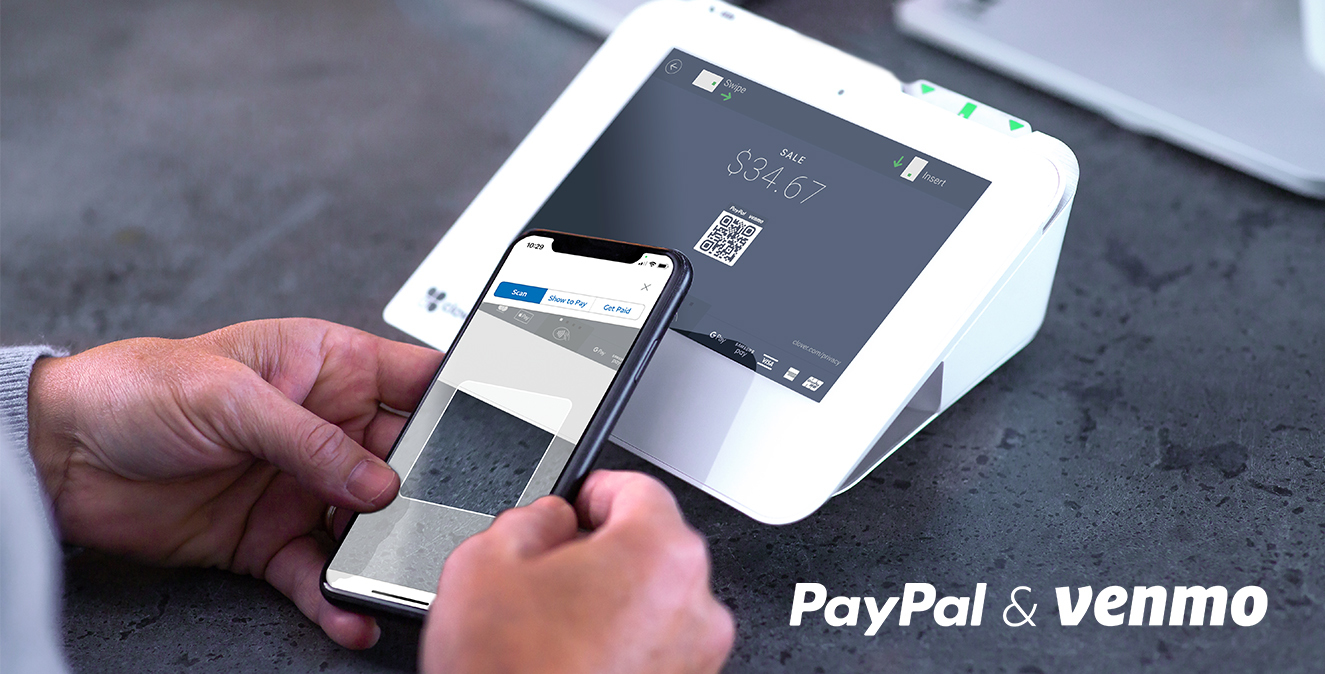
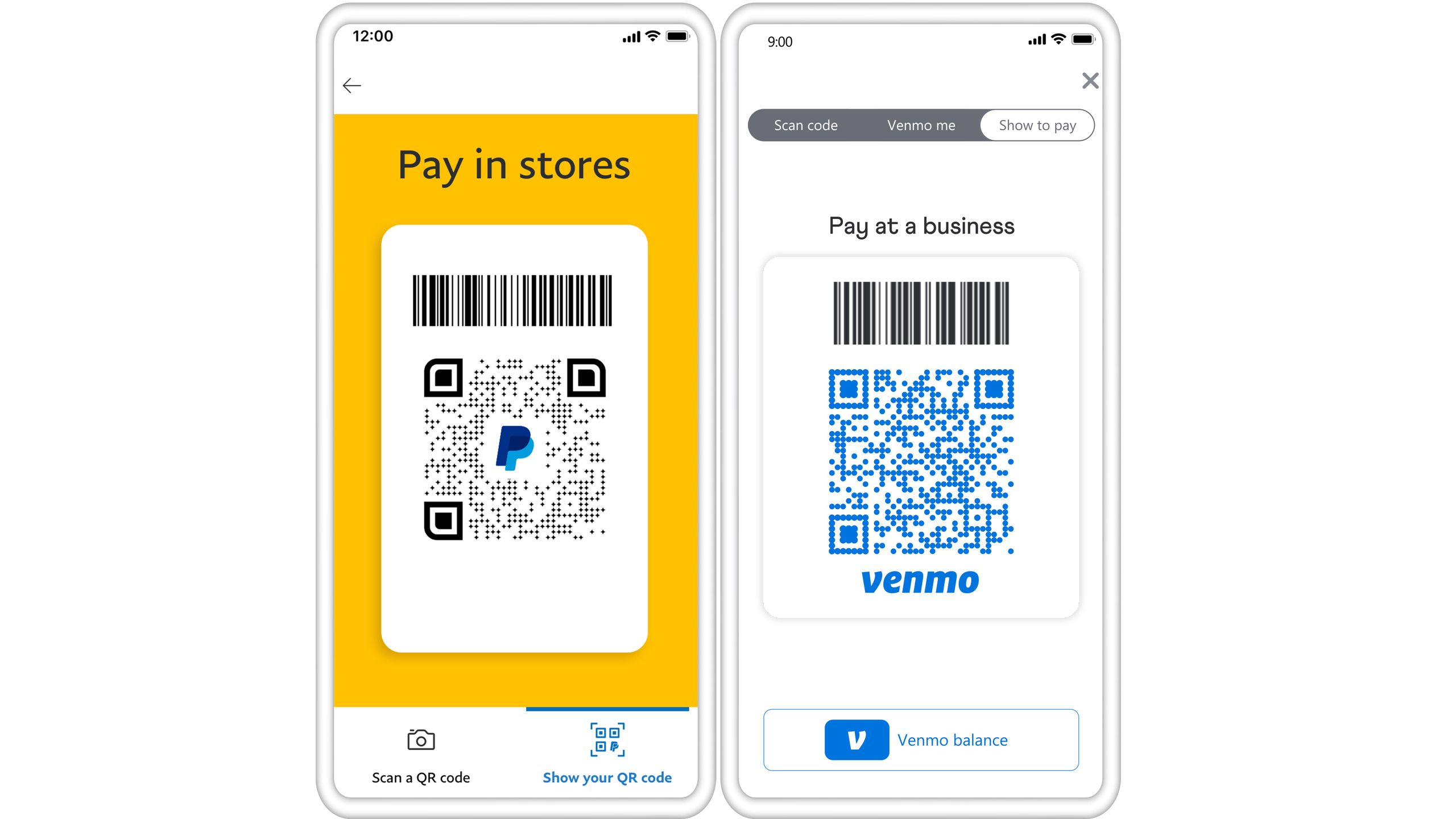
Venmo Scan to Pay is a feature designed to bridge the gap between digital funds and physical retail. At its core, it enables users to complete purchases at participating brick-and-mortar stores by simply scanning a QR code displayed at the point of sale. This process instantly debits funds from the user’s Venmo balance, linked bank account, or debit card, offering a quick and friction-free checkout experience. From a personal finance perspective, this means greater flexibility in accessing funds, reducing the reliance on carrying physical wallets, and often providing a clearer digital record of expenditures, aiding in budgeting and tracking. For businesses, it represents an additional, low-barrier entry point for accepting payments, potentially broadening their customer base to include Venmo’s extensive user network.
The Convenience Factor: Why Consumers Embrace Digital Payments
The allure of digital payments, and Venmo Scan to Pay specifically, lies in its unparalleled convenience. For consumers, the ability to pay with a smartphone eliminates the hassle of searching for cards, fumbling with change, or even handling potentially unsanitary cash. This convenience translates directly into a smoother shopping experience, saving time and reducing friction at checkout. Moreover, Venmo’s social feed, while optional for merchant transactions, subtly integrates purchasing into a familiar digital environment, enhancing user engagement. This ease of use is a powerful driver for adoption, making it a preferred payment method for millions and prompting more businesses to consider its financial benefits.
Unlocking Merchant Acceptance: Where You Can Spend with Venmo
The critical question for many Venmo users revolves around its acceptance in the broader retail landscape. While its P2P functionality is ubiquitous, its utility as a direct payment method at stores has expanded significantly, driven by Venmo’s strategic partnerships and its integration into the PayPal network.
Major Retailers and National Chains Leading the Way
Recognizing the vast user base and the growing demand for digital payment options, numerous major retailers and national chains have integrated Venmo Scan to Pay into their payment systems. This move is a strategic financial decision, aiming to capture sales from Venmo’s millions of users. These often include large department stores, popular clothing retailers, pharmacy chains, and big-box stores. For consumers, this widespread acceptance at familiar brands means greater confidence in using Venmo for their daily spending needs, further solidifying its role as a key financial tool. Businesses, in turn, leverage this integration to cater to tech-savvy customers and ensure a competitive payment processing portfolio.
Small Businesses and the Local Economy
Beyond the national giants, Venmo Scan to Pay offers a particularly attractive proposition for small businesses and local merchants. Without the resources to invest in complex payment infrastructures, small businesses can easily implement Venmo’s QR code payment system, often at lower transaction fees compared to traditional credit card processing. This democratizes payment acceptance, enabling local coffee shops, boutiques, food trucks, and service providers to tap into the digital wallet trend. For consumers, this translates into more opportunities to support local economies using their preferred payment method, fostering a symbiotic relationship between local businesses and the digital payment ecosystem. It’s a pragmatic financial solution that empowers smaller entities to compete effectively in a digitally-driven marketplace.
Online Shopping and In-App Purchases
While the “Scan to Pay” feature is primarily associated with brick-and-mortar transactions, it’s worth noting that Venmo’s utility extends significantly into online and in-app purchasing environments. Many e-commerce platforms and mobile applications now offer Venmo as a direct checkout option, often utilizing similar underlying technology as the QR code system. This seamless integration allows users to leverage their Venmo balance or linked funding sources for online retail, subscription services, and digital content. For businesses, this expands their payment gateway options, potentially reducing cart abandonment rates by offering a familiar and convenient checkout process to a broad demographic of online shoppers.
The Business Imperative: Why Merchants Accept Venmo
For businesses, the decision to accept a new payment method is a strategic financial calculation, weighing potential benefits against implementation costs and operational changes. The growing adoption of Venmo Scan to Pay by merchants underscores its compelling value proposition.
Expanding Customer Reach and Boosting Sales

One of the primary drivers for businesses to accept Venmo is the opportunity to expand their customer reach. With millions of active users, Venmo represents a significant market segment, particularly among younger, digitally native demographics. By offering Venmo Scan to Pay, merchants remove a potential barrier to purchase for these customers, making it easier for them to complete transactions. This can directly translate into increased sales volume and a broader customer base, presenting a clear financial upside. It’s an investment in accessibility that pays dividends in customer loyalty and market share.
Streamlined Transactions and Operational Efficiency
Venmo Scan to Pay is designed for speed and simplicity. For businesses, this means faster checkout times and potentially reduced queues, especially during peak hours. The digital nature of the transactions also simplifies reconciliation and record-keeping, as all payments are digitally logged and easily traceable. This contributes to greater operational efficiency, freeing up staff to focus on customer service rather than complex cash handling or terminal troubleshooting. From an accounting perspective, the integrated digital ledger can streamline end-of-day processes and provide clearer insights into revenue streams.
Staying Competitive in the Digital Age
In today’s competitive retail environment, offering a diverse range of payment options is no longer a luxury but a necessity. Businesses that fail to adapt to evolving payment trends risk alienating segments of their customer base. Accepting Venmo positions a business as modern and customer-centric, capable of meeting the demands of the digital economy. This competitive edge can be crucial for attracting new customers and retaining existing ones, safeguarding future revenue and ensuring long-term financial viability. It’s about meeting customers where they are and providing the financial flexibility they expect.
Maximizing Your Venmo Scan to Pay Experience
For consumers, understanding how to effectively use Venmo Scan to Pay goes beyond knowing which stores accept it; it involves best practices for secure and efficient financial transactions.
Tips for Finding Accepting Stores
Identifying stores that accept Venmo Scan to Pay is becoming easier. Many businesses prominently display Venmo QR codes at their checkout counters. Additionally, the Venmo app itself often features a “Map” or “Nearby” function that highlights participating merchants in your vicinity. Online search engines and merchant websites can also be valuable resources. Planning purchases around known Venmo-accepting locations can streamline your shopping and payment process.
Security and Transaction Best Practices
While Venmo employs robust security measures, users should always exercise caution. Ensure you are scanning the official merchant QR code and verify the transaction details (merchant name and amount) before confirming payment. Link a secure debit card or bank account, and enable strong authentication (e.g., PIN, fingerprint, facial recognition) on your device. Regularly review your Venmo transaction history to spot any unauthorized activity. These personal finance habits are crucial for protecting your digital wallet.
Understanding Transaction Limits and Fees
Like most financial tools, Venmo has transaction limits for both sending and receiving funds, which can vary based on account verification status. Users should be aware of these limits to avoid unexpected issues during larger purchases. While using Venmo balance or linked bank accounts for payments is generally free for consumers, linking a credit card for purchases may incur a small transaction fee. Understanding these nuances is key to optimizing your financial usage of Venmo.
The Future of Payments: Venmo’s Continued Impact on Financial Transactions
The trajectory of digital payments points towards a future where cash and even traditional cards become secondary. Venmo, particularly through its Scan to Pay feature, is a significant player in this evolution, fundamentally altering how consumers and businesses interact financially.
The Trajectory of Contactless Payments
The global shift towards contactless payments, accelerated by recent health concerns, has firmly established technologies like QR codes and NFC as mainstream. Venmo Scan to Pay aligns perfectly with this trend, offering a convenient, secure, and touch-free method of payment. As infrastructure for contactless payments continues to expand, Venmo’s relevance and adoption are poised for further growth, making it an increasingly indispensable tool for personal and business finance.
Venmo’s Role in a Cashless Society
Ultimately, Venmo’s ongoing expansion into merchant acceptance is a testament to the inexorable march towards a cashless society. By facilitating easy, secure, and digitally traceable transactions, Venmo empowers consumers with greater financial control and offers businesses an efficient way to capture revenue. As more stores embrace Venmo Scan to Pay, it solidifies its position not just as a P2P app, but as a critical component of the broader financial infrastructure, shaping the future of how we spend, save, and interact with our money. The question of “what stores accept Venmo Scan to Pay” will likely transform into “what stores don’t,” as this financial tool becomes increasingly integral to daily commerce.
aViewFromTheCave is a participant in the Amazon Services LLC Associates Program, an affiliate advertising program designed to provide a means for sites to earn advertising fees by advertising and linking to Amazon.com. Amazon, the Amazon logo, AmazonSupply, and the AmazonSupply logo are trademarks of Amazon.com, Inc. or its affiliates. As an Amazon Associate we earn affiliate commissions from qualifying purchases.