
Understanding Klarna as a Modern Financial Tool
In an increasingly digitized economy, consumers are continuously seeking flexible and convenient payment solutions that integrate seamlessly into their purchasing habits. Klarna, a leading “Buy Now, Pay Later” (BNPL) service, has emerged as a prominent player, redefining the traditional retail transaction experience. For individuals meticulously managing their personal finances, understanding how Klarna functions and where it’s accepted is crucial for making informed spending decisions. It’s not merely a payment app; it’s a financial instrument that, when used strategically, can aid in cash flow management, but conversely, can lead to financial strain if not approached with discipline.
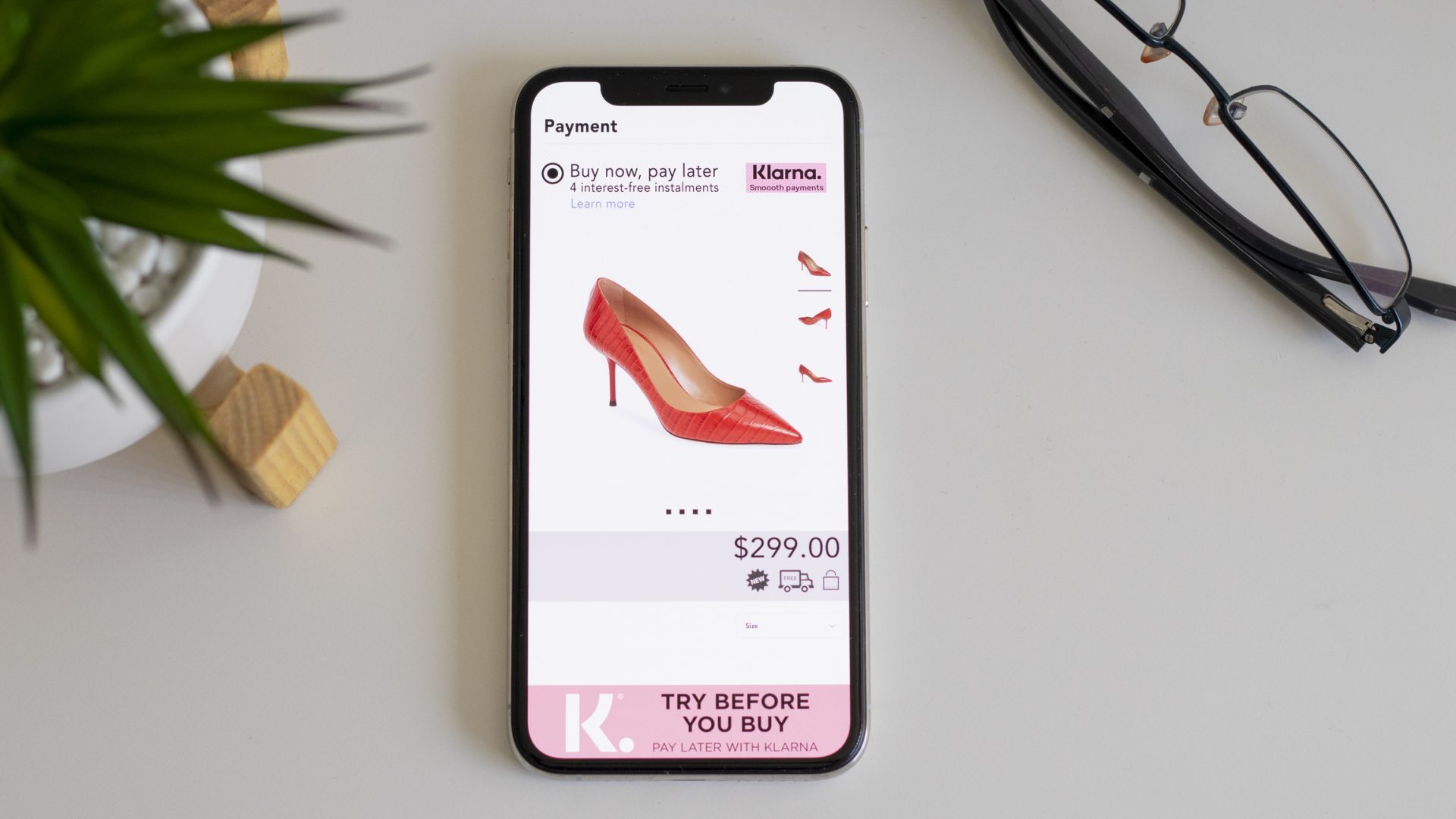
The “Buy Now, Pay Later” Phenomenon
The core appeal of Klarna lies in its “Buy Now, Pay Later” model. This financial innovation allows consumers to receive products immediately while deferring or segmenting their payment over time, often interest-free for specific plans. This contrasts sharply with traditional credit cards, which typically accrue interest from the moment of purchase if the balance isn’t paid in full by the due date. The BNPL model gained significant traction, especially among younger demographics and those wary of accumulating revolving credit card debt. It offers a perceived bridge between immediate gratification and responsible financial planning, provided users adhere to the payment schedules. The shift reflects a broader consumer preference for transparency and control over their spending, without the perceived complexities of traditional credit.
How Klarna Functions
Klarna offers several distinct payment options, each designed to cater to different financial needs and purchase sizes. The most popular plan is “Pay in 4,” which divides the total purchase amount into four equal, interest-free installments, typically due every two weeks. This option is ideal for smaller to medium-sized purchases where managing a short-term cash flow gap is beneficial. Another option is “Pay in 30 days,” allowing customers to try an item before paying for it, with the full amount due one month after the purchase date, also interest-free. For larger expenditures, Klarna also provides financing options, which can extend payments over 6 to 36 months, often with interest applied.
To use Klarna, a consumer typically applies at the point of sale, either online or in-store through the Klarna app. A soft credit check is usually performed for the Pay in 4 and Pay in 30 plans, which does not impact one’s credit score. However, for longer-term financing options, a hard credit check may be required, which can affect one’s credit score. Once approved, the first payment (for Pay in 4) or the full payment (for Pay in 30) is scheduled, and subsequent payments are automatically debited from a linked bank account or debit card. The ease of access and the immediate gratification it offers are significant factors in its widespread adoption, making it a critical tool for consumers to understand in the context of their personal finance strategy.
The Expanding Footprint: Where Klarna Is Accepted
Klarna’s acceptance has grown exponentially, making it a ubiquitous payment option across a vast array of retailers, from fashion and electronics to home goods and travel. This extensive network is a key reason for its popularity, as consumers can leverage its financial flexibility for a wide range of purchases they might already be planning. Identifying where Klarna is accepted is the first step for anyone looking to incorporate this tool into their spending habits or budget management.
Major Retailers Across Categories
Klarna boasts partnerships with tens of thousands of retailers globally, including many household names in the United States. In the fashion and apparel sector, you’ll find Klarna accepted at popular stores like H&M, Sephora, Macy’s, ASOS, Lululemon, Adidas, and Nike. This allows shoppers to refresh their wardrobes or invest in higher-ticket fashion items without an immediate lump-sum payment.
For electronics and gadgets, merchants such as Best Buy, Samsung, and Apple (through specific financing programs often powered by similar BNPL mechanisms or direct partnerships) offer Klarna or similar installment plans, making new tech more accessible.
In the home goods and furniture category, Bed Bath & Beyond, Wayfair, IKEA, and various smaller specialty stores have embraced Klarna, enabling consumers to furnish their homes or undertake renovation projects with managed payments.
The beauty and wellness industry, including Ulta Beauty and numerous direct-to-consumer brands, also frequently features Klarna as a checkout option. Even in less conventional categories like travel and experiences, certain airlines, hotels, and booking platforms are beginning to integrate BNPL services, allowing travelers to book their trips and pay over time. This broad acceptance means that for many consumers, Klarna is a readily available option for discretionary and even essential spending.
Online vs. In-Store Acceptance
While Klarna initially gained prominence in the e-commerce space, its utility has expanded to physical retail locations as well. Online, shoppers typically select Klarna as a payment method at checkout, much like a credit card or PayPal. The process is streamlined, often requiring only a few clicks and minimal information to complete the purchase.
In-store, Klarna offers a more innovative approach through its dedicated mobile app. Users can generate a one-time virtual card within the Klarna app, which they can then use at any store that accepts major credit cards (like Visa, Mastercard, or American Express). This functionality effectively extends Klarna’s reach beyond its direct merchant partners, allowing consumers to leverage its payment plans even in stores that don’t explicitly display the Klarna logo. This flexibility makes it a powerful tool for managing spending across virtually any retail environment, blurring the lines between online and offline shopping experiences from a payment perspective.
Discovering Klarna-Enabled Merchants
Finding stores that accept Klarna is relatively straightforward. The most direct method is to visit the “Shop Directory” or “Stores” section on the Klarna website or within the Klarna app. This comprehensive list details all partnered merchants, often categorized for easy navigation. Additionally, the Klarna app features a browsing function, allowing users to discover stores directly within the app and even make purchases through a built-in browser that automatically applies Klarna as a payment option. When shopping online, a visible Klarna logo or payment option at checkout is the clearest indicator of acceptance. For in-store purchases, users can always utilize the virtual card feature within the app to see if a transaction can be processed via Klarna, regardless of explicit signage.
Financial Implications of Using Klarna
While Klarna offers undeniable convenience and flexibility, its integration into one’s financial strategy requires careful consideration. Like any financial tool, understanding its potential impact on budgeting, debt accumulation, and credit standing is paramount for responsible use. The seemingly effortless nature of BNPL can obscure the underlying financial obligations if not managed diligently.
Budgeting and Cash Flow Management

For savvy consumers, Klarna can be a powerful ally in budgeting and managing cash flow. By breaking down larger purchases into smaller, manageable installments, it can prevent a significant single drain on a bank account, allowing funds to remain available for other immediate needs or savings goals. For instance, if an unexpected appliance breaks, Klarna can help spread the replacement cost without depleting an emergency fund entirely. This approach can be particularly beneficial for those on a bi-weekly or monthly pay cycle, aligning payment due dates with income streams.
However, the ease of splitting payments can also be a double-edged sword. It can lead to a false sense of affordability, encouraging overspending or purchasing items that would ordinarily be outside a consumer’s budget. Consumers must integrate Klarna payments into their overall budget, treating each installment as a fixed expense. Failing to account for multiple simultaneous Klarna payment plans can quickly lead to an accumulation of commitments that strain monthly income, transforming an aid to cash flow into a source of stress.
Potential Pitfalls: Debt and Overspending
The primary risk associated with Klarna, as with any credit-like product, is the potential for accumulating debt and fostering overspending. While the interest-free “Pay in 4” and “Pay in 30 days” options are attractive, missing a payment can incur late fees, turning an initially “free” financing option into an expensive one. These fees, though often capped, can add up, especially if a consumer has multiple active payment plans.
More significantly, the availability of Klarna can diminish the psychological impact of spending money. When payments are deferred or split, the immediate “pain of paying” is reduced, which can lower inhibitions against making discretionary purchases. This can lead to a situation where a consumer is constantly juggling multiple small debts across various BNPL providers, making it difficult to ascertain their true financial position. Such practices can chip away at savings, increase financial stress, and divert funds from more critical financial goals like investing or debt reduction.
Impact on Credit Scores
The impact of Klarna on credit scores is nuanced and depends on the specific payment plan used and the user’s payment behavior. For its popular “Pay in 4” and “Pay in 30 days” options, Klarna typically performs a soft credit check during the application process. A soft check does not affect one’s credit score and is not visible to other lenders. Similarly, timely payments for these plans are generally not reported to the major credit bureaus, meaning they won’t positively build a credit history.
However, if a user opts for Klarna’s longer-term financing options (e.g., Pay in 6-36 months), a hard credit inquiry is usually performed, which can temporarily ding a credit score. Furthermore, if a user defaults on any Klarna payment plan, regardless of its duration, the unpaid debt may be sent to collections, and this negative information will be reported to credit bureaus, significantly damaging one’s credit score. Therefore, while Klarna can be credit-score neutral when managed perfectly for short-term plans, it carries a very real risk of negative credit impact if payments are missed or if longer-term financing is chosen and mismanaged.
Best Practices for Responsible Klarna Use
Integrating Klarna into one’s financial toolkit requires discipline and a strategic approach. While the platform offers flexibility, responsible usage is key to harnessing its benefits without falling prey to its potential drawbacks. Adopting specific best practices can ensure that Klarna remains a tool for financial empowerment rather than a source of financial strain.
Prioritize Needs Over Wants
The fundamental principle of sound personal finance applies equally to Klarna usage: differentiate between needs and wants. Klarna can be incredibly useful for essential purchases that arise unexpectedly or for items that contribute significantly to one’s well-being or productivity, such as replacing a broken refrigerator or investing in necessary work-from-home equipment. By spreading the cost, it can prevent these necessities from derailing a carefully constructed budget.
Conversely, using Klarna indiscriminately for every discretionary “want” – like impulse fashion purchases or the latest gadget that isn’t truly needed – is a slippery slope. The ease of “Pay in 4” can make luxury items seem more affordable than they truly are, leading to an accumulation of small, recurring payments that quickly add up. Before using Klarna, always ask: “Do I truly need this, or is this merely a want? Can I afford the full price of this item today without Klarna?” If the answer is no, it might be prudent to reconsider the purchase or save up for it traditionally.
Understand Payment Plans and Fees
Before committing to any purchase with Klarna, it is imperative to thoroughly understand the specific terms of the payment plan being offered. While “Pay in 4” and “Pay in 30 days” are typically interest-free, they are not fee-free in the event of late payments. Familiarize yourself with the late fee structure, including the maximum amount that can be charged. For longer-term financing options, explicitly check the Annual Percentage Rate (APR) and any additional fees, as these can significantly increase the total cost of your purchase.
Always confirm the payment schedule and set up reminders, or better yet, link a reliable bank account for automatic debits to avoid missed payments. Keep track of all active Klarna plans, their respective due dates, and the outstanding balances. This meticulous tracking prevents overdue payments and ensures that you remain in control of your financial commitments, avoiding unnecessary penalties and potential negative impacts on your credit score.
Monitor Your Spending and Payments
Active monitoring of your Klarna account is a non-negotiable aspect of responsible use. The Klarna app serves as a centralized hub for all your purchases and payment schedules. Regularly review your upcoming payments, past transactions, and the total amount you currently owe across all active plans. This proactive approach helps you maintain a clear picture of your financial obligations and prevents surprises.
It’s also advisable to integrate your Klarna spending into your overall personal budgeting system. Whether you use a spreadsheet, a budgeting app, or a simple notebook, ensure that each Klarna installment is accounted for as a fixed expense. This holistic view of your finances ensures that your BNPL commitments don’t exceed your disposable income, preventing a domino effect of missed payments and financial stress. Consistent monitoring empowers you to make adjustments to your spending habits as needed, keeping you on track toward your financial goals.

Is Klarna Right for Your Financial Strategy?
Deciding whether Klarna aligns with your personal financial strategy ultimately boils down to your spending habits, budgeting discipline, and overall financial goals. For individuals who are highly organized, maintain strict budgets, and can reliably make payments on time, Klarna can be an excellent tool for managing cash flow, making larger purchases more accessible without incurring traditional credit card interest, and even providing a buffer for unexpected expenses. It offers a practical alternative to credit cards for short-term financing, especially when interest-free options are utilized responsibly.
However, for those prone to impulse buying, struggling with debt, or lacking a robust budgeting system, Klarna can quickly become a detriment. The ease of access and the deferred payment model can foster overspending, leading to an accumulation of multiple payment plans that strain monthly income and potentially incur late fees. Moreover, for individuals actively trying to build a strong credit history, Klarna’s short-term, soft-check options do not contribute to credit building in the same way traditional credit products do, though longer-term financing may.
Before integrating Klarna into your financial life, perform an honest assessment of your financial discipline. If you can confidently manage multiple payment schedules, prioritize needs, and avoid overextending yourself, Klarna can be a valuable asset. If not, it might be wiser to stick to traditional payment methods and focus on saving up for purchases to avoid potential financial pitfalls. Like any financial instrument, Klarna is a tool; its utility is determined by the hand that wields it.
aViewFromTheCave is a participant in the Amazon Services LLC Associates Program, an affiliate advertising program designed to provide a means for sites to earn advertising fees by advertising and linking to Amazon.com. Amazon, the Amazon logo, AmazonSupply, and the AmazonSupply logo are trademarks of Amazon.com, Inc. or its affiliates. As an Amazon Associate we earn affiliate commissions from qualifying purchases.