
Navigating the vast and often complex world of stock market investing can be a daunting prospect for newcomers and experienced investors alike. The simple question, “what stocks,” opens a Pandora’s box of considerations, strategies, and potential pitfalls. It’s a question that delves into the very core of how we build wealth, manage risk, and participate in the economic growth of nations. This article aims to demystify the process, providing a comprehensive guide to understanding, selecting, and managing stocks as a crucial component of your financial journey. We will explore the fundamental principles that underpin successful stock investing, delve into various analytical approaches, and discuss how to construct a robust portfolio tailored to your financial aspirations.
Understanding the Foundation of Stock Investing
Before one can even begin to ponder “what stocks” to buy, it’s essential to grasp the fundamental concepts that govern stock ownership and the broader equity market. A solid understanding of these basics provides the necessary bedrock for informed decision-making.
What is a Stock? The Concept of Equity
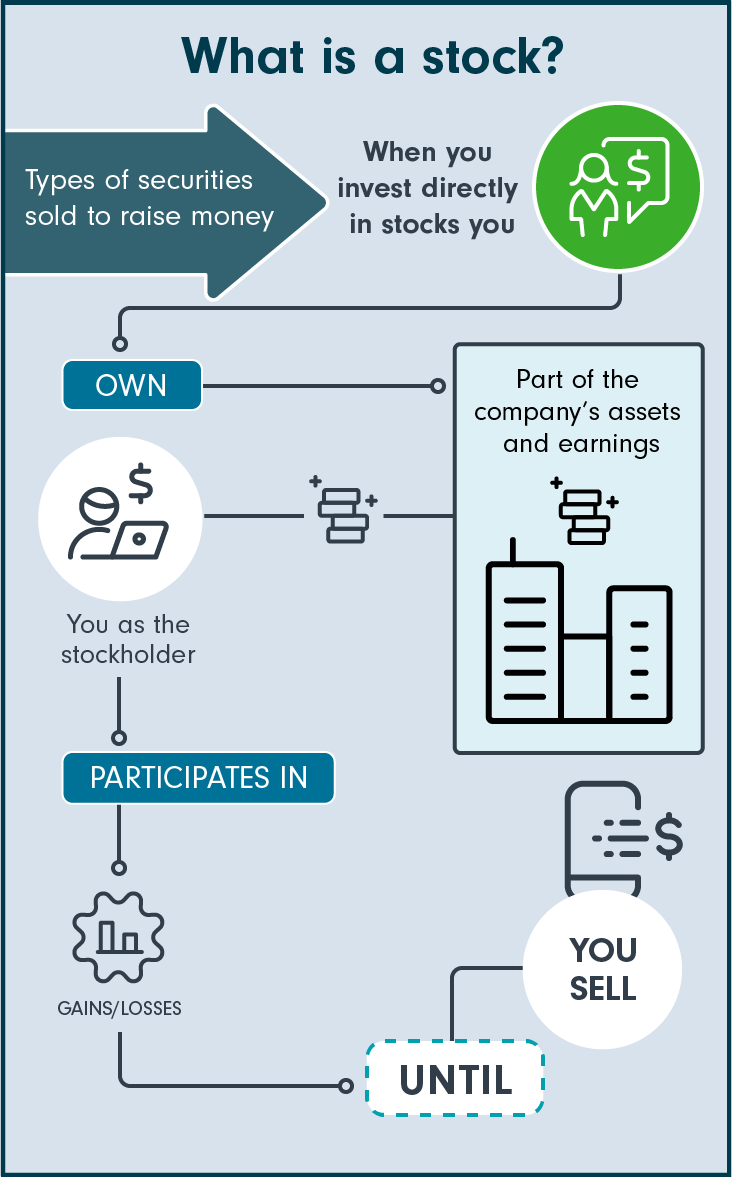
At its core, a stock (also known as equity) represents a fractional ownership interest in a company. When you purchase a company’s stock, you become a shareholder, meaning you own a tiny piece of that business. This ownership stake grants you certain rights, typically including the right to vote on corporate matters (like electing directors) and a claim on a portion of the company’s assets and earnings. Companies issue stocks to raise capital, which they then use to fund operations, expand, or pay down debt. For investors, buying stocks is a way to participate in the growth and profitability of these businesses. Stocks are primarily traded on stock exchanges, such as the New York Stock Exchange (NYSE) or NASDAQ, where their prices fluctuate based on supply and demand, company performance, and broader market sentiment.
Why Invest in Stocks? Unlocking Wealth Creation
The allure of stock investing lies in its historical ability to generate substantial wealth over the long term. Unlike savings accounts or bonds, stocks offer the potential for significant capital appreciation, meaning the value of your shares can increase over time. This growth is driven by the company’s success – increasing profits, expanding market share, or developing innovative products. Furthermore, many companies pay dividends, which are regular distributions of a portion of their earnings to shareholders. These dividends provide a passive income stream and can be reinvested to compound returns, accelerating wealth accumulation. Investing in stocks also acts as a hedge against inflation. Over long periods, stocks have historically outperformed inflation, preserving and growing your purchasing power, unlike cash that depreciates over time. For many, stock investing is not just about making money; it’s about participating in the economic fabric, supporting companies you believe in, and securing your financial future.
Risks Associated with Stock Investing: A Balanced View
While the potential rewards of stock investing are attractive, it’s crucial to acknowledge the inherent risks. The stock market is inherently volatile, meaning prices can fluctuate significantly in short periods due to a myriad of factors, including economic news, geopolitical events, company-specific announcements, and investor sentiment. There’s always the risk of losing some or even all of your invested capital if a company performs poorly or if the market experiences a severe downturn. Company-specific risks include poor management decisions, competitive pressures, or a failure to adapt to changing market conditions. Broader market risks, often referred to as systemic risks, affect all companies, regardless of their individual performance. Understanding and acknowledging these risks is not meant to deter but to encourage a cautious, well-researched, and diversified approach to investing.
Defining Your Investment Strategy and Goals
The question “what stocks” is deeply personal, as the answer depends entirely on your individual financial situation, goals, and risk tolerance. Before you even begin analyzing specific companies, it’s paramount to define your personal investment roadmap.
Assessing Your Financial Goals and Horizon
What are you investing for? Retirement? A down payment on a house? Your children’s education? Your investment goals will dictate your strategy. Short-term goals (e.g., within 1-3 years) typically require more conservative investments, as there’s less time to recover from market downturns. Long-term goals (e.g., 10+ years), on the other hand, allow for a more aggressive approach, as the market has historically trended upwards over extended periods, providing ample opportunity to recover from temporary dips. Clearly defining your goals helps you determine the appropriate level of risk and the duration of your investment horizon.
Determining Your Risk Tolerance: A Self-Assessment
Your risk tolerance is your psychological comfort level with potential losses in exchange for potential gains. Are you comfortable seeing your portfolio value drop by 10-20% in a given year, knowing it might recover and grow in the long run? Or would such a drop cause you significant distress, leading you to panic sell? Investors typically fall into three categories: conservative (prioritizing capital preservation), moderate (balancing risk and reward), and aggressive (seeking maximum growth with higher risk). An honest assessment of your risk tolerance is vital for building a portfolio that allows you to sleep soundly at night. Investing beyond your comfort zone often leads to poor decisions during market volatility.
Active vs. Passive Investing: Your Approach to the Market
Once your goals and risk tolerance are established, you need to decide on your investment approach. Active investing involves selecting individual stocks with the aim of outperforming the broader market. This requires significant research, analysis, and ongoing monitoring. While potentially rewarding, it’s also time-consuming and often incurs higher fees. Passive investing, conversely, involves investing in diversified funds, such as index funds or Exchange Traded Funds (ETFs), that aim to replicate the performance of a specific market index (e.g., S&P 500). This approach is generally lower cost, requires less active management, and has historically delivered solid returns for most long-term investors. Many investors adopt a hybrid approach, using passive investments for core holdings and allocating a smaller portion to active stock picking.

Fundamental Analysis: Unearthing Value in Companies
With your strategy in place, the journey to answer “what stocks” can now move into the realm of company-specific analysis. Fundamental analysis is a methodology used to evaluate a security’s intrinsic value by examining related economic, financial, and other qualitative and quantitative factors. The goal is to determine if a company’s stock is currently undervalued or overvalued by the market.
Key Financial Statements: The Company’s Story in Numbers
Public companies are required to release financial reports, which are invaluable resources for investors. The three primary financial statements are:
- Income Statement: Shows a company’s revenues, expenses, and profit (or loss) over a period (e.g., a quarter or year). It reveals profitability.
- Balance Sheet: A snapshot of a company’s assets (what it owns), liabilities (what it owes), and shareholder equity at a specific point in time. It reveals financial health.
- Cash Flow Statement: Details the cash generated and used by a company over a period, categorized into operating, investing, and financing activities. It reveals liquidity and solvency.
Learning to read and interpret these statements is foundational to understanding a company’s financial performance and stability.
Important Financial Ratios: Decoding Performance
Financial ratios distill the information from financial statements into digestible metrics that allow for comparison across companies and over time. Key ratios include:
- Price-to-Earnings (P/E) Ratio: Compares a company’s share price to its earnings per share (EPS). A lower P/E often indicates an undervalued stock, but context is crucial.
- Earnings Per Share (EPS): A company’s profit divided by the number of outstanding shares. Higher EPS generally indicates better profitability.
- Debt-to-Equity Ratio: Measures a company’s total liabilities relative to its shareholder equity. A high ratio might signal excessive reliance on debt.
- Return on Equity (ROE): Indicates how much profit a company generates for each dollar of shareholder equity. Higher ROE suggests efficient use of shareholder funds.
These ratios help investors assess profitability, efficiency, liquidity, and solvency, providing a clearer picture of a company’s financial standing.
Industry and Company-Specific Research: Beyond the Numbers
Numbers alone don’t tell the whole story. You must delve into the qualitative aspects of a company and its industry.
- Competitive Advantage (Moat): What makes this company unique? Does it have a strong brand, proprietary technology, economies of scale, or high switching costs for customers? A sustainable competitive advantage protects profits and market share.
- Management Quality: Who is leading the company? Do they have a proven track record, clear vision, and ethical leadership? Good management is crucial for long-term success.
- Growth Prospects: Is the industry growing? Does the company have plans for expansion, new products, or market penetration? Future growth is a key driver of stock price appreciation.
- Economic Indicators: Broader economic trends (GDP growth, interest rates, inflation, consumer spending) can significantly impact industries and individual companies. Understanding the macroeconomic environment is essential for context. This deep dive helps you understand the business model, market position, and future potential of a stock.
Building and Managing Your Stock Portfolio
Answering “what stocks” isn’t a one-time event; it’s an ongoing process of building, diversifying, and managing a portfolio that evolves with your goals and market conditions.
Diversification: The Golden Rule of Investing
Diversification is perhaps the most critical principle in risk management. It means not putting all your eggs in one basket. By investing across different companies, industries, asset classes (e.g., stocks, bonds, real estate), and even geographies, you reduce the impact of any single investment performing poorly. If one sector experiences a downturn, others might be performing well, thus smoothing out your overall returns. A well-diversified stock portfolio might include large-cap, mid-cap, and small-cap stocks, as well as companies from various sectors like technology, healthcare, finance, and consumer staples.
Rebalancing Your Portfolio: Staying on Track
Over time, the weightings of different assets in your portfolio will shift due to varying performance. Rebalancing involves periodically adjusting your portfolio back to your target asset allocation. For example, if your tech stocks have soared and now represent a larger portion of your portfolio than you intended, you might sell some tech stocks and reinvest in underperforming sectors or asset classes to restore your original balance. This systematic approach helps you maintain your desired risk level and can even involve selling high and buying low, a powerful investment strategy.
Continuous Learning and Monitoring: The Lifelong Investor
The stock market is dynamic, constantly influenced by new information, innovations, and economic shifts. Successful investing is a continuous learning process. Stay informed about market news, global economic trends, and the performance of the companies you own. Regularly review your portfolio, not to react impulsively to daily fluctuations, but to ensure your investments still align with your goals and that the underlying fundamentals of your chosen companies remain strong. Technology and financial tools make monitoring easier than ever, but critical thinking remains paramount.
Conclusion
The journey to answer “what stocks” to invest in is a multifaceted one, requiring a blend of foundational knowledge, strategic planning, rigorous analysis, and disciplined portfolio management. It begins with understanding the essence of stock ownership and the risks and rewards it entails. It progresses through a clear articulation of your personal financial goals and risk tolerance, which will inform your investment approach. Crucially, it involves a deep dive into fundamental analysis, scrutinizing financial statements, ratios, and qualitative aspects of companies to identify truly valuable opportunities. Finally, it culminates in the disciplined construction and continuous management of a diversified portfolio, embracing the golden rule of not putting all your eggs in one basket.
Remember, investing in stocks is a long-term endeavor. Patience, consistency, and a commitment to ongoing education are your greatest assets. While this guide provides a comprehensive framework, it’s important to conduct your own due diligence and, if necessary, seek advice from a qualified financial advisor who can provide personalized guidance tailored to your unique circumstances. By approaching the stock market with knowledge and a well-defined strategy, you significantly enhance your chances of achieving your financial aspirations and building lasting wealth.
aViewFromTheCave is a participant in the Amazon Services LLC Associates Program, an affiliate advertising program designed to provide a means for sites to earn advertising fees by advertising and linking to Amazon.com. Amazon, the Amazon logo, AmazonSupply, and the AmazonSupply logo are trademarks of Amazon.com, Inc. or its affiliates. As an Amazon Associate we earn affiliate commissions from qualifying purchases.