
The American beef industry is a multi-billion-dollar titan, serving as a cornerstone of the United States’ agricultural economy. While many consumers view beef simply as a grocery staple, seasoned investors and business analysts see it as a complex financial ecosystem driven by land equity, commodity cycles, and international trade agreements. Understanding “what state produces the most beef” is not merely a trivia question; it is a fundamental inquiry into the geographical distribution of wealth and market power within the global protein sector.
In the realm of agribusiness finance, the production of beef is measured by “cash receipts”—the total revenue generated from the sale of livestock. This metric highlights the massive capital investment required to sustain a herd, from land acquisition and feed logistics to veterinary oversight and processing. To understand the financial landscape of American beef, one must look toward the Great Plains and the Southern frontier, where one state reigns supreme as the undisputed capital of cattle capital.
The Revenue Leaders: Ranking the Powerhouse States in Beef Production
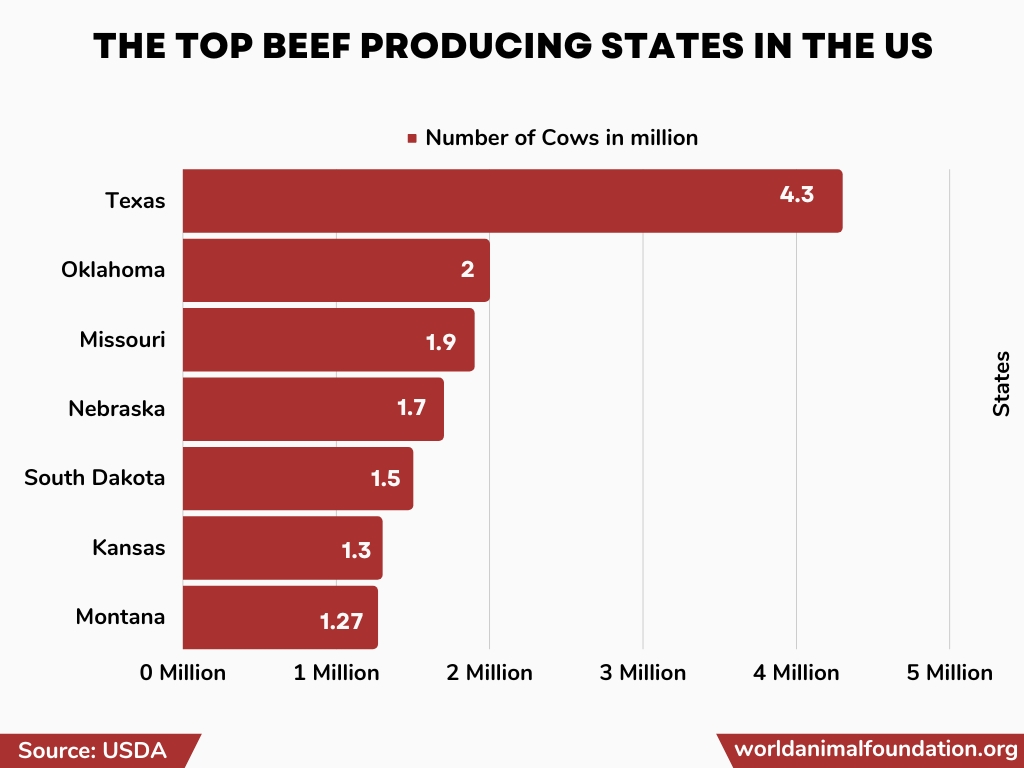
When evaluating the financial dominance of the beef industry, the United States Department of Agriculture (USDA) consistently places one state at the pinnacle: Texas. With a cattle population that often exceeds 12 million head, Texas doesn’t just lead the nation; it functions as a sovereign-level player in the global beef market.
Texas: The Financial Titan of the Cattle Kingdom
Texas produces the most beef by a significant margin, contributing billions of dollars to the national GDP annually. The financial success of Texas beef is rooted in its vast geographical footprint, which allows for diverse ranching operations. From the arid brushlands of South Texas to the fertile Panhandle, the state utilizes “economy of scale” better than any other region. For investors, Texas represents a diversified portfolio of cow-calf operations and massive feedlots. The sheer volume of cattle allows Texas to dictate market trends and maintain a high level of liquidity in livestock trading.
Nebraska and Kansas: The “Beef Belt” Economics
While Texas holds the crown for total numbers, Nebraska and Kansas are the heavyweights of the “finishing” industry. In financial terms, these states specialize in value-added production. Nebraska, often ranking second in total cattle, is the leader in “cattle on feed.” This means Nebraska generates massive revenue by fattening cattle for the final stage of the supply chain. The proximity to the “Corn Belt” allows Nebraska and Kansas to minimize transportation costs for feed, creating a high-profit-margin environment that attracts significant institutional investment.
Why Geographical Dominance Equals Market Control
The concentration of beef production in the central corridor of the U.S. creates a “cluster effect.” Much like Silicon Valley dominates tech, the Texas-Nebraska-Kansas triangle dominates the financial infrastructure of beef. This concentration lowers the “cost of doing business” by centralizing specialized labor, specialized financial services (such as agricultural lending), and logistics networks. For the state of Texas, this translates to over $10 billion in annual cash receipts from cattle alone, providing a massive tax base and driving rural development.
The Profitability Landscape: How Beef Production Drives State Economies
The economic impact of being a top beef-producing state extends far beyond the ranch gate. The beef industry operates on a “multiplier effect,” where every dollar generated in livestock sales ripples through the broader state economy, supporting auxiliary sectors like manufacturing, transportation, and finance.
Multiplier Effects: Jobs, Feed, and Processing Plants
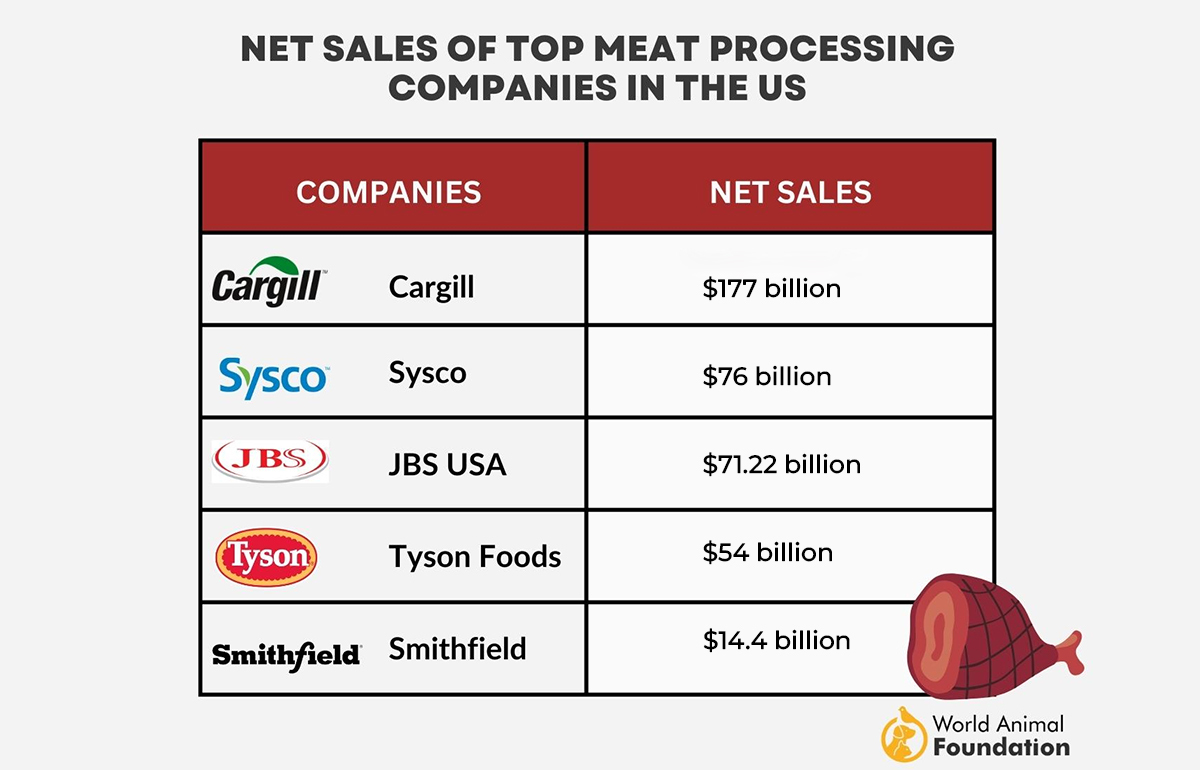
In states like Texas and Nebraska, the beef industry is a primary employer. However, the “money” isn’t just in the cattle themselves; it’s in the infrastructure. Massive meatpacking plants, such as those owned by Tyson, JBS, and Cargill, represent hundreds of millions of dollars in capital expenditure. These facilities require specialized maintenance, high-volume utilities, and complex logistical chains. Furthermore, the feed industry—converting corn and soy into protein—is a multi-billion-dollar secondary market. For every rancher, there are dozens of financial analysts, truck drivers, and plant workers whose livelihoods are tied to the state’s beef output.
Export Markets and Global Revenue Streams
Beef is one of the United States’ most valuable export commodities. The states that produce the most beef are also the primary drivers of the nation’s trade balance. In recent years, high demand from markets in China, Japan, and South Korea has turned beef into a high-yield export asset. When Texas or Nebraska increases its beef production, it isn’t just feeding Americans; it is capturing foreign currency and strengthening the U.S. dollar’s position in global agricultural markets. This international revenue is crucial for balancing state budgets and funding public infrastructure in agricultural regions.
Investing in the Beef Cycle: Commodities and Market Volatility
For those looking at the beef industry from a “Money” perspective, it is essential to understand that beef is a highly volatile commodity. Unlike software or consumer electronics, beef production is subject to biological cycles, weather patterns, and fluctuating input costs.
Understanding Live Cattle Futures
The financial world interacts with the beef industry primarily through the Chicago Mercantile Exchange (CME). Investors trade “Live Cattle” and “Feeder Cattle” futures to hedge against price swings. The states with the highest production are the ones that move these markets. If a drought hits Texas, the supply of “feeder cattle” drops, causing prices to spike globally. Professional traders monitor the “Cattle on Feed” reports from the top-producing states with the same intensity that tech investors watch Apple’s quarterly earnings. These reports provide the data necessary to forecast market liquidity and potential ROI.
Risk Management in an Era of Inflation
Inflation has a dual impact on the beef industry. While the price of beef at the retail level has climbed, the “cost of production” for ranchers has also surged. Fuel, fertilizer, and labor costs are at historic highs. In the top-producing states, successful operations are those that employ sophisticated risk management tools. This includes using forward contracts to lock in prices and utilizing “LRP” (Livestock Risk Protection) insurance. From a business finance perspective, the beef industry is currently a masterclass in navigating “margin squeeze”—the challenge of maintaining profitability when input costs rise faster than the price of the final product.
The Financial Future of Ranching: AgTech and Sustainable Investing
As we look toward the next decade, the “Money” behind beef production is shifting. The states that currently lead the nation are beginning to integrate advanced technology and new financial models to maintain their dominance in an increasingly scrutinized global market.
ESG Factors and Their Impact on Beef Valuation
Environmental, Social, and Governance (ESG) criteria are becoming a major factor in agricultural lending. Large banks and institutional investors are increasingly looking at the “carbon footprint” of beef production. Texas and Nebraska are at the forefront of “regenerative grazing” and “methane reduction” initiatives. These aren’t just environmental goals; they are financial ones. Operations that can prove sustainability are often eligible for lower interest rates and “green” subsidies, which directly improves the bottom line and increases the valuation of the land.
Scaling for Profit in a Consolidated Industry
The trend in the top beef states is toward consolidation. Small family operations are increasingly being integrated into larger corporate structures or cooperatives to achieve better “purchasing power.” From a private equity perspective, the beef industry offers a “hard asset” hedge against stock market volatility. Land value in the top-producing states has seen steady appreciation, making the cattle business as much a real estate play as a livestock play. As technology—such as AI-driven herd management and blockchain-based traceability—becomes standard, the barriers to entry will rise, further concentrating the wealth within the top-producing states.
Conclusion: The Final Bottom Line on Beef Production
While many states contribute to the American dinner plate, the financial heart of the beef industry beats strongest in Texas, followed closely by the logistical hubs of Nebraska and Kansas. These states have transformed a traditional way of life into a sophisticated, high-stakes financial engine.
For the business-minded observer, “what state produces the most beef” is a lesson in regional economic specialization. It reveals how geography, infrastructure, and capital investment converge to create a dominant market position. As the industry evolves with new technologies and shifting global demands, the “Beef Belt” will remain a critical focus for anyone interested in the intersection of agriculture, commodities, and long-term wealth creation. Texas holds the crown today, not just because of its history, but because of its unparalleled ability to turn vast acreage into a multi-billion-dollar revenue stream.
aViewFromTheCave is a participant in the Amazon Services LLC Associates Program, an affiliate advertising program designed to provide a means for sites to earn advertising fees by advertising and linking to Amazon.com. Amazon, the Amazon logo, AmazonSupply, and the AmazonSupply logo are trademarks of Amazon.com, Inc. or its affiliates. As an Amazon Associate we earn affiliate commissions from qualifying purchases.