
Car insurance is a mandatory expense for most drivers, a crucial component of personal finance that often feels like a significant drain on the wallet. What many consumers don’t realize, however, is the profound impact their geographical location has on their premium costs. While personal factors like driving history and vehicle type play a significant role, the state you call home can be the single largest determinant of how much you pay. Understanding these state-level variances is key to navigating the complex world of car insurance and identifying opportunities for substantial savings. This article delves into the intricate factors that drive insurance costs across the U.S., highlights the states where drivers typically find the most affordable rates, and provides actionable financial strategies to reduce your premiums, regardless of your address.
The Geography of Premiums: Why Costs Vary So Dramatically by State
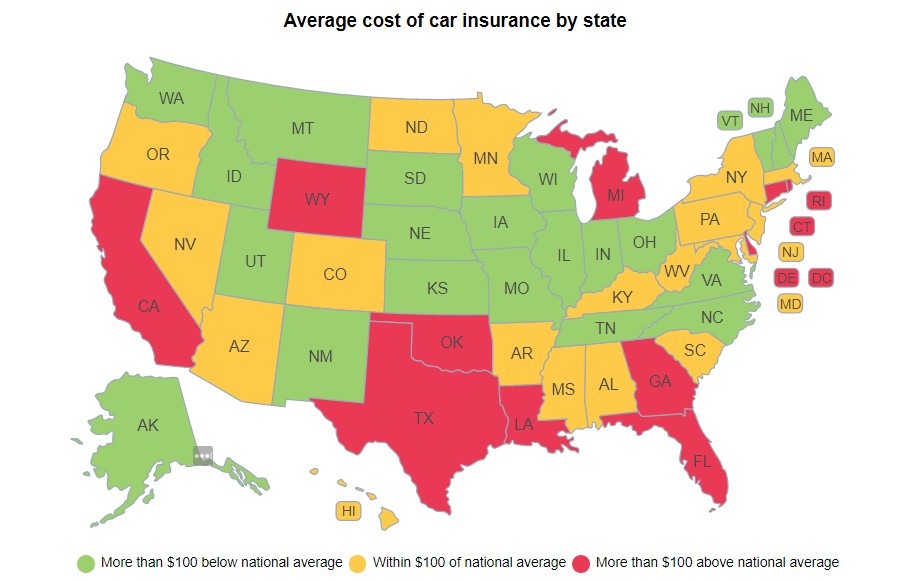
The cost of car insurance is not a flat fee across the nation; it’s a dynamic figure influenced by a complex interplay of state-specific regulations, demographic trends, environmental factors, and market competition. Insurers assess risk based on a multitude of data points, many of which are localized to a particular state or even a specific zip code. Recognizing these underlying drivers is the first step toward understanding why moving just a few hundred miles can lead to hundreds or even thousands of dollars in annual savings or increased costs.
Regulatory Landscapes and State-Mandated Coverage
Every state has its own Department of Insurance that sets minimum coverage requirements and oversees the insurance market. These regulations can drastically affect premiums. For instance, states with “no-fault” insurance laws, which mandate that your own insurance company pays for your medical expenses regardless of who caused an accident, often have higher Personal Injury Protection (PIP) costs. Conversely, “at-fault” or “tort” states typically assign liability, meaning the at-fault driver’s insurance pays. The minimum liability limits (e.g., bodily injury per person/per accident, property damage) also vary widely, directly impacting the baseline cost of a policy. Furthermore, some states mandate additional coverages, such as uninsured/underinsured motorist protection, which adds to the overall premium. Stricter regulations or more extensive minimum coverage requirements inherently lead to higher average costs for drivers within those states.
Population Density, Urbanization, and Accident Rates
Common sense suggests that more cars on the road lead to more accidents, and insurance data confirms this. States with high population density and heavily urbanized areas generally experience higher rates of traffic accidents, theft, and vandalism. This increased risk translates directly into higher insurance premiums for residents. Major metropolitan areas like New York City, Los Angeles, and Miami, even within otherwise cheaper states, will almost always have higher rates than rural towns due to the sheer volume of traffic, parking congestion, and associated risks. Insurers factor in these probabilities when calculating premiums, meaning drivers in less populated, more rural states often benefit from lower average accident rates and thus cheaper insurance.
Weather Patterns and Natural Disaster Exposure
The climate and geographical vulnerability of a state also play a significant role in insurance pricing. States prone to severe weather events—hurricanes, tornadoes, hailstorms, floods, and blizzards—face higher property damage claims, which are ultimately reflected in car insurance premiums. For example, coastal states in the hurricane belt (e.g., Florida, Louisiana) or those in “Tornado Alley” (e.g., Oklahoma, Kansas) often see higher comprehensive coverage costs. Insurers must price policies to cover the increased likelihood of claims arising from such natural disasters, making financial planning for car ownership in these regions particularly critical.
Uninsured Driver Rates and Litigation Trends
A higher percentage of uninsured motorists in a state means that insured drivers effectively bear more of the financial burden for accidents involving those without coverage. Insurers account for this by charging higher premiums to offset the increased risk of having to pay for damages caused by an uninsured driver (via uninsured motorist coverage). Similarly, states with a more litigious environment, where lawsuits following accidents are more common and result in larger payouts, also tend to have higher insurance costs. The financial implications of potential legal battles are factored into premium calculations, contributing to the overall cost of coverage.
The States Leading the Pack for Affordability: Where Your Money Goes Further
While national averages provide a benchmark, the real insight comes from identifying the states where drivers consistently find the most budget-friendly car insurance rates. These states often share characteristics such as lower population density, fewer accident claims, competitive markets, and favorable regulatory environments. For those considering relocation or simply wanting to understand the financial implications of geography, knowing these top contenders is invaluable.
Spotlight on Maine: A Model of Low Costs
Consistently ranking among the states with the cheapest car insurance, Maine offers a prime example of how favorable conditions translate into financial savings for drivers. The Pine Tree State benefits from a largely rural landscape, lower population density, and consequently, fewer traffic accidents and lower rates of theft compared to more urbanized regions. The driving culture tends to be less aggressive, contributing to a safer road environment. Additionally, Maine’s regulatory framework supports a competitive insurance market without excessively high minimum coverage mandates, allowing insurers to offer more attractive rates. For residents, this means more disposable income rather than excessive premium payments.
Idaho and Ohio: Competitive Markets and Rural Appeal
Idaho, much like Maine, benefits from its expansive, less populated terrain and relatively low accident rates. The state’s demographics and driving conditions contribute to a lower overall risk profile for insurers, resulting in more affordable premiums for its residents. Drivers here often find that their insurance dollars stretch further, making vehicle ownership more financially viable.
Ohio presents a slightly different but equally compelling case for affordability. While more populated than Maine or Idaho, Ohio’s car insurance market is highly competitive, with a multitude of insurers vying for customers. This strong competition often drives down prices as companies strive to offer the most attractive rates. Furthermore, Ohio’s blend of urban and rural areas, coupled with reasonable state regulations, creates an environment where average premiums remain relatively low compared to the national average. Savvy consumers in Ohio benefit from the ability to shop around extensively and leverage this competitive landscape to their financial advantage.
Other Wallet-Friendly States
Beyond these examples, several other states frequently appear on lists of cheapest car insurance locations. These often include:
- Iowa: Low population density, rural character, and a good driving record among residents contribute to its affordability.
- Vermont: Similar to Maine, its rural nature and lower traffic volume keep premiums down.
- Wyoming: Sparse population and vast open roads mean fewer accidents and lower rates.
- North Carolina: A mix of reasonable regulations and a relatively lower cost of living often translates into more affordable insurance.
- Wisconsin: A competitive market and moderate accident rates help keep costs in check.
- Virginia: Historically known for competitive rates, often due to a strong economy and moderate risk factors.
These states demonstrate that a combination of demographic factors, driving behavior, regulatory environments, and market dynamics can create a landscape where car insurance is a less burdensome financial commitment.
Personalizing Your Premium: Factors Beyond State Lines
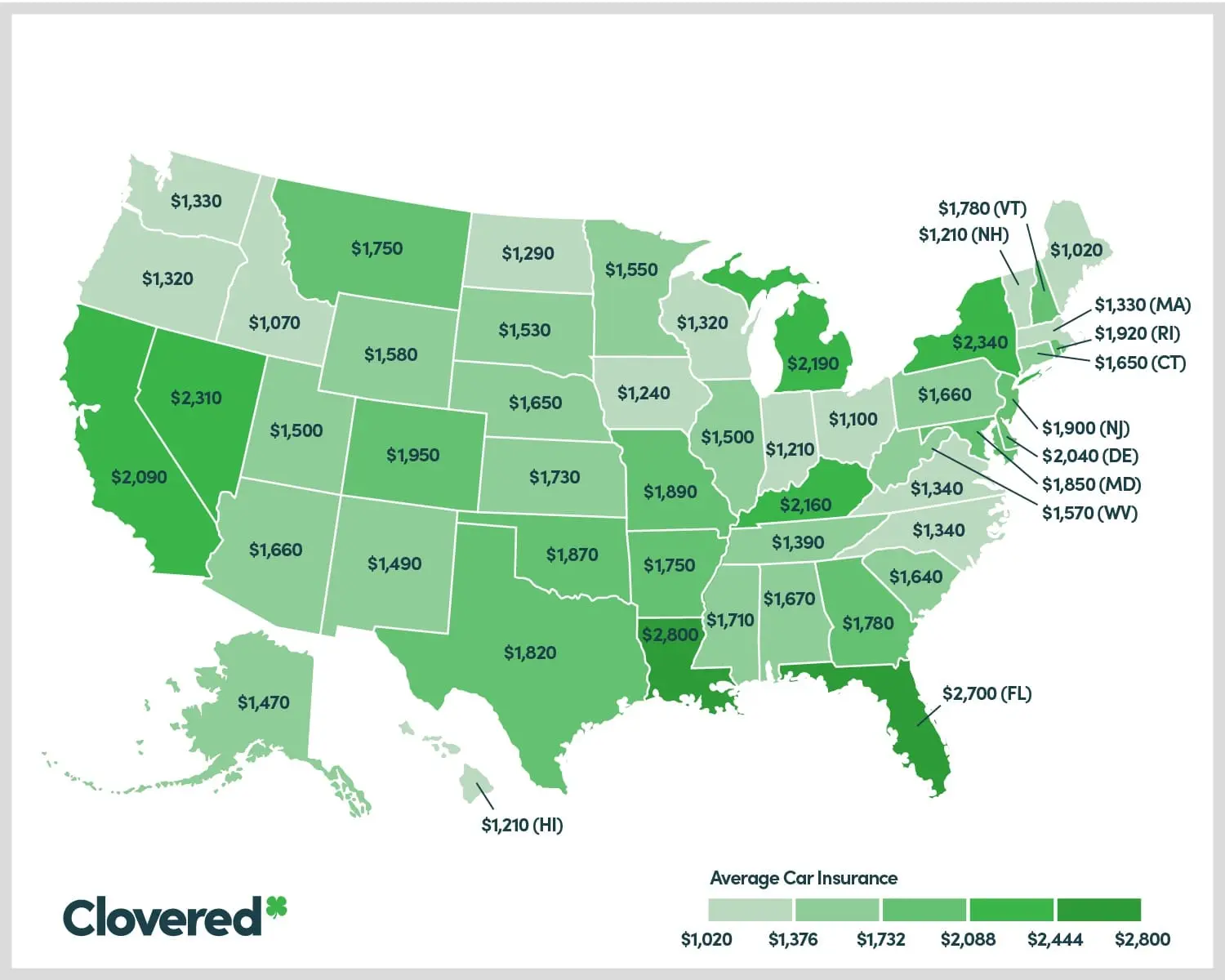
While the state you reside in is a primary determinant of car insurance costs, it’s crucial to remember that personal factors significantly influence your individual premium. Even in a state with generally high rates, a financially astute driver can employ strategies to mitigate costs, just as a reckless driver in a “cheap” state might still pay a hefty sum. Understanding these personal variables empowers you to take control of your car insurance expenditures.
Your Driving Profile: Record, Age, and Experience
Your driving history is perhaps the most critical personal factor in determining your premium. A clean driving record—free of accidents, speeding tickets, and other traffic violations—signals lower risk to insurers, often qualifying you for significant “good driver” discounts. Conversely, a history of claims or citations will invariably lead to higher rates, sometimes for several years. Age and driving experience also play a major role; younger, less experienced drivers (especially those under 25) are statistically more prone to accidents, making their premiums considerably higher. As drivers mature and gain experience without incidents, their rates typically decrease, reflecting a lower perceived risk.
Vehicle Choice and Usage
The type of car you drive directly impacts your insurance costs. More expensive vehicles, luxury cars, high-performance sports cars, or vehicles with sophisticated technology are generally more costly to insure due to higher repair costs, greater theft risk, or increased likelihood of severe damage. The safety ratings of your vehicle also matter; cars with advanced safety features (e.g., automatic emergency braking, lane-keeping assist) can sometimes qualify for discounts. Furthermore, how much you drive (annual mileage) and where you park your car (e.g., secured garage vs. street parking in a high-crime area) can influence your premium, as they directly relate to the exposure your vehicle has to risks.
Credit Score and Insurance History
In many states, your credit score (or an insurance-specific credit score) is a significant factor in determining your car insurance premium. Studies have shown a correlation between lower credit scores and a higher likelihood of filing claims. Consequently, drivers with excellent credit scores often receive more favorable rates, reflecting their perceived financial responsibility. Maintaining a good credit score is thus not just beneficial for loans and mortgages but also for managing insurance costs. Similarly, your insurance history—whether you’ve maintained continuous coverage, filed numerous claims, or had lapses in coverage—can impact your rates. Insurers prefer drivers with a stable history of continuous coverage and minimal claims.
The Power of Discounts and Bundling
Most insurance companies offer a wide array of discounts that can significantly reduce your premium. These include:
- Multi-policy discount: Bundling car insurance with home, renters, or life insurance can yield substantial savings.
- Multi-car discount: Insuring multiple vehicles with the same provider.
- Good student discount: For students maintaining a high GPA.
- Safety features discount: For vehicles equipped with anti-lock brakes, airbags, anti-theft devices.
- Low mileage discount: For drivers who don’t drive frequently.
- Defensive driving course discount: Completing an approved defensive driving course.
- Loyalty discount: For long-term customers.
Proactively inquiring about and utilizing these discounts is a simple yet powerful financial strategy to lower your car insurance burden.
Strategies for Securing the Best Rates, Anywhere You Live
Regardless of whether you reside in Maine or Michigan, there are proactive financial strategies you can employ to minimize your car insurance costs. The key lies in diligent research, understanding your coverage needs, and actively managing your risk profile. Embracing these tactics can transform car insurance from a dreaded expense into a manageable component of your personal budget.
Shop Around Diligently: The Power of Comparison
This is arguably the most impactful strategy. Never settle for the first quote you receive or automatically renew with your current provider. The insurance market is highly competitive, and rates can vary dramatically between companies for the exact same coverage. Utilize online comparison tools, consult independent insurance agents, and obtain quotes from at least three to five different insurers every six to twelve months, or whenever your circumstances change (e.g., buying a new car, getting married, moving). This diligent comparison shopping can uncover significant savings, often hundreds of dollars annually, by simply identifying the insurer that offers the best value for your specific profile.
Adjusting Coverage and Deductibles
While it’s crucial to have adequate coverage, paying for more than you need is a drain on your finances. Evaluate your current policy:
- Raise your deductible: Opting for a higher deductible (the amount you pay out-of-pocket before your insurance kicks in) can substantially lower your premium. Just ensure you have enough saved in an emergency fund to cover that higher deductible if you need to file a claim.
- Review comprehensive and collision for older cars: For older vehicles with low market value, the cost of comprehensive and collision coverage might outweigh the potential payout. Financially, it might be more prudent to drop these coverages and self-insure for minor damages.
- Assess liability limits: While higher liability limits offer better protection, ensure they align with your assets and risk tolerance without being excessive.
These adjustments require a careful financial assessment of your risk tolerance versus potential savings.
Maintain a Clean Driving Record and Good Credit
As discussed, your driving record and credit score are critical financial determinants. Drive defensively, obey traffic laws, and avoid distractions to keep your record pristine. Enroll in defensive driving courses if available, as some insurers offer discounts for completing them. Simultaneously, manage your finances responsibly, pay bills on time, and monitor your credit report to maintain a healthy credit score. These actions not only benefit your overall financial health but directly translate into lower insurance premiums over time.
Leverage Telematics and Usage-Based Insurance
Many insurers now offer telematics programs, where a small device plugs into your car or a smartphone app monitors your driving habits (e.g., speed, braking, mileage, time of day driven). Safe drivers who opt into these programs can receive personalized discounts based on their actual driving behavior. For low-mileage drivers or those with excellent driving habits, this can be a powerful tool for substantial savings, allowing your careful driving to directly impact your financial outlay. It’s an innovative way to gain financial benefit from your responsible behavior behind the wheel.

Conclusion
The quest for the cheapest car insurance is a multifaceted journey that begins with understanding the profound influence of your geographical location. While states like Maine, Idaho, and Ohio consistently offer more financially attractive rates due to a combination of demographics, regulations, and market competition, it’s important to remember that state averages are just one piece of the puzzle. Personal factors—your driving record, vehicle choice, and financial responsibility—are equally critical in shaping your individual premium.
By proactively shopping for quotes, judiciously adjusting your coverage, leveraging available discounts, and maintaining a stellar driving and credit history, every driver can significantly reduce their car insurance burden. Car insurance, while a mandatory expense, doesn’t have to be a financial drain. With an informed approach and a commitment to smart financial planning, you can navigate the insurance landscape effectively, ensuring you get the necessary protection without overspending. The ultimate power to save lies not just in where you live, but in how intelligently you manage your financial decisions around this crucial aspect of vehicle ownership.
aViewFromTheCave is a participant in the Amazon Services LLC Associates Program, an affiliate advertising program designed to provide a means for sites to earn advertising fees by advertising and linking to Amazon.com. Amazon, the Amazon logo, AmazonSupply, and the AmazonSupply logo are trademarks of Amazon.com, Inc. or its affiliates. As an Amazon Associate we earn affiliate commissions from qualifying purchases.