
The coffee industry in the United States is more than just a morning ritual; it is a massive economic engine valued at over $90 billion annually. For investors, entrepreneurs, and market analysts, understanding regional consumption patterns is essential for identifying growth opportunities and predicting consumer behavior. When asking which state drinks the most coffee, the answer lies at the intersection of demographic data, disposable income levels, and regional business climates.
While the “most” coffee can be measured by volume, the more significant metric for those in the finance and business sectors is per capita spending and market density. Data consistently points to a select group of states—primarily in the Northeast and the Pacific Northwest—as the titans of the coffee economy. Understanding why these regions lead the pack provides a roadmap for high-yield investments in the food and beverage sector.
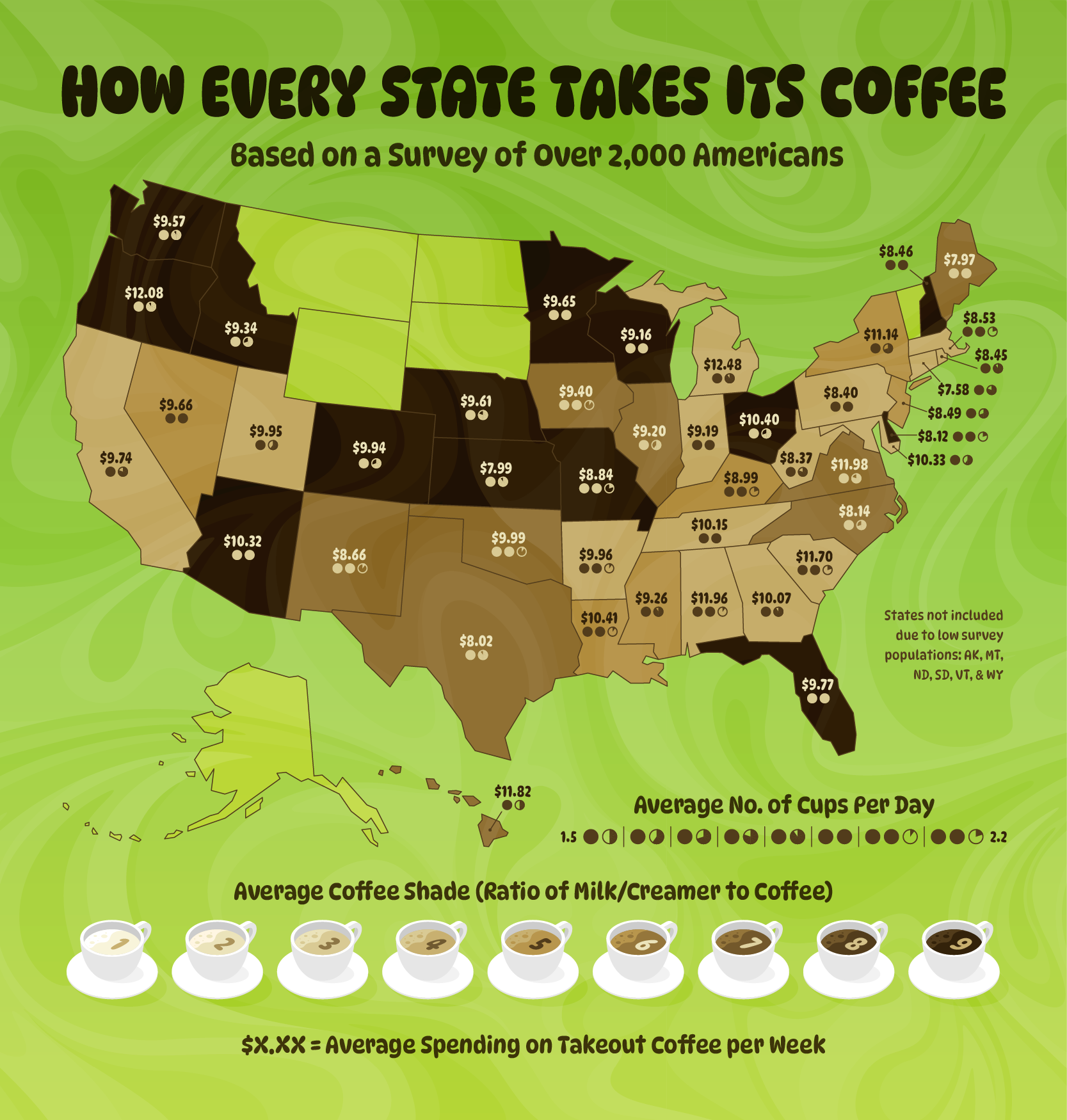
The Economic Landscape of American Coffee Consumption
To understand the financial weight of coffee consumption, one must look at the macro trends driving the industry. Coffee is often considered “recession-proof” because of its status as a staple in the American diet. However, the way money is spent on coffee varies wildly from state to state. In high-consumption states, the shift toward “specialty coffee” or the “Third Wave” movement has transformed coffee from a low-cost commodity into a premium luxury good with high profit margins.
The Correlation Between Income and Caffeine
There is a direct statistical correlation between states with higher median household incomes and states with the highest coffee expenditures. States like Massachusetts, Washington, and New York consistently rank in the top tier for coffee consumption. This is not merely because of a cultural preference, but because coffee—specifically high-end, artisanal coffee—is a discretionary expense that thrives in robust economies.
In these regions, the average consumer is willing to pay $5.00 to $7.00 for a single beverage. This creates a high Average Order Value (AOV) for businesses, making these states prime locations for franchise expansion and independent boutique roasteries. For a personal finance perspective, coffee often represents one of the largest “small” leaks in a monthly budget, yet it remains a primary driver of local commercial activity.
Market Density and Urbanization
Urbanization plays a pivotal role in determining which state drinks the most coffee. States with high population densities and major metropolitan hubs see more “on-the-go” consumption. In New York and Illinois, the sheer volume of commuters fuels a massive morning economy. For business owners, the “Real Estate per Cup” metric is vital; in these states, the high cost of commercial rent is offset by the high volume of foot traffic and the frequency of repeat customers.
Ranking the Leaders: Where the Money Flows
When examining the data from a market research perspective, certain states emerge as clear leaders in the caffeine economy. These rankings are often determined by the number of coffee shops per capita and the total annual expenditure per resident.
Vermont: The Per Capita Champion
Consistently ranking at the top of many lists for coffee shops per capita is Vermont. While it lacks the massive population of California or Texas, its per-resident consumption is staggering. From a business strategy standpoint, Vermont represents a “niche-saturated” market. The high demand is met by a robust network of independent roasters rather than large-scale national chains. This demonstrates that in certain high-consumption states, there is significant financial opportunity for small-scale, high-quality brands to capture a loyal local market share.
Washington: The Birthplace of the Coffee Giant
Washington State, specifically the Seattle metro area, remains a global hub for the coffee business. As the home of Starbucks, Washington’s economy is intrinsically linked to the bean. However, the state’s high ranking is also driven by a sophisticated consumer base that demands variety. Washingtonians spend more on at-home brewing equipment and high-end beans than residents of almost any other state. For investors, Washington serves as a bellwether for the rest of the country; trends that start here—such as cold brew innovation or dairy-free alternatives—typically dictate where the national money will move in the following fiscal years.
Oregon and the Pacific Northwest Influence
Neighboring Oregon shares many of Washington’s economic traits. The “drive-thru” coffee culture, epitomized by brands like Dutch Bros, originated in this region. This model highlights a specific side-hustle and franchise opportunity: the low-overhead, high-volume kiosk. By reducing real estate costs while maintaining high price points, businesses in Oregon have optimized the profit margins of caffeine delivery.
The Business of the Bean: Why Certain States Dominate
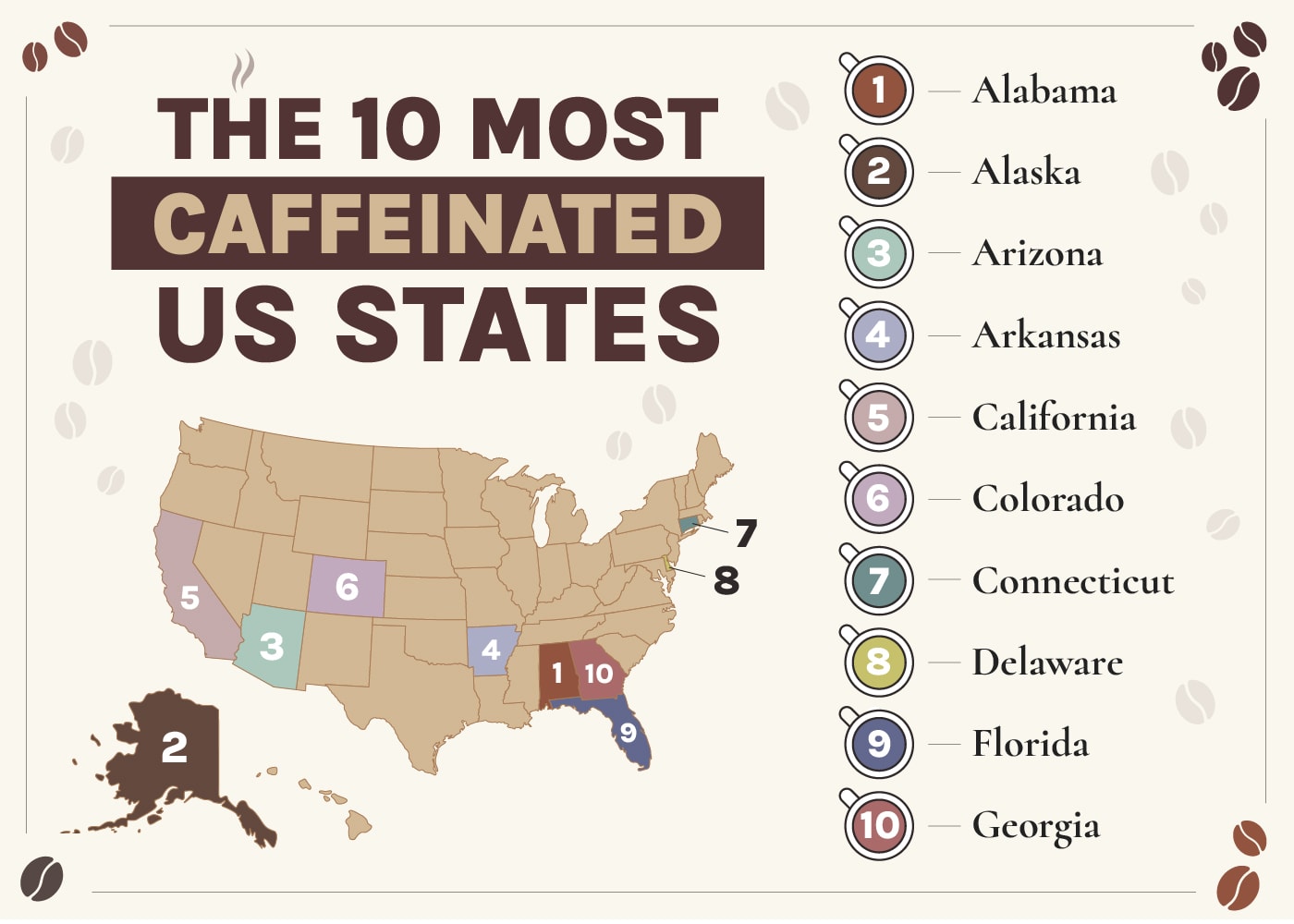
The financial dominance of certain states in the coffee market isn’t accidental. It is the result of logistics, climate, and labor trends.
The Role of Climate in Revenue Generation
There is a clear geographic divide in coffee consumption. Northern states with colder climates naturally see higher consumption rates of hot beverages, leading to steady year-round revenue for coffee businesses. In contrast, southern states often experience more seasonal fluctuations, though the rise of iced coffee and “nitro” cold brews has helped stabilize income in warmer regions. From an investment perspective, northern states offer more predictable cash flow for traditional coffee house models.
Supply Chain and Port Proximity
Logistics play a massive role in the business finance of coffee. States with major ports—such as California (Los Angeles/Long Beach), New Jersey, and Louisiana (New Orleans)—serve as the primary entry points for green coffee beans. Businesses located in or near these “coffee gateways” often benefit from lower shipping costs and fresher inventory. For a roasting business, the cost of goods sold (COGS) can be significantly lower in a port state than in a landlocked state, providing a competitive advantage in the wholesale market.
Labor Markets and the “Barista Economy”
In states like California and New York, high minimum wages and labor regulations impact the bottom line of coffee shops. However, these states also have the highest concentration of “specialty” talent. The “Barista as a Profession” trend has led to higher service standards, which justifies the premium pricing models found in these regions. For a business owner, the trade-off is higher operational costs for the ability to charge “luxury” prices.
Coffee as an Investment Opportunity and Side Hustle
The high consumption rates in top-tier states have opened the door for various financial ventures, ranging from passive investing to active side hustles.
The Rise of Mobile and Micro-Roasting
For those looking for online income or low-barrier side hustles, the “e-commerce coffee” model is booming. Since states like Hawaii and California have built-in “coffee tourism” and high local demand, residents are leveraging local branding to sell beans nationwide via Shopify and other platforms. The “Subscription Model” has become a darling of the venture capital world, providing recurring revenue and predictable scaling.
Franchise ROI in High-Consumption States
Investing in a coffee franchise in a state with high consumption, such as Massachusetts or Rhode Island (home to the highest density of Dunkin’ locations), offers a different risk profile than starting an independent shop. In these states, the brand recognition is already established, and the “capture rate” of morning commuters is high. Analysts looking at franchise disclosure documents (FDDs) often find that locations in these high-demand states have a much faster “break-even” point despite higher initial franchise fees.
Technological Integration in the Coffee Market
The most profitable states are also the ones leading the charge in “Coffee-Tech.” Mobile ordering, loyalty apps, and automated kiosks are most prevalent in high-income, high-consumption tech hubs like the Bay Area and Boston. These tools allow businesses to maximize throughput and collect valuable consumer data. From a financial standpoint, the integration of FinTech into the coffee experience reduces transaction friction and increases the “Lifetime Value” (LTV) of a customer.
Future Outlook: Economic Shifts in the Coffee Market
As we look toward the next decade, several economic factors will influence which states lead in coffee consumption.
The Impact of Remote Work on Local Economies
The shift toward remote and hybrid work has decentralized coffee spending. Previously, the “Money” was in the downtown business districts of states like Illinois and New York. Now, we are seeing a surge in “Suburban Coffee Economics.” Residential neighborhoods in states with high remote work populations are seeing an influx of new coffee businesses. This shift represents a massive reallocation of capital from commercial real estate hubs to local community-based retail.
Sustainability and the “Green Premium”
In states with high environmental awareness, such as Vermont and Oregon, consumers are increasingly willing to pay a “Green Premium” for ethically sourced, organic, and fair-trade coffee. This is a crucial data point for brand strategy. Companies that can transparently demonstrate their supply chain ethics can command higher prices and better margins in these specific markets.
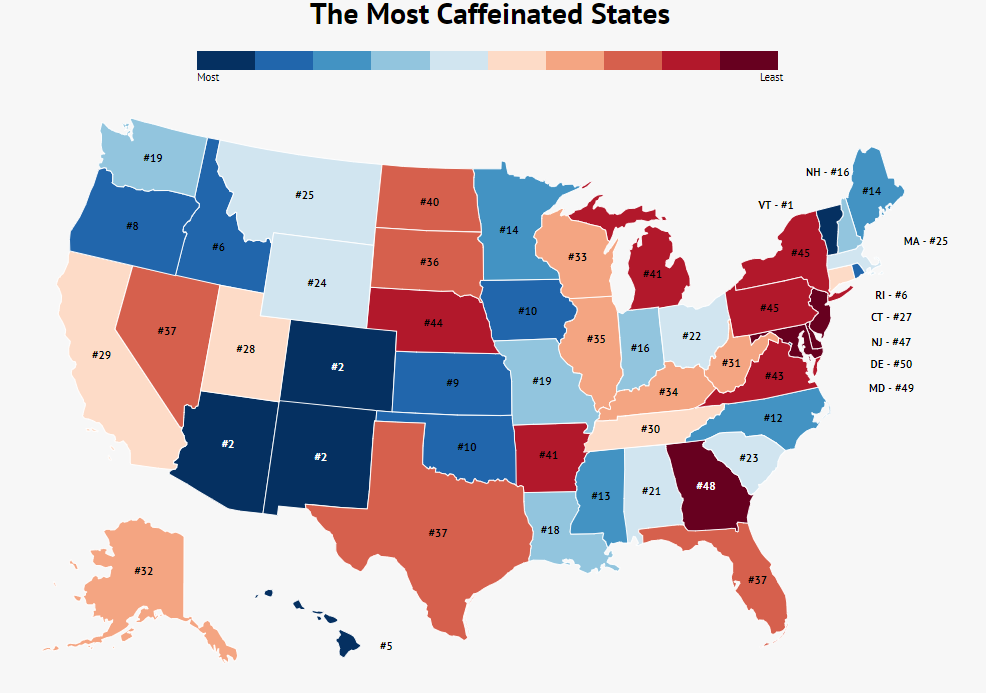
Inflation and Consumer Resilience
While coffee is resilient, extreme inflation can cause consumers to shift from “out-of-home” consumption to “at-home” brewing. States with a high concentration of premium equipment retailers (like Williams-Sonoma or specialized espresso boutiques) may see a shift in where the money is spent—moving from the service sector to the retail sector. However, the total volume of coffee consumed in the highest-ranking states remains remarkably stable, proving that for many Americans, coffee is a non-negotiable line item in their monthly budget.
In conclusion, while the title of “most coffee consumed” may fluctuate based on yearly data, the states that lead the market are those where high disposable income, urban density, and a sophisticated business infrastructure converge. For the savvy investor or business owner, these high-consumption states represent the most fertile ground for financial growth in the beverage industry.
aViewFromTheCave is a participant in the Amazon Services LLC Associates Program, an affiliate advertising program designed to provide a means for sites to earn advertising fees by advertising and linking to Amazon.com. Amazon, the Amazon logo, AmazonSupply, and the AmazonSupply logo are trademarks of Amazon.com, Inc. or its affiliates. As an Amazon Associate we earn affiliate commissions from qualifying purchases.