
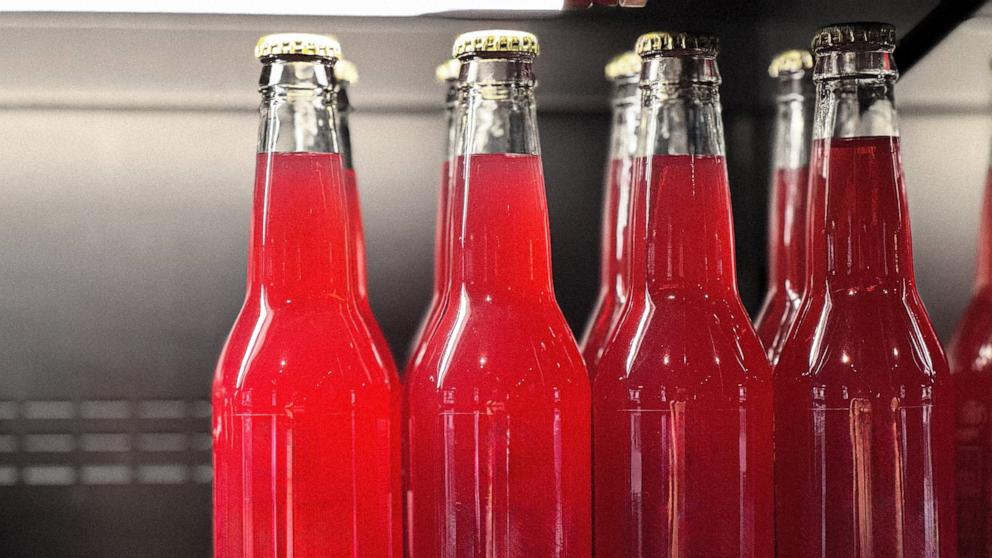
The beverage industry is currently navigating a pivotal transformation in how products are formulated, marketed, and perceived by the modern consumer. At the heart of this shift is the scrutiny surrounding synthetic additives, specifically Red Dye #3 (Erythrosine). While once a staple for achieving the vibrant, “electric” hues associated with cherry, strawberry, and fruit-punch flavored beverages, Red Dye #3 has become a focal point of regulatory pressure and brand reputation management.
For brand strategists and corporate leaders in the consumer packaged goods (CPG) space, the presence of Red Dye #3 is no longer just a chemistry concern; it is a significant branding risk. As legislative bodies, most notably in California, move to ban the additive, brands are forced to choose between legacy formulations and the “clean label” demands of a more health-conscious demographic.
The Regulatory Catalyst: Red Dye #3 and the Changing Brand Landscape
The conversation around Red Dye #3 intensified significantly with the passing of the California Food Safety Act, often referred to in the industry as the “Skittles Ban.” Although the legislation targets several additives, Red Dye #3 stands out due to its long history of controversy, including a partial FDA ban in the 1990s for its use in cosmetics. The move by the fifth-largest economy in the world to purge this dye from food and beverage products by 2027 has sent shockwaves through the branding departments of major soda manufacturers.
The California Effect and Global Brand Consistency
In a globalized market, maintaining different formulations for different regions is a logistical and branding nightmare. When California mandates a change, it effectively sets the standard for the entire United States. Brands that fail to adapt their entire supply chain risk alienating consumers in other states who become aware that their local version of a soda contains ingredients deemed “unsafe” elsewhere. From a brand strategy perspective, consistency is the bedrock of trust. If a strawberry soda in Los Angeles is colored with beet juice while the same brand in Atlanta uses Red Dye #3, the brand’s promise of a uniform experience is compromised.
Why Red Dye #3 is a Corporate Identity Risk
Corporate identity is increasingly tied to Environmental, Social, and Governance (ESG) criteria. Investors and consumers alike are looking at the ingredient deck as a reflection of a company’s ethics. Red Dye #3, linked in various studies to behavioral issues in children and potential carcinogenic effects in laboratory settings, represents a liability. For a legacy brand, clinging to synthetic dyes can signal a lack of innovation and a disregard for consumer well-being, whereas proactive removal can be marketed as a commitment to “Better-for-You” (BFY) standards.
Identifying the Products: Which Soda Brands Still Contain Red Dye #3?
While Red Dye #40 (Allura Red) is more ubiquitous in the soft drink world, Red Dye #3 is still utilized where a specific, intense pink-to-red opacity is required. Identifying which sodas contain this dye requires a deep dive into ingredient transparency—a key component of modern brand accountability.
The Rarity in Major Colas vs. Specialty Sodas
Mass-market colas like Coca-Cola and Pepsi have largely avoided Red Dye #3 for decades, opting instead for caramel coloring or Red Dye #40 for their fruit-flavored extensions. However, Red Dye #3 is more frequently found in niche categories, such as:
- Seasonal and Holiday Sodas: Limited-edition beverages that require a high-impact visual often rely on the stability of Red Dye #3.
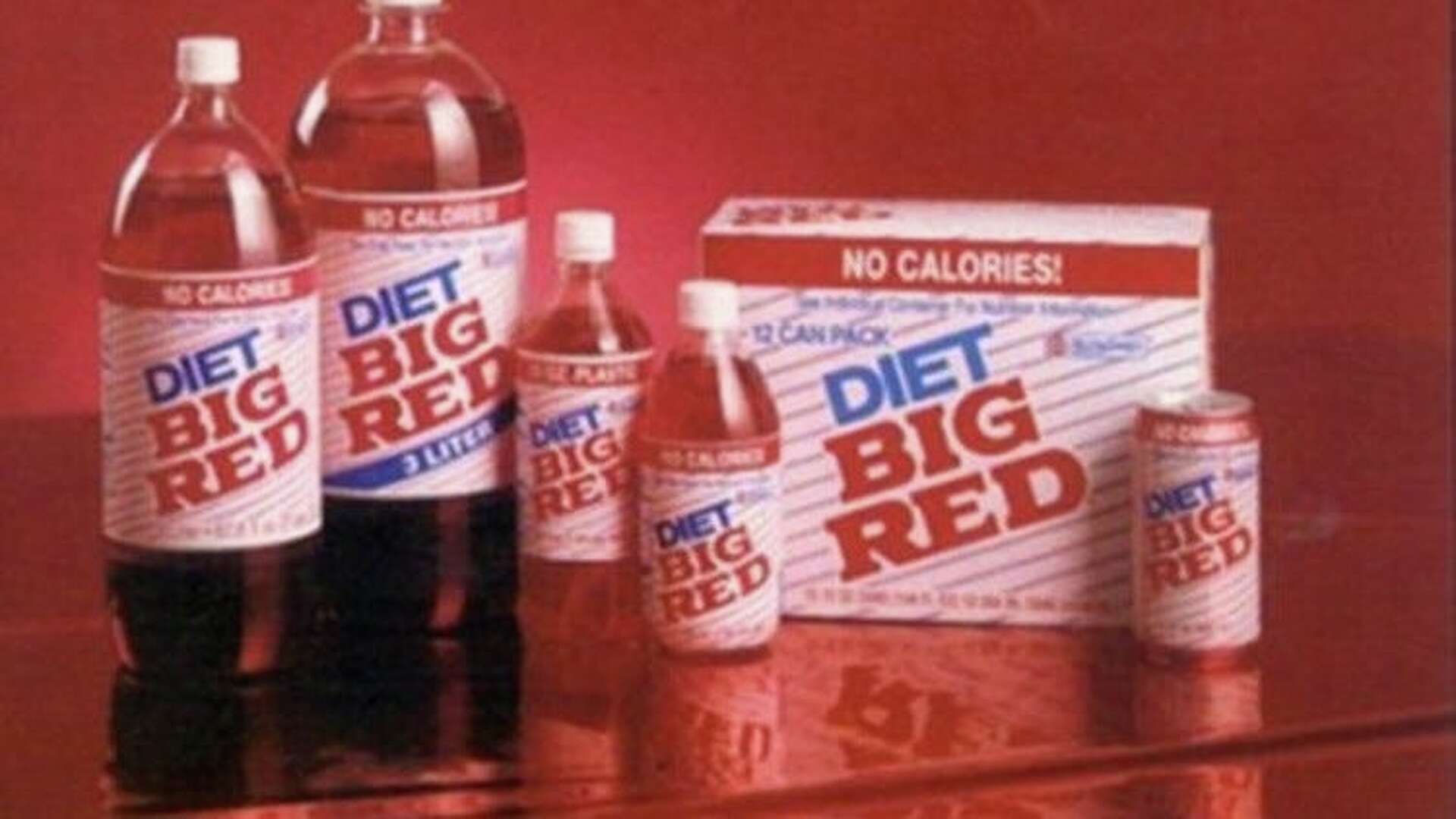
- Niche Cherry and Strawberry Variations: Some regional or “retro” soda brands use the dye to maintain the nostalgic, neon-bright look that consumers associated with the brand in the mid-20th century.
- Cocktail Mixers and Syrups: While not always classified as “sodas,” the mixers often paired with them—such as grenadine or maraschino-themed syrups—frequently utilize Red Dye #3 to achieve that signature deep crimson.
The Challenge of Fruit-Flavored Beverages
The primary culprits in the soda aisle are often the non-carbonated fruit drinks or “soda-adjacent” beverages. Strawberry-kiwi blends, certain fruit punches, and cream sodas that aim for a pinkish hue are the most likely to contain the additive. For these brands, the dye isn’t just an ingredient; it is a visual hook. The branding challenge lies in the fact that natural alternatives often result in a more muted, “earthy” tone that may not immediately signal “sweet and refreshing” to a child or a casual shopper.

The Branding Dilemma: Aesthetics vs. Health Consciousness
Every brand manager in the beverage space is currently weighing a difficult trade-off: the psychological power of color versus the growing demand for transparency. Color is a vital part of sensory branding. It sets expectations for flavor before the bottle is even opened.
The “Maraschino Effect” and Consumer Expectations
For decades, consumers have been conditioned to associate neon red with “cherry” flavor. This is known as the “Maraschino Effect.” If a brand like Dr Pepper or a regional cherry ale were to change its color to a natural, brownish-red derived from purple carrots, the consumer’s brain might perceive the taste as “off,” even if the flavor formula remains identical.
This presents a branding paradox. To keep the brand identity intact, the color must stay the same. To keep the brand reputation intact, the ingredient causing that color must go. Solving this requires sophisticated marketing that “re-trains” the consumer to associate natural hues with premium quality and health, rather than a lack of flavor.
Marketing the Transition to Natural Alternatives
The brands that successfully navigate the removal of Red Dye #3 are those that don’t just quietly change the label, but instead lean into the change as a brand evolution. We are seeing a rise in “Transparent Branding,” where companies highlight their “No Artificial Dyes” status as a primary selling point on the front of the package.
By turning a regulatory necessity into a marketing opportunity, brands can capture the “Clean Label” enthusiast market. This segment is willing to pay a premium for products that use fruit and vegetable juices for coloring, allowing the brand to potentially increase its margins while decreasing its long-term legal and reputational risks.
Future-Proofing the Portfolio: Strategies for Beverage Brands
As we look toward 2027 and beyond, the presence of Red Dye #3 in any soda portfolio will likely be viewed as a relic of a bygone era. Forward-thinking companies are already implementing strategies to future-proof their brands against further bans and shifting consumer sentiment.
Transparency as a Core Brand Value
In the digital age, a brand is what consumers say it is. With apps that scan barcodes to rate the “healthiness” of ingredients, there is no hiding behind small print. Brands must adopt a “Radical Transparency” model. This involves not only removing controversial dyes but being vocal about the journey. Sharing the R&D process of finding the perfect natural red—whether it’s from beet, hibiscus, or black currant—can build a narrative of craftsmanship and care that resonates with younger demographics like Gen Z.
Investing in Ingredient Innovation
The race is on for the “Holy Grail” of natural food coloring: a shelf-stable, vibrant red that doesn’t alter the taste profile of the soda. Brands that invest in proprietary natural coloring technology can create a competitive moat. If a company can achieve a Red Dye #3 look using only plant-based sources, they own a visual asset that is both legally compliant and consumer-friendly.
Furthermore, this innovation allows for “Brand Refresh” opportunities. A transition away from synthetic dyes is the perfect time to update packaging, refine the brand voice, and re-launch a product to a new generation of shoppers who prioritize “wellness” as much as “refreshment.”
Conclusion: The End of an Era for Synthetic Red
The phase-out of Red Dye #3 in sodas marks the end of an era for synthetic-first branding in the beverage industry. For brands still utilizing the additive, the clock is ticking. The transition is not merely a hurdle to be cleared but an opportunity to redefine what a modern beverage brand stands for. By embracing clean labels and natural aesthetics, soda brands can move from being “guilty pleasures” to “trusted choices,” ensuring their longevity in an increasingly health-aware marketplace. The question is no longer just “which sodas have Red Dye #3,” but rather “which brands will be brave enough to lead the way without it?”
aViewFromTheCave is a participant in the Amazon Services LLC Associates Program, an affiliate advertising program designed to provide a means for sites to earn advertising fees by advertising and linking to Amazon.com. Amazon, the Amazon logo, AmazonSupply, and the AmazonSupply logo are trademarks of Amazon.com, Inc. or its affiliates. As an Amazon Associate we earn affiliate commissions from qualifying purchases.