
The Strategic Expansion of Personal Brands into Sports Ownership
In the modern landscape of professional sports, the crossover between legendary athletes and franchise ownership has become a defining trend. JJ Watt, the retired NFL superstar known for his dominance on the defensive line and his unwavering commitment to community engagement, has successfully transitioned from the gridiron to the global stage of association football. By becoming a minority investor in Burnley Football Club, Watt has not only diversified his personal brand but has also set a blueprint for how high-net-worth athletes can leverage their equity to secure long-term influence in international markets.

The Value Proposition of Minority Stakes
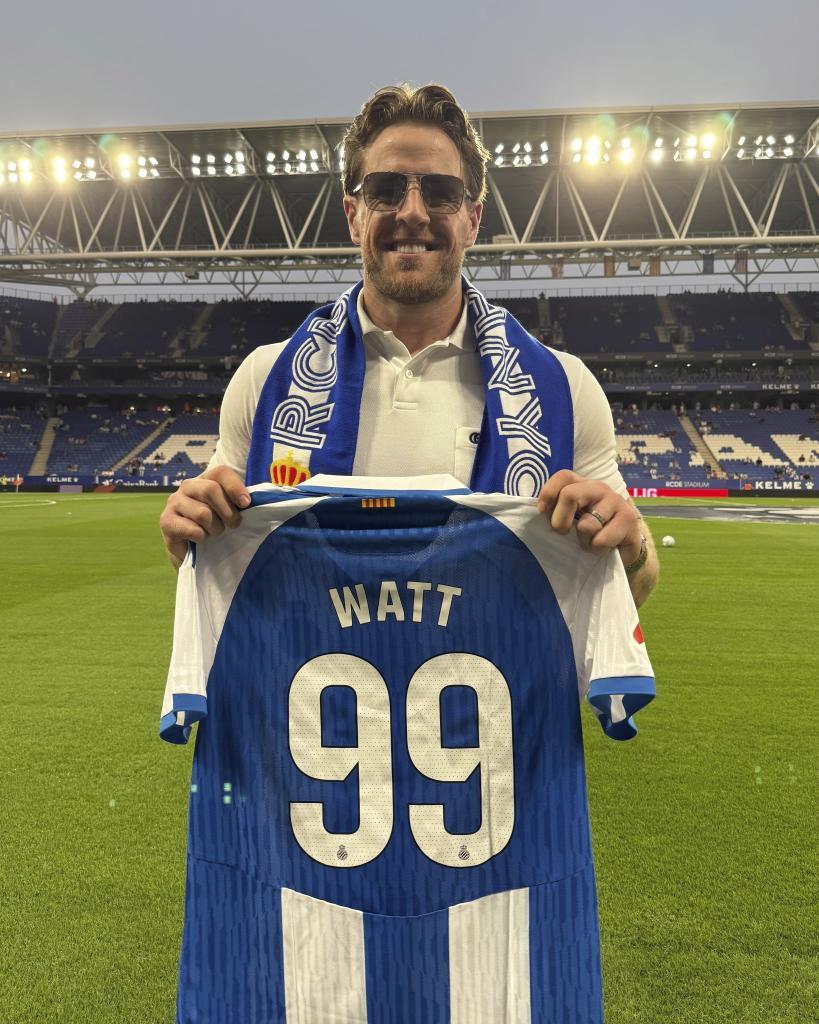
For athletes, investing in sports franchises is no longer merely about ego or legacy. It is a calculated move in brand strategy that aligns their personal narrative with established, historic organizations. When JJ Watt and his wife, Kealia Watt, invested in Burnley, they were not just purchasing a piece of a club; they were aligning themselves with a brand that carries deep cultural resonance in English football.
This move highlights a shift in corporate identity. By stepping into a boardroom role, Watt moves beyond the “athlete as an endorser” model and into the “athlete as a stakeholder” model. This elevates his personal brand from a commercial asset for third-party companies to a sophisticated business entity capable of navigating the complex financial ecosystems of professional sports leagues.
Leveraging Visibility for Global Marketing
The collaboration between a celebrity investor and a sports club creates a powerful marketing synergy. Burnley, a team based in Lancashire, England, often finds itself overshadowed by the massive media footprints of Premier League giants like Manchester City or Liverpool. By bringing in a globally recognized American figure like JJ Watt, the club immediately gains visibility in the North American market. This is a classic case study in brand expansion: using the existing affinity for a public figure to drive awareness for a specific product or service—in this case, the club’s identity and global merchandise sales.
The Business of Football: Understanding Ownership Structures
Understanding what JJ Watt owns requires a deep dive into the corporate structures governing modern English football. The acquisition of Burnley Football Club by ALK Capital, an American investment firm, paved the way for minority investors like Watt to participate in the club’s financial future. This specific arrangement is emblematic of the “New Wave” of sports ownership, which prioritizes data-driven decision-making and aggressive marketing strategies to enhance franchise value.
Capitalizing on the “English Football” Premium
The English Premier League (EPL) remains the most commercially successful sports league in the world, largely due to its unparalleled global broadcasting reach. Investing in an EPL club is effectively a bet on the continued global growth of the sport. For a brand strategist, the appeal is obvious: the barrier to entry is high, but the potential for long-term appreciation of the asset is significant.
When JJ Watt joins the ranks of owners, he is participating in the capitalization of “football heritage.” Burnley, having been founded in 1882, provides the brand with an authentic narrative that newer sports franchises simply cannot replicate. Watt’s role is not necessarily to manage the training sessions or set tactics, but to bolster the commercial side of the business—leveraging his marketing acumen to ensure the brand remains competitive in a cutthroat commercial environment.

Governance and Public Perception
One of the most delicate aspects of sports ownership is managing the relationship between the front office and the fanbase. In England, local supporters are notoriously skeptical of “tourist owners” or American investors who might not understand the cultural nuances of their team. Watt has navigated this through transparency and genuine, consistent outreach.
His brand strategy here is one of “authentic integration.” Rather than treating the club as a passive investment, he has utilized his social media platforms to showcase the reality of being a minority owner, often focusing on the community spirit that defines the town of Burnley. By doing so, he manages the corporate identity of the club in a way that respects the history of the supporters while simultaneously modernizing the club’s global image.
Strategic Brand Alignment: From Gridiron to Pitch
The transition from the NFL to the English Premier League is a unique case study in personal branding. JJ Watt’s persona has always been built on “hard work,” “grit,” and “integrity”—values that are easily transferable across borders. By selecting a working-class club like Burnley, which mirrors the blue-collar, industrial heritage of the town, Watt has ensured that his brand identity remains consistent regardless of the geography.
Crafting a Global Narrative
When JJ Watt discusses Burnley, he is effectively performing brand storytelling on an international scale. Every post, interview, and public appearance associated with the club acts as a marketing touchpoint that strengthens the connection between his personal brand and the club’s brand. This is a high-level branding strategy: building a feedback loop where the athlete’s reputation lifts the club’s profile, and the club’s prestige reflects back onto the athlete’s status as a serious business leader.
Beyond the Field: Creating Commercial Ecosystems
The partnership between Watt and Burnley extends into the broader commercial ecosystem. It involves stadium branding, merchandising, and the creation of digital content that attracts sponsors. In the 21st century, a soccer club is a media house. By positioning himself as a key figure within this media house, Watt is securing a place in the future of sports media. As digital streaming rights continue to evolve, having a stake in a club that plays at the highest level provides a seat at the table where the future of sports consumption is being decided.
The Future of Athlete-Led Investment Strategies
As we look toward the future, the JJ Watt-Burnley model is likely to become more common. High-net-worth athletes are increasingly seeking to move away from traditional endorsement deals and toward equity-based partnerships. This shift represents a maturation of the professional athlete as an investor.
Diversification and Long-term Equity
Athletes often have short professional careers with high income levels. The challenge lies in converting that income into long-term wealth. Ownership in sports clubs provides a diversified asset class that can appreciate significantly over time. For Watt, this isn’t just about owning a team; it is about building a portfolio of high-value assets that contribute to his long-term financial stability and global influence.
Scaling the Brand Globally
The final pillar of this strategy is scalability. By focusing on a club with a history of bouncing between leagues (the “yo-yo” effect that is unique to the English system), Watt is learning the intricacies of risk management in sports business. The resilience required to manage a club through relegation and promotion cycles is a masterclass in brand resilience. It teaches investors how to maintain value even when performance on the field wavers.
Ultimately, JJ Watt’s investment in Burnley is a masterclass in modern brand strategy. It proves that by choosing partners that align with personal values, leveraging global visibility to enhance market reach, and embracing the complexities of international sports governance, a brand can transcend the limits of a single sport or a single country. Watt has successfully repositioned himself from an American sports hero to an international business leader, proving that the most successful brand strategies are those that are built on a foundation of authentic passion and calculated, long-term equity investment.
aViewFromTheCave is a participant in the Amazon Services LLC Associates Program, an affiliate advertising program designed to provide a means for sites to earn advertising fees by advertising and linking to Amazon.com. Amazon, the Amazon logo, AmazonSupply, and the AmazonSupply logo are trademarks of Amazon.com, Inc. or its affiliates. As an Amazon Associate we earn affiliate commissions from qualifying purchases.