
The Financial Implications of Origami Paper Sizes for Entrepreneurs and Crafters
For anyone venturing into the world of creative entrepreneurship, especially within the niche market of handmade crafts like origami, understanding the foundational elements of your materials is not merely an artistic consideration—it’s a critical financial one. The seemingly simple question, “what size is origami paper?” unlocks a cascade of economic decisions that impact everything from material sourcing and cost control to pricing strategies and profitability. Every millimeter difference in paper dimensions can translate into significant variances in material expenditure, production efficiency, and ultimately, the financial viability of an origami-based business or side hustle.

Standard Sizes and Their Economic Significance
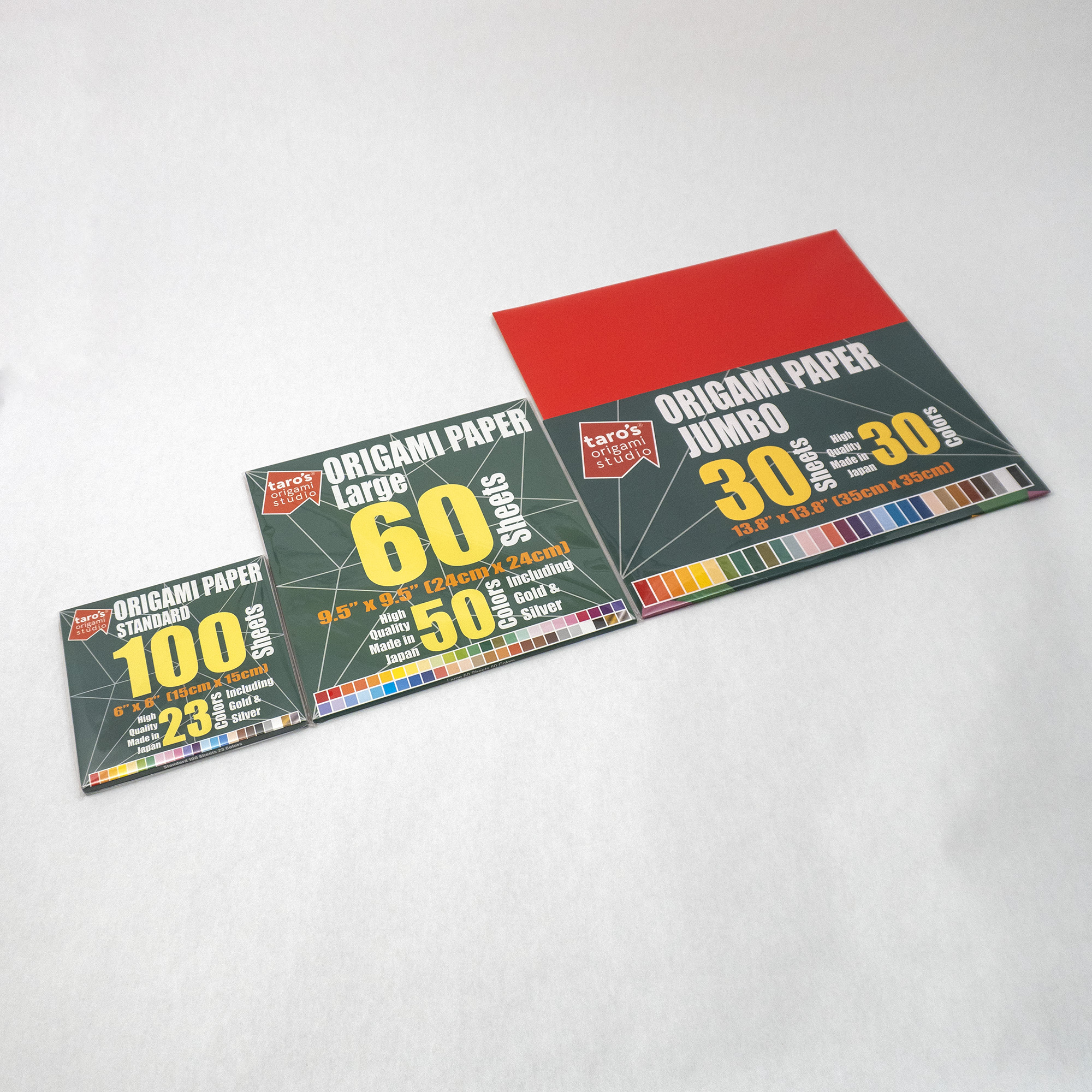
Origami paper comes in a variety of standard sizes, each carrying distinct financial implications. The most common square sizes include:
- 3 inches (7.5 cm): Often used for miniature models, jewelry components, or small decorative accents. Financially, these are generally inexpensive per sheet, but the labor involved in folding such small pieces can be intensive, raising the overall cost per finished item if labor is factored in.
- 6 inches (15 cm): This is the ubiquitous standard size, widely available and suitable for a vast array of common origami models. Its widespread availability often means competitive pricing from suppliers, making it a cost-effective choice for bulk purchases. It strikes a good balance between model detail and manageable folding.
- 10 inches (25 cm): Preferred for larger, more complex models or those intended as standalone decorative pieces. While more expensive per sheet than smaller options, the larger surface area allows for intricate folds and dramatic presence, potentially justifying a higher retail price for the finished product.
- 12 inches (30 cm) or larger: These sizes cater to grander projects, modular origami, or applications where significant visual impact is required. The cost per sheet increases substantially, but so does the potential for creating high-value, bespoke art pieces.
Beyond these standard squares, some origami artists utilize rectangular sheets, often derived from A-series paper (A4, A3) for specific proportional models, or even custom-cut large rolls for monumental installations. Each choice must be weighed against its cost implications, the yield of finished products, and the target market’s willingness to pay.
Cost-Benefit Analysis of Diverse Paper Dimensions
A strategic entrepreneur performs a detailed cost-benefit analysis for each paper size. For instance, creating 100 small origami cranes (e.g., for wedding favors) with 3-inch paper might initially seem cheaper than using 6-inch paper. However, the increased time and precision required to fold miniature pieces could drive up labor costs if you’re paying an artisan, or reduce your hourly income if it’s a solo venture. Conversely, using a larger 6-inch paper for the same cranes might simplify the folding process, reducing labor time and potentially lowering the overall cost per unit, despite a higher per-sheet paper cost. The optimal size isn’t always the cheapest per sheet but the one that offers the best balance of material cost, labor efficiency, and desired aesthetic outcome for the target price point.
Optimizing Material Costs: Smart Purchasing Strategies Based on Size
Managing raw material costs is paramount for profitability. For origami entrepreneurs, this means making intelligent purchasing decisions that consider not just the price per pack, but the underlying cost per usable sheet, waste factors, and long-term inventory needs.
Bulk Buying vs. Specialized Kits: A Price-Per-Sheet Perspective
The decision between buying large packs of single-color paper or diverse, smaller specialty kits significantly impacts your financial outlay. Bulk purchasing of standard 6-inch paper, for example, from wholesale suppliers or craft stores, almost invariably yields a lower price per sheet. This strategy is ideal for businesses with high volume sales of common models or for those who frequently use specific colors.
Specialized origami paper kits, often featuring unique patterns, textures, or limited color palettes, tend to have a higher price per sheet. While they offer distinct aesthetic advantages that can command premium pricing for finished products, their higher input cost requires careful consideration. An entrepreneur must assess whether the unique appeal of these papers justifies the increased material expense and if the market will bear the higher selling price. A smart approach might involve a hybrid model: using bulk paper for foundational stock and supplementing with specialized kits for unique, higher-margin pieces or custom orders.
Waste Reduction and Maximizing Yield
Understanding origami paper sizes also feeds directly into waste reduction—a critical aspect of cost control. When models require specific rectangular dimensions not readily available as pre-cut squares, purchasing larger sheets and custom-cutting them becomes an option. For example, if a project requires a 6×3 inch rectangle, buying 6×6 inch squares and cutting them in half minimizes waste compared to trying to fit that dimension into a larger, less efficient sheet.
Furthermore, some origami designs can be folded from the unused portions of larger sheets, effectively turning what would be waste into additional sellable inventory. An astute financial manager tracks material utilization rates. Are you consistently left with unusable scraps after cutting? Can you modify your designs or purchasing habits to maximize the yield from each sheet of paper? These small efficiencies, compounded over hundreds or thousands of products, lead to substantial savings.
Pricing Your Origami Creations: How Paper Size Influences Value
The financial journey of an origami business culminates in effective pricing. The chosen paper size acts as a foundational determinant of cost, which in turn informs your pricing strategy, perceived value, and market positioning.

Material Cost as a Cornerstone of Product Pricing
Any robust pricing model begins with understanding the direct cost of materials. For an origami piece, the cost of the paper itself is a primary component. Larger, higher-quality, or specialized papers naturally carry a higher material cost. This isn’t just about the purchase price; it includes any cutting, preparation, or sourcing costs. A common formula for setting a baseline price involves calculating material cost, adding labor cost (your time, valued hourly), and then applying a markup for overhead and profit.
For example, a delicate Kusudama flower made from 30 individual 3-inch paper units will have a different base material cost than a complex modular sculpture using 10 units of 10-inch paper, even if the final visual impact feels similar. Ignoring the nuances of paper size and quality in this calculation leads to either underpricing (losing money) or overpricing (losing sales).
Perceived Value and Market Positioning
Beyond direct cost, paper size profoundly influences the perceived value of an origami creation. Larger, more intricate pieces, especially those made from premium, unique, or ethically sourced papers, inherently convey a sense of grandeur and craftsmanship that justifies a higher price point. A small 3-inch crane might be perfect as a token gift or part of a bulk order, where individual unit cost is kept low. A meticulously folded dragon from a 12-inch sheet of high-quality Japanese Washi paper, however, positions itself as a luxury item or a piece of art suitable for galleries or bespoke commissions.
Entrepreneurs must align their paper size choices with their desired market position. Are you aiming for an affordable, high-volume market? Then standard, cost-effective paper sizes are key. Are you targeting a discerning clientele willing to pay a premium for unique artistry? Investing in larger, specialized, or custom papers becomes a strategic imperative. This careful calibration of material choice, cost, and perceived value is critical for establishing a sustainable and profitable brand.
Scaling Your Origami Business: Inventory, Logistics, and Financial Planning
As an origami venture grows, the financial complexities around paper size extend to inventory management, logistics, and long-term financial planning. Efficient handling of these elements is crucial for sustained growth and profitability.
Managing Inventory for Different Paper Sizes
A diverse product line often necessitates stocking various paper sizes and types. This introduces inventory management challenges. Holding too much stock of a particular size ties up capital and risks obsolescence; too little can lead to missed sales opportunities. Financial planning involves forecasting demand for specific paper sizes based on sales data and upcoming projects.
Implementing an inventory system, even a simple spreadsheet, to track quantities of each paper size, their cost, and reorder points is essential. This prevents overstocking expensive, slow-moving large paper sizes while ensuring a steady supply of popular standard sizes. Effective inventory management minimizes carrying costs (storage, insurance) and improves cash flow.
Shipping and Storage Considerations
The physical dimensions of origami paper also have logistical implications. Large sheets of paper require more storage space, potentially increasing overhead costs for studio or warehouse rent. Furthermore, shipping costs are often influenced by package dimensions and weight. Large, flat sheets of paper, particularly those needing protective packaging to prevent creasing, can incur higher shipping fees than small, compact bundles.
When planning to sell origami supplies or finished pieces online, understanding how different paper sizes affect shipping expenses is vital for accurate pricing and for offering competitive shipping rates to customers. Integrating these logistical costs into your financial models ensures that the true cost of bringing a product to market is accounted for, preventing profit erosion from unforeseen shipping surcharges.
Digital Tools and Financial Foresight in Origami Ventures
In the modern business landscape, leveraging technology can significantly enhance financial foresight and operational efficiency for origami entrepreneurs. Digital tools are not exclusive to tech giants; they are powerful allies for craft-based businesses too.
Leveraging Software for Cost Tracking and Project Management
Spreadsheets (Excel, Google Sheets) or dedicated small business accounting software (e.g., QuickBooks, Wave) can be invaluable for tracking material costs associated with different paper sizes. An entrepreneur can create detailed bills of materials for each origami product, noting the specific paper size, type, and cost per sheet. This allows for accurate per-unit cost calculation, essential for setting profitable prices. Project management tools can further integrate these costs, helping to track the financial progress of custom orders or larger production runs involving various paper dimensions. This level of financial detail moves an origami hobby from a pastime to a professional, profitable enterprise.
Forecasting Demand and Supply for Specific Paper Sizes
Advanced financial planning involves forecasting. By analyzing past sales data associated with particular origami models and, consequently, the paper sizes used, entrepreneurs can predict future demand. If a certain size of paper is consistently used in popular products, a financial forecast can project future purchasing needs. This allows for strategic bulk orders to secure better pricing, negotiate with suppliers, and avoid last-minute, expensive emergency purchases. Conversely, if demand for products using a specific large paper size dwindles, forecasting can prevent overstocking, freeing up capital that can be reinvested in more popular sizes or other growth initiatives. In essence, understanding “what size is origami paper” is not just about its physical dimensions, but about its profound impact on the financial health and strategic direction of your creative business.
aViewFromTheCave is a participant in the Amazon Services LLC Associates Program, an affiliate advertising program designed to provide a means for sites to earn advertising fees by advertising and linking to Amazon.com. Amazon, the Amazon logo, AmazonSupply, and the AmazonSupply logo are trademarks of Amazon.com, Inc. or its affiliates. As an Amazon Associate we earn affiliate commissions from qualifying purchases.