
In the intricate world of fashion, precision in sizing is not merely a matter of measurement; it is a cornerstone of brand identity, customer satisfaction, and market strategy. Among the myriad sizing categories, “petite” often carries a veil of ambiguity, frequently misunderstood as synonymous with “small” or “thin.” For fashion brands striving for relevance, inclusivity, and commercial success, a deep and accurate understanding of “what size is considered petite” is not just beneficial—it’s essential. This category represents a significant and loyal consumer base, and effectively serving them requires moving beyond superficial assumptions to embrace a nuanced appreciation of body proportions, design adjustments, and targeted branding.
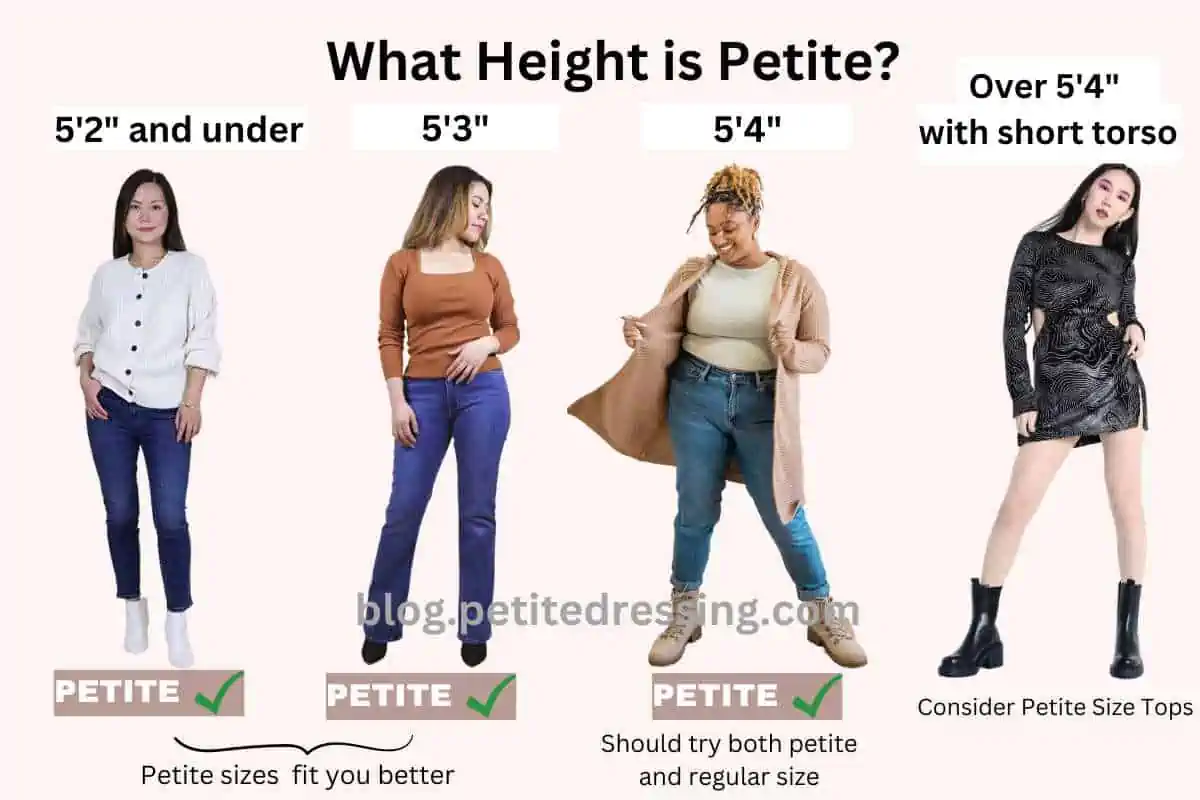
Deconstructing the “Petite” Definition: Beyond Just Height
The term “petite” in fashion refers to a specific body proportion, not a weight or dress size. While often associated with shorter individuals, its true essence lies in the scaled-down dimensions across various body segments. Brands that master this distinction unlock the key to impeccable fit and customer loyalty.
The Core Metric: Height
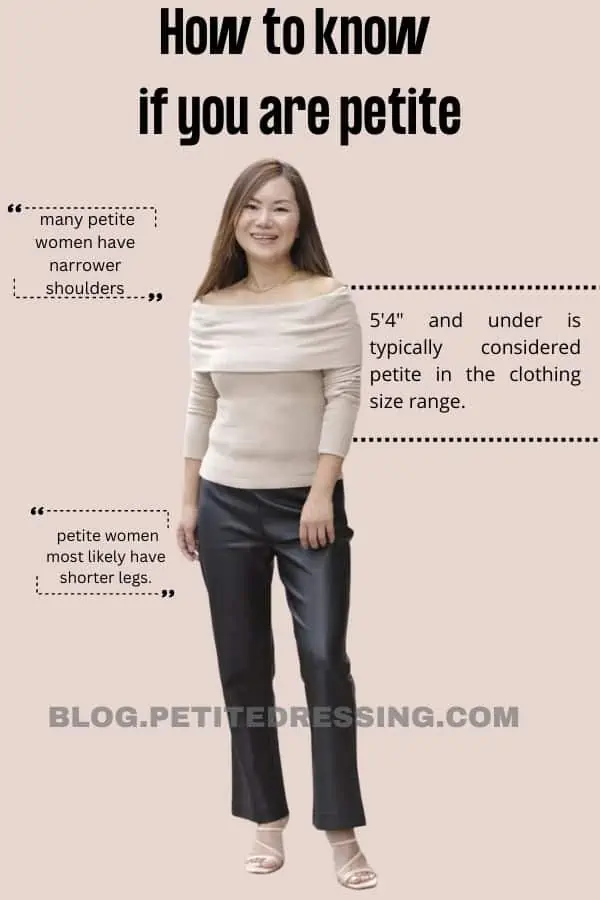
At its most fundamental, the widely accepted industry standard for petite sizing revolves around height. Generally, women who stand 5 feet 4 inches (163 cm) or shorter are considered petite. This benchmark is a starting point, signaling that garments need to be proportionally shorter in overall length. However, relying solely on this metric would be a significant oversight, missing the very essence of what makes a garment “petite.”
It’s important to note that this height guideline can vary slightly between brands and regions. Some European brands might use a slightly different cut-off, or specialized petite brands might fine-tune their parameters even further based on their specific demographic research. The key takeaway for brands is to establish and clearly communicate their own internal height standard for their petite lines, ensuring consistency.
Proportionality Matters: The True Essence of Petite
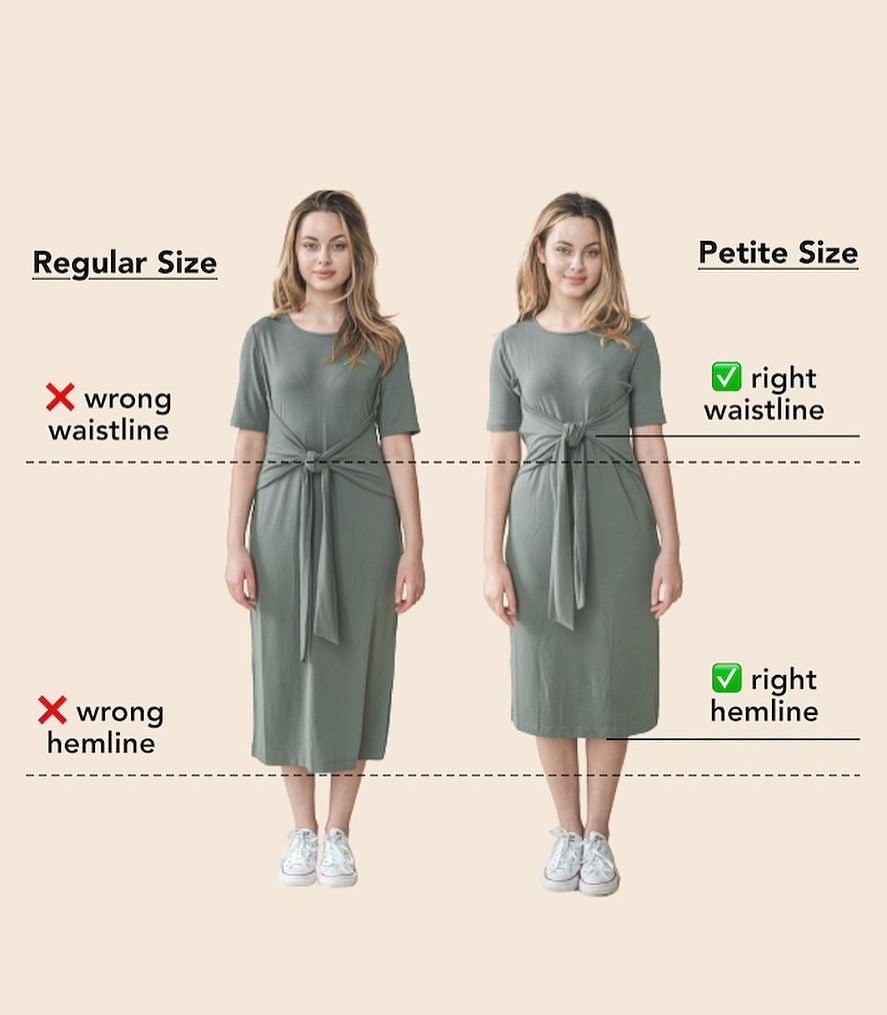
Where the definition truly gains depth is in its emphasis on proportionality. Petite isn’t merely about taking a standard-sized garment and chopping a few inches off the hem. Instead, it involves a complete re-grading of patterns to account for shorter torsos, shorter arm lengths, reduced rise measurements, and sometimes a different placement of waistlines or dart points.
Consider the following proportional adjustments critical for petite fit:
- Shorter Torso Lengths: This affects everything from blouses and jackets to dresses and swimsuits. A regular-sized top on a petite frame can result in armholes that gape, shoulders that fall off, or a hemline that hits at an unflattering point.
- Shorter Arm Lengths: Sleeves that bunch up or extend past the wrist are a common frustration for petite shoppers. Petite garments feature proportionally shorter sleeves to ensure a tailored look.
- Shorter Inseams and Rise: For pants, skirts, and jumpsuits, the inseam (length from crotch to hem) and the rise (length from crotch to waistband) are critical. A regular-rise pant on a petite woman might become a high-rise, or a regular-inseam pant will require significant hemming, often altering the intended silhouette.
- Adjusted Waist and Hip Placement: The natural waistline and hip curve may sit differently on a petite frame compared to a standard frame. Petite patterns account for these subtle shifts to ensure the garment sits correctly and flatters the body.
- Scaled-Down Details: Elements like pockets, lapels, collars, and embellishments also need to be scaled appropriately. Oversized details can overwhelm a petite frame, making the wearer appear smaller than they are.
This intricate attention to proportionality is why a petite woman, regardless of her dress size (be it a 00P or a 18P), will often find a better, more comfortable, and more flattering fit in a garment specifically designed for petite proportions than in a regular-sized item, even if it’s the “smallest” regular size available.
Dispelling Common Misconceptions
One of the greatest challenges in the petite market is overcoming ingrained misconceptions. For brands, actively dispelling these myths is crucial for effective communication and marketing.
- Myth: Petite means small or thin. This is perhaps the most pervasive misconception. Petite refers only to height and proportion, not to weight or overall size. A woman can be a size 0P (petite size 0) or a size 20P (petite size 20). The “P” simply indicates that the garment has been cut with petite proportions in mind.
- Myth: Petite means young. Age has no bearing on whether someone needs petite sizing. A woman in her 20s or her 70s can be petite.
- Myth: Petite women can just buy children’s clothes. While some very slender petite individuals might find some items in children’s wear, the fit and styling are rarely appropriate for an adult woman. Adult petite clothing is designed with an adult body shape, bust, and styling preferences in mind.
By educating consumers and internal teams, brands can foster a more accurate and inclusive understanding of what petite truly represents, strengthening their connection with this valuable demographic.
The Strategic Imperative: Why Brands Must Understand Petite Sizing
For any brand operating in the apparel sector, ignoring or poorly addressing the petite market segment is a missed opportunity. Strategic engagement with petite sizing offers significant advantages, from market penetration to brand reputation.
Market Opportunity and Customer Loyalty
The petite demographic is substantial. According to various market analyses, women 5’4″ and under constitute a significant percentage of the female population in many countries (e.g., over 50% in the U.S.). This represents a vast, often underserved, market segment hungry for well-fitting clothing. Brands that consistently deliver on petite fit experience exceptionally high customer loyalty. When a petite woman finds a brand that understands her unique sizing needs, she is likely to return repeatedly, trusting that the brand will continue to meet her requirements. This translates into repeat purchases, higher customer lifetime value, and powerful word-of-mouth referrals.
Enhanced Brand Reputation and Inclusivity
In today’s consumer landscape, inclusivity is not just a buzzword; it’s an expectation. Brands are increasingly judged by their commitment to serving diverse body types, ages, and backgrounds. Offering a comprehensive and thoughtfully designed petite collection signals a brand’s dedication to inclusivity and customer-centricity. It demonstrates an understanding that beauty and style are not confined to a single “standard” body type. This enhances a brand’s reputation as caring, modern, and attuned to the needs of its diverse customer base, distinguishing it from competitors who may only cater to a narrower segment.
Design and Production Challenges & Solutions
Catering to the petite market is not without its challenges, primarily in design and production. However, these challenges are surmountable with the right strategic approach.
- Challenges:
- Re-grading Patterns: Simply scaling down a regular pattern often distorts proportions. True petite design requires intricate re-grading, sometimes even entirely new patterns, to adjust all critical measurements proportionally. This demands specialized pattern makers and designers.
- Sourcing Appropriate Fabrics: Fabric drape and print scale can look different on smaller proportions. A bold print that works on a regular-sized garment might overwhelm a petite frame, requiring careful selection.
- Maintaining Aesthetic Appeal: The design intent of a garment must be preserved while adapting it for petite proportions. This requires a keen eye to ensure the final product looks intentional and stylish, not just “shrunk.”
- Inventory Management: Managing separate inventory for petite sizes alongside regular and potentially plus sizes adds complexity to warehousing and logistics.
- Solutions:
- Dedicated Design Teams: Investing in designers and pattern makers with expertise in petite sizing is crucial. These professionals understand the nuances of proportion and fit for smaller frames.
- Specialized Fit Models: Using actual petite fit models (not just smaller regular models) during the design and sampling process is non-negotiable. Their feedback is invaluable for perfecting the fit.
- Advanced CAD Systems: Computer-aided design (CAD) systems can assist in the complex re-grading process, allowing for more precise adjustments and faster iterations.
- Data-Driven Inventory: Utilizing sales data and predictive analytics to manage petite inventory effectively can minimize waste and maximize availability.
By proactively addressing these challenges, brands can establish a robust framework for successfully serving the petite market, turning potential hurdles into pathways for innovation and growth.
Crafting a Brand Identity for the Petite Market
Successfully engaging the petite market goes beyond just making clothes in the right size; it involves weaving petite-centric thinking into the very fabric of a brand’s identity, from product development to marketing communications.
Tailoring Product Lines
A key aspect of brand identity for the petite market is the strategic approach to product lines. Brands can choose to:
- Create Dedicated Petite Collections: Some brands launch entirely separate “petite” lines, allowing for distinct design aesthetics and marketing campaigns that speak directly to this audience. This can build strong recognition and loyalty within the petite community.
- Integrate Petite Options within Main Lines: Others offer petite versions of their best-selling or most popular styles within their regular collections. This approach provides inclusivity without creating entirely separate brand silos.
- Prioritize Critical Garments: Brands should identify items where petite sizing is most crucial. Dresses, jumpsuits, pants, blazers, and long-sleeved tops are often cited as the most problematic fits for petite women in standard sizing. Focusing on these categories first can yield significant returns. For example, a well-fitting petite blazer can be a game-changer for a professional woman.
Regardless of the approach, the emphasis must be on intentional design rather than mere modification. Every garment should be conceived with the petite body in mind, ensuring flattering lines and a comfortable, confident fit.
Marketing and Communication Strategies
How a brand communicates its commitment to petite sizing is as important as the clothing itself. Transparency and authenticity are key.
- Visuals that Represent: Marketing campaigns should feature petite models who accurately reflect the demographic. Showcasing clothing on diverse petite body types helps potential customers visualize how the garments will look and fit on them. Avoid using regular-height models who are simply styled to appear petite.
- Clear Messaging and Sizing Guides: Product descriptions must explicitly state if an item is petite and clearly explain what that means for the fit (e.g., “designed for women 5’4″ and under with shorter torsos and arm lengths”). Detailed sizing charts that include specific petite measurements (inseam, rise, sleeve length) are invaluable.
- Educational Content: Brands can become thought leaders by providing content that educates petite women on styling tips, how to measure themselves accurately, and the benefits of petite sizing. Blog posts, social media guides, and videos can build community and trust.
- Customer Testimonials: Featuring reviews and images from actual petite customers can be incredibly powerful social proof, demonstrating that the brand genuinely caters to their needs.
The Role of Fit Models and Customer Feedback
The ongoing refinement of petite sizing relies heavily on two critical elements:
- Professional Petite Fit Models: These individuals, who meet the brand’s specific petite height and proportional standards, are essential for evaluating garments during development. Their real-time feedback on comfort, movement, and aesthetic ensures the designs translate into well-fitting products. They are the human benchmark against which every petite garment should be measured.
- Active Customer Feedback Loops: Brands should actively solicit and listen to feedback from their petite customers. Online reviews, social media comments, direct surveys, and even focus groups can provide invaluable insights into what’s working, what’s not, and where there are opportunities for improvement or new product development. This iterative process of listening and responding builds a responsive brand that continuously evolves to meet customer needs.
The Evolving Landscape of Petite Fashion and Future Trends
The petite fashion market is dynamic, influenced by technological advancements, changing consumer values, and a growing demand for personalized experiences. Brands must stay abreast of these trends to maintain their competitive edge.
Personalization and Technology
The future of petite sizing may increasingly lean into personalization driven by technology.
- AI and Data Analytics: AI can analyze vast amounts of customer data, including purchase history, returns, and feedback, to refine petite sizing models and recommend personalized fits. This could lead to hyper-specific “micro-petite” categories or custom adjustments.
- Virtual Try-On and 3D Body Scanning: These technologies offer the potential for petite shoppers to see how garments will fit their unique proportions without physically trying them on, reducing returns and increasing satisfaction. Imagine a petite shopper scanning herself and seeing an accurate representation of a dress on her specific frame.
- Made-to-Measure and On-Demand Production: While currently niche, advancements in manufacturing could make made-to-measure petite clothing more accessible, offering perfect fits tailored to individual measurements.
Sustainability and Ethical Production in Petite Wear
As consumers become more conscious, the demand for sustainable and ethically produced clothing extends to the petite market. Brands offering petite lines face the challenge and opportunity of integrating eco-friendly materials, responsible manufacturing processes, and transparent supply chains. This demonstrates a holistic commitment to responsible branding that resonates with a growing segment of consumers who value both fit and planetary impact. Brands that can deliver sustainable petite options will differentiate themselves significantly.
Expanding Size Ranges within Petite
The “petite” category itself is experiencing a demand for greater diversity. The rise of “plus-size petite” (women who are 5’4″ and under and wear plus sizes) highlights the need for brands to understand that petite proportions are independent of dress size. Similarly, there’s a call for petite options across an even broader range of sizes, ensuring that all women who meet the height criteria can find well-fitting, stylish clothes. This ongoing expansion of sizing within sizing requires brands to be agile and truly inclusive in their design and manufacturing processes.
Conclusion
Understanding “what size is considered petite” is far more than a technical measurement; it is a strategic imperative for fashion brands aiming for sustained success, deep customer loyalty, and a reputation for inclusivity. By recognizing that petite refers to specific body proportions, not just height or weight, brands can design and market clothing that truly fits and flatters. This involves meticulous pattern adjustments, strategic product line development, authentic marketing communications, and an ongoing commitment to customer feedback.
As the fashion landscape continues to evolve, embracing technology, sustainability, and broader size inclusivity within the petite category will be key differentiators. Ultimately, brands that view petite sizing not as an afterthought but as an integral part of their core identity will not only capture a significant market share but also build enduring relationships with a discerning and often underserved customer base, proving that great style truly comes in all proportions.
aViewFromTheCave is a participant in the Amazon Services LLC Associates Program, an affiliate advertising program designed to provide a means for sites to earn advertising fees by advertising and linking to Amazon.com. Amazon, the Amazon logo, AmazonSupply, and the AmazonSupply logo are trademarks of Amazon.com, Inc. or its affiliates. As an Amazon Associate we earn affiliate commissions from qualifying purchases.