
The deceptively simple question, “What size is a women’s medium?” unravels a complex tapestry of brand strategy, consumer psychology, and market dynamics within the apparel industry. For brands, defining and communicating what constitutes a “medium” is far more than a technical measurement; it is a critical component of corporate identity, marketing effectiveness, and ultimately, customer loyalty. The lack of universal standardization means that a “medium” is not a fixed metric but rather a fluid concept, shaped by a brand’s specific design philosophy, target demographic, and market positioning. This variability poses both significant challenges and unique opportunities for brands to distinguish themselves in a crowded marketplace.
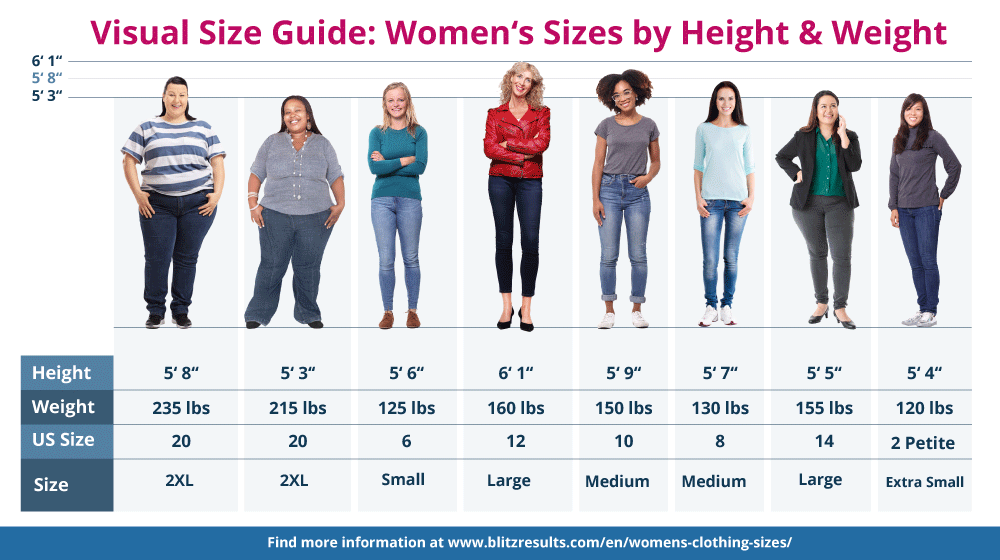
The Elusive “Medium”: A Brand’s Sizing Conundrum
The perception and reality of a “women’s medium” vary wildly from one brand to another, creating widespread confusion for consumers and a strategic headache for apparel companies. This inconsistency is not arbitrary; it’s a deliberate, albeit sometimes inherited, choice reflecting distinct brand identities and market approaches. The primary driver of this variability is the absence of a standardized, industry-wide sizing system. Unlike men’s apparel, which often relies on more concrete measurements like waist circumference and inseam length, women’s sizing frequently employs alphanumeric or descriptive labels (S, M, L, 0, 2, 4) that lack objective correlation across different manufacturers.
One significant factor contributing to this conundrum is “vanity sizing.” This practice involves assigning smaller size numbers to garments that technically measure larger, often to appeal to a consumer’s desire to fit into a “smaller” size. While seemingly a clever marketing ploy to boost self-esteem and encourage purchases, vanity sizing has led to a systematic inflation of sizes over decades. What was once a size 8 in the 1950s might now be labeled a size 0 or 2, demonstrating how brands strategically manipulate perceived size for psychological advantage. However, this tactic often backfires, eroding consumer trust and making online shopping particularly fraught with uncertainty, leading to higher return rates and logistical costs for brands.
Furthermore, brands must grapple with the immense diversity of female body shapes and proportions. A single “medium” cannot adequately flatter or fit every individual whose measurements might technically fall within its range. Brands targeting a younger, trend-conscious demographic might design for a more petite frame, while those focusing on a mature, comfort-oriented market may offer a more generous cut. This inherent challenge forces brands to make strategic decisions about their ideal fit model and the specific body type they intend to dress, effectively narrowing their target audience. The consequence is that what feels like a comfortable “medium” in one brand might be a restrictive “small” or an oversized “large” in another, compelling consumers to shop by trial and error rather than by a reliable size label.
Strategic Sizing: How Brands Define Their Fit Identity
In a landscape devoid of universal standards, a brand’s approach to sizing becomes a cornerstone of its corporate identity and market differentiation. Rather than passively adopting generic measurements, leading brands strategically define their fit identity, often making it a signature aspect of their appeal.
Developing the Brand’s “Block” and Fit Model
At the heart of a brand’s sizing strategy is its “block” or master pattern, which dictates the fundamental shape, proportions, and ease (the amount of room beyond body measurements) of its garments. This block is meticulously developed and refined, often based on extensive anthropometric data of the brand’s target demographic. Every garment then stems from this core block, ensuring a consistent fit aesthetic across the entire product line. Paired with the block is the selection of a fit model – a real person whose body measurements and proportions perfectly embody the brand’s ideal customer shape. This fit model is instrumental in garment development, providing real-world feedback on comfort, drape, and movement, thereby translating abstract measurements into tangible wearer experience. For a brand, investing in a robust block and a representative fit model ensures that their “medium” consistently delivers the desired silhouette and feel, reinforcing their distinct design signature.
Communication as a Marketing Imperative
Simply defining a size internally is insufficient; brands must effectively communicate their fit to consumers. This involves more than just a basic size chart. Progressive brands leverage detailed size guides, often including specific garment measurements (bust, waist, hip, length) in addition to body measurements. Visual aids, such as “how to measure” guides, further empower customers. The rise of e-commerce has amplified the need for innovative communication, leading to tools like virtual try-on features, customer reviews with fit feedback, and even AI-powered sizing recommendations that learn from previous purchases and preferences. From a marketing perspective, clear, transparent, and user-friendly sizing information not only aids purchase decisions but also builds trust and reduces anxiety, transforming a potential pain point into a positive brand interaction.
Impact on Brand Perception and Customer Loyalty
A consistent and thoughtfully designed sizing strategy significantly impacts brand perception and fosters customer loyalty. When a customer repeatedly finds that a “medium” from a particular brand fits them well, it creates a sense of reliability and comfort. This predictability minimizes the frustration of returns, saving both the customer and the brand valuable time and resources. More importantly, it cultivates an emotional connection; customers feel understood and catered to, fostering allegiance to a brand that “gets” their body type. Conversely, inconsistent sizing can severely damage a brand’s reputation, leading to customer churn and negative word-of-mouth. Brands that prioritize fit consistency demonstrate a commitment to quality and customer satisfaction, differentiating themselves from competitors and solidifying their position in the market.
Beyond the Label: The Psychological and Marketing Dimensions of Fit
The numerical or alphabetical label on a garment represents only a fraction of its true value. For brands, the concept of “fit” extends deeply into the psychological and marketing realms, influencing consumer perception, purchasing decisions, and brand advocacy.
The Emotional Connection of a Perfect Fit
A garment that fits well does more than just cover the body; it instills confidence, comfort, and a sense of self-assurance. For a woman, finding a “medium” that genuinely flatters her figure can be an empowering experience, transforming how she perceives herself and how she interacts with the world. Brands that consistently deliver this experience tap into a profound emotional connection, moving beyond mere transactional exchanges to foster genuine affinity. When a brand’s sizing allows customers to feel their best, it elevates the brand from a clothing provider to a lifestyle enhancer. This emotional resonance translates into powerful brand advocacy, as satisfied customers are more likely to share their positive experiences and become loyal patrons.
Marketing Through Authenticity and Inclusivity
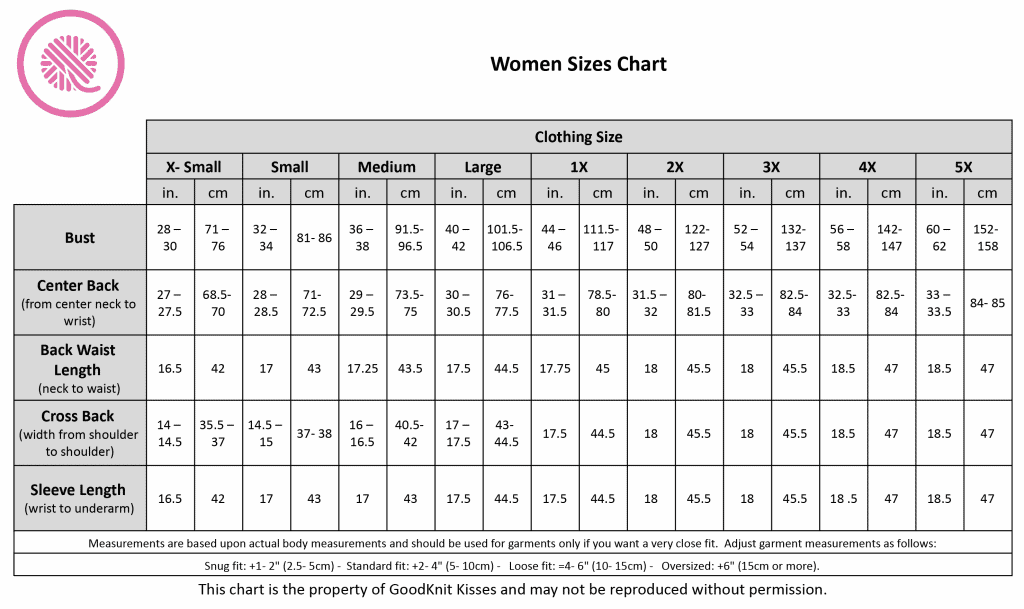
In a market increasingly valuing authenticity, brands are recognizing that marketing fit effectively goes beyond showcasing perfectly styled models. It involves embracing body diversity and demonstrating a commitment to inclusivity. This means featuring models of various sizes, shapes, and ethnicities, including those who truly represent the “medium” for different body types. Transparent product photography, showing garments on diverse body types and offering detailed descriptions of fit characteristics (e.g., “relaxed fit,” “bodycon,” “true to size”), helps manage customer expectations. Furthermore, brands can leverage user-generated content, encouraging customers to share photos of themselves in the clothing, providing a relatable and honest perspective on how a “medium” fits real people. This authentic approach not only broadens a brand’s appeal but also reinforces its values, resonating deeply with a modern consumer base that seeks genuine connection over idealized imagery.
The Strategic Value of Reduced Returns
From a practical marketing and operational standpoint, delivering consistent and accurate sizing significantly impacts a brand’s bottom line by reducing return rates. High return rates due to poor fit are a major drain on resources, incurring costs related to reverse logistics, reprocessing, and potential markdowns on returned items. Brands that master their sizing strategy and communicate it clearly experience lower return rates, which directly translates into improved profitability and operational efficiency. This allows them to allocate resources more effectively, perhaps investing further in product development or innovative marketing campaigns, ultimately strengthening their market position. Brands known for their reliable fit, therefore, gain a competitive edge not just in customer satisfaction but in financial performance.
Global Reach, Local Fit: Brand Sizing in a Diverse Marketplace
Expanding into international markets presents a unique set of challenges for brands when it comes to sizing. The concept of a “women’s medium” is further complicated by disparate regional sizing conventions and varying anthropometric data across different populations.
Navigating Disparate Sizing Standards
The reality for global brands is that a “medium” in the United States (often size 8-10) does not equate to a “medium” in the United Kingdom (size 12-14), or a European “medium” (typically size 40-42). Asian sizing, particularly for countries like Japan or Korea, often runs significantly smaller, meaning a local “large” might correspond to a Western “small” or “extra small.” This mosaic of standards necessitates a strategic approach from brands aiming for international success. Simply converting sizes numerically is often insufficient; brands must understand the underlying body measurements and cultural preferences associated with each region.
Strategies for Global Fit Consistency
Global brands employ several strategies to manage fit consistency while catering to local nuances. One common approach is to develop distinct size charts for each region, translating their core “block” measurements into the local sizing system and often adjusting for typical body proportions of that market. For instance, a brand might slightly alter sleeve lengths or torso proportions for specific markets based on regional anthropometric surveys. Another strategy involves introducing localized fit options, where certain product lines are specifically designed or adapted for a particular market. This might include offering petite or tall ranges in markets where there is a strong demand for them, or adapting fits to align with cultural preferences for modesty or silhouette. The goal is to maintain the brand’s core design aesthetic while ensuring the “medium” remains wearable and desirable across diverse geographies.
The Rise of Data-Driven Sizing for Global Customers
Technology and data analytics are increasingly vital tools for brands navigating global sizing complexities. By collecting and analyzing sales data, return rates, and customer feedback across different regions, brands can gain invaluable insights into how their “medium” performs in various markets. Machine learning algorithms can identify patterns in customer preferences and predict optimal sizing adjustments for specific demographics. Furthermore, partnerships with global sizing data providers allow brands to benchmark their “medium” against common body shapes in target regions, informing more accurate and consistent sizing decisions. This data-driven approach enables brands to move beyond broad generalizations, offering a more precise and tailored fit experience to a worldwide customer base, ultimately strengthening their global brand presence and minimizing the logistical headaches associated with ill-fitting garments.
The Future of Fit: Brand Innovation in an Evolving Landscape
The quest for the perfect “medium” is an ongoing journey, and brands are continuously innovating to meet evolving consumer expectations and leverage emerging technologies. The future of fit promises greater personalization, sustainability, and data-driven precision, all of which will further shape brand identity and competitive advantage.
Leveraging Data Analytics for Precision Fit
The era of big data offers unprecedented opportunities for brands to refine their sizing strategies. Beyond traditional anthropometric studies, brands are now analyzing vast datasets of customer measurements, purchase history, return reasons, and online reviews. This allows for the creation of highly sophisticated predictive models that can guide design decisions and inform more accurate sizing recommendations. For example, by understanding the nuanced differences in body shapes within their target demographic, brands can develop “mediums” that cater to a wider range of customers without sacrificing their signature fit. This data-driven precision reduces guesswork, improves customer satisfaction, and contributes directly to a more efficient and profitable operation by minimizing fit-related returns.
Customization and Made-to-Measure as a Brand Differentiator
As consumers increasingly demand uniqueness and a perfect fit, customization and made-to-measure services are emerging as powerful brand differentiators. While historically associated with luxury and bespoke tailoring, technological advancements are making these options more accessible. Brands are exploring 3D body scanning technologies, virtual fitting rooms, and AI-powered algorithms that can generate personalized patterns based on individual customer measurements. For a brand, offering a made-to-measure “medium” elevates its value proposition significantly, transforming it from a mass-market retailer into a provider of personalized experiences. This not only commands premium pricing but also fosters an unparalleled level of customer loyalty and advocacy, as the garment is literally crafted to their unique body.

Sustainability and Ethical Considerations in Sizing
The future of fit is also intertwined with broader sustainability and ethical considerations. Poor sizing contributes significantly to textile waste through returns and unsold inventory. Brands committed to sustainability are therefore incentivized to improve their fit accuracy, reducing the environmental footprint of their operations. This includes investing in durable, high-quality materials that maintain their shape and fit over time, promoting longevity. Moreover, ethical sizing extends to inclusivity, ensuring that brands offer a range of sizes that genuinely caters to diverse body types, rather than perpetuating unrealistic beauty standards. Brands that champion truly inclusive sizing and sustainable practices build a powerful reputation for social responsibility, resonating with a growing segment of environmentally and ethically conscious consumers. This strategic alignment of fit, sustainability, and ethics positions brands for long-term success and relevance in an ever-evolving market.
aViewFromTheCave is a participant in the Amazon Services LLC Associates Program, an affiliate advertising program designed to provide a means for sites to earn advertising fees by advertising and linking to Amazon.com. Amazon, the Amazon logo, AmazonSupply, and the AmazonSupply logo are trademarks of Amazon.com, Inc. or its affiliates. As an Amazon Associate we earn affiliate commissions from qualifying purchases.