
The seemingly straightforward query “what size is a women’s 7 in men’s” unravels a complex challenge for brands operating in the footwear industry. It’s a question that, when frequently posed by consumers, signals a potential gap in brand strategy, marketing communication, and product design. For brands, understanding and addressing this ambiguity is not merely a matter of providing a conversion chart; it’s fundamental to building trust, enhancing customer experience, and reinforcing brand equity.
Navigating the Nuances of Gendered Footwear Sizing for Brands
The historical evolution of footwear sizing has created a landscape ripe with inconsistencies, forcing consumers to seek clarification. For brands, this requires a strategic approach to both product development and communication.

The Historical Genesis of Discrepancy
Historically, shoe manufacturing and retail segmentation developed along gender lines, reflecting societal norms and distinct market demands. This led to the establishment of separate sizing scales that, while often sharing common measurement units (like inches or centimeters for foot length), applied different numerical sequences and inherent assumptions about foot dimensions. A women’s size 7, for example, is typically measured to be approximately 9 5/16 inches (23.7 cm) in foot length. The equivalent men’s size, based purely on this length, would be around a men’s 5.5 to 6. However, this simple conversion often overlooks crucial anatomical and design differences. This foundational discrepancy means that brands cannot simply publish a linear conversion; they must navigate a more nuanced reality to avoid customer frustration.
Beyond the Numbers: Anatomical and Functional Considerations
The challenge for brands extends beyond mere numerical conversion, delving into the actual biomechanics and aesthetics of footwear design. Men’s and women’s feet, on average, differ not just in length but also in width, arch height, heel-to-toe drop, and overall volume. Brands traditionally design women’s shoes with a narrower heel, a shallower instep, and often a different toe box shape than men’s shoes, even if the internal length measurement is theoretically the same.
For instance, a men’s shoe designed for a size 5.5 or 6 foot length will typically have a wider toe box and a larger overall volume to accommodate the average male foot. This means a woman attempting to wear a men’s equivalent based solely on length might find the shoe too wide, causing slippage and discomfort, or the arch support misaligned. Brands that fail to acknowledge and communicate these inherent design differences risk disappointing customers who expect a comfortable and functional fit from their products, regardless of the gendered labeling.
The Commercial Imperative for Clear Sizing
From a brand perspective, the clarity of sizing is not just a convenience; it’s a commercial imperative. Ill-fitting shoes are a leading cause of product returns, which incur significant operational costs for brands, including reverse logistics, restocking, and potential inventory damage. Beyond the direct financial impact, frequent returns erode profit margins and contribute to a negative environmental footprint, undermining any brand’s sustainability initiatives. More critically, repeated sizing issues can severely damage a brand’s reputation and customer loyalty. When consumers struggle to find their correct size, they lose confidence in the brand’s ability to deliver a reliable product, leading to decreased repeat purchases and negative word-of-mouth. Therefore, investing in comprehensive sizing guides and transparent communication is a strategic imperative that directly impacts a brand’s financial health and market standing.
Strategic Communication and Marketing in a Complex Sizing Landscape
To mitigate the confusion around sizing, brands must deploy robust communication and marketing strategies that educate consumers and simplify the purchasing decision.
The Role of Brand Websites and Product Pages
A brand’s website and individual product pages serve as critical touchpoints for conveying sizing information. Effective brands go beyond generic charts, offering comprehensive guides that detail not only numerical conversions but also explain the typical differences in fit between gendered styles. This includes offering printable foot measuring guides, clear instructions on how to measure one’s foot, and visual aids that illustrate foot width versus length. Some brands adopt interactive size finders that ask questions about a customer’s usual size in other brands or provide a recommendation based on gender and general shoe type. The user experience (UX) and user interface (UI) of these tools are paramount; they must be intuitive, easily accessible, and provide immediate, actionable information to prevent customer abandonment and ensure a confident purchase.
Leveraging Digital Tools and AI for Personalized Fit Recommendations
Forward-thinking brands are increasingly leveraging technology to demystify sizing. Digital tools, such as augmented reality (AR) apps that allow customers to scan their feet using a smartphone, provide precise measurements. Artificial intelligence (AI) algorithms can then cross-reference these measurements with a brand’s specific shoe lasts and historical return data to offer highly personalized size recommendations. Some brands are even experimenting with virtual try-on features. These innovations move beyond static charts, offering a dynamic and tailored approach to sizing that significantly enhances the customer journey. By embracing such technologies, brands differentiate themselves, reduce sizing uncertainty, and elevate their brand as modern and customer-centric.
The Power of Customer Service and In-Store Experience
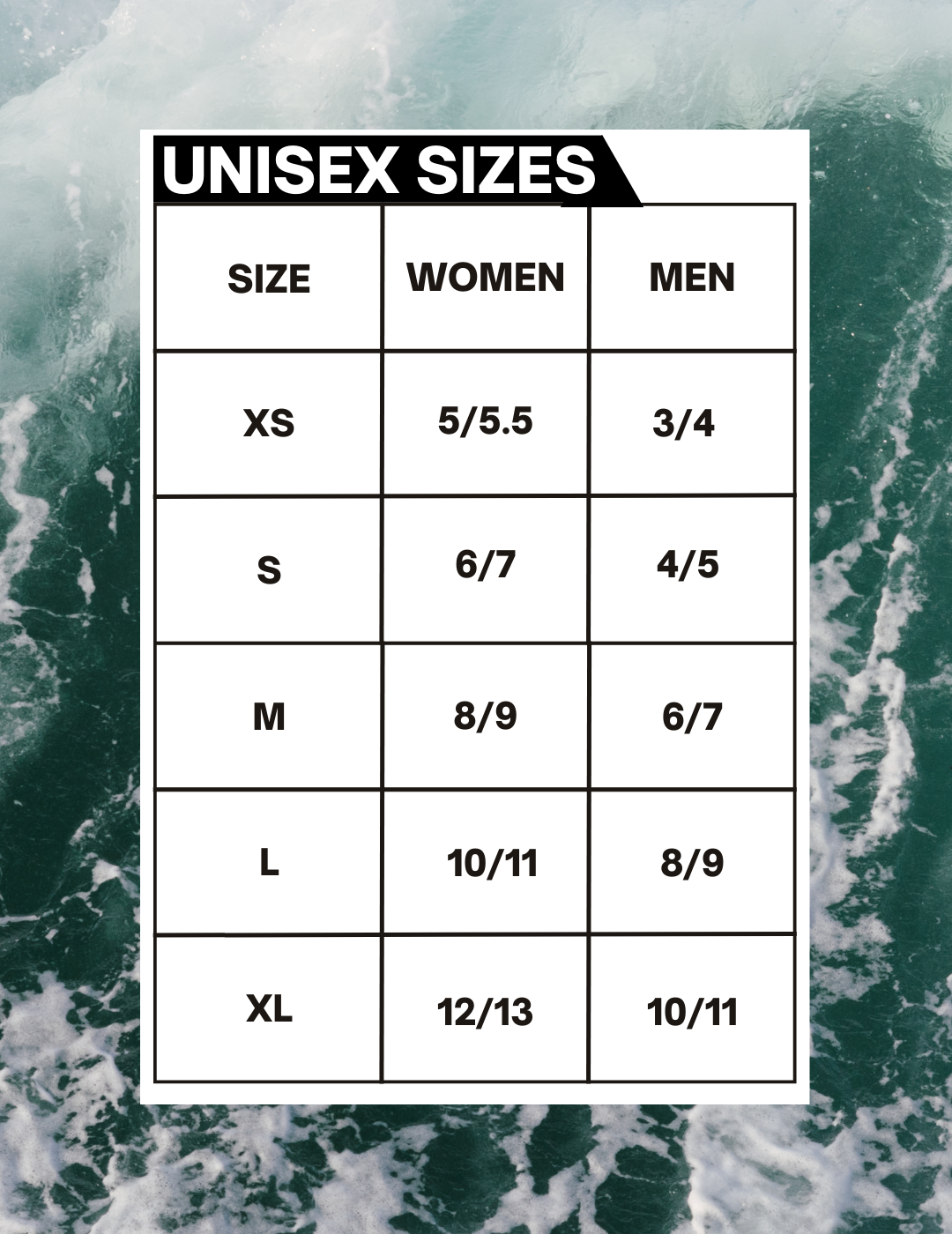
While digital tools are powerful, the human element remains invaluable. Well-trained customer service representatives, both online and in brick-and-mortar stores, are essential brand ambassadors who can expertly guide consumers through sizing queries. In-store, staff can utilize traditional tools like Brannock devices, but also apply their product knowledge to recommend appropriate sizes and styles based on a customer’s specific foot shape and preferences. This personalized interaction builds rapport and trust, reinforcing the brand’s commitment to customer satisfaction. For brands, the consistency of sizing information across all touchpoints – website, app, customer service, and physical stores – is vital for maintaining a cohesive and reliable brand identity.
The Tangible Impact of Sizing Inconsistency on Brand Equity
The consequences of poor sizing communication extend far beyond operational inefficiencies, directly impacting a brand’s equity and long-term viability.
Erosion of Trust and Customer Loyalty
When customers consistently receive ill-fitting shoes due to confusing or inaccurate sizing information, their trust in the brand erodes. This often leads to feelings of frustration and disappointment, undermining the positive emotional connection that brands strive to build. A brand’s promise of quality and comfort is compromised, leading to a significant drop in customer loyalty. In a competitive market, a single negative sizing experience can be enough for a customer to switch to a competitor, proving that consistent fit is as crucial as product aesthetics or material quality in retaining a customer base.
Operational Costs and Sustainability Concerns
The financial burden of sizing inconsistency is substantial. High return rates mean increased shipping costs, processing fees, and labor for handling returns. Furthermore, returned merchandise may not always be in a sellable condition, leading to waste and potential losses. This cycle of purchase-return not only impacts a brand’s bottom line but also contributes to a larger carbon footprint, directly conflicting with the growing consumer demand for sustainable practices. Brands aiming to project an image of environmental responsibility must address sizing accuracy as part of their broader sustainability strategy.
Negative Word-of-Mouth and Online Reviews
In the age of social media and online reviews, customer experiences are amplified. A poor sizing experience can quickly translate into negative online feedback, damaging a brand’s reputation and deterring potential new customers. Consumers often seek out reviews specifically pertaining to sizing before making a purchase. A proliferation of comments about shoes running “too big” or “too small,” or the difficulty of converting between sizes, can significantly impair a brand’s perceived reliability and quality, making it harder to attract new segments of the market.
Evolving Brand Strategies: Towards Inclusive and Intuitive Sizing
The future of brand strategy in footwear demands a shift towards more inclusive, data-driven, and intuitive sizing solutions that anticipate consumer needs.
Gender-Neutral Product Lines and Universal Sizing
Some innovative brands are moving beyond traditional gendered sizing altogether, introducing gender-neutral or unisex product lines. This approach often involves creating shoes with more accommodating fits that cater to a wider range of foot shapes, accompanied by a single, comprehensive sizing chart that applies to all customers. This strategy not only simplifies the purchasing process but also aligns with contemporary values of inclusivity and non-binary fashion, allowing brands to resonate with a broader, more diverse audience. It’s a strategic design choice that reflects evolving brand identity.
The Future of Sizing: Data-Driven Design and Iteration
Successful brands are increasingly leveraging big data gleaned from sales, returns, customer feedback, and even digital foot scans to continuously refine their sizing models. By analyzing patterns in fitting issues, they can identify common discrepancies and make data-informed adjustments to their shoe lasts and design specifications. This iterative design process allows brands to progressively improve the accuracy and consistency of their sizing across their entire product range, ensuring a better fit for a larger percentage of their customer base. This continuous improvement reinforces a brand’s commitment to quality and customer satisfaction, evolving its corporate identity as responsive and adaptive.

Communicating Value Through Fit
Ultimately, a brand that consistently delivers a superior fit communicates immense value to its customers. Beyond aesthetics, materials, or features, the comfort and functionality of a shoe are paramount to the wearer’s experience. When a brand simplifies the sizing process and consistently provides shoes that fit well, it builds a powerful competitive advantage. This commitment to fit becomes an integral part of the brand’s identity and its promise to the consumer – a promise of not just a product, but a comfortable, reliable experience that enhances their daily life.
aViewFromTheCave is a participant in the Amazon Services LLC Associates Program, an affiliate advertising program designed to provide a means for sites to earn advertising fees by advertising and linking to Amazon.com. Amazon, the Amazon logo, AmazonSupply, and the AmazonSupply logo are trademarks of Amazon.com, Inc. or its affiliates. As an Amazon Associate we earn affiliate commissions from qualifying purchases.