
The seemingly straightforward question, “What size is a 27 in women?”, unlocks a complex narrative about brand strategy, design philosophy, and customer engagement in the fashion industry. For consumers, it’s a search for clarity; for brands, it’s a profound challenge that shapes identity, influences purchasing decisions, and impacts the bottom line. Understanding the nuances of a ’27’ means delving into the strategic decisions brands make when defining and communicating their sizing, and the broader implications for their market position and customer relationships.
The Elusive ’27’: A Brand’s Sizing Conundrum
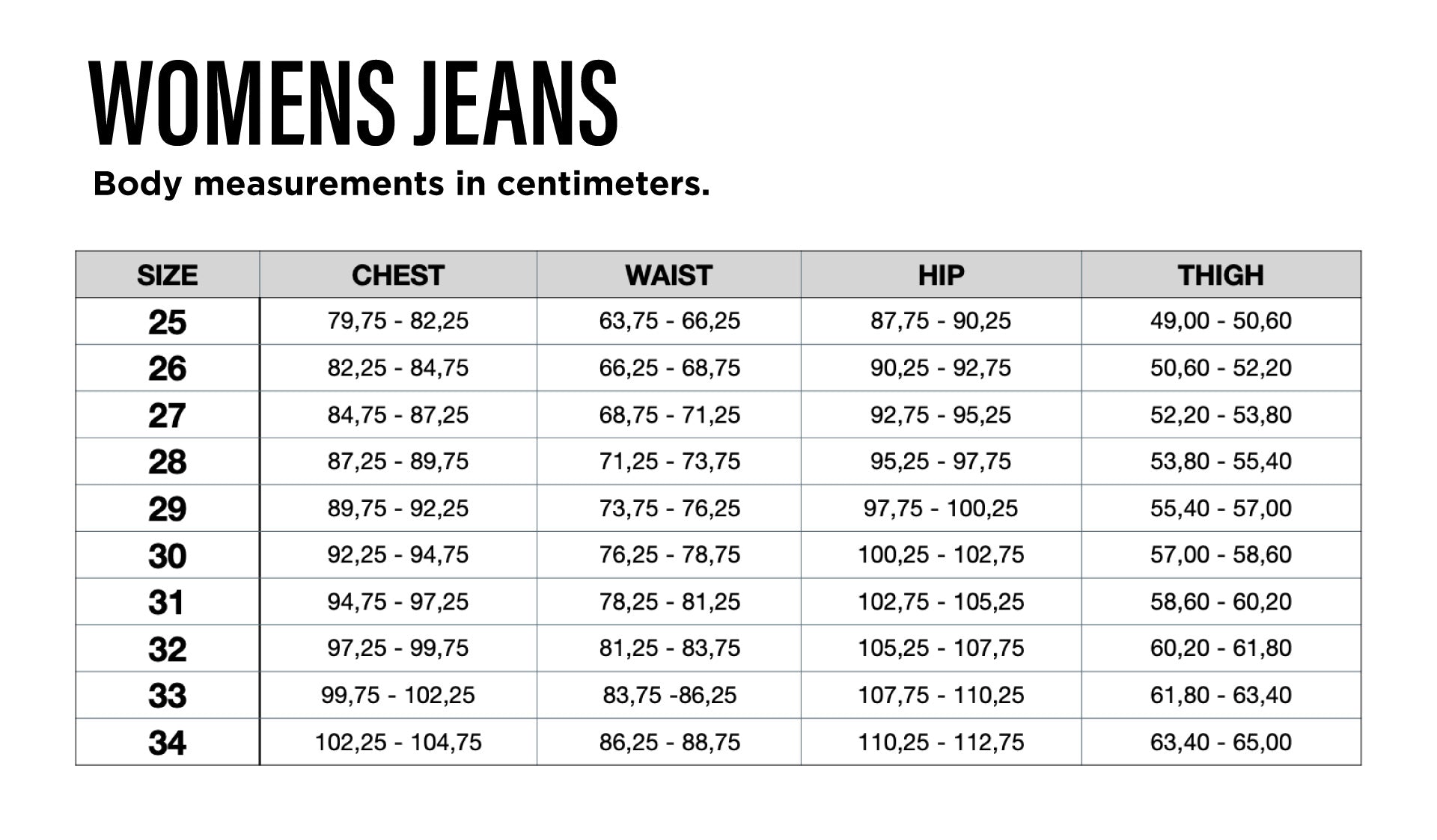
At its core, a numerical size like ’27’ typically refers to a waist measurement in inches. However, the simplicity ends there. Unlike universal metrics, women’s apparel sizing, particularly for bottoms like jeans and trousers, is subject to significant variation between brands. This inconsistency is not merely an oversight; it’s often a deliberate, albeit sometimes frustrating, outcome of distinct brand strategies.
The Numerical Myth: Why ’27’ Isn’t Universal
For a brand, assigning a size ’27’ is more than just measuring a garment’s waistband. It involves a holistic approach to fit, considering rise, hip circumference, thigh width, and overall garment drape. A premium denim brand might design its ’27’ to fit a slightly more athletic build, incorporating stretch and a specific inseam, while a fast-fashion brand might cut its ’27’ for a different body type, prioritizing cost-effective pattern making. These design choices directly influence what actual body measurements correspond to the label ’27’. The result is a landscape where a ’27’ in one brand could comfortably be a ’26’ or ’28’ in another, leaving consumers perpetually guessing. From a brand perspective, this creates both a challenge and an opportunity to differentiate through fit.
Decoding the Waist Measurement: A Common Denominator
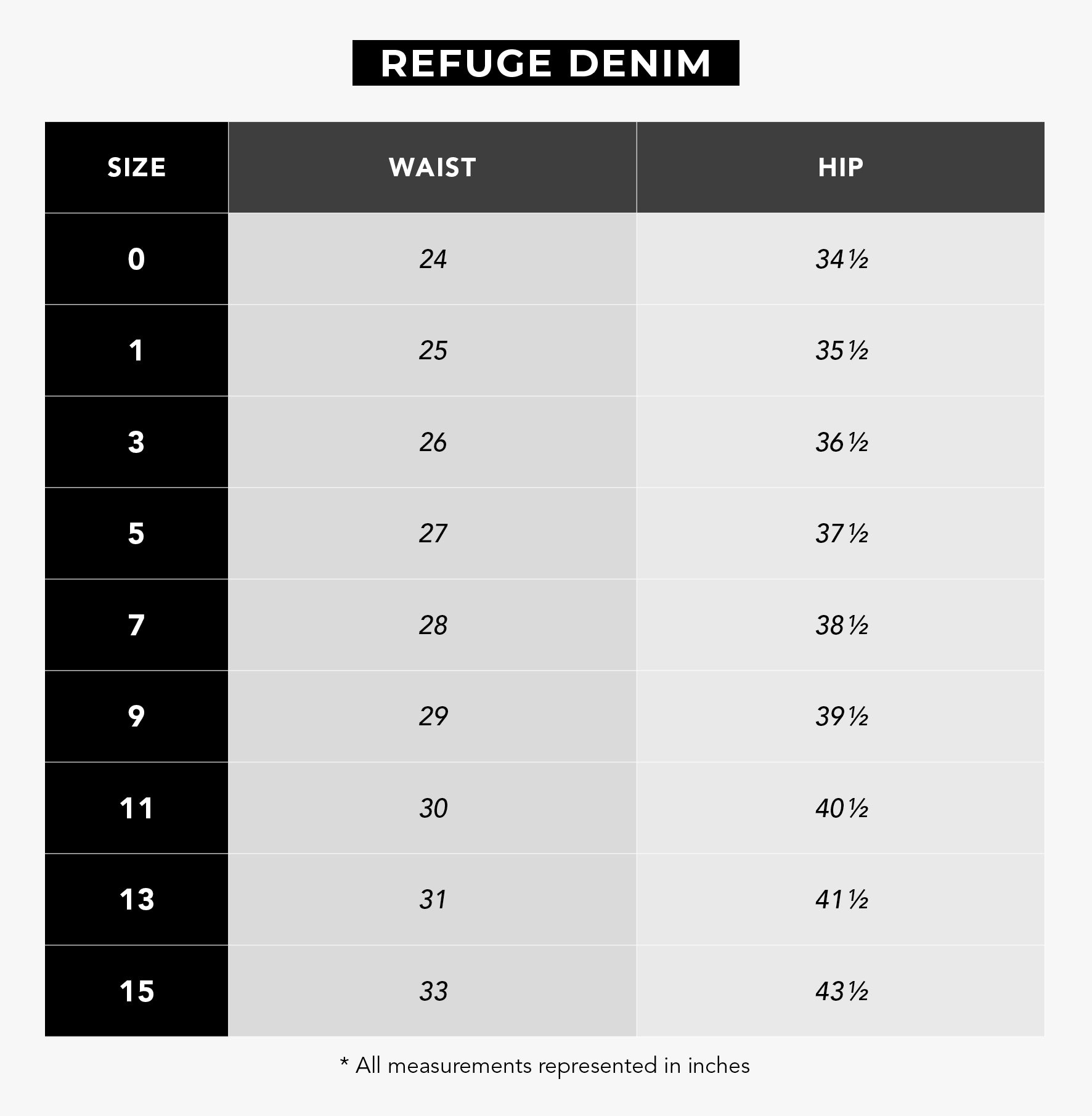
Despite the variability, the numerical sizing in women’s denim and bottoms often originates from a waist measurement. A size ’27’ generally targets a natural waist or lower waist circumference of approximately 27 inches. However, this isn’t always the actual measurement of the garment itself. Many brands employ “vanity sizing,” where the labeled size is numerically smaller than the garment’s actual measurements, appealing to consumer psychology. For instance, a pair of jeans labeled ’27’ might measure closer to 28 or 29 inches at the waist when laid flat. Brands must decide how transparent they want to be about these actual measurements, balancing marketing appeal with practical fit information. High-end brands sometimes provide detailed garment measurements alongside body measurements, fostering greater trust and reducing return rates stemming from sizing issues.
Brand Identity Through Sizing: Strategy and Perception
Sizing is not just a practical concern; it’s a critical component of a brand’s identity and market perception. The way a brand approaches sizing can communicate its values, target audience, and commitment to inclusivity or exclusivity.
Vanity Sizing: A Double-Edged Sword for Brands
Vanity sizing, the practice of labeling garments with smaller sizes than their actual measurements, is a pervasive strategy in the fashion industry. For brands, the immediate benefit is psychological: consumers often feel better about fitting into a smaller size, which can boost sales and perceived satisfaction. However, this strategy carries significant risks. Inconsistent vanity sizing across a brand’s own product lines or against competitors can lead to confusion, frustration, and ultimately, a breakdown of customer trust. If a customer consistently finds their ‘usual’ size doesn’t fit, they are less likely to return. For new brands, deciding whether to adopt vanity sizing, match industry norms, or offer true-to-measure sizing is a critical strategic choice that influences their initial market positioning and customer expectations.
Inclusivity and Consistency: Cornerstones of Brand Trust
In today’s market, inclusivity is increasingly central to brand success. This extends beyond offering a wide range of sizes; it also encompasses the consistency and accuracy of those sizes. Brands that prioritize consistent sizing across their collections and communicate clearly how their sizes relate to body measurements tend to build stronger customer loyalty. When a customer knows their ’27’ will fit them reliably across different styles from the same brand, it simplifies their shopping experience and reinforces trust. Conversely, brands known for wildly inconsistent sizing often face higher return rates, negative reviews, and a diminished reputation. A consistent sizing strategy is a powerful non-verbal declaration of a brand’s commitment to its diverse customer base and their shopping convenience.
Design and Marketing: Communicating the Fit Experience
The journey of a size ’27’ from design concept to customer purchase involves intricate coordination between a brand’s design and marketing teams. Their combined efforts determine not only how a garment fits but also how that fit is perceived and communicated.
From Pattern to Product: The Design Team’s Role

The genesis of any size, including a ’27’, lies with the design and technical design teams. They develop the brand’s unique size charts, often based on specific fit models chosen to represent the brand’s ideal customer body type. Every curve, seam, and proportion is meticulously planned to achieve a signature fit. For a size ’27’ jean, this means deciding on the waist-to-hip ratio, the amount of room in the thigh, and the overall drape of the fabric. These decisions are crucial in defining a brand’s aesthetic and how its garments conform to the body. A brand known for its “perfect fit” invests heavily in this stage, iterating on patterns and conducting extensive fit testing to ensure that its ’27’ (and all other sizes) truly embodies its design philosophy.
Marketing Sizing: Beyond the Label
Once the design is finalized, the marketing challenge begins: how to effectively communicate the intricacies of sizing to the customer. Simply stating “size 27” is rarely sufficient. Successful brands employ various strategies:
- Detailed Size Guides: Offering comprehensive charts that cross-reference numerical sizes with actual body measurements (waist, hip, inseam) and sometimes even garment measurements.
- Fit Descriptions: Providing qualitative descriptions of the fit, e.g., “slim fit,” “relaxed fit,” “high-rise,” “runs true to size.”
- Model Information: Stating the height and size worn by models in product photography, allowing customers to visualize the fit on a similar body type.
- Customer Reviews and Q&A: Leveraging user-generated content for insights on how sizing runs, creating a community-driven resource.
- Virtual Try-On and Size Finders: While belonging to the tech realm, brands strategically deploy these tools to enhance the customer’s confidence in selecting the right size, minimizing guesswork.
Effective sizing communication builds confidence, reduces purchase anxiety, and ultimately, enhances the brand experience.
Customer Loyalty and Return Rates: The Bottom Line for Brands
The impact of sizing on customer loyalty and a brand’s financial health cannot be overstated. A reliable sizing strategy can be a powerful engine for repeat business, while inconsistencies can erode trust and inflate operational costs.
The Cost of Inconsistent Sizing
High return rates due to sizing issues are a significant drain on brand resources. They incur costs related to shipping, processing, restocking, and potential markdowns on returned items. Beyond the direct financial impact, frequent returns signal customer dissatisfaction and can lead to negative brand perception. For a brand, a poorly defined or communicated ’27’ means a customer might order multiple sizes, intending to return those that don’t fit, a practice known as “bracketing.” While this might initially seem to boost sales, it ultimately harms profitability and customer experience. Brands that invest in accurate and consistent sizing see a direct return on investment through reduced returns and increased customer lifetime value.
Leveraging Customer Feedback for a Better Brand Fit
Brands can transform sizing challenges into opportunities for growth by actively soliciting and analyzing customer feedback. Reviews, direct messages, and return reasons provide invaluable data points. If multiple customers consistently report that a ’27’ runs small or large in a particular style, it’s a clear signal for the design and technical teams to revisit their patterns and size specifications. Brands that demonstrate responsiveness to this feedback, adjusting their sizing or improving their communication, show a commitment to customer satisfaction that strengthens loyalty. This iterative process of listening, analyzing, and adapting is crucial for maintaining a relevant and trusted brand in a dynamic market.
Building a Resilient Sizing Strategy for Your Brand
For any brand, from emerging startups to established giants, a thoughtful and resilient sizing strategy is not just about measurements; it’s about building enduring customer relationships and a strong market presence.
Transparent Size Guides
The foundation of a good sizing strategy is transparency. Provide clear, accurate, and easy-to-understand size guides. Beyond just waist measurements for a ’27’, include hip, inseam, and rise for bottoms. Consider adding a “how to measure yourself” guide. This empowers customers with the information they need to make informed decisions, reducing guesswork and increasing satisfaction.
Engaging Customer Feedback
Create accessible channels for customer feedback regarding fit and sizing. Actively monitor reviews, social media comments, and customer service inquiries. Use this data to identify patterns, address common concerns, and continuously refine your sizing charts and product specifications. This proactive approach not only improves product quality but also demonstrates a brand’s commitment to its community.
Embracing a Consistent Fit Philosophy
Ultimately, a brand must define its unique fit philosophy. Does it aim for true-to-size, a slightly more relaxed fit, or a tailored silhouette? Once established, this philosophy must be consistently applied across all collections. For a ’27’ or any other size, consistency builds a predictable and reliable experience, turning first-time buyers into loyal advocates. By treating sizing as a strategic pillar rather than a mere technicality, brands can differentiate themselves, foster trust, and cultivate a lasting connection with their customers.
aViewFromTheCave is a participant in the Amazon Services LLC Associates Program, an affiliate advertising program designed to provide a means for sites to earn advertising fees by advertising and linking to Amazon.com. Amazon, the Amazon logo, AmazonSupply, and the AmazonSupply logo are trademarks of Amazon.com, Inc. or its affiliates. As an Amazon Associate we earn affiliate commissions from qualifying purchases.