
The seemingly straightforward question, “what size in men’s is a women’s 8,” unravels a complex tapestry of brand strategy, consumer psychology, and the fundamental challenge of communicating product fit. For brands operating in the apparel and footwear sectors, sizing is not merely a technical specification; it is a critical component of their corporate identity, a driver of customer satisfaction, and a significant factor in supply chain efficiency and profitability. Understanding and effectively managing gendered sizing conventions is paramount for brands aiming to foster loyalty, reduce returns, and project an image of inclusivity and consumer understanding.

The Complex Landscape of Gendered Sizing in Apparel and Footwear
The historical evolution of sizing has resulted in distinct, often inconsistent, measurement systems for men’s and women’s products. This dichotomy presents a persistent challenge for brands attempting to cater to a diverse consumer base, especially as gender norms evolve and preferences for gender-neutral styles grow.
Historical Roots and Evolving Norms
Historically, sizing systems developed largely independently for men’s and women’s clothing and footwear, often reflecting different societal roles, body types, and manufacturing techniques. Men’s sizing typically focused on more objective measurements like waist, inseam, and chest, while women’s sizing often incorporated subjective “vanity sizing” and varying proportional assumptions. This divergence created two parallel universes of fit, each with its own internal logic—or lack thereof, from a cross-gender perspective.
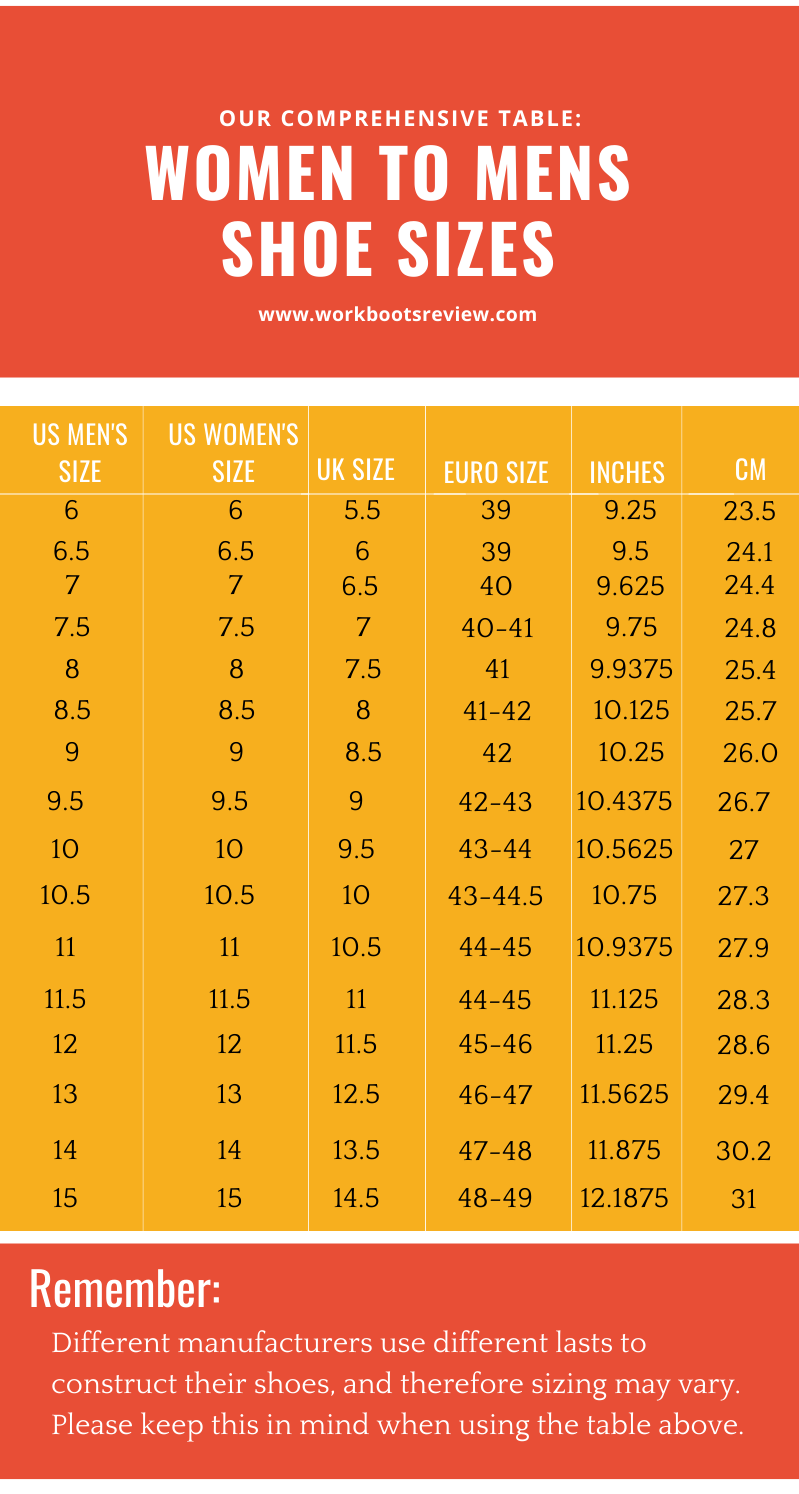
For footwear, the distinction is particularly pronounced. A women’s size 8 is a common reference point, often representing a foot length around 9.6875 to 9.875 inches (24.6 to 25.1 cm). To translate this into a men’s size, brands typically employ a conversion factor, most commonly subtracting 1.5 sizes. Thus, a women’s 8 would generally correspond to a men’s 6.5. However, this conversion is rarely absolute. Factors like shoe width, toe box shape, and overall shoe last design can introduce significant variations between brands and even within different styles from the same brand. This inherent variability underscores the critical role of brand-specific sizing guidance.
The Discrepancy in Measurement Systems
Beyond the numerical conversions, brands contend with inherent physiological differences and the stylistic nuances associated with gendered designs. Women’s footwear and apparel often feature different proportions, such as narrower heels and wider forefeet in some shoe styles, or different hip-to-waist ratios in clothing. These design considerations mean that a simple numerical conversion might not always guarantee an optimal fit, even if the foot or body length is equivalent.
For brands, this necessitates a strategic approach to product development. Do they design truly unisex items that strive for a universal fit, or do they continue to develop gender-specific lines with precise, albeit distinct, sizing charts? The decision impacts everything from manufacturing processes and inventory management to marketing campaigns and brand messaging. A brand that successfully navigates these discrepancies can build a reputation for superior fit and customer satisfaction, differentiating itself in a crowded market.
Brand Responsibility: Crafting Clear and Inclusive Sizing Guides
The burden of clarifying sizing discrepancies ultimately falls on the brand. In an age of e-commerce, where consumers cannot physically try on items, comprehensive and accurate sizing guides are not just helpful—they are indispensable tools for building trust and reducing operational inefficiencies.
The Impact of Inaccurate Sizing on Brand Loyalty and Returns
For a brand, an ill-fitting product leads to a cascade of negative consequences. Primarily, it results in customer dissatisfaction, which erodes brand loyalty and can deter future purchases. A customer who consistently struggles to find the right size will likely seek alternatives. Furthermore, ill-fitting items contribute significantly to product returns. Returns are costly for brands, involving reverse logistics, reprocessing, potential markdowns, and environmental impact. Reducing returns through better sizing directly improves a brand’s bottom line and sustainability credentials.
Brands that invest in detailed sizing charts, complete with measurement instructions, conversion guides (like the women’s to men’s shoe size example), and even fit recommendations based on customer feedback, demonstrate a commitment to consumer well-being. This transparency fosters trust and positions the brand as a reliable and considerate choice. For instance, clearly stating that a women’s 8 typically converts to a men’s 6.5, but advising customers to measure their foot length and compare it to a specific size chart, empowers consumers to make informed decisions.
Leveraging Technology for Better Sizing Solutions
Modern brands are increasingly turning to technology to bridge the sizing gap. Artificial intelligence, machine learning, and augmented reality are transforming how consumers find their ideal fit. Brands are implementing:
- Virtual Try-On Tools: Apps and website features that use a smartphone camera to scan a customer’s foot or body, recommending the precise size for a specific product.
- Data-Driven Recommendations: Leveraging past purchase history, return data, and customer reviews to provide personalized size suggestions.
- Detailed Product Dimensions: Beyond generic size charts, providing exact measurements of specific garments (e.g., chest width, sleeve length for a men’s jacket corresponding to a women’s size) to enable precise comparisons.
- Customer-Generated Content: Encouraging customers to share their size and fit experiences, building a communal knowledge base that can assist others.

By adopting these technological solutions, brands can minimize sizing ambiguity, enhance the online shopping experience, and reinforce their image as innovative and customer-centric entities.
Marketing and Brand Perception: Beyond the Numbers
Sizing is not just about measurements; it’s about how a brand perceives and communicates value to its customers. The way a brand addresses gendered sizing can significantly influence its marketing messages, its public perception, and its ability to connect with a broader audience.
Communicating Value Through Sizing Transparency
In an era where authenticity and transparency are highly valued, brands that are upfront about their sizing conventions, including potential gender-based variations and conversions, build stronger relationships with their clientele. Marketing efforts that highlight detailed sizing guides, customer support for fit inquiries, and flexible return policies reinforce a brand’s commitment to customer satisfaction.
Conversely, brands that offer vague or inconsistent sizing information risk alienating potential customers and fostering a perception of carelessness or indifference. This is particularly relevant for brands selling across traditional gender lines or those catering to non-binary or gender-fluid individuals, for whom existing sizing conventions can be particularly frustrating. A brand that proactively addresses these challenges in its marketing messaging demonstrates empathy and forward-thinking.
Building an Inclusive Brand Identity
The trend towards gender-neutral and unisex clothing and footwear lines is prompting brands to rethink their entire sizing strategies. This shift is not just a marketing fad; it reflects a broader societal movement towards inclusivity and breaking down traditional gender binaries. For brands, embracing this means:
- Developing truly universal sizing charts: Moving away from “men’s” and “women’s” categories towards systems based on objective body measurements, perhaps with fit recommendations for different body types.
- Redesigning product lines: Creating garments and shoes that are aesthetically and proportionally suitable for a wider range of bodies, irrespective of gender identity.
- Rethinking marketing language: Shifting away from gendered descriptors to focus on style, comfort, and performance attributes that appeal to all customers.
Brands that successfully navigate this evolution stand to gain a competitive advantage by appealing to a wider demographic and projecting an image of progressiveness and inclusivity. This strengthens their brand identity and resonates deeply with a growing segment of consumers who prioritize brands aligning with their values.
The Future of Sizing: Towards a Unified and Consumer-Centric Approach
The industry is moving towards a future where sizing is less about rigid, gendered categories and more about personalized fit solutions. Brands that anticipate and adapt to these changes will be best positioned for sustained growth and customer loyalty.
The Rise of Unisex and Gender-Neutral Lines
The increasing popularity of unisex and gender-neutral clothing is a clear indicator of market demand. For brands, this represents an opportunity to streamline product development, reduce inventory complexity, and appeal to a broader audience. However, merely labeling an item “unisex” without rethinking the underlying sizing architecture is insufficient. True gender-neutral sizing requires a fundamental re-evaluation of design principles and measurement systems to ensure a comfortable and flattering fit for diverse body shapes, transcending traditional gendered assumptions. This means brands must invest in researching average body dimensions across all genders and designing products that accommodate a greater variance.
Data-Driven Sizing and Personalization
The ultimate goal for many brands is to offer a personalized sizing experience. Imagine a future where, based on a few body scans or past purchases, an AI-powered system accurately predicts your perfect fit for any item from any brand. This level of personalization would virtually eliminate sizing guesswork, drastically reduce returns, and enhance customer satisfaction to unprecedented levels. Brands are actively working towards this future by:
- Collecting and analyzing vast amounts of customer data: This includes purchase history, return reasons, body measurements (voluntarily provided), and preference profiles.
- Collaborating on industry standards: While a universal sizing system remains elusive, collaborations between brands, industry bodies, and technology providers could lead to more harmonized approaches.
- Integrating advanced analytics into their e-commerce platforms: Offering dynamic size recommendations that adapt not only to the individual but also to the specific characteristics of each product.
By embracing these advancements, brands can transform a common consumer pain point—finding the right size—into a seamless and even delightful part of the shopping experience. This commitment to innovation and customer centricity will define the leading brands of tomorrow, making questions like “what size in men’s is a women’s 8” a relic of a less sophisticated era.
aViewFromTheCave is a participant in the Amazon Services LLC Associates Program, an affiliate advertising program designed to provide a means for sites to earn advertising fees by advertising and linking to Amazon.com. Amazon, the Amazon logo, AmazonSupply, and the AmazonSupply logo are trademarks of Amazon.com, Inc. or its affiliates. As an Amazon Associate we earn affiliate commissions from qualifying purchases.