
Purchasing a king-size bed is a significant investment in personal comfort and, by extension, personal finance. A foundational component often overlooked in the budgeting process is the box spring. Beyond mere dimensions, the choice of a box spring for a king bed carries substantial financial implications, impacting everything from the longevity of your mattress to your long-term comfort and the potential for costly errors. Understanding the precise sizing and making an informed decision can save you money, time, and future headaches, solidifying your purchase as a sound financial move rather than a recurring expense.
Understanding King Bed Dimensions: Avoiding Costly Mistakes
The seemingly simple question of “what size box spring for a king bed” unlocks a nuanced discussion critical for any financially savvy homeowner. The primary pitfall for many consumers is assuming all “king” sizes are uniform, leading to mismatched components and potentially wasted funds. A box spring’s primary role is to provide stable, even support for your mattress, distributing weight and enhancing durability. An incorrect size compromises this function, accelerates mattress wear, and can void warranties—all direct financial penalties.
Standard King vs. California King: The Critical Distinction
The most fundamental financial error in box spring selection for a king bed stems from confusing a Standard King (also known as Eastern King) with a California King.
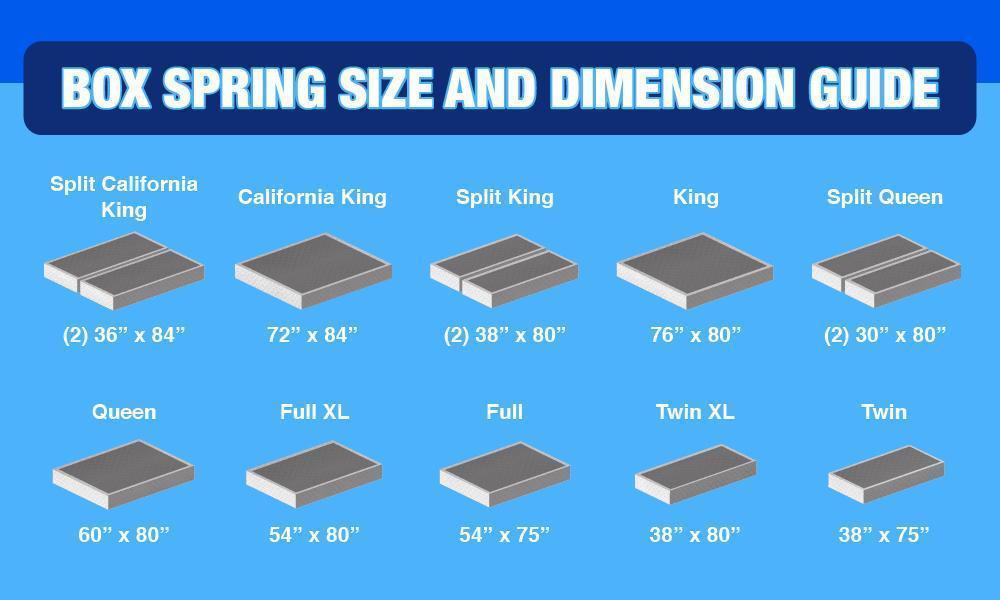
- Standard King: Measures 76 inches wide by 80 inches long. To support this, a Standard King box spring (or often, two Twin XL box springs) must match these dimensions.
- California King: Measures 72 inches wide by 84 inches long. This bed is narrower but longer than a Standard King. A California King box spring (or two Split California King box springs) is required to fit.
The cost difference between these two types of box springs might not be immense initially, but purchasing the wrong one can lead to immediate financial loss. You might incur return shipping fees, restocking charges, or even be stuck with an unusable box spring if the retailer has a strict return policy for large items. Furthermore, a mismatched box spring offers inadequate support, leading to premature sagging and a significantly shortened lifespan for your expensive king mattress, forcing an earlier replacement and doubling your expenditure.
Measuring Your Space and Mattress: The First Financial Checkpoint
Before even considering a purchase, physically measure your mattress and the bed frame it will rest upon. While manufacturers adhere to general standards, slight variations can exist. A half-inch discrepancy might seem minor, but it can lead to an ill-fitting box spring that either hangs over the frame, causing instability, or is too large to fit, rendering it useless.
Additionally, assess the dimensions of your bedroom and any hallways, doorways, or stairwells the box spring must pass through. A standard king box spring is 76×80 inches, making it a massive, rigid piece. Many manufacturers split king box springs into two separate units (e.g., two 38×80 inch Twin XL box springs for a Standard King) to facilitate easier delivery and maneuverability. Failing to consider this logistical aspect can result in extra delivery fees, the need for professional movers to navigate tight spaces, or even the costly realization that your chosen box spring cannot enter your home, leading to a forced return and additional expenses. This careful upfront measurement is a free step that protects you from preventable financial setbacks.
The Financial Impact of Box Spring Choices
The box spring is not merely a supportive structure; it’s an integral component of your bed system that significantly influences the long-term financial viability of your entire sleep setup. Skimping on this element or making an uninformed choice can lead to a cascade of financial consequences.
Durability and Longevity: Investing in Your Sleep and Savings
A high-quality, correctly sized box spring provides the optimal foundation for your king mattress, extending its life considerably. Mattresses are designed to perform best on a flat, firm, and consistently supportive surface. An old, sagging, or incorrectly sized box spring allows the mattress to dip, creating pressure points and accelerating wear and tear on its internal components. This premature degradation means your expensive king mattress will need replacing sooner than its intended lifespan, turning a 10-year investment into a 5-7 year one, costing you thousands in an expedited replacement cycle.
Furthermore, a stable foundation prevents damage to the mattress’s structural integrity, which could otherwise lead to costly repairs or even void its warranty. Investing in a durable, well-constructed box spring is akin to making a prudent financial contribution to your mattress’s longevity, thereby deferring future large-scale expenses.
Compatibility and Warranty: Protecting Your Purchase
Many mattress manufacturers explicitly state that their warranties are contingent upon the mattress being used with an appropriate and supportive foundation, which often includes a specific type or dimension of box spring. Using an old, damaged, or incorrectly sized box spring can immediately void your mattress warranty. Imagine a scenario where your new king mattress develops a defect, only for the manufacturer to deny a claim due to an unsuitable foundation. This negates the protective financial umbrella of the warranty, leaving you solely responsible for repair or replacement costs—a direct and substantial financial hit. Always review your mattress warranty documentation carefully to understand the specific foundation requirements. This simple due diligence is a critical step in safeguarding your investment.
Resale Value and Future Flexibility
While often overlooked, the quality and condition of your box spring can marginally impact the resale value of your bed frame or even the mattress itself, should you decide to upgrade or move. A complete, well-maintained sleep system is more attractive to potential buyers. Moreover, opting for a split king box spring (two Twin XLs for a Standard King or two Split California Kings for a California King) offers greater financial flexibility in the long run. These smaller units are easier to move between homes, especially if you anticipate relocation. They also allow for potential repurposing; a Twin XL box spring could support a Twin XL bed in a guest room or child’s room if your needs change, rather than being an entirely unusable, oversized component. This adaptability can translate into avoided costs for future furniture purchases.
Budgeting for Your King Box Spring: More Than Just the Price Tag
When integrating a box spring into your king bed budget, simply looking at the sticker price is an insufficient approach. A truly financially savvy decision involves considering the broader ecosystem of costs and benefits.
Comparing Costs: Box Spring vs. Foundation vs. Platform Bed
The term “box spring” is often used interchangeably with “foundation” or “slatted base,” but they are distinct with different financial implications.
- Traditional Box Spring: Contains actual springs, providing bounce and support. These are typically more expensive and heavier. They often pair best with innerspring mattresses.
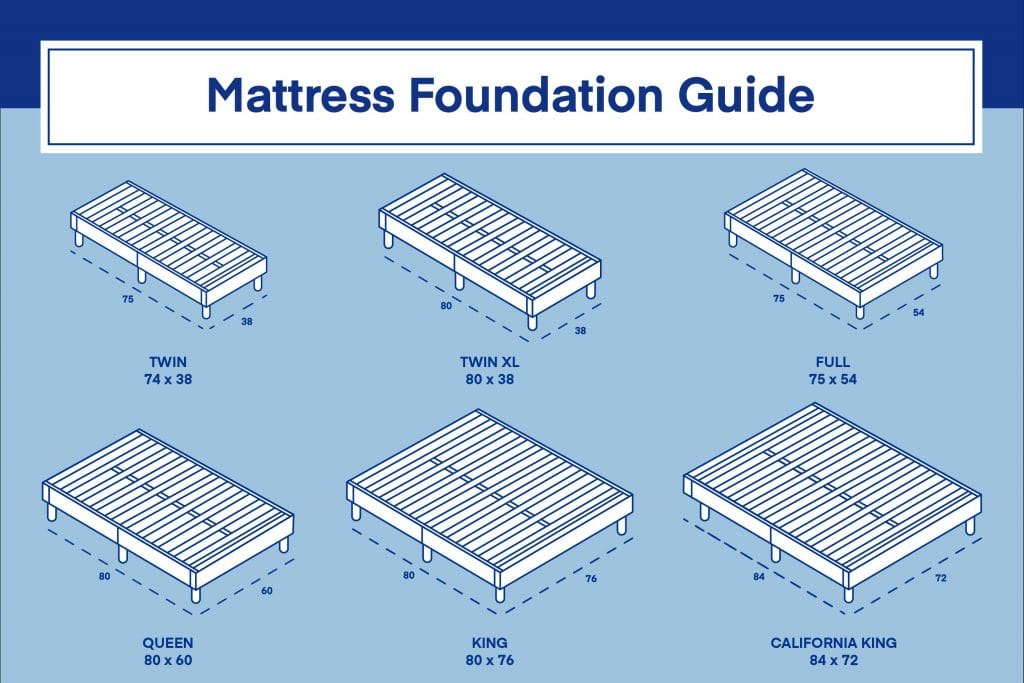
- Foundation (Wood Slat Foundation): A sturdy wooden frame with non-yielding slats, usually covered in fabric. Less expensive than a true box spring, lighter, and suitable for most modern foam or hybrid mattresses that require firm, consistent support without flexibility.
- Platform Bed: These beds integrate the foundation directly into the frame, negating the need for a separate box spring or foundation entirely. While the initial cost of a platform bed might be higher than a simple bed frame, it eliminates the additional expense of a separate foundation, potentially offering overall savings.
A critical financial assessment involves determining which option is best suited for your specific mattress type and budget, while also considering its impact on mattress longevity. Foam or hybrid mattresses on a traditional box spring can lead to sagging and voided warranties, costing you more in the long run. Conversely, an innerspring mattress might benefit from the spring support of a traditional box spring. Understanding these compatibilities is key to optimizing your investment.
Delivery and Setup Fees: Hidden Costs to Consider
A king-size box spring, especially if it’s a single unit rather than split, is a large and cumbersome item. Delivery costs can be substantial, particularly if you live in a multi-story home or have tight access points. Many retailers charge additional fees for “white glove” delivery, which includes carrying the item into your room and setting it up. While seemingly an extra expense, this can be a wise investment to prevent personal injury, damage to your home, or incorrect setup that could compromise the box spring’s integrity. Always clarify delivery, setup, and old mattress/box spring removal fees upfront to avoid unexpected charges that inflate your overall purchase cost. Some retailers offer free delivery as an incentive; factoring this into your comparative shopping can lead to significant savings.
The Cost of Poor Sleep: An Indirect Financial Drain
While not a direct monetary transaction, the financial impact of poor sleep due to an inadequate or incorrectly sized box spring cannot be overstated. Chronic sleep deprivation affects productivity, concentration, and mood, leading to decreased performance at work, increased likelihood of errors, and potentially impacting earning potential. It can also contribute to health issues, leading to increased medical expenses over time. Investing in a proper box spring that facilitates restorative sleep is an investment in your health, well-being, and ultimately, your financial stability and productivity. Viewing the box spring as a tool for better sleep—and thus better financial performance—reframes its cost as an essential personal finance expenditure rather than an optional luxury.
Smart Buying Strategies for Your King Box Spring
To ensure your king box spring purchase is a financially sound decision, strategic planning and informed shopping are paramount. These strategies focus on maximizing value, minimizing risk, and protecting your investment.
Researching Retailers and Sales: Maximizing Your Investment
Before making a purchase, invest time in researching different retailers. Compare prices not just on the box spring itself, but also on delivery, warranty, and return policies. Major holiday sales (e.g., Presidents’ Day, Memorial Day, Black Friday) often feature significant discounts on bedding components. Signing up for email newsletters from reputable furniture and mattress stores can alert you to upcoming promotions. Sometimes, purchasing the box spring and mattress as a package deal can offer greater overall savings compared to buying them separately. Look for bundles that provide a high-quality box spring appropriate for your mattress type. This proactive research can yield substantial savings, allowing you to allocate those funds elsewhere in your personal budget.
Understanding Return Policies: Your Financial Safety Net
The return policy for large furniture items like box springs can be complex and restrictive. Some retailers have short return windows, charge hefty restocking fees, or require you to pay for return shipping, which can be expensive for oversized items. Before finalizing a purchase, explicitly understand the return policy:
- What is the return window?
- Are there any fees for returns or exchanges?
- Who pays for return shipping?
- Are there conditions (e.g., must be in original packaging, unused)?
A generous and transparent return policy acts as a financial safety net, mitigating the risk of being stuck with an unsuitable box spring and losing your investment. It provides peace of mind that if an unexpected issue arises—whether it’s a sizing error on your part or a manufacturing defect—you won’t incur additional financial penalties to rectify it.

Considering Alternatives: Foundations and Slatted Bases for Savings
As discussed, not every mattress benefits from a traditional spring-coil box spring. Modern foam, memory foam, or hybrid mattresses often require a firm, flat, non-yielding surface. In these cases, a slatted foundation or even a platform bed can be a more suitable and often more cost-effective alternative.
- Slatted Foundations: These consist of a wooden frame with closely spaced slats (typically no more than 2-3 inches apart). They provide rigid support and are generally less expensive than traditional box springs. For many modern mattresses, they offer superior support, preventing premature sagging and protecting the mattress warranty.
- Platform Beds: These bed frames come with built-in slat systems, eliminating the need for a separate foundation altogether. While the initial cost of a platform bed might be higher than a basic frame, the savings from not needing to buy a separate box spring or foundation can make them a financially attractive option in the long run.
By understanding your mattress’s specific support requirements and exploring these alternatives, you can make a financially astute choice that provides optimal support without overspending on an unnecessary or even detrimental component. This careful consideration ensures your money is spent wisely, contributing to both a comfortable sleep experience and a healthy personal budget.
aViewFromTheCave is a participant in the Amazon Services LLC Associates Program, an affiliate advertising program designed to provide a means for sites to earn advertising fees by advertising and linking to Amazon.com. Amazon, the Amazon logo, AmazonSupply, and the AmazonSupply logo are trademarks of Amazon.com, Inc. or its affiliates. As an Amazon Associate we earn affiliate commissions from qualifying purchases.