
Choosing the correct baseball bat size for a young player is a critical decision that significantly impacts performance, safety, and a player’s overall experience in the sport. While the immediate question is about length and weight, a deeper understanding reveals that bat selection is intricately linked to brand strategy, product design, and market positioning. Reputable bat brands invest heavily in research, development, and stringent manufacturing processes to create tools that cater to diverse player profiles and league regulations. For parents, navigating the myriad options means looking beyond generic charts and understanding how different brands approach bat categorization, design innovation, and user guidance.
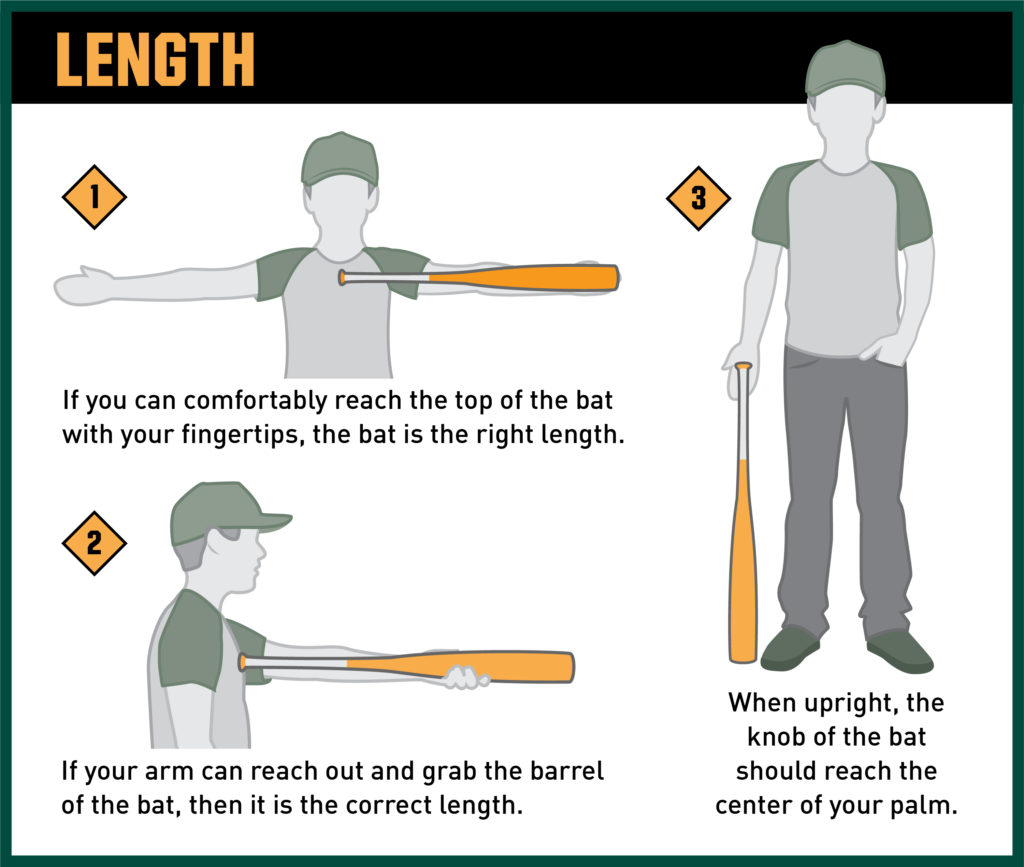
Navigating Bat Categories: Brand Standards and Market Positioning
The baseball bat market is segmented by various league regulations and age groups, a framework that bat brands strategically address in their product lines. Understanding these categories, and how brands position their offerings within them, is the first step in selecting the right bat size for a young player.
Youth, USSSA, and BBCOR: Understanding Brand-Specific Offerings
Bat brands develop distinct product series tailored to specific competitive environments. These categories are not merely arbitrary divisions but are defined by crucial performance and safety standards, directly influencing available bat sizes and designs.
- Youth Bats (USA Baseball Standard): Designed for younger players, these bats typically feature smaller barrel diameters (e.g., 2 ¼ inches) and often have a “drop weight” (the numerical difference between bat length in inches and weight in ounces) that allows for lighter bats relative to their length. Brands marketing USA Baseball bats emphasize ease of swing and fundamental skill development. Their design strategy focuses on creating balanced bats that are forgiving for developing players, often prioritizing durability and affordability within their youth lines. The branding here often leans into accessibility and foundational play.
- USSSA Bats (BPF 1.15 Standard): These bats cater to a slightly older or more competitive youth segment, often allowing for larger barrel diameters (up to 2 ¾ inches) and typically a “drop weight” of -10, -8, or -5. Brands differentiate their USSSA lines through advanced composite materials and multi-piece designs aimed at maximizing bat speed and power. The market positioning for USSSA bats often highlights cutting-edge technology and performance advantages, appealing to players and parents seeking an edge in competitive play. Brand narratives for these bats frequently emphasize innovation and game-changing features.
- BBCOR Bats (.50 BPF Standard): Mandated for high school and collegiate play, BBCOR (Batted Ball Coefficient of Restitution) bats are engineered to mimic the performance of wood bats, reducing the “trampoline effect.” These bats have strict barrel size limits (max 2 ⅝ inches) and a mandatory -3 drop weight. For brands, designing BBCOR-compliant bats requires intricate engineering, balancing performance within strict regulatory limits. Their branding typically focuses on professional-grade quality, advanced material science, and consistency, appealing to serious athletes and programs that demand high-performance, compliant equipment.
Each category dictates the available lengths, weights, and performance characteristics, making it imperative for parents to first identify the league standard their son will play under. Brands build their corporate identity and marketing around these standards, ensuring their products meet specific performance benchmarks and consumer expectations for each segment.
The “Drop Weight” Dilemma: Brand Consistency vs. Performance Promises
The “drop weight” is a key metric in bat sizing, indicating how light a bat feels relative to its length. A higher absolute drop number (e.g., -10) means a lighter bat for its length, generally favoring bat speed for younger or less powerful hitters. Conversely, a lower drop number (e.g., -5 or -3) signifies a heavier bat, suitable for stronger players who can generate more power.
Brands approach drop weight offerings with varying strategies. Some brands prioritize a wide range of drop weights within a specific model line to cater to a broader spectrum of players. Others might focus on optimizing performance at particular drop weights, becoming known for excellence in a -10 composite or a -3 alloy. However, even with consistent drop weights, the actual “swing weight” (how heavy the bat feels when swinging) can vary significantly due to a brand’s internal design, material distribution, and balance point.
Savvy parents understand that a bat’s advertised drop weight is a starting point. The true measure comes from a child’s ability to comfortably and consistently swing the bat. Brands that provide clear guidance on swing weight characteristics, often through detailed product descriptions or comparison charts, demonstrate a commitment to helping consumers make informed choices, reinforcing their brand as a trusted authority.
The Strategic Design of Bats: How Brands Influence Fit and Performance
Beyond regulations and simple numbers, the core of a bat lies in its design and the materials used. Bat brands employ distinct design philosophies and material innovations that directly impact how a bat feels in a player’s hands and how effectively it can be swung—critical factors in determining the “right size.”
Material Innovations: Alloy, Composite, and Hybrid Brand Approaches
The choice of bat material is a cornerstone of a brand’s product strategy, influencing everything from price point to performance characteristics.
- Alloy Bats: Typically constructed from a single piece of aluminum alloy, these bats are known for their durability, affordability, and “pop” straight out of the wrapper (no break-in period required). Brands like Easton and Louisville Slugger have spent decades refining their alloy compositions to achieve optimal strength-to-weight ratios and sweet spot consistency. Their marketing often emphasizes robust performance and reliability.
- Composite Bats: Made from layered carbon fiber composites, these bats offer a larger sweet spot, reduced vibration, and often boast higher swing speeds due to their ability to distribute weight more effectively. They require a break-in period. Brands renowned for their composite technology, such as DeMarini and Marucci, invest heavily in polymer research and layering techniques. Their brand narrative often focuses on advanced technology, vibration dampening, and maximizing barrel performance through innovative material science.
- Hybrid Bats: Representing a strategic blend, hybrid bats combine an alloy barrel with a composite handle, aiming to leverage the best attributes of both materials—the durability and performance of alloy at the barrel, with the flexibility and vibration reduction of a composite handle. This allows brands to offer a balanced product with unique feel and performance profiles. These bats are often marketed as versatile options for players seeking specific characteristics not fully met by single-material designs.
The material choice inherently impacts the bat’s balance, flex, and feel, which are crucial considerations for finding the “right” size. A well-designed composite bat might allow a player to swing a slightly heavier drop weight due to its balanced feel, whereas an end-loaded alloy bat of the same drop weight might feel unwieldy. Brands differentiate themselves by mastering these material sciences and clearly communicating the benefits of each in their product descriptions.
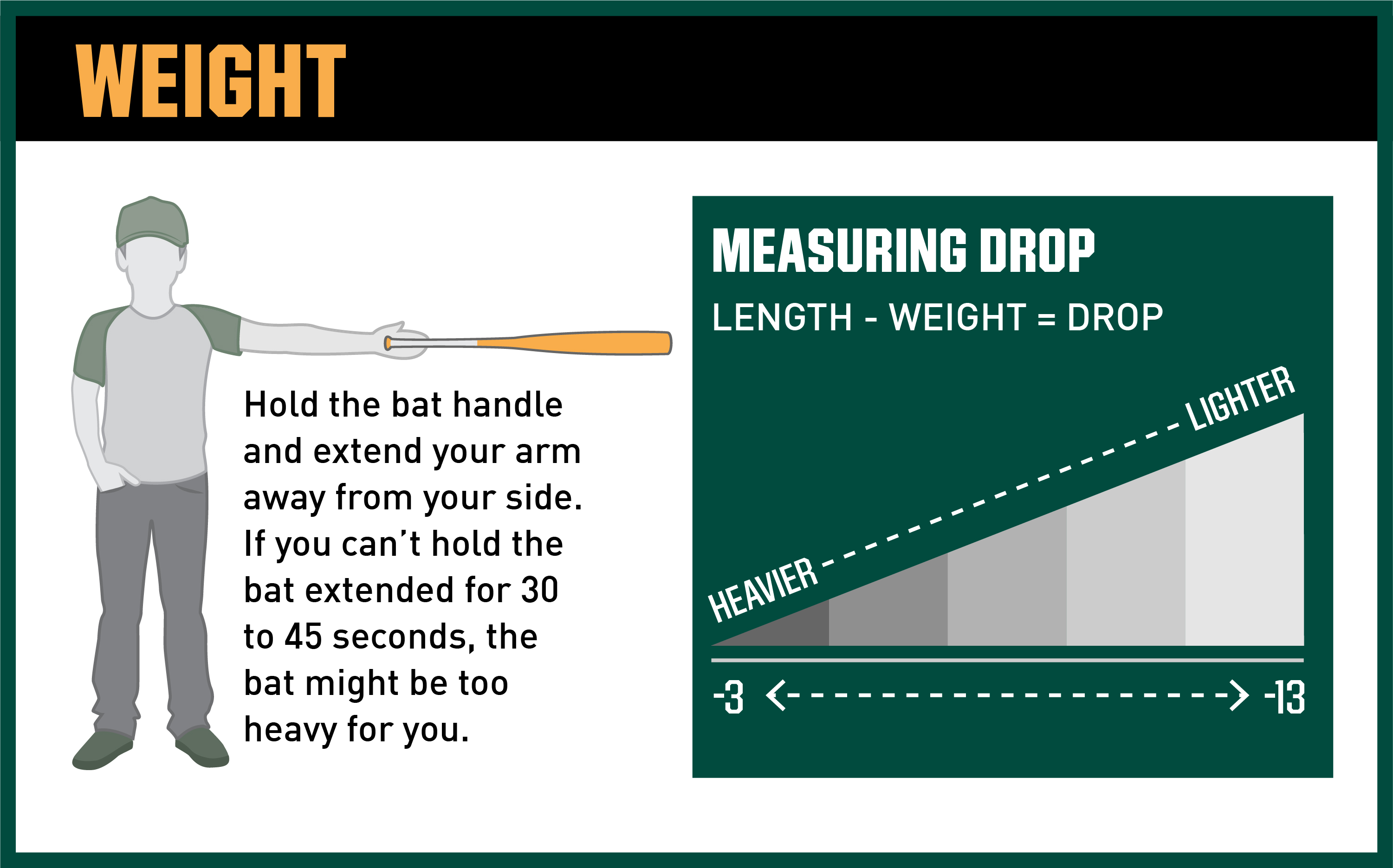
Balance and Swing Weight: Brand Engineering for Diverse Player Profiles
Beyond static weight, a bat’s balance point—how its weight is distributed along its length—is paramount. This characteristic defines the “swing weight” and is a key area where brand engineering truly shines.
- Balanced Bats: These bats have their weight distributed evenly, making them feel lighter and easier to swing. Brands design balanced bats to maximize bat speed, making them ideal for contact hitters, younger players, or those still developing their strength. Marketing for these bats emphasizes quickness through the zone and consistent contact.
- End-Loaded Bats: With more weight concentrated towards the barrel end, these bats create more momentum and power upon impact, though they require more strength to swing effectively. Brands engineer end-loaded bats for stronger power hitters. Their brand identity often aligns with raw power and driving the ball deeper.
Leading bat brands utilize sophisticated CAD software and testing facilities to fine-tune balance points, often creating proprietary weighting systems or material distributions. They strategically market bats as “balanced” or “end-loaded” to appeal to different player types, influencing a parent’s decision about the optimal bat size. A younger player might need a shorter, lighter, balanced bat, while a stronger, older player could benefit from a slightly longer, heavier, end-loaded model to maximize power. Understanding a brand’s design philosophy regarding balance is as important as the numbers on a sizing chart.
Leveraging Brand Authority: Sizing Guides and Trustworthy Recommendations
In the pursuit of the perfect bat size, parents often turn to official sources. Reputable bat brands understand this need and invest in providing comprehensive sizing guides and support, solidifying their position as authorities in the sport.
Decoding Brand Sizing Charts: More Than Just Length and Weight
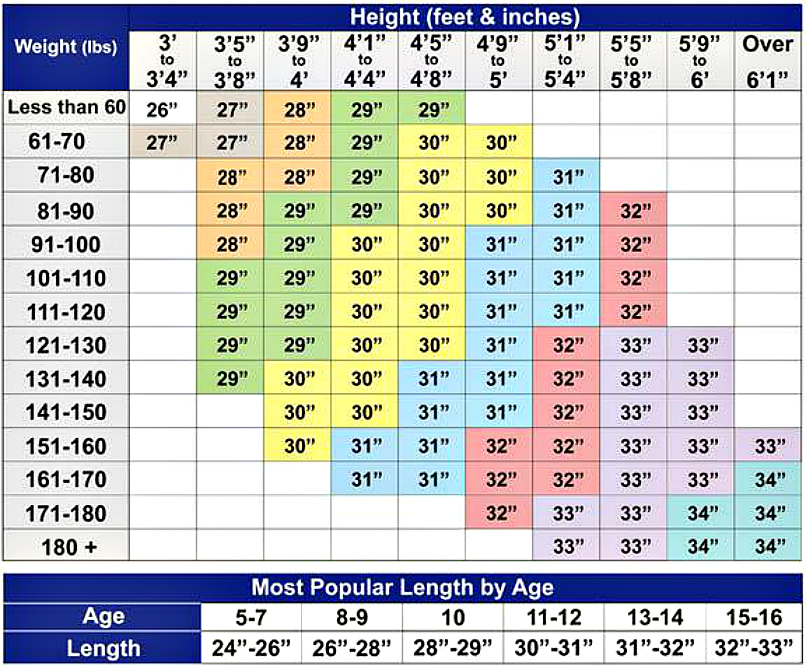
Every major bat brand provides sizing charts, typically based on a child’s height and weight. While these charts offer a good starting point, they are generic. Brand-specific charts often include nuances. For example, some brands might suggest slightly different lengths for contact hitters versus power hitters within the same age/height bracket, reflecting their understanding of player styles and bat mechanics.
Furthermore, brands often publish detailed specifications beyond just length and weight, including barrel diameter, material type, and whether a bat is balanced or end-loaded. These details, though technical, provide invaluable context. A brand that transparently offers this depth of information builds trust and helps parents connect numerical recommendations with actual bat performance and feel. It’s a reflection of their commitment to product education and customer empowerment.
Retailer Partnerships and Brand Ambassador Insights
Brands often partner with specialized sporting goods retailers, providing them with training and resources to help customers with bat fitting. These retailers become brand extensions, equipped to answer specific questions about a brand’s models, technologies, and sizing recommendations. This collaborative approach ensures that expert advice is accessible, bridging the gap between theoretical sizing charts and practical application.
Additionally, many brands utilize professional baseball players or established youth coaches as brand ambassadors. These ambassadors, through endorsements, clinics, and online content, provide real-world insights into bat selection, often sharing how they (or their protégés) choose bats based on brand characteristics and personal feel. This marketing strategy not only builds brand recognition but also lends credibility to their sizing advice, connecting the product to aspirational figures in the sport. Accessing these insights, whether through brand websites or in-store interactions, can significantly refine the bat selection process.
Building Player Confidence: The Role of Brand Reputation in Bat Selection
Ultimately, the choice of a baseball bat for a young player extends beyond mere measurements; it’s about investing in their development, safety, and confidence. Brand reputation plays a pivotal role in ensuring these outcomes.
Quality Assurance and Safety: Core Brand Values
When selecting a bat, particularly for a child, safety and durability are paramount. Established bat brands adhere to rigorous quality control standards, ensuring that their bats meet or exceed league safety regulations. They invest in advanced testing for material integrity, structural soundness, and consistent performance. A brand with a strong reputation for quality assures parents that the bat they choose is not only effective but also safe and built to last. This commitment to quality is a cornerstone of their corporate identity and a significant factor in consumer trust. Opting for lesser-known or unbranded alternatives can be a gamble, potentially compromising performance and safety, leading to a poor experience or even injury.
Long-Term Player Development: Investing in a Trusted Brand
Choosing a properly sized bat from a reputable brand can have a lasting positive impact on a young player’s development. A bat that feels right and performs consistently allows a child to focus on honing their swing mechanics, timing, and hand-eye coordination without being hampered by an ill-fitting tool. This fosters confidence and encourages continued participation and enjoyment in the sport.
Brands that consistently deliver high-quality, appropriately designed bats build a loyal customer base. Parents often return to brands that have proven successful for their older children, trusting that their product evolution and sizing guidance remain reliable. This long-term relationship with a brand is built on consistent performance, perceived value, and the positive impact their products have on a child’s athletic journey. Investing in a trusted brand, therefore, is not just buying a bat; it’s contributing to a child’s athletic growth and ensuring they have the best possible equipment to succeed and enjoy the game for years to come.
aViewFromTheCave is a participant in the Amazon Services LLC Associates Program, an affiliate advertising program designed to provide a means for sites to earn advertising fees by advertising and linking to Amazon.com. Amazon, the Amazon logo, AmazonSupply, and the AmazonSupply logo are trademarks of Amazon.com, Inc. or its affiliates. As an Amazon Associate we earn affiliate commissions from qualifying purchases.