
In an age where automotive technology rapidly advances, the subtle yet critical components of vehicle security often go overlooked. Among these, wheel locks stand as a primary physical deterrent against wheel and tire theft. While seemingly simple mechanical devices, the design, material science, and precision engineering behind Kia wheel locks position them firmly within the realm of security technology. Understanding their specifications, particularly “what size are Kia wheel locks,” is not merely about maintenance; it’s about appreciating a vital layer of your vehicle’s overall security infrastructure. This article delves into the technological aspects of wheel locks, their specific dimensions for Kia models, and how these ‘gadgets’ integrate into a comprehensive anti-theft strategy.

The Precision Engineering Behind Automotive Wheel Locks
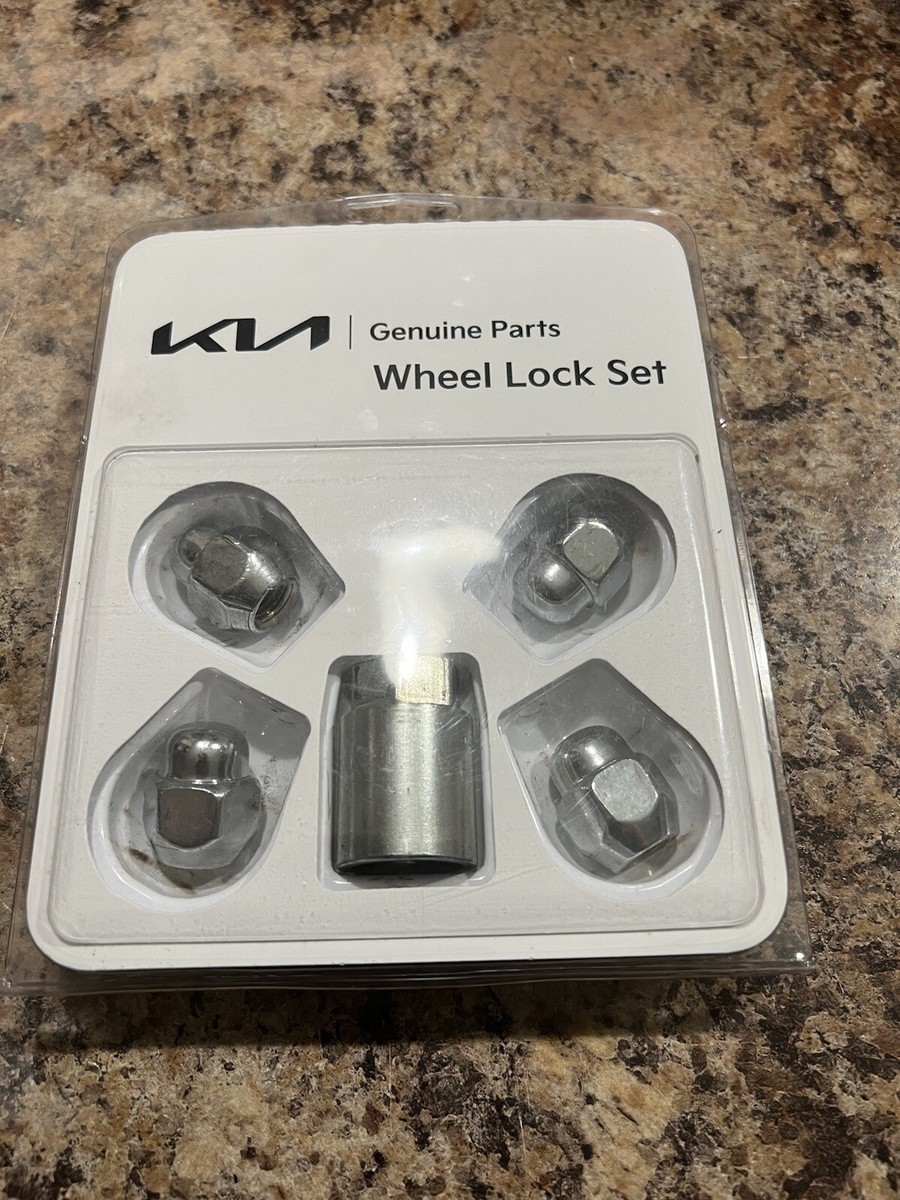
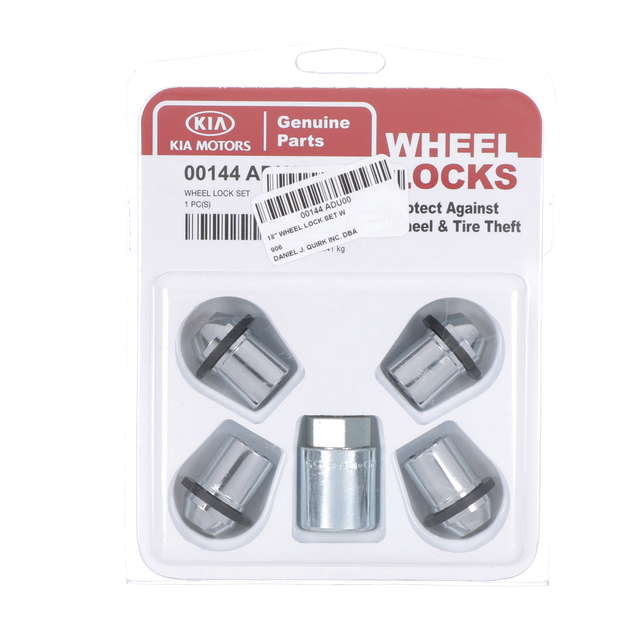
Automotive wheel locks are specialized lug nuts designed with unique patterns or shapes that require a matching key for removal. Their effectiveness hinges on sophisticated engineering and material science, making them far more than just standard fasteners. They represent a blend of mechanical ingenuity and cryptographic principles applied to physical security.
Material Science and Design for Enhanced Security
The core technology of wheel locks lies in their composition and structural integrity. High-strength steel alloys are typically employed, often case-hardened to resist drilling, cutting, and other brute-force removal techniques. This metallurgical choice ensures that the lock can withstand significant torque during installation and removal, while also deterring common theft tools. The surfaces are frequently treated with corrosion-resistant coatings, extending their operational lifespan and maintaining aesthetic appeal alongside alloy wheels.
Beyond material, the design patterns themselves are a testament to security engineering. Manufacturers like Kia utilize proprietary patterns, ensuring a vast number of unique keys. This makes it exceedingly difficult for thieves to possess the specific tool needed to remove the locks quickly. The patterns are often intricate, multi-faceted, or asymmetrical, designed to prevent gripping with standard tools like vice grips or universal sockets. Some advanced designs feature spinning collars that turn freely when attacked, preventing a firm grip from being established, or hardened pins that sheer off if an incorrect or unauthorized tool is used. These design innovations are critical “gadgets” in the fight against opportunistic theft.
How Wheel Lock Technology Deters Theft
The primary technological function of a wheel lock is deterrence. By introducing an additional, specialized step to the wheel removal process, they increase the time, effort, and specialized tools required for a thief to steal wheels. This elevated risk often dissuades would-be thieves, who typically seek quick and quiet targets. The unique key pattern acts as a physical ‘encryption’ layer, where only someone with the correct ‘key’ (the specialized socket) can ‘decrypt’ or remove the lock.
The psychological deterrent aspect is also significant. Visible wheel locks communicate to potential thieves that the vehicle owner has taken proactive security measures, suggesting that other security systems (like alarms or tracking devices) might also be in place, further increasing the perceived risk and difficulty of the theft. This makes understanding and utilizing these components a smart choice for any vehicle owner.
Demystifying Kia Wheel Lock Specifications and Compatibility
Determining the correct size for Kia wheel locks is crucial for effective security and proper fitment. Unlike standard lug nuts, which primarily require matching thread size, wheel locks also demand precise compatibility with the wheel’s seat type and the lug well dimensions.
Key Factors in Determining Lock Size
When asking “what size are Kia wheel locks,” several key specifications come into play:
-
Thread Size and Pitch: This is the most fundamental dimension. For most modern Kia vehicles, the common thread size is M12 x 1.5. The ‘M12’ refers to a 12mm diameter thread, and ‘1.5’ indicates a 1.5mm thread pitch (the distance between thread peaks). Older or specific heavy-duty Kia models might use different sizes, but M12 x 1.5 is overwhelmingly prevalent across the range, from sedans like the Forte and Optima to SUVs like the Sportage and Sorento. Always double-check your vehicle’s owner’s manual or current lug nut specifications.
-
Seat Type (Taper/Cone, Ball/Radius, Mag/Flat): This refers to the shape of the part of the lug nut or lock that contacts the wheel.
- Tapered/Conical Seat: The most common type, featuring a 60-degree taper that perfectly mates with similarly tapered holes in most aftermarket and many OEM alloy wheels.
- Ball/Radius Seat: Characterized by a rounded, spherical shape, primarily found on certain European vehicles, though some Kia models might use them, especially for steel wheels or specific OEM alloys.
- Mag Seat (with washer): Features a flat seating surface, usually accompanied by a separate washer, and is common on some Asian OEM wheels.
Choosing the correct seat type is paramount. An incorrect seat type will not properly secure the wheel, leading to potential loosening, wheel damage, or even catastrophic failure. Most Kia vehicles with alloy wheels will use a tapered seat.
-
Overall Length and Width: While less critical than thread and seat type, the overall dimensions of the wheel lock can affect its aesthetics and practicality. It must fit within the lug nut well of your specific Kia wheel without scratching the wheel finish or being too short to engage sufficient threads. For security, a lock that is difficult to access with generic tools due to its size or shape within the well is often preferred.
The Role of Lug Nut Type and Vehicle Model
Different Kia models, and even different trim levels within the same model, might come with various wheel options (e.g., steel wheels vs. alloy wheels), which can sometimes influence the lug nut and wheel lock specifications, particularly the seat type. For instance, some steel wheels might use a different seat type than their alloy counterparts, even if the thread size remains the same.
When sourcing wheel locks for your Kia, it’s essential to:
- Consult your Kia owner’s manual: This is the most reliable source for your vehicle’s specific lug nut and wheel lock requirements.
- Verify current lug nut specifications: If you have access to one of your existing lug nuts, a local tire shop or mechanic can help you verify its thread size and seat type using specialized gauges.
- Specify your exact Kia model, year, and trim level: When purchasing from a reputable supplier, providing these details will ensure you receive compatible wheel locks. Many aftermarket brands offer specific fitment guides for Kia vehicles.
For the vast majority of modern Kia cars and SUVs (e.g., Sorento, Telluride, Sportage, K5, Forte), you will likely be looking for M12 x 1.5 thread with a 60-degree conical/tapered seat. However, always verify for your specific vehicle.
Maximizing Security: Best Practices for Wheel Lock Gadget Use
The mere presence of wheel locks isn’t enough; their proper installation, maintenance, and strategic use are critical to leveraging their full security potential. Treating them as a vital security gadget rather than just a fastener is key.
Proper Installation and Torque Application
Incorrect installation is a common pitfall that can compromise the security and effectiveness of wheel locks.
- Hand-tighten first: Always start threading the wheel lock by hand to prevent cross-threading. Cross-threading can strip the wheel stud, rendering the lock useless and requiring costly repairs.
- Use the correct key: Ensure the specialized wheel lock key is fully seated onto the lock before applying force. Improper seating can damage the key or the lock, making future removal difficult or impossible.
- Torque to manufacturer specifications: Once hand-tightened, use a torque wrench to tighten the wheel locks (and all lug nuts) to your Kia’s recommended torque specifications. This information is found in your owner’s manual. Over-tightening can stretch or damage wheel studs, making them prone to failure. Under-tightening can lead to loose wheels. For most Kia vehicles, torque specifications typically range from 80-90 ft-lbs (approximately 108-122 Nm).
- Avoid impact wrenches: While convenient, impact wrenches can easily over-tighten and damage wheel locks, studs, and the delicate key pattern. For installation, a torque wrench is essential. For removal, if an impact wrench must be used, do so with extreme caution, on a low setting, and with the correct socket fully engaged. It’s generally safer to remove manually.
Essential Maintenance for Longevity and Effectiveness
Like any precision gadget, wheel locks require periodic maintenance to ensure they remain effective:
- Keep the key safe and accessible (to you): The single most important piece of maintenance is knowing where your wheel lock key is. Store it in a secure, memorable location within your Kia (e.g., glove compartment, center console, spare tire well) but out of plain sight. Do not leave it visible to potential thieves. Consider having a spare key if possible.
- Regular inspection: Periodically inspect your wheel locks for signs of wear, corrosion, or damage. Replace any damaged locks promptly.
- Clean the key and lock patterns: Dirt, grime, or rust can obstruct the key pattern, making removal difficult. Clean the patterns on both the lock and the key, especially after prolonged exposure to harsh weather conditions.
- Apply anti-seize lubricant (sparingly): A very thin coat of anti-seize compound on the threads (not the seat) can prevent galling and make future removal easier, especially in corrosive environments. However, ensure it doesn’t affect the torque value. Consult a professional if unsure.
A Holistic Approach: Integrating Physical Locks with Digital Anti-Theft Systems
In the contemporary automotive landscape, security is a multi-layered challenge that extends beyond individual components. The “tech” of wheel locks doesn’t operate in isolation; it complements and is complemented by advanced digital security systems, forming a robust defense perimeter for your Kia.
The Symbiotic Relationship of Multi-Layered Vehicle Protection
Physical wheel locks are a foundational element in a vehicle’s overall security architecture. They directly address the vulnerability of wheel theft. However, they work most effectively when integrated into a broader strategy that includes digital anti-theft technologies. Modern Kia vehicles come equipped with a suite of digital security features:
- Immobilizers: Electronic systems that prevent the engine from starting without the correct key or transponder.
- Alarm Systems: Sensors that detect forced entry or impacts, triggering audible and visual warnings.
- Telematics and GPS Tracking: Services (like Kia Connect) that allow remote monitoring, vehicle location tracking, and even remote engine disablement in case of theft.
- Key Fob Technology: Encrypted signals and rolling codes for secure remote locking and unlocking.
When these physical and digital layers work in concert, they create a formidable deterrent. A thief attempting to steal wheels will first encounter the physical barrier of wheel locks. If they somehow overcome this, they still face the digital barriers against starting the vehicle or being tracked. This layered approach significantly increases the difficulty and risk for thieves, making your Kia a less attractive target.
Future Trends in Automotive Security Technology
The evolution of automotive security continues to push boundaries. While wheel locks remain a crucial physical layer, future trends indicate a deeper integration with smart technology and advanced materials. We might see:
- Smart Wheel Locks: Locks with integrated sensors that communicate with the vehicle’s central security system, potentially triggering alarms or sending alerts to the owner if tampering is detected.
- Biometric Access: While primarily for vehicle entry, biometric authentication could theoretically extend to specialized security features like wheel locks, enhancing their uniqueness.
- Advanced Composites and Nanomaterials: Development of lighter, stronger, and even more tamper-resistant materials for wheel locks, making them incredibly difficult to defeat with conventional tools.
- Blockchain for Vehicle Parts Tracking: Though nascent, the idea of using blockchain to verify ownership and track high-value parts like wheels could add a new layer of post-theft recovery and deterrent.
Ultimately, understanding “what size are Kia wheel locks” is a gateway to appreciating a broader landscape of automotive security technology. By ensuring your Kia is equipped with the correct, properly installed, and maintained wheel locks, you are actively engaging with an essential piece of engineering designed to protect your investment, working hand-in-hand with the advanced digital systems that define modern vehicle safety.
aViewFromTheCave is a participant in the Amazon Services LLC Associates Program, an affiliate advertising program designed to provide a means for sites to earn advertising fees by advertising and linking to Amazon.com. Amazon, the Amazon logo, AmazonSupply, and the AmazonSupply logo are trademarks of Amazon.com, Inc. or its affiliates. As an Amazon Associate we earn affiliate commissions from qualifying purchases.