
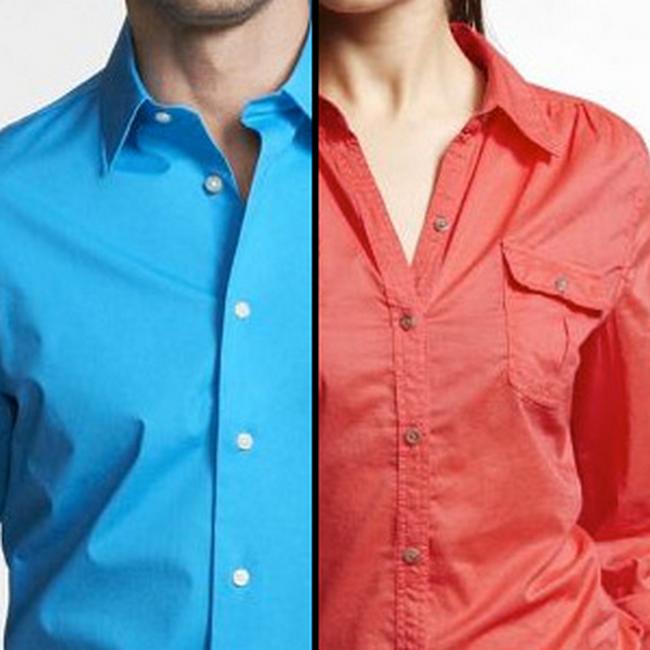
In the world of fashion and apparel, design choices are rarely accidental. From the curve of a lapel to the specific weight of a denim weave, every element serves a dual purpose: functional utility and brand identity. One of the most enduring, albeit subtle, markers of gendered apparel design is the placement of buttons. For centuries, a standard has persisted that defines the architecture of a garment: women’s buttons are placed on the left side (fastening right-over-left), while men’s buttons are placed on the right (fastening left-over-right).

While this distinction might seem like a trivial quirk of history, it represents a profound study in brand strategy, corporate identity, and the evolution of market standards. To understand why women’s buttons are on the left, we must look beyond the sewing machine and into the mechanics of how brands establish legacy and how consumer expectations shape global manufacturing.
The Historical DNA of Fashion Branding
The origin of button placement is not found in modern ergonomics, but in the social hierarchies of the 17th and 18th centuries. During the rise of tailored garments, buttons were expensive luxury items. They were symbols of status, often made of precious metals, ivory, or intricately carved wood. In this era, branding was not achieved through logos or digital marketing, but through the display of wealth and the adherence to social protocols.
The Servant Narrative and Luxury Identity
The most widely accepted historical explanation for left-sided buttons on women’s clothing is rooted in the “servant narrative.” During the Victorian era and preceding centuries, wealthy women did not dress themselves. They were assisted by chambermaids and valets. For a right-handed servant standing opposite a lady, buttons placed on the lady’s left were easier to fasten.
From a brand strategy perspective, this design choice became a “status marker.” By keeping buttons on the left, garment makers were implicitly branding their products as high-end. A left-buttoning garment signaled that the wearer belonged to a class that could afford domestic help. This legacy of luxury branding became so ingrained that even as fashion democratized and women began dressing themselves, the design standard remained as a vestigial mark of “proper” tailoring.
The Military Influence on Masculine Branding
Conversely, men’s buttons were placed on the right to facilitate self-dressing and, more importantly, military efficiency. Historically, men wore swords on their left side to be drawn with the right hand. A coat that fastened left-over-right (buttons on the right) ensured that the hilt of the sword would not catch on the flap of the jacket during a draw.
This functional requirement eventually evolved into a corporate identity for menswear brands. The right-sided button became synonymous with readiness, utility, and masculinity. As tailoring houses began to formalize their brand identities in the 19th century, these gendered orientations were codified into the “Standard Operating Procedures” of the garment industry, creating a visual shorthand that consumers still use to identify products today.
Brand Consistency in Global Manufacturing
In the modern era, the reason women’s buttons remain on the left is less about chambermaids and more about the power of industrial standardization. When a brand establishes a design language, consistency becomes its most valuable asset. For global giants in the apparel industry, deviating from established norms presents significant risks to the supply chain and consumer recognition.
The Economics of the Supply Chain
Manufacturing at scale requires extreme precision and repetition. Pattern makers, automated cutting machines, and assembly line workers operate based on established templates. If a brand like Zara or H&M decided to switch the side of women’s buttons to the right to match modern ergonomics (since most women are right-handed), it would require a complete overhaul of their technical specifications.
From a brand management standpoint, this is a “legacy cost.” Changing a fundamental design element involves re-training staff, updating digital design software, and potentially confusing the quality control process. By sticking to the traditional left-sided button, brands maintain a streamlined production flow that spans continents, ensuring that a blouse manufactured in Vietnam matches the specifications of one made in Portugal.
Consumer Expectation as a Brand Anchor
Brand strategy is often built on the “Law of Least Resistance.” Consumers have been conditioned for over a century to expect women’s clothing to button a certain way. If a premium brand suddenly reversed this, many consumers might perceive the garment as “defective” or “incorrectly made.”
In the high-stakes world of luxury branding—think Chanel, Dior, or Gucci—adherence to these classical rules is a way of signaling authenticity. By maintaining the left-side buttoning, these brands honor their heritage. They are telling the consumer, “We understand the history of tailoring.” This subtle design choice acts as a silent handshake between the brand and the informed consumer, reinforcing the brand’s authority in the market.
The Psychology of Design: Form vs. Function in Brand Identity
The persistence of left-sided buttons on women’s clothing highlights a fascinating tension in brand strategy: the conflict between form and function. While it is objectively more difficult for a right-handed woman to button a shirt on the left, the “form” (the traditional look) has triumphed over the “function” (ease of use).
Visual Shorthand and Market Segmentation
In marketing, design elements serve as “cues” that help consumers categorize products instantly. When a shopper walks into a department store, their brain uses thousands of micro-cues to distinguish between the men’s and women’s sections. The direction of a zipper flap or the side of a button row acts as a navigational tool.
Brands use these cues to reinforce market segmentation. By maintaining the button distinction, brands can create “gendered” versions of the same product—such as a white button-down shirt—without needing to rely solely on cut or color. This allows for a more nuanced brand architecture where products are clearly defined by traditional sartorial boundaries.
The “Quality” Perception
There is also a psychological component to how button placement influences the perception of quality. In the mid-20th century, as mass production took over, “cheap” brands would sometimes cut corners by using the same patterns for both men and women, often leading to right-sided buttons on female garments.
As a result, professional apparel brands began to emphasize the left-sided button as a hallmark of “true” womenswear. It became a way to differentiate a curated, brand-led garment from a generic, mass-produced one. Even today, custom tailors and bespoke brands highlight these traditional details to justify premium pricing, positioning the left-sided button as a deliberate design choice rather than a manufacturing shortcut.
Rebranding the Binary: Modern Shifts and Inclusivity
While the left-sided button has been the gold standard for centuries, the modern brand landscape is undergoing a seismic shift. The rise of gender-neutral fashion and the blurring of traditional brand identities are challenging the necessity of the button-side divide.
The Rise of Gender-Neutral Branding
Newer, disruptive brands like Telfar, Wildfang, and various streetwear labels are intentionally abandoning the gendered button standard. For these brands, the strategy is built on inclusivity and “un-branding” the gender binary. By placing buttons on the right for all garments, or by using alternative fasteners like zippers and snaps, these brands are signaling a departure from the “chambermaid” history of the past.
This is a powerful branding move. It positions the company as progressive, modern, and focused on the contemporary needs of the consumer rather than the traditions of the 18th-century elite. For a Gen Z audience, the historical “prestige” of left-sided buttons is irrelevant; they value functional design and social alignment. Therefore, the choice of button placement has become a tool for “brand activism.”
The Challenges of Rebranding the Standard
Despite the move toward inclusivity, traditional brands face a “brand equity” dilemma. A legacy brand like Brooks Brothers or Ralph Lauren would find it difficult to abandon gendered buttoning because their brand identity is inextricably linked to “classic Americana” and “traditional tailoring.” For these companies, the left-sided button is part of the brand’s soul.
To change it would be a form of brand dilution. It would be akin to a luxury car brand removing a signature hood ornament. Consequently, we see a bifurcated market: heritage brands that maintain the left-sided standard to preserve their identity, and “challenger” brands that utilize right-sided or neutral buttoning to signal innovation.

Conclusion: The Button as a Brand Artifact
The question of why women’s buttons are on the left is ultimately a question of how brand identities are constructed and maintained over centuries. What began as a practical solution for the dressing habits of the aristocracy has evolved into a global manufacturing standard and a key identifier in the apparel market.
For the modern brand strategist, the button side is a reminder that even the smallest design detail carries the weight of history, psychology, and corporate identity. It demonstrates that brand consistency often trumps functional logic, as the market’s collective memory is a powerful force that shapes every product on the shelf. Whether through the preservation of tradition in luxury houses or the deliberate disruption of norms in gender-neutral labels, the placement of a button remains one of the most effective, silent communicators of a brand’s position in the world.
aViewFromTheCave is a participant in the Amazon Services LLC Associates Program, an affiliate advertising program designed to provide a means for sites to earn advertising fees by advertising and linking to Amazon.com. Amazon, the Amazon logo, AmazonSupply, and the AmazonSupply logo are trademarks of Amazon.com, Inc. or its affiliates. As an Amazon Associate we earn affiliate commissions from qualifying purchases.