
An overheating car isn’t just a mechanical nuisance; it’s a sudden, potentially costly financial emergency that can derail your budget and significantly impact your personal finance goals. The immediate decisions you make can dramatically alter the repair bill, affect your long-term vehicle depreciation, and even deplete your emergency fund. This guide approaches the critical situation of a car overheating not just as a mechanical problem, but as a scenario demanding swift, financially astute decision-making to mitigate escalating costs and protect your automotive investment. Understanding the financial implications of each step, from initial reaction to long-term prevention, is key to navigating this common vehicle setback without breaking the bank.
Understanding the Financial Stakes of an Overheating Engine
When your car’s temperature gauge climbs into the red, it’s not merely a warning light; it’s a flashing siren on your bank account. Ignoring the signs or making ill-informed choices in the heat of the moment can transform a relatively minor repair into an engine replacement, costing thousands and causing significant financial stress.
Immediate Costs vs. Catastrophic Losses: The True Price of Neglect
The immediate financial impact of an overheating engine can range from a few dollars for a coolant top-off to thousands for major engine repairs. The critical factor is swift, correct action. If an engine continues to operate while severely overheated, it can suffer catastrophic damage: a warped cylinder head, blown head gasket, cracked engine block, or melted pistons. Each of these components is vital, and their failure typically leads to repair bills ranging from $1,000 to over $5,000, sometimes even exceeding the car’s resale value, turning it into a total financial loss.
Consider the cost of a head gasket replacement, often a direct consequence of severe overheating, which can easily run between $1,500 and $3,000 due to intensive labor. A fully seized engine, requiring replacement, can cost upwards of $4,000 to $7,000, making the vehicle economically unviable for repair for many owners. By contrast, pulling over immediately and addressing the issue can limit the damage to a faulty thermostat, a leaky hose, or low coolant – repairs that might only cost $50 to $300. The stark difference between these figures underscores the immense financial value of early intervention and informed decision-making.
Assessing the Impact on Your Personal Budget and Emergency Fund
An unexpected vehicle repair, especially one as substantial as major engine work, can deliver a severe blow to personal finances. For individuals without a dedicated emergency fund, this can mean relying on credit cards, potentially incurring high-interest debt, or delaying other essential financial goals. An overheating incident effectively becomes a test of your financial preparedness.
For those with an emergency fund, tapping into it for such an expense might be necessary, but it also depletes a safety net meant for broader crises. The ideal scenario involves having a separate “vehicle maintenance and repair fund,” a specific earmark within your savings designed to absorb these shocks without touching your primary emergency savings. This proactive financial planning minimizes the stress and secondary costs (like interest on loans) associated with unexpected car troubles. Furthermore, repetitive overheating issues due to neglect can depress your vehicle’s resale value, diminishing its equity and future trade-in potential – a hidden financial drain on your overall asset portfolio.
The First Critical Steps: Prioritizing Safety and Financial Prudence
When the temperature gauge spikes, your immediate actions are not just about safety; they are crucial financial decisions that determine the severity of the damage and, consequently, the cost of repair.
Pull Over Safely: Minimizing Risk and Potential Liability
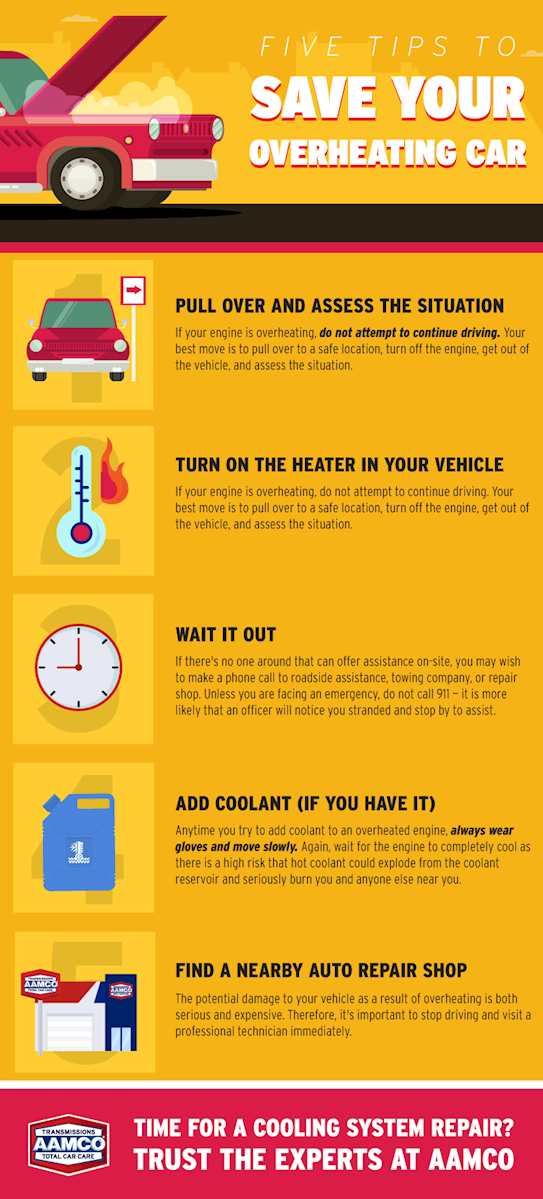
The absolute first priority is to pull over to a safe location as soon as possible. Continuing to drive, even for a short distance, with an overheating engine is a direct path to catastrophic damage. From a financial perspective, pulling over immediately prevents further stress on vital engine components, drastically reducing the likelihood of a more expensive repair bill. Beyond the engine itself, driving an impaired vehicle can lead to accidents, incurring further financial costs related to insurance claims, deductibles, potential liability, and even personal injury. The cost of a tow, typically $75-$200 depending on distance and service, is a small investment compared to the thousands you might spend repairing an engine that seized on the highway or dealing with the aftermath of an accident caused by engine failure. Prioritizing safety is, in essence, prioritizing financial stability.
Shutting Down and Cooling Off: Preventing Further Financial Damage
Once safely pulled over, shut off the engine. This immediately stops the heat generation and allows the engine to begin cooling. Opening the hood can aid in faster cooling by releasing trapped heat, but always do so with extreme caution, as hot steam can cause severe burns. From a financial standpoint, simply allowing the engine to cool down can prevent a runaway thermal event that could warp metal components, such as the cylinder head, or blow gaskets. These are costly repairs that can often be avoided by patiently letting the engine cool naturally. Do not attempt to open the radiator cap while the engine is hot, as the pressurized hot coolant can erupt and cause severe burns, potentially leading to medical expenses and lost wages – additional financial burdens. Patience here is a direct investment in preventing a more expensive repair.
When to Call for Professional Help: Weighing Towing vs. Roadside Repairs
The decision of whether to attempt a minor fix or call for professional assistance is a critical financial crossroads. If the issue is clearly just low coolant and you have some on hand, carefully topping it off after the engine has cooled sufficiently might be a viable, cost-effective solution. However, if you’re unsure of the cause, lack the tools or expertise, or suspect a more serious issue (like steam billowing, strange noises, or leaks), calling for a tow is almost always the financially prudent choice.
Roadside “fixes” attempted by inexperienced individuals often lead to further damage, turning a simple problem into a complex and expensive one. The cost of a tow, as mentioned, is a fraction of the cost of a new engine. Many auto insurance policies offer roadside assistance for a nominal annual fee, or it’s included with certain credit cards or auto club memberships. Leveraging these benefits can turn a potentially expensive tow into a virtually free service, showcasing the financial benefits of comprehensive coverage and utilizing available resources. Avoid the temptation to “limp” the car home or to a garage if it means risking further engine damage; the short-term savings on a tow will be dwarfed by the eventual repair bill.
Navigating the Repair Process with a Financial Lens

Once your overheated vehicle is safely at a repair shop, the next phase involves making informed financial decisions about diagnostics, repair options, and potential warranty claims to ensure you get the best value for your money.
Diagnostic Costs and Repair Estimates: Getting Your Money’s Worth
The first step in any repair is diagnosis, which often incurs a fee. However, this fee is a vital investment. A thorough diagnostic process correctly identifies the root cause, preventing “guesswork” repairs that might address symptoms but not the underlying problem, leading to recurring issues and wasted money. Always request a detailed written estimate before any work begins. This estimate should itemize parts, labor, and any additional fees.
Don’t hesitate to seek a second opinion, especially for major repairs. Different shops may have varying labor rates, parts markups, or diagnostic approaches. Comparing estimates from two or three reputable shops can save you hundreds, even thousands, of dollars. Furthermore, inquire about the warranty on parts and labor for the proposed repair. A good warranty provides financial protection if the repair fails shortly after, ensuring you’re not paying twice for the same fix. This diligence transforms an unavoidable expense into a controlled financial transaction.
DIY vs. Professional Repair: Calculating the True Savings
For mechanically inclined individuals, the appeal of a DIY repair is often the perceived cost savings on labor. Indeed, for simple tasks like replacing a hose or thermostat, the cost difference can be significant. However, for an overheating issue, which can stem from complex problems like a failed water pump, radiator, or head gasket, the “savings” of DIY can quickly evaporate. Without the right tools, specialized knowledge, and diagnostic equipment, a DIY attempt can lead to:
-
Incorrect diagnosis: Fixing the wrong component and not resolving the actual issue, leading to further damage.
-
Improper installation: Causing new leaks, electrical shorts, or mechanical failures.
-
Wasted money on parts: Buying components you didn’t need or damaging new parts during installation.
-
Time cost: Your time has value. Spending hours or days on a complex repair you’re not proficient in might be a false economy compared to a professional who can complete the job efficiently.
-
No warranty: Unlike professional shops, DIY repairs offer no warranty if something goes wrong.
Carefully weigh your expertise, available tools, the complexity of the specific overheating cause, and the financial risk against the labor costs of a professional. For critical engine components, entrusting the repair to certified mechanics often proves to be the financially safer and more reliable option in the long run.
Warranty Considerations and Insurance Claims: Protecting Your Investment
Before authorizing any repairs, investigate whether your vehicle is still under warranty – either the original manufacturer’s warranty, an extended warranty, or even a specific warranty for certain components (e.g., emission controls). A warranty can cover the entire cost of parts and labor, turning a potentially budget-busting repair into a free fix. Be aware of the terms and conditions, as some warranties require specific service records or only cover particular parts.
In rare and severe cases where engine damage is catastrophic and clearly caused by an external factor (e.g., road debris puncturing the radiator), your comprehensive auto insurance policy might offer coverage, though this is less common for general mechanical failures like overheating. However, if the overheating incident led to an accident, collision coverage would certainly come into play. Understanding your insurance policy and warranty agreements is a vital part of protecting your automotive investment and minimizing out-of-pocket expenses when faced with a significant repair. A quick call to your dealership or insurance provider can yield valuable financial insights.
Long-Term Financial Strategies to Prevent Future Overheating Incidents
The most cost-effective approach to car overheating is to prevent it from happening in the first place. Proactive financial planning and consistent vehicle maintenance are not expenses, but investments that yield significant returns in reliability, longevity, and avoided repair bills.
The ROI of Regular Vehicle Maintenance: An Investment in Longevity
Viewing regular car maintenance as an investment with a clear Return on Investment (ROI) is a cornerstone of smart personal finance for car owners. Routine checks and services – like coolant flushes, inspecting hoses and belts, and ensuring proper radiator function – cost significantly less than emergency repairs. For example, a coolant flush might cost $100-$150 every few years, an insignificant sum compared to the thousands required for a head gasket replacement or engine overhaul due to neglected cooling system maintenance.
Regular maintenance helps identify potential issues early when they are inexpensive to fix. A small leak in a hose discovered during a routine inspection can be replaced for under $50, preventing a complete coolant loss that leads to overheating. This proactive approach extends the lifespan of your vehicle, maximizing its utility and delaying the significant expense of purchasing a new car. It preserves the car’s resale value, maintaining your asset’s equity. This isn’t spending money; it’s protecting your current and future financial position.
Building a Vehicle Maintenance Fund: Proactive Financial Planning
Just as you save for retirement or a down payment, establishing a dedicated “vehicle maintenance and repair fund” is a powerful financial strategy. Instead of reacting to an overheating emergency by scrambling for funds or dipping into your emergency savings, this dedicated fund allows you to absorb planned maintenance costs and unexpected repairs without financial strain.
Consider setting aside a small amount each month – perhaps $50-$100 – into a separate savings account. Over time, this builds a buffer that can comfortably cover routine services, tire replacements, and even a significant emergency like an overheating repair. This proactive saving mechanism smooths out your monthly budget, preventing the shock of large, unexpected vehicle expenses from disrupting your overall financial plan. It provides peace of mind and reinforces a disciplined approach to asset management.
Monitoring Tools and Preventative Measures: Smart Money Habits for Car Owners
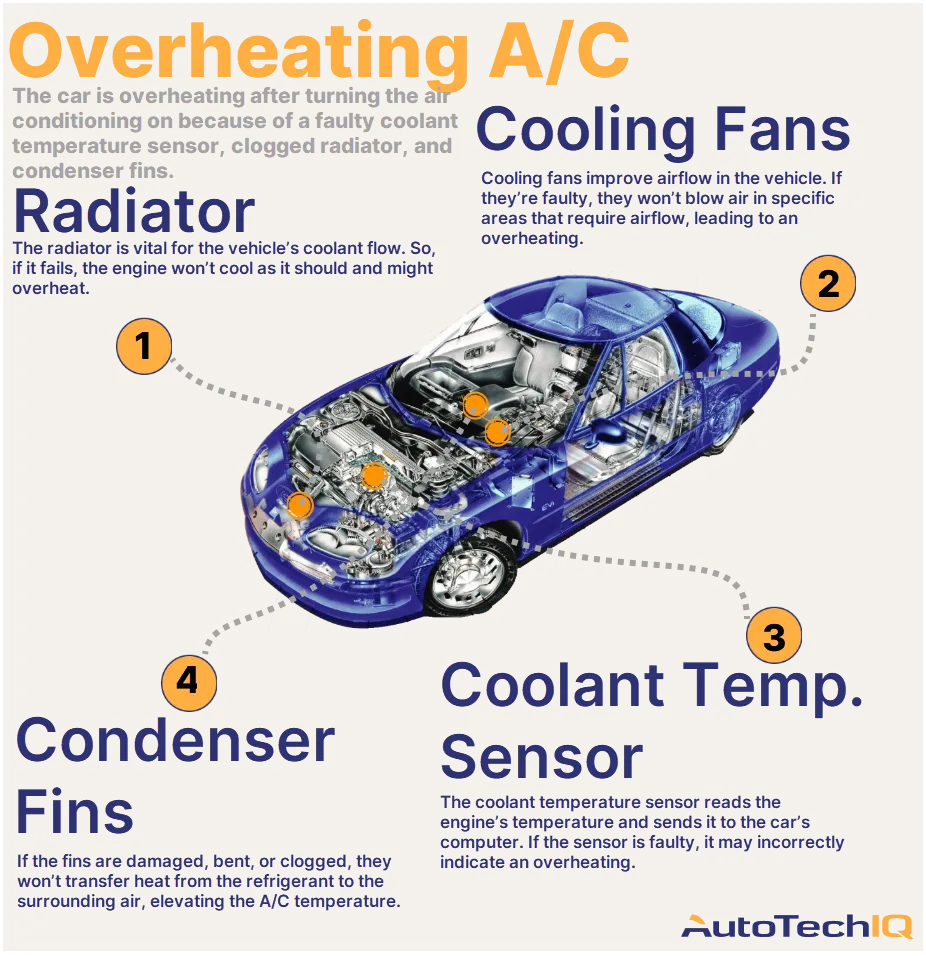
Beyond professional maintenance, adopting smart money habits as a car owner involves self-monitoring and preventative measures. Regularly checking your coolant level, observing for puddles under your car, and paying attention to your temperature gauge during drives are simple, free actions that can prevent major issues. Modern vehicles often come with dashboard warning lights that monitor engine temperature; understanding and reacting promptly to these alerts is critical.
Consider investing in an OBD-II (On-Board Diagnostics II) scanner for around $20-$100. While not directly preventing overheating, it can read engine trouble codes, helping you diagnose minor issues before they escalate, providing valuable information to your mechanic, and potentially saving diagnostic fees. Furthermore, understanding the specific maintenance schedule for your vehicle’s make and model, as outlined in your owner’s manual, allows you to anticipate costs and budget accordingly. These vigilant habits are not just about car care; they are about financially responsible asset management, ensuring your vehicle remains a reliable means of transportation rather than a drain on your financial resources.
aViewFromTheCave is a participant in the Amazon Services LLC Associates Program, an affiliate advertising program designed to provide a means for sites to earn advertising fees by advertising and linking to Amazon.com. Amazon, the Amazon logo, AmazonSupply, and the AmazonSupply logo are trademarks of Amazon.com, Inc. or its affiliates. As an Amazon Associate we earn affiliate commissions from qualifying purchases.