
Understanding one’s optimal daily calorie intake is a cornerstone of health management, whether the goal is weight loss, muscle gain, or maintaining a healthy lifestyle. For decades, this question has been answered through broad guidelines and manual calculations, often leading to generalized recommendations that lacked the precision needed for individual success. However, in the rapidly evolving digital landscape, technology has emerged as a transformative force, providing unprecedented tools and insights to personalize this critical aspect of nutrition. From sophisticated algorithms and AI-driven platforms to wearable sensors and smart kitchen appliances, the answer to “what should my daily calorie intake be?” is no longer a static number but a dynamic, data-informed journey. This article delves into how technology empowers individuals to accurately assess, track, and optimize their caloric consumption, turning abstract nutritional advice into actionable, personalized plans. We will explore the digital methodologies that help decipher individual energy needs, the innovative tools that simplify tracking, and the future of AI in tailoring dietary recommendations, all while emphasizing the importance of informed digital engagement in achieving personal health goals.
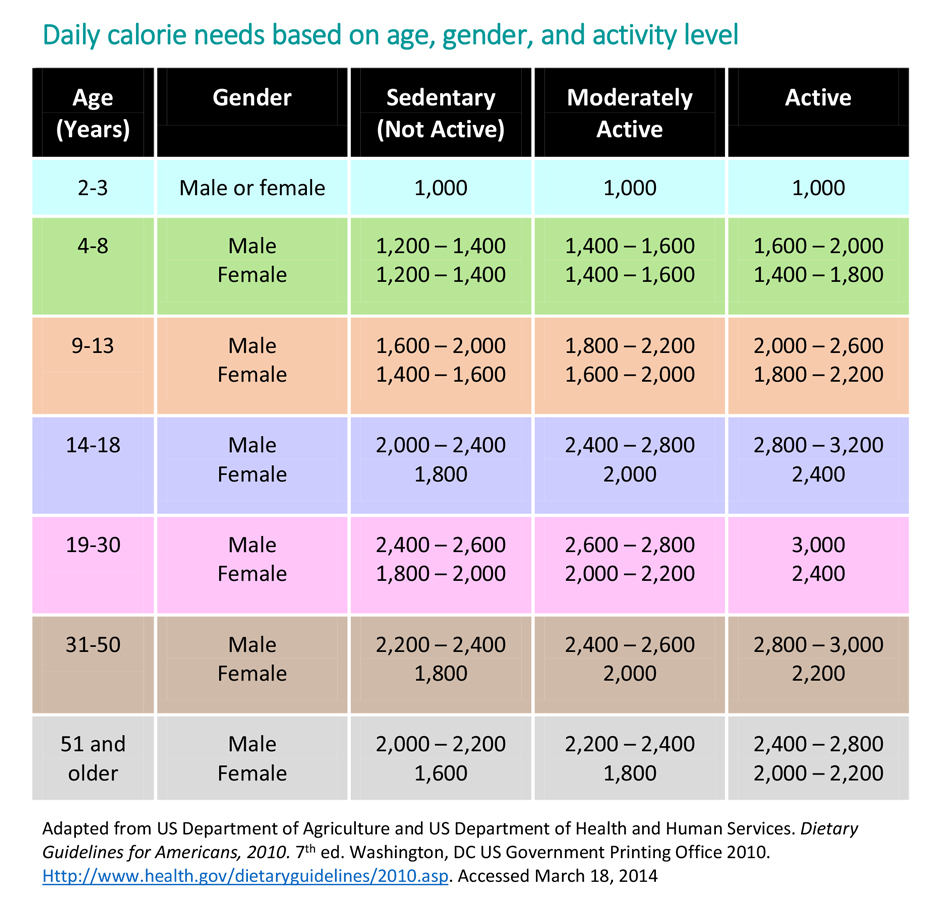
The Digital Foundation: Calculating Individual Calorie Needs
Determining an appropriate daily calorie intake begins with understanding one’s basal metabolic rate (BMR) and total daily energy expenditure (TDEE). While these calculations traditionally involved complex formulas and estimations, technology has streamlined and significantly refined this foundational step, offering accessible and often more accurate assessments through sophisticated software and algorithms.
Basal Metabolic Rate (BMR) and Total Daily Energy Expenditure (TDEE) Calculators
At the core of personalized calorie recommendations are BMR and TDEE. Your BMR represents the minimum calories your body needs to perform basic functions at rest (breathing, circulation, cell production), while TDEE accounts for your BMR plus the energy expended through physical activity. Online calculators have long provided a convenient way to estimate these values, employing established formulas like the Mifflin-St Jeor equation or the Harris-Benedict equation. These digital tools typically require inputs such as age, gender, height, and weight, along with an activity level multiplier. The tech advantage here lies in the instant computation and comparison across different formulas, often providing a range rather than a single number, along with explanations of the underlying science. Advanced versions can even integrate with user profiles, storing data for longitudinal tracking and re-calculation as body metrics change.
Personalized Algorithms and AI-Driven Assessments
Beyond static formulas, the frontier of calorie assessment lies in personalized algorithms and AI-driven platforms. These systems move beyond generic inputs by integrating a wider array of data points. For instance, some platforms utilize machine learning to analyze historical dietary data, exercise patterns logged through wearables, and even subjective user feedback (e.g., energy levels, hunger cues). This allows for a more dynamic and adaptive calculation of TDEE. Imagine an algorithm that learns your metabolism: it recognizes that on days you run 10K, your calorie burn is higher, and it adjusts your recommended intake accordingly, not just based on a pre-set activity multiplier, but on your actual biometric data and performance. Furthermore, some cutting-edge solutions are exploring the integration of genetic data or microbiome analysis to further refine metabolic profiles, offering a truly bespoke understanding of how an individual’s body processes energy and nutrients, though these applications are still in early stages of broad consumer adoption.
Smart Tools for Precise Tracking and Monitoring
Once an initial calorie target is established, the next critical step is consistently tracking intake and expenditure. This is where technology truly shines, transforming what used to be a tedious, error-prone manual process into an efficient, often automated, and highly insightful experience. The proliferation of digital tools has made monitoring dietary habits and physical activity more accessible and precise than ever before.
Calorie-Tracking Apps and Food Databases
The most widely adopted technological solution for monitoring calorie intake is the omnipresent calorie-tracking app. Platforms like MyFitnessPal, Cronometer, and Lose It! have vast, continuously updated databases of foods, including restaurant meals, packaged goods (often scannable via barcode), and raw ingredients. Users log their meals, and the app instantly calculates caloric content, macronutrient breakdowns (proteins, fats, carbohydrates), and micronutrient contributions. Advanced features include custom meal logging, recipe builders, and community support forums. These apps often integrate with other digital health platforms and wearables, consolidating data into a single dashboard. The power of these tools lies not just in tracking, but in providing immediate feedback, allowing users to see in real-time how their food choices align with their daily targets and helping them make informed adjustments.
Wearable Technology and Activity Monitoring
Complementing dietary tracking are wearable technologies, which have revolutionized the monitoring of energy expenditure. Fitness trackers (e.g., Fitbit, Garmin, Apple Watch) use accelerometers, gyroscopes, and heart rate sensors to estimate calories burned through physical activity, from structured workouts to non-exercise activity thermogenesis (NEAT) like walking and fidgeting. More sophisticated wearables can track sleep patterns, stress levels (via heart rate variability), and even body temperature, providing a holistic view of factors influencing energy balance. This data can then be seamlessly synced with calorie-tracking apps, offering a comprehensive picture of “calories in vs. calories out.” The ability to see accurate, real-time expenditure helps users adjust their intake targets dynamically, ensuring they remain in a caloric deficit for weight loss, surplus for gain, or balance for maintenance, based on their actual activity levels.
Smart Kitchen Gadgets and AI Food Recognition
The kitchen itself is becoming a hub of technological innovation aimed at improving dietary accuracy. Smart scales can not only weigh food precisely but also integrate with apps to automatically log nutritional information based on the ingredient database. For instance, weighing a portion of chicken on a smart scale can auto-populate its caloric and macronutrient values into a tracking app. Beyond weighing, AI-powered food recognition is an emerging game-changer. Apps like PlateJoy or HealthifyMe leverage computer vision to identify foods from photos taken by the user. While still evolving, this technology aims to simplify the logging process, particularly for mixed meals or dishes where individual ingredients might be hard to quantify. Imagine snapping a photo of your dinner, and the app, with impressive accuracy, estimates its components and caloric load. Furthermore, smart cooking devices, like some air fryers or multi-cookers, can be programmed with recipes and even track ingredients used, contributing to a more precise understanding of the meal’s nutritional profile.
Leveraging AI and Data for Personalized Nutrition Coaching
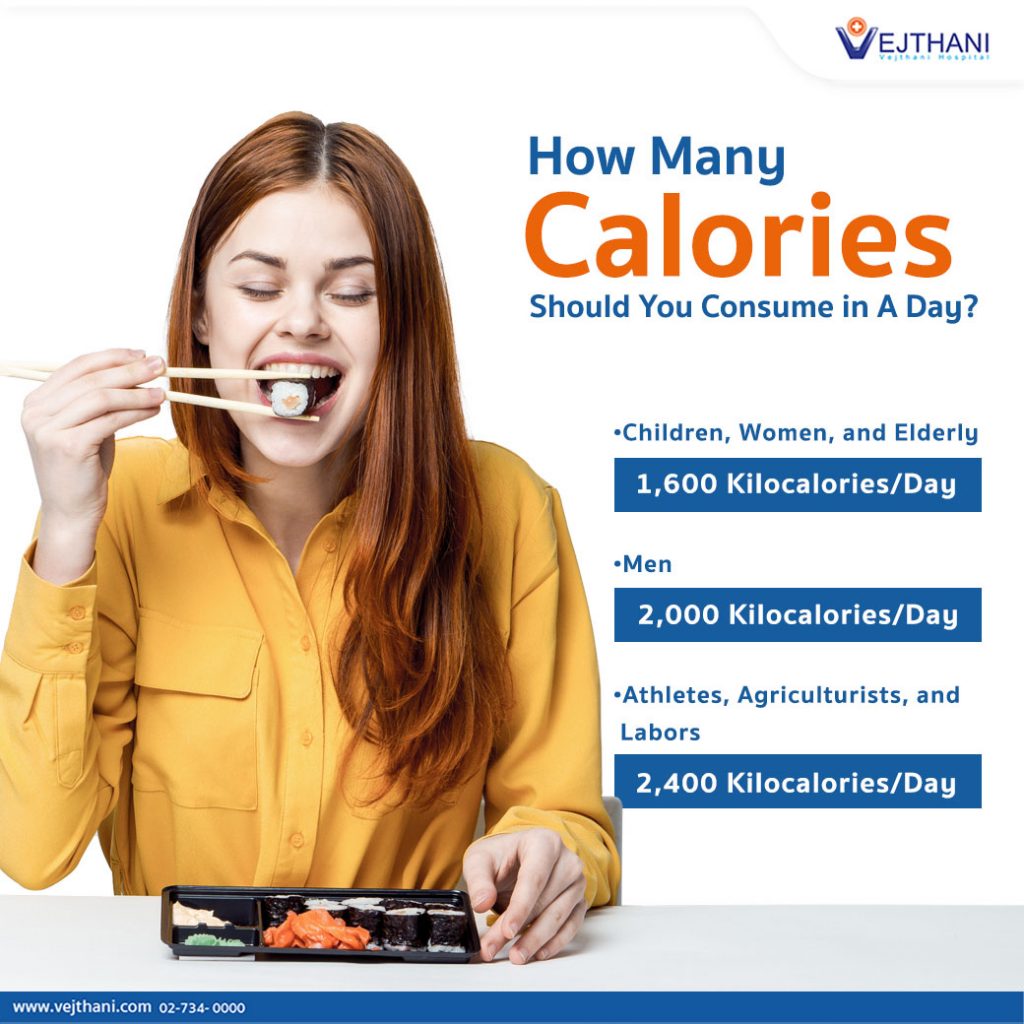
The real power of technological integration in determining daily calorie intake lies not just in data collection, but in the intelligent analysis and application of that data. Artificial intelligence and advanced analytics are transforming raw numbers into actionable insights, making personalized nutrition coaching more accessible and adaptive than ever before.
Predictive Analytics for Dietary Adjustments
AI algorithms can analyze vast datasets collected from tracking apps and wearables – including calorie intake, macronutrient ratios, activity levels, weight fluctuations, and even sleep quality – to identify patterns and make predictive adjustments. For example, if an individual consistently consumes a certain number of calories but isn’t achieving their weight loss goal, AI can detect this discrepancy. It might suggest a slight reduction in caloric intake, recommend adjusting macronutrient distribution (e.g., increasing protein for satiety), or prompt an increase in specific types of activity. These systems move beyond simple “if-then” rules to infer complex relationships between diet, lifestyle, and outcomes, offering dynamic recommendations that evolve with the user’s progress and physiological responses. This iterative, data-driven optimization helps individuals fine-tune their calorie targets for more effective and sustainable results.
AI-Powered Meal Planning and Recipe Generation
One of the most challenging aspects of managing calorie intake is consistent meal planning and preparation. AI-powered platforms are stepping in to simplify this. By taking into account an individual’s calorie target, macronutrient goals, dietary restrictions (allergies, vegan, keto, etc.), food preferences, and even available ingredients (as logged by the user), AI can generate personalized meal plans and recipes. These systems can suggest diverse meals that fit within daily caloric limits, ensuring nutritional adequacy and culinary variety. Some advanced tools can even optimize for grocery shopping, creating lists based on the generated meal plan. This not only saves time and reduces decision fatigue but also ensures that the prepared meals align perfectly with the user’s specific nutritional requirements, making adherence to a precise calorie intake much more manageable and enjoyable.
Virtual Nutrition Coaches and Digital Health Platforms
The concept of a “virtual nutrition coach” is rapidly gaining traction, democratizing access to expert-level guidance. These AI-driven coaches, integrated within comprehensive digital health platforms, provide ongoing support, motivation, and tailored advice. They monitor progress, offer personalized tips for overcoming plateaus, and adjust recommendations based on real-time data. For instance, a virtual coach might prompt a user to increase water intake if dehydration is detected through wearable data, or suggest a high-protein snack if an impending dip in energy levels is predicted. These platforms can also provide educational content, helping users understand the “why” behind their calorie targets and nutritional choices. While not a replacement for human dietitians in complex cases, virtual coaches offer scalable, continuous support that many individuals find invaluable for maintaining consistency and achieving long-term dietary goals.
The Human Element: Integrating Tech with Expert Guidance and Ethical Considerations
While technology offers unparalleled capabilities in personalizing calorie intake, it’s crucial to acknowledge its limitations and the indispensable role of human expertise. The most effective approach combines the precision and scalability of digital tools with the nuanced understanding and ethical considerations provided by human professionals. Furthermore, engaging with digital health tools necessitates an awareness of data privacy and security.
The Role of Digital Security and Data Privacy
The extensive collection of personal health data—including weight, activity levels, dietary habits, and potentially even genetic information—raises significant concerns about digital security and data privacy. Users must be diligent in choosing reputable apps and platforms that adhere to robust data protection standards, such as GDPR or HIPAA compliance where applicable. Understanding how personal data is stored, shared, and utilized is paramount. Secure encryption, transparent privacy policies, and user control over data sharing are non-negotiable features. The responsibility also falls on developers to implement state-of-the-art cybersecurity measures to protect sensitive health information from breaches or misuse, ensuring that the benefits of personalized nutrition don’t come at the cost of personal privacy.
Balancing Algorithmic Advice with Expert Consultation
While AI can process vast amounts of data and provide highly personalized recommendations, it lacks the intuitive understanding, empathy, and holistic view of a human dietitian or nutritionist. Complex medical conditions, disordered eating patterns, unique metabolic responses, or psychological factors influencing food choices often require the tailored guidance of a qualified professional. Tech tools should be viewed as powerful aids that empower individuals and their healthcare providers, not as replacements for expert medical and nutritional advice. A dietitian can interpret the data generated by apps and wearables, provide context, make adjustments based on individual health history, and offer psychological support that algorithms cannot. The ideal scenario involves using technology to gather data and inform an initial plan, then regularly consulting with a professional to review progress, make adjustments, and address any underlying issues that tech alone cannot fully diagnose or manage. This hybrid approach ensures both scientific precision and personalized, compassionate care.
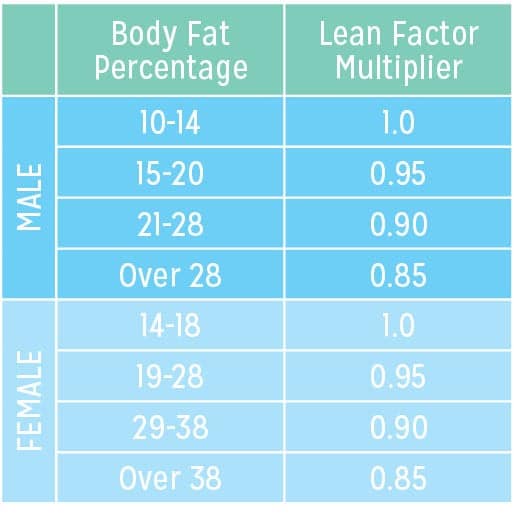
Conclusion: Empowering Personalized Health Through Technological Integration
The question “what should my daily calorie intake be?” has evolved from a simple estimation to a sophisticated, data-driven inquiry, largely due to advancements in technology. We’ve journeyed through how digital tools, from advanced BMR calculators and comprehensive tracking apps to wearable biometrics and AI-powered coaching platforms, are revolutionizing our ability to understand, monitor, and optimize caloric consumption. Technology offers unprecedented precision, convenience, and personalization, transforming generic dietary advice into actionable, adaptive strategies tailored to individual physiology and lifestyle.
However, the power of these innovations is maximized when balanced with a mindful approach to data privacy and an understanding of their inherent limitations. The integration of technological insights with the compassionate, expert guidance of human professionals represents the most holistic and effective path forward. By embracing these digital tools responsibly, individuals are empowered to take proactive control of their nutritional health, fostering sustainable habits and achieving their wellness goals with greater accuracy and insight than ever before. The future of personalized nutrition is here, driven by intelligent algorithms, smart devices, and the continuous pursuit of a data-informed, healthier self.
aViewFromTheCave is a participant in the Amazon Services LLC Associates Program, an affiliate advertising program designed to provide a means for sites to earn advertising fees by advertising and linking to Amazon.com. Amazon, the Amazon logo, AmazonSupply, and the AmazonSupply logo are trademarks of Amazon.com, Inc. or its affiliates. As an Amazon Associate we earn affiliate commissions from qualifying purchases.