
In an era saturated with health information, the seemingly simple question, “What should my caloric intake be?” often leads to a labyrinth of conflicting advice. Generic guidelines, once the cornerstone of dietary recommendations, are progressively being overshadowed by the compelling need for personalization. Our unique physiologies, lifestyles, metabolic rates, and health goals demand a more tailored approach to nutrition, a customization made incredibly accessible and precise through the rapid advancements in technology. From sophisticated AI algorithms to intuitive tracking apps and smart wearables, technology is transforming how we understand, calculate, and manage our daily energy needs, moving us beyond guesswork to data-driven insights.
This article delves into how technology is revolutionizing the quest for optimal caloric intake, offering a professional and insightful guide to harnessing digital tools for personalized nutrition. We’ll explore the evolution of dietary management through a technological lens, examine the power of AI and smart devices, and provide a framework for navigating this dynamic digital frontier responsibly.
The Evolving Landscape of Dietary Management: A Technological Shift
For decades, dietary advice largely relied on broad stroke recommendations and one-size-fits-all calorie charts. While foundational, this approach often overlooks the profound individuality that dictates how each body processes and utilizes energy. The digital age, however, has ushered in a paradigm shift, enabling an unprecedented level of personalized insight.
Beyond Generic Guidelines: The Imperative for Personalization
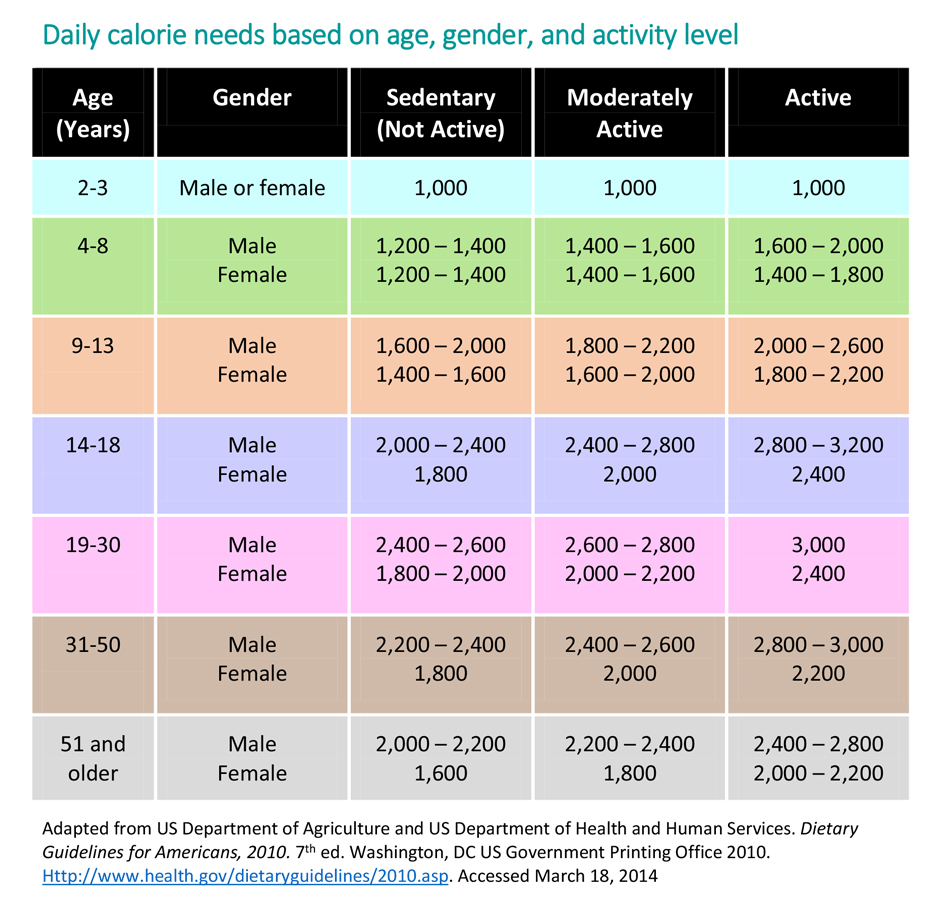
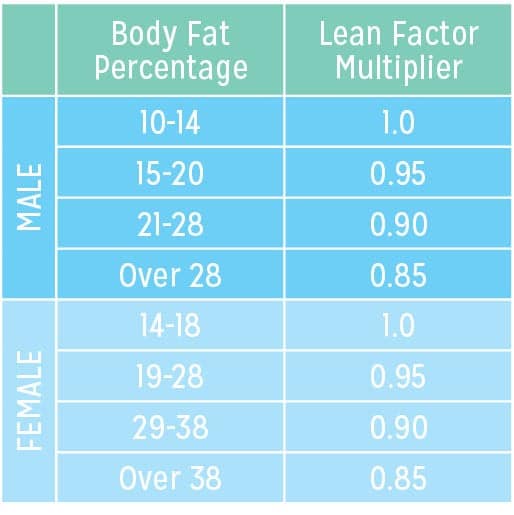
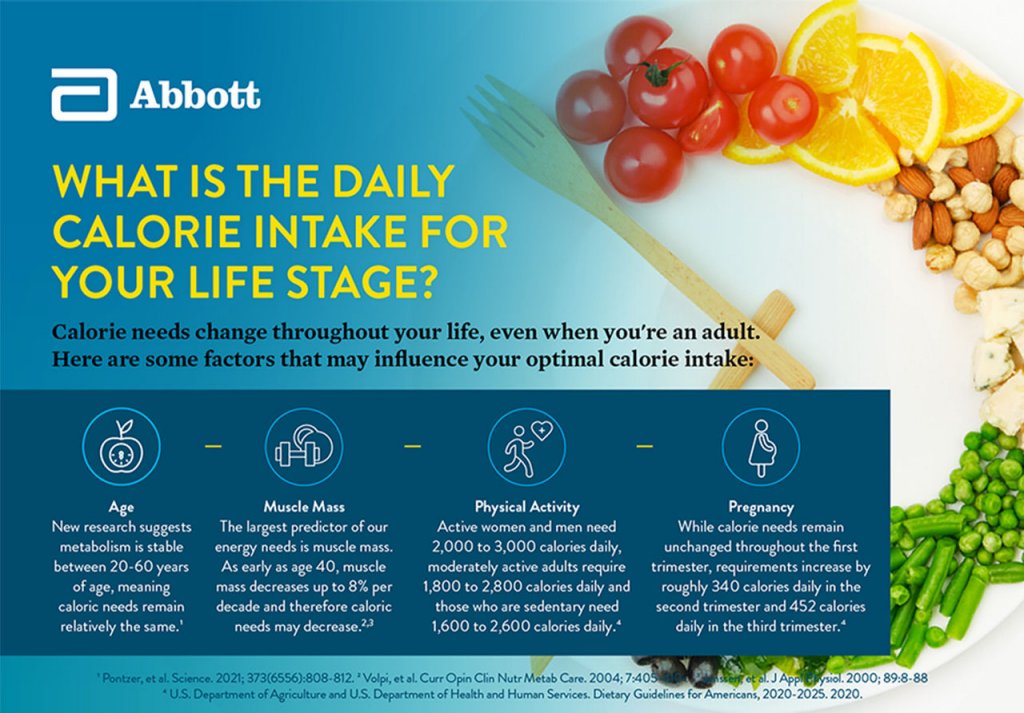
Traditional caloric recommendations, often based on age, gender, and activity level, provide a starting point but rarely account for the nuances of individual metabolism, genetic predispositions, specific health conditions, or even gut microbiome variations. A sedentary 30-year-old male, for instance, might theoretically require 2,400 calories, but this figure could be wildly inaccurate if he possesses a naturally fast metabolism, an underlying thyroid condition, or is training for a marathon. Personalization is no longer a luxury but a necessity for effective and sustainable dietary management. Technology bridges this gap by offering tools that can analyze a multitude of individual data points to create a far more accurate and dynamic caloric target.
The Role of Data in Modern Nutrition: From Input to Insight
The ubiquity of smartphones and the proliferation of connected health devices have turned our daily lives into rich streams of personal data. This data—ranging from activity levels and heart rate variability to sleep patterns and food consumption—is the fuel for modern nutritional technology. What was once subjective estimation is now quantifiable metrics. Advanced algorithms can parse through this data, identify patterns, and offer insights that were previously unimaginable. This shift from qualitative observation to quantitative analysis empowers individuals and health professionals alike to make informed decisions about caloric intake, moving from reactive adjustments to proactive, predictive nutritional planning.
AI-Powered Nutrition Platforms: Your Digital Dietitian
The advent of Artificial Intelligence (AI) has perhaps had the most profound impact on personalized nutrition, effectively offering a “digital dietitian” that learns, adapts, and advises based on individual data. These sophisticated platforms move far beyond simple calorie counters.
How AI Learns Your Body and Goals: Machine Learning at Work
AI-powered nutrition platforms leverage machine learning algorithms to process vast amounts of personal information. Users typically input details such as their age, gender, height, weight, activity level, dietary preferences (vegetarian, vegan, keto, etc.), allergies, and specific goals (weight loss, muscle gain, maintenance). However, the real power of AI lies in its continuous learning. As users log their meals, track their workouts, and report on their progress, the AI system refines its understanding of their unique metabolism and response to different dietary patterns. It can identify macronutrient ratios that yield the best results, predict satiety levels from specific foods, and even adjust caloric recommendations based on observed metabolic rate changes over time, offering a level of dynamic personalization previously requiring constant professional oversight.
Real-Time Tracking and Adaptive Recommendations: Dynamic Nutritional Guidance
One of AI’s most compelling features in nutrition is its capacity for real-time tracking and adaptive recommendations. Connected to wearables, smart scales, and user-inputted food logs, these platforms can provide instant feedback on whether daily caloric targets are being met. More importantly, they don’t just report numbers; they adapt. If a user has an unusually active day, the AI might suggest a slight increase in caloric intake for that day or the next. If progress towards a goal plateaus, the AI can intelligently suggest adjustments to macronutrient distribution or caloric targets, explaining the rationale behind the changes. This continuous feedback loop and intelligent adaptation make AI platforms incredibly powerful tools for staying on track and optimizing results.
The Future of Personalized Meal Planning with AI: Predictive and Proactive
Looking ahead, AI’s role in personalized nutrition is set to become even more sophisticated. Future platforms are likely to integrate with genetic data, real-time blood glucose monitors, and even microbiome analysis to offer hyper-personalized meal plans that not only consider caloric needs but also optimize for metabolic health, gut diversity, and disease prevention. AI could proactively suggest grocery lists, identify restaurants with suitable menu options, and even design recipes tailored to individual preferences and nutritional requirements, seamlessly weaving dietary management into daily life.
Smart Wearables and IoT Devices: Passive Data Collection for Active Health
Beyond dedicated nutrition apps, smart wearables and the broader ecosystem of Internet of Things (IoT) devices play a crucial role in providing the raw data necessary for accurate caloric intake determination. These devices passively collect information about our bodies and activities, feeding into comprehensive health profiles.
Activity Trackers and Energy Expenditure Calculation: Estimating Calories Burned
Smartwatches, fitness bands, and other activity trackers have become ubiquitous. These devices utilize accelerometers, gyroscopes, and heart rate sensors to estimate physical activity levels throughout the day, translating movement and physiological responses into approximate calories burned. While not perfectly precise, they offer a far more accurate estimation of daily energy expenditure than manual calculations based on generalized activity levels. This information is vital because caloric intake must balance against expenditure for weight management. An accurate estimate of calories burned allows nutrition apps and AI platforms to dynamically adjust daily caloric targets, ensuring that intake aligns with output.
Connecting the Dots: From Activity to Intake Needs: A Holistic View
The true power of wearables emerges when their data is integrated with nutrition tracking applications. When a fitness tracker automatically uploads exercise duration and intensity to a calorie-counting app, the app can then provide an updated net caloric balance. For example, if a user burns an extra 500 calories during an intense workout, the integrated system can inform them that their remaining caloric budget for the day has increased by that amount, allowing for greater flexibility or ensuring they meet their energy needs for recovery and performance. This interconnectedness fosters a holistic view of energy balance, making the determination of “what should my caloric intake be” a dynamic, data-driven process.
Advanced Biometric Sensors and Their Potential Impact: Deeper Insights
The next generation of wearables promises even deeper insights. Continuous glucose monitors (CGMs), for instance, are moving beyond diabetes management to provide real-time feedback on how different foods affect blood sugar levels in non-diabetic individuals. This information can reveal personal sensitivities and help optimize food choices not just for calories but for metabolic stability. Future sensors may track hydration levels, muscle oxygenation, or even specific biomarkers, offering an unprecedented understanding of how the body responds to diet and exercise. These advanced biometric data points will further refine caloric intake recommendations, moving us towards truly predictive and preventative nutrition.
The Ecosystem of Nutrition Apps and Software Tools: Everyday Empowerment
While AI and advanced sensors represent the cutting edge, the foundation of modern caloric management lies in a robust ecosystem of nutrition apps and software tools that empower individuals with daily tracking and analysis capabilities.
Comprehensive Food Databases and Barcode Scanners: Simplifying Logging
The biggest hurdle in accurate caloric tracking has traditionally been the tedious process of logging every meal and snack. Modern nutrition apps address this with vast, user-generated, and professionally curated food databases that contain nutritional information for millions of food items, including restaurant meals and packaged goods. Barcode scanners further streamline the process, allowing users to instantly log entire products with a simple scan. This ease of input drastically improves adherence to tracking, leading to more accurate data for personal analysis and AI-driven recommendations.
Macro and Micronutrient Analysis at Your Fingertips: Beyond Calories
These applications go far beyond mere calorie counting. They provide detailed breakdowns of macronutrients (carbohydrates, proteins, fats) and often a comprehensive list of micronutrients (vitamins, minerals). This level of detail is critical for understanding dietary quality and ensuring nutritional adequacy, not just energy balance. For athletes, bodybuilders, or individuals managing specific health conditions, precise macronutrient targets are often as important as total caloric intake. Having this data readily available empowers users to make informed food choices that align with their specific goals.
Integration with Health Records and Professional Guidance: Collaborative Care
Many advanced nutrition platforms offer integration capabilities with electronic health records (EHRs) and telehealth platforms. This allows users to seamlessly share their dietary logs and progress reports with registered dietitians, doctors, or fitness coaches. This collaborative approach enhances professional guidance, enabling healthcare providers to offer more personalized and evidence-based recommendations based on real-world data rather than anecdotal recall. The technology acts as a bridge, fostering a more connected and efficient healthcare experience.
Navigating the Digital Nutrition Frontier: Best Practices and Considerations
While technology offers unprecedented opportunities for personalized caloric management, it’s essential to approach this digital frontier with awareness and critical thinking.
Data Privacy and Security in Health Tech: Protecting Personal Information
With the collection of highly personal health data, privacy and security become paramount concerns. Users must carefully review the privacy policies of apps and devices, understanding how their data is stored, shared, and utilized. Opt for platforms that adhere to robust data security standards and offer clear controls over personal information. The convenience of personalized insights should never come at the expense of privacy.
The Importance of Human Oversight and Professional Consultation: Tech as a Tool
Despite the sophistication of AI and smart devices, technology remains a tool. It cannot replace the nuanced understanding, empathy, and personalized advice that a qualified human professional—like a registered dietitian, nutritionist, or doctor—can provide. Technology is excellent for data collection and analysis, but interpreting complex health scenarios, addressing emotional eating patterns, or managing chronic diseases still requires human expertise. Use technology to empower yourself and inform your conversations with health professionals, not as a sole replacement.
Choosing the Right Tools for Your Individual Needs: A Tailored Approach
The market is flooded with countless apps and devices. The key is to select tools that genuinely align with your individual goals, lifestyle, and comfort level with technology. Consider factors such as ease of use, accuracy of databases, integration capabilities with other devices you own, and the level of personalization offered. Start simple, and gradually incorporate more advanced tools as your understanding and needs evolve. The best technology for caloric intake is one that you can consistently and effectively integrate into your daily life.
In conclusion, answering “what should my caloric intake be?” is no longer a static, generalized task. Thanks to technological advancements, it has become a dynamic, data-driven, and highly personalized journey. By intelligently leveraging AI-powered platforms, smart wearables, and a rich ecosystem of digital tools, individuals can gain unprecedented insights into their unique nutritional needs, empowering them to make informed choices that foster sustainable health and well-being in the digital age.
aViewFromTheCave is a participant in the Amazon Services LLC Associates Program, an affiliate advertising program designed to provide a means for sites to earn advertising fees by advertising and linking to Amazon.com. Amazon, the Amazon logo, AmazonSupply, and the AmazonSupply logo are trademarks of Amazon.com, Inc. or its affiliates. As an Amazon Associate we earn affiliate commissions from qualifying purchases.