
Navigating the complexities of cholesterol testing can often feel like deciphering a foreign language. Among the various metrics presented on your lab report, the LDL/HDL ratio stands out as a particularly potent indicator of your cardiovascular risk. While individual cholesterol numbers (LDL-C, HDL-C, and total cholesterol) are important, their relationship to one another, as reflected in this ratio, provides a more nuanced and predictive picture of your heart health. This article delves into what the optimal LDL/HDL ratio is, why it matters, and how you can work towards achieving a healthier balance for the sake of your long-term well-being.

The Foundation: Understanding LDL and HDL Cholesterol
Before we dissect the ratio, it’s crucial to grasp the fundamental roles of LDL and HDL cholesterol. Cholesterol itself is a waxy, fat-like substance that is essential for building healthy cells. However, it’s the carriers of cholesterol in the bloodstream that determine its impact on your health. These carriers are lipoproteins, which are combinations of fat and protein.
Low-Density Lipoprotein (LDL): The “Lousy” Cholesterol
Low-Density Lipoprotein, commonly referred to as LDL, is often labeled the “lousy” or “bad” cholesterol. This designation stems from its propensity to deposit excess cholesterol in the walls of arteries. When LDL levels are high, this deposition can contribute to the formation of plaque, a hardened, fatty substance. This plaque buildup, known as atherosclerosis, narrows the arteries, restricting blood flow and increasing the risk of heart attack and stroke. Think of LDL as the delivery trucks that might occasionally spill their cargo, leading to blockages.
High-Density Lipoprotein (HDL): The “Healthy” Cholesterol
Conversely, High-Density Lipoprotein, or HDL, is lauded as the “healthy” or “good” cholesterol. Its primary function is to act as a scavenger, picking up excess cholesterol from the arteries and transporting it back to the liver. The liver then processes and eliminates this cholesterol from the body. Higher levels of HDL are associated with a reduced risk of heart disease. Imagine HDL as the cleanup crew, efficiently removing debris from the arterial roadways.
Calculating and Interpreting the LDL/HDL Ratio
The LDL/HDL ratio is a simple calculation designed to provide a more comprehensive view of your cholesterol profile than individual numbers alone. It’s a snapshot of the balance between the cholesterol that can contribute to arterial buildup and the cholesterol that helps clear it away.
The Calculation: A Simple Division
To calculate your LDL/HDL ratio, you will need the numerical values for your LDL cholesterol and your HDL cholesterol from a recent lipid panel blood test. The formula is straightforward:
LDL/HDL Ratio = (Your LDL Cholesterol Level) / (Your HDL Cholesterol Level)
For example, if your LDL cholesterol level is 130 mg/dL and your HDL cholesterol level is 40 mg/dL, your LDL/HDL ratio would be 130 / 40 = 3.25.
What the Numbers Mean: Decoding Your Risk
The interpretation of the LDL/HDL ratio is generally as follows:
- Ideal Ratio: A lower ratio is generally considered better. A ratio of 3.0 or below is often considered ideal for most individuals. This indicates a favorable balance, with HDL effectively counteracting the potential negative effects of LDL.
- Good Ratio: A ratio between 3.0 and 3.5 is still considered good, but may warrant closer monitoring and lifestyle adjustments.
- Borderline Ratio: Ratios between 3.5 and 4.0 suggest a moderate risk. While not immediately alarming, this range indicates that steps should be taken to improve cholesterol levels, primarily by increasing HDL and/or decreasing LDL.
- High Risk Ratio: A ratio above 4.0 is generally considered high risk. This indicates an unfavorable cholesterol profile where LDL levels are significantly high relative to HDL, posing a greater threat to cardiovascular health.
It’s important to remember that these are general guidelines. Your healthcare provider will interpret your LDL/HDL ratio in the context of your overall health, medical history, age, sex, family history, and other risk factors for heart disease. Factors such as blood pressure, diabetes, smoking status, and weight all play a role in determining your individual risk profile.

Factors Influencing Your LDL/HDL Ratio and Strategies for Improvement
Understanding your LDL/HDL ratio is the first step; the next is actively working to improve it. Numerous lifestyle factors, from diet and exercise to stress management and sleep, can significantly influence both your LDL and HDL levels.
Dietary Adjustments for a Healthier Ratio
Your diet is a powerful tool in managing your cholesterol. Focusing on nutrient-dense foods can help lower LDL and boost HDL.
- Increase Soluble Fiber Intake: Soluble fiber binds to cholesterol in your digestive system and helps remove it from your body. Excellent sources include oats, barley, beans, lentils, apples, citrus fruits, and psyllium. Aim to incorporate at least 5-10 grams of soluble fiber per day.
- Embrace Healthy Fats: Replace saturated and trans fats with unsaturated fats. Monounsaturated fats (found in olive oil, avocados, nuts, and seeds) and polyunsaturated fats (found in fatty fish like salmon and mackerel, walnuts, and flaxseeds) can help lower LDL cholesterol. Omega-3 fatty acids, a type of polyunsaturated fat, are particularly beneficial for heart health.
- Limit Saturated and Trans Fats: Saturated fats are primarily found in red meat, full-fat dairy products, butter, and tropical oils like palm and coconut oil. Trans fats, often found in processed foods, baked goods, and fried items, are particularly detrimental to heart health, raising LDL and lowering HDL. Always check food labels for partially hydrogenated oils, which indicate the presence of trans fats.
- Consider Plant Sterols and Stanols: These compounds, found naturally in some plants and added to certain foods like margarines and orange juices, can help block cholesterol absorption in your gut, thereby lowering LDL.
The Power of Physical Activity
Regular exercise is a cornerstone of cardiovascular health and plays a significant role in improving your cholesterol profile, particularly by boosting HDL.
- Aerobic Exercise: Activities like brisk walking, jogging, swimming, cycling, and dancing are highly effective in raising HDL cholesterol. Aim for at least 150 minutes of moderate-intensity aerobic activity or 75 minutes of vigorous-intensity aerobic activity per week.
- Strength Training: While aerobic exercise is primarily known for its HDL-boosting effects, strength training also contributes to overall cardiovascular health and can indirectly support a healthy lipid profile by improving body composition.
- Consistency is Key: The benefits of exercise are cumulative. Regular, consistent physical activity is more impactful than sporadic bursts of intense workouts.
Lifestyle Modifications Beyond Diet and Exercise
Several other lifestyle choices can profoundly impact your LDL/HDL ratio. Addressing these areas can provide a holistic approach to cardiovascular risk reduction.
- Weight Management: Losing even a small amount of excess weight can have a significant positive impact on your cholesterol levels, particularly by increasing HDL cholesterol and decreasing LDL cholesterol.
- Smoking Cessation: Smoking is detrimental to cardiovascular health in many ways, including its negative impact on cholesterol. Smoking lowers HDL cholesterol and damages artery walls, making them more susceptible to plaque buildup. Quitting smoking is one of the most impactful steps you can take to improve your heart health.
- Moderate Alcohol Consumption: For some individuals, moderate alcohol consumption (up to one drink per day for women and up to two drinks per day for men) has been linked to higher HDL cholesterol levels. However, the benefits are modest, and excessive alcohol intake can have numerous negative health consequences. It’s crucial to discuss alcohol consumption with your doctor, especially if you have any pre-existing health conditions.
- Stress Management: Chronic stress can indirectly affect cholesterol levels through its impact on eating habits, sleep, and inflammation. Engaging in stress-reducing activities like meditation, yoga, deep breathing exercises, or spending time in nature can be beneficial.
- Adequate Sleep: Poor sleep quality and duration have been linked to adverse changes in lipid profiles, including lower HDL cholesterol. Prioritizing 7-9 hours of quality sleep per night is essential for overall health.
When to Consult Your Healthcare Provider
While understanding your LDL/HDL ratio and implementing lifestyle changes are empowering steps, it’s vital to involve your healthcare provider in your cardiovascular health journey.
Understanding Your Personal Risk Profile
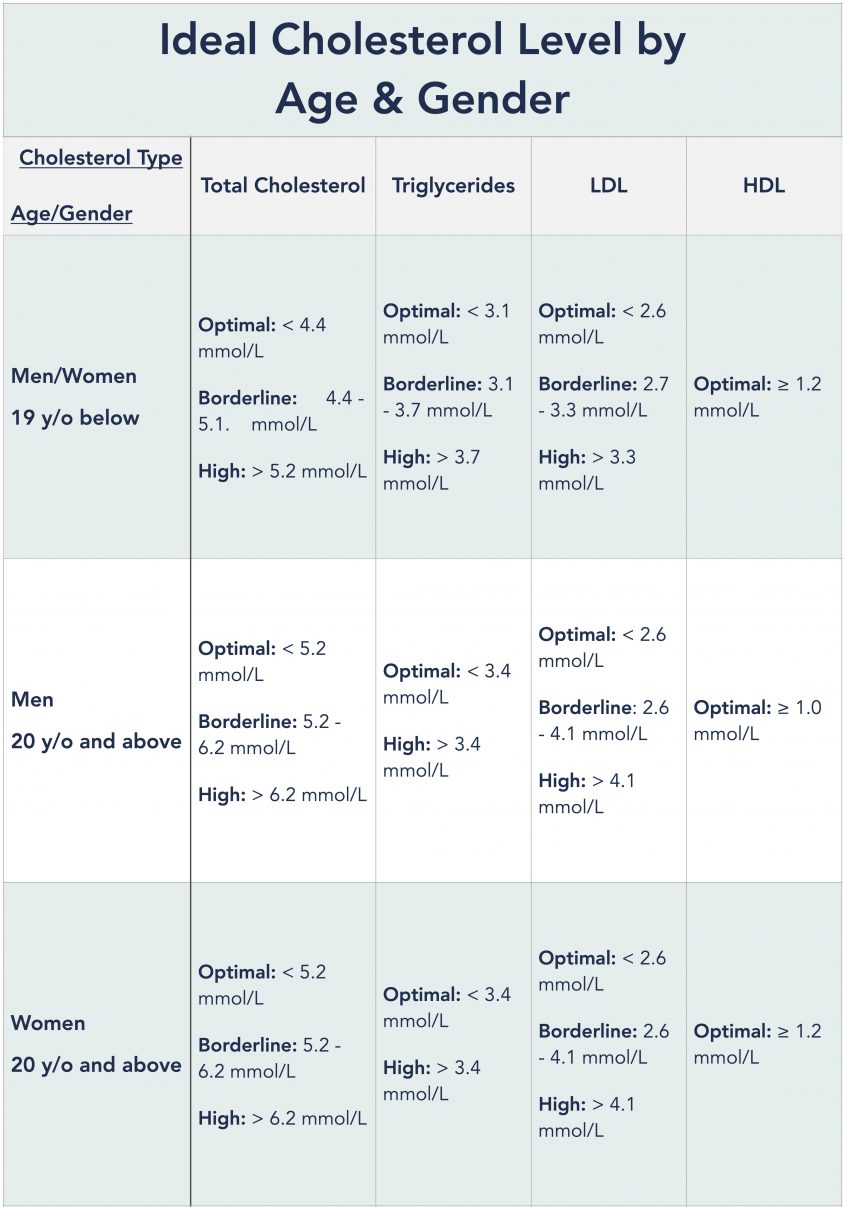
Your doctor is the best resource for interpreting your LDL/HDL ratio within the broader context of your individual health. They will consider your:
- Age and Sex: Cholesterol levels and cardiovascular risk can vary based on age and sex.
- Family History: A strong family history of heart disease can increase your predisposition to high cholesterol and cardiovascular events.
- Other Medical Conditions: Conditions like diabetes, high blood pressure, and obesity significantly increase cardiovascular risk and influence cholesterol management strategies.
- Medications: Certain medications can affect cholesterol levels.
Medication and Professional Guidance
In some cases, lifestyle modifications alone may not be sufficient to achieve a healthy LDL/HDL ratio. Your doctor may recommend cholesterol-lowering medications, such as statins, ezetimibe, or PCSK9 inhibitors, if your risk factors are high. These medications, when combined with lifestyle changes, can be highly effective in reducing your risk of heart attack and stroke. Regular follow-up appointments with your doctor are crucial to monitor your cholesterol levels, assess the effectiveness of treatments, and adjust your management plan as needed.
Ultimately, the LDL/HDL ratio is a valuable tool in understanding your cardiovascular health. By understanding what this ratio signifies and actively implementing healthy lifestyle choices, you can take significant strides towards a healthier heart and a longer, more vibrant life. Remember, a proactive approach, in partnership with your healthcare provider, is the most effective strategy for managing your cholesterol and protecting your cardiovascular well-being.
aViewFromTheCave is a participant in the Amazon Services LLC Associates Program, an affiliate advertising program designed to provide a means for sites to earn advertising fees by advertising and linking to Amazon.com. Amazon, the Amazon logo, AmazonSupply, and the AmazonSupply logo are trademarks of Amazon.com, Inc. or its affiliates. As an Amazon Associate we earn affiliate commissions from qualifying purchases.