
First impressions are not merely social cues; they are branding exercises. In the competitive landscape of modern dating, the outfit you choose is the physical representation of your personal brand identity. Much like a corporation utilizes visual assets to communicate its values, mission, and reliability, your attire acts as the primary marketing material for your persona. When you walk into a coffee shop or a dimly lit restaurant for a first date, you are delivering a pitch. The goal is to ensure your visual communication aligns with the narrative you wish to project.

The Psychology of Visual Identity and Brand Positioning
In professional branding, consistency is the bedrock of trust. Similarly, your first-date wardrobe must reflect your authentic identity while remaining sensitive to the context of the interaction. You are not just wearing clothes; you are signaling your “brand personality.” Are you the minimalist, professional, high-end creative, or the approachable, relaxed innovator?
Defining Your Archetype
Before selecting a garment, you must define your personal brand. If your brand is “Reliability and Ambition,” a structured blazer or a crisp, tailored shirt suggests competence and intention. If your brand is “Innovation and Fluidity,” opting for contemporary cuts or unique textures signals creativity. The key is to avoid “rebranding” for the date. If you typically live in athleisure, showing up in a three-piece suit will create cognitive dissonance—a disconnect between who you appear to be and who you actually are. This inconsistency erodes the trust essential for a second date.
The Role of Color Psychology in Marketing Yourself
Brands spend millions on color theory because specific shades evoke specific visceral reactions. The same applies to your attire. Navy blue is the color of authority and stability—it is the safest and most effective choice for almost any demographic. It signals that you are grounded. Black implies sophistication and mystery, perfect for evening settings, but it can sometimes feel overly formal or restrictive if not balanced with an appropriate fit. Strategic color selection should serve to enhance your “brand message” without overshadowing the substance of your personality.
Curating the “Product”: Quality, Fit, and Silhouette
In the world of luxury retail, the difference between a high-end product and a mass-market commodity is often the finish. Your clothing functions as your packaging. Regardless of your budget, the fit is the most significant indicator of your attention to detail. A well-tailored item from a mid-range retailer will almost always outperform a luxury garment that fits poorly.
The Power of Tailoring
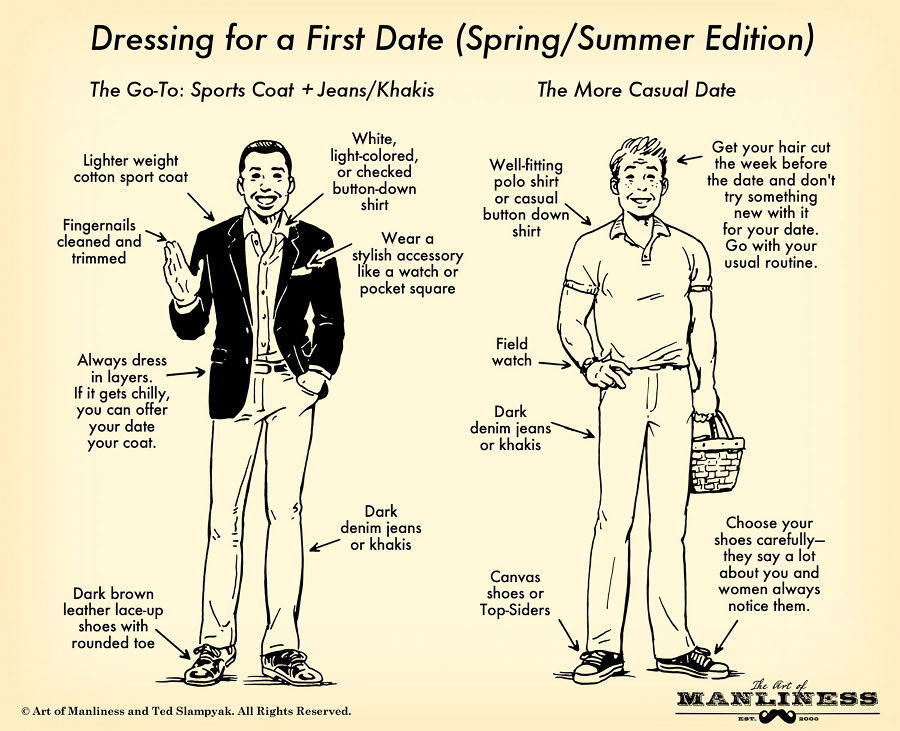
Think of tailoring as the “optimization” phase of your product development. If a shirt is too loose, it suggests a lack of awareness or a disregard for presentation. If it is too tight, it suggests vanity or poor judgment. An optimized fit—where the shoulder seams sit exactly at the edge of your shoulders and the sleeves break at the wrist—demonstrates a high level of self-awareness and respect for the environment you are entering. It signals that you value quality control in your own life.

Fabric Integrity and Maintenance
A brand that ignores its maintenance protocols will inevitably fail. Your clothing is a reflection of your lifestyle management. Wrinkled fabrics, frayed hemlines, or visible lint signal chaos and poor planning. Conversely, high-quality, crisp, and clean fabrics suggest that you are organized and attentive to the “small details”—which, in any form of partnership, are the metrics by which you will eventually be judged. Choose natural fibers like cotton, wool, or linen over synthetic blends; they hold their structure better and communicate a sense of “premium” quality that cheap polyester cannot emulate.
Contextual Strategy: Venue Selection and Dress Code
An effective brand strategist knows that “place” is a critical component of the marketing mix. You would not launch a luxury watch line in a discount grocery store; similarly, you should not wear a tuxedo to a casual taco spot, nor should you wear distressed denim to a high-end steakhouse. Understanding the venue is part of your market research.
Matching the Market Environment
If the venue is a high-energy, trendy cocktail bar, your attire should reflect a “growth stage” vibe—sharp, energetic, and slightly bold. If the venue is a quiet bookstore or a café, your “brand” should project stability and openness. The objective is to be the best-dressed person in the room by only a small margin. You want to be aspirational, not alienating. If you are significantly overdressed, you risk appearing as though you are trying too hard to sell a product that doesn’t exist, which creates skepticism in your counterpart.
The “Capsule” Approach to Dating
Adopt a capsule wardrobe philosophy for your dating life. Instead of searching for the “perfect outfit” for every single person you meet, develop a “uniform” that makes you feel confident. This reduces the cognitive load of decision-making. When you know you have a reliable, well-fitted, and stylish ensemble that works for 80% of venues, you enter the date with reduced anxiety and increased confidence. Confidence is the most attractive “brand asset” you can possess; it is the intangible quality that converts interest into long-term loyalty.
The Final Audit: Refining Your Signature Style
Once you have established your base wardrobe, perform a final audit. The most successful brands continuously refine their presentation based on feedback and market trends. Your first-date attire should be a work in progress, not a finished project.
The Accessory as a Value Proposition
Accessories are the “feature sets” of your outfit. A high-quality watch, a subtle piece of jewelry, or well-maintained footwear serves as a subtle indicator of your value. Shoes, in particular, are the most scrutinized item in your repertoire. They are the foundation of your silhouette. Whether you choose leather loafers, clean minimal sneakers, or high-quality boots, ensure they are polished and free of wear. People subconsciously assess your level of detail by looking at your feet; ensure your “brand” survives this inspection.
Avoiding Common Marketing Pitfalls
The most common mistake in personal branding is attempting to mask insecurities with “loud” garments. Logos, overly trendy pieces, and distracting patterns serve to hide the individual rather than highlight them. Your clothing should facilitate the interaction, not command the entire conversation. If your date is spending more time looking at your flashy belt buckle than your face, your visual marketing is failing. Your goal is to curate an aesthetic that is clean, memorable, and aligned with your authentic character.
Ultimately, dressing for a first date is about bridging the gap between who you are and who you want to be perceived as. By treating your wardrobe with the same analytical care you would apply to a business case study, you remove the stress from the process. You are not “dressing to impress” in the traditional sense; you are “dressing to express” your value. When your outward presentation is in harmony with your internal identity, you naturally project an air of consistency and competence. This is not just about clothes—it is about establishing a brand that others are excited to invest time in. By curating your look with intention, you ensure that the very first signal you send is one of success, readiness, and genuine potential.
aViewFromTheCave is a participant in the Amazon Services LLC Associates Program, an affiliate advertising program designed to provide a means for sites to earn advertising fees by advertising and linking to Amazon.com. Amazon, the Amazon logo, AmazonSupply, and the AmazonSupply logo are trademarks of Amazon.com, Inc. or its affiliates. As an Amazon Associate we earn affiliate commissions from qualifying purchases.