
When most people ask, “What should I get my windows tinted?” they are often thinking about aesthetics or basic privacy. However, in the modern era, window tinting has evolved from a simple aesthetic modification into a sophisticated field of materials science and technological engineering. Choosing a tint today is no longer just about picking a shade of black; it is about selecting a high-performance membrane designed to interact with the electromagnetic spectrum, preserve digital connectivity, and enhance the structural integrity of your environment.
From nano-ceramic coatings to electrochromic “smart” glass, the technology behind window films has seen a radical transformation. This guide explores the technical specifications and hardware innovations that define the current window tinting landscape, helping you make an informed decision based on the latest advancements in the industry.
The Evolution of Window Film Technology
The journey of window film technology began with simple dyed plastics that offered little more than a darker view. These early iterations were prone to “purpling” and bubbling because they lacked stable molecular structures. Today, the industry has moved into the realm of molecular engineering, creating films that are thinner, more durable, and significantly more effective.
From Dyed Films to Nano-Ceramic Innovations
The most significant leap in window tech has been the transition from dyed and metallic films to nano-ceramic coatings. Traditional dyed films work by absorbing heat, which can eventually cause the glass to radiate warmth inward. Metallic films, while better at reflecting heat, often interfere with electronic signals—a major drawback in our hyper-connected world.
Nano-ceramic technology utilizes microscopic, non-conductive ceramic particles. These particles are small enough to be invisible to the naked eye, allowing for high clarity, yet they are incredibly effective at blocking specific wavelengths of light. Because ceramic is non-metallic, these films do not interfere with 5G signals, GPS, or satellite radio, making them the gold standard for modern tech-heavy vehicles and smart homes.
The Role of Spectrally Selective Coatings
Advanced window films now employ “spectral selectivity.” This is the ability of a material to permit the passage of visible light while simultaneously blocking the invisible infrared (heat) and ultraviolet (damaging) rays. Through a process known as sputtering—where exotic metals like silver or gold are deposited onto polyester film at an atomic level—manufacturers can create coatings that are “intelligent.” This technology allows you to have a window that looks virtually clear but performs like a heavy-duty thermal barrier, maintaining the architectural integrity of a building or the original look of a car while providing maximum protection.
Understanding the Physics of Protection: IRR and TSER
To answer the question of “what” to get, one must understand the technical metrics used to measure performance. In the tech niche, we look at the data. The two most critical specifications are Infrared Rejection (IRR) and Total Solar Energy Rejection (TSER).
Infrared Rejection (IRR) and Heat Management
Infrared light is responsible for the “burning” sensation you feel on your skin when sitting near a window in direct sunlight. High-end tech films are engineered to target the near-infrared spectrum (780nm to 2500nm). A premium ceramic tint can reject up to 99% of these wavelengths. By managing infrared light, the film reduces the load on HVAC systems, leading to lower energy consumption and prolonged life for cooling hardware. This is not just comfort; it is thermal management for your micro-environment.
UV Protection: Safeguarding Electronics and Interiors
While heat is a nuisance, Ultraviolet (UV) radiation is a silent destroyer. UV rays are responsible for the degradation of polymers, the fading of high-end interior materials, and the overheating of sensitive electronic components. Modern high-tech tints act as a “SPF 1000” barrier, blocking 99.9% of UV-A and UV-B rays. For tech enthusiasts, this is vital; it prevents the dashboard of a vehicle or the interior of a home office from becoming a “solar oven” that can bake the internal circuitry of laptops, monitors, and integrated touchscreen displays.
Smart Tinting and the Future of Dynamic Windows

The most exciting frontier in window technology is the move from “static” films to “dynamic” systems. We are currently witnessing the integration of software-controlled shading and chemical reactions that respond to the environment in real-time.
Photochromic vs. Electrochromic Technology
Photochromic films function similarly to transition lenses in eyeglasses; they darken automatically when exposed to intense sunlight. This is a passive technology that requires no power source, relying instead on chemical reactions within the film layer.
On the higher end of the tech spectrum is electrochromic technology, often referred to as “Smart Glass.” This involves a multi-layer stack of materials that react to a small electrical voltage. With the touch of a button or a command from a smartphone app, the alignment of molecules within the film changes, transitioning the window from transparent to opaque or tinted. This is the pinnacle of privacy and light control, allowing for a customizable environment that adapts to the user’s needs throughout the day.
Integration with Smart Home and IoT Ecosystems
In the context of the Internet of Things (IoT), window tinting is no longer a standalone product. Modern smart tints can be integrated into home automation systems like Crestron, Lutron, or open-source platforms. By using light sensors (photometers) and temperature sensors, a smart home can automatically adjust the “tint level” of the windows to optimize for natural light or to reduce the cooling load during peak sun hours. This level of automation represents the intersection of material science and software engineering, turning a passive window into an active participant in an energy-efficient ecosystem.
Signal Interference and Connectivity in a 5G World
One of the most overlooked aspects of choosing a window tint is its impact on digital security and signal integrity. As we move toward 5G networks and increasingly rely on satellite-based positioning, the material composition of your window tint matters more than ever.
Why Metallic Tints are Becoming Obsolete
In the past, high-performance tints relied on a “sputtered metal” layer to reflect heat. While effective for thermal control, these metallic layers act as a Faraday cage. For a modern vehicle equipped with autonomous driving sensors, Wi-Fi hotspots, and complex telematics, a metallic tint can degrade signal strength by several decibels. This leads to dropped calls, slower data speeds, and GPS inaccuracies. In a world where connectivity is a utility, the “tech-correct” choice is to avoid metallic films entirely.
Carbon and Ceramic: Staying Connected
Carbon-based films and ceramic-based films are the industry’s answer to the connectivity problem. Carbon films use nano-carbon particles which are excellent at blocking infrared light and do not fade over time. However, carbon can sometimes create a “haze” or a slightly “milky” appearance.
Ceramic films remain the premium choice for the tech-conscious consumer. They provide the highest TSER-to-VLT (Visible Light Transmission) ratio without any signal attenuation. Whether you are conducting a Zoom call from your parked car or managing a server room with external windows, ceramic technology ensures that your hardware can communicate with the outside world without obstruction.
Choosing the Right Tech Specification
When you finally decide to get your windows tinted, you should look at the specification sheet like you would look at the “specs” of a new smartphone or laptop.
Analyzing VLT (Visible Light Transmission) for Performance
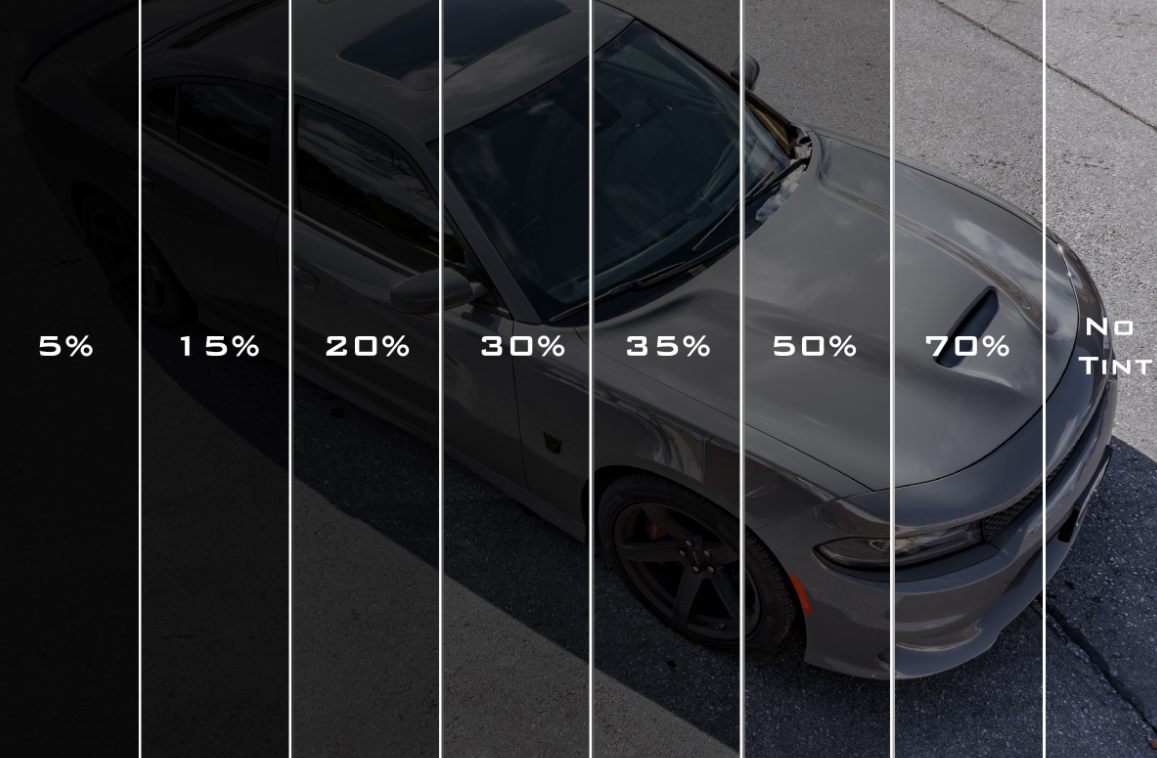
VLT is the percentage of visible light that passes through the glass. A 5% VLT is very dark (limo tint), while an 80% VLT is nearly clear. The “tech” savvy approach is to find the highest TSER at the highest possible VLT. This ensures that you aren’t sacrificing visibility for protection. High-tech ceramic films can often achieve 60% TSER with a 70% VLT, a feat of engineering that was impossible a decade ago.
Longevity, Warranty, and Digital Documentation
Finally, consider the manufacturing process. Look for films produced using “Deep Dyeing” or “Nano-Dispersion” techniques, as these ensure the color and protective properties are embedded within the polyester rather than just layered on top. In the digital age, many premium manufacturers now provide “digital IDs” or blockchain-verified warranties for their films, ensuring that you are getting a genuine product that will perform to its technical specifications for the lifetime of the installation.
By focusing on these technological parameters—TSER, IRR, signal transparency, and smart integration—you move beyond the simple question of “how dark” and into the sophisticated territory of “how advanced.” Window tinting, when viewed through the lens of technology, is an essential upgrade for any modern high-performance environment.
aViewFromTheCave is a participant in the Amazon Services LLC Associates Program, an affiliate advertising program designed to provide a means for sites to earn advertising fees by advertising and linking to Amazon.com. Amazon, the Amazon logo, AmazonSupply, and the AmazonSupply logo are trademarks of Amazon.com, Inc. or its affiliates. As an Amazon Associate we earn affiliate commissions from qualifying purchases.