
As a dog owner, you are the primary custodian of your pet’s health. In an era where wearable technology and data-driven insights are transforming the way we monitor human vitals, these same innovations are becoming essential for pet parents. Understanding your dog’s baseline temperature is the first step in leveraging modern health-tech to ensure their longevity. Just as a smart thermostat keeps your home’s climate controlled, monitoring your dog’s internal thermal regulation allows for early intervention, data-backed veterinary visits, and the integration of digital health apps into your pet care routine.
The Normal Canine Thermal Range and Technological Baselines
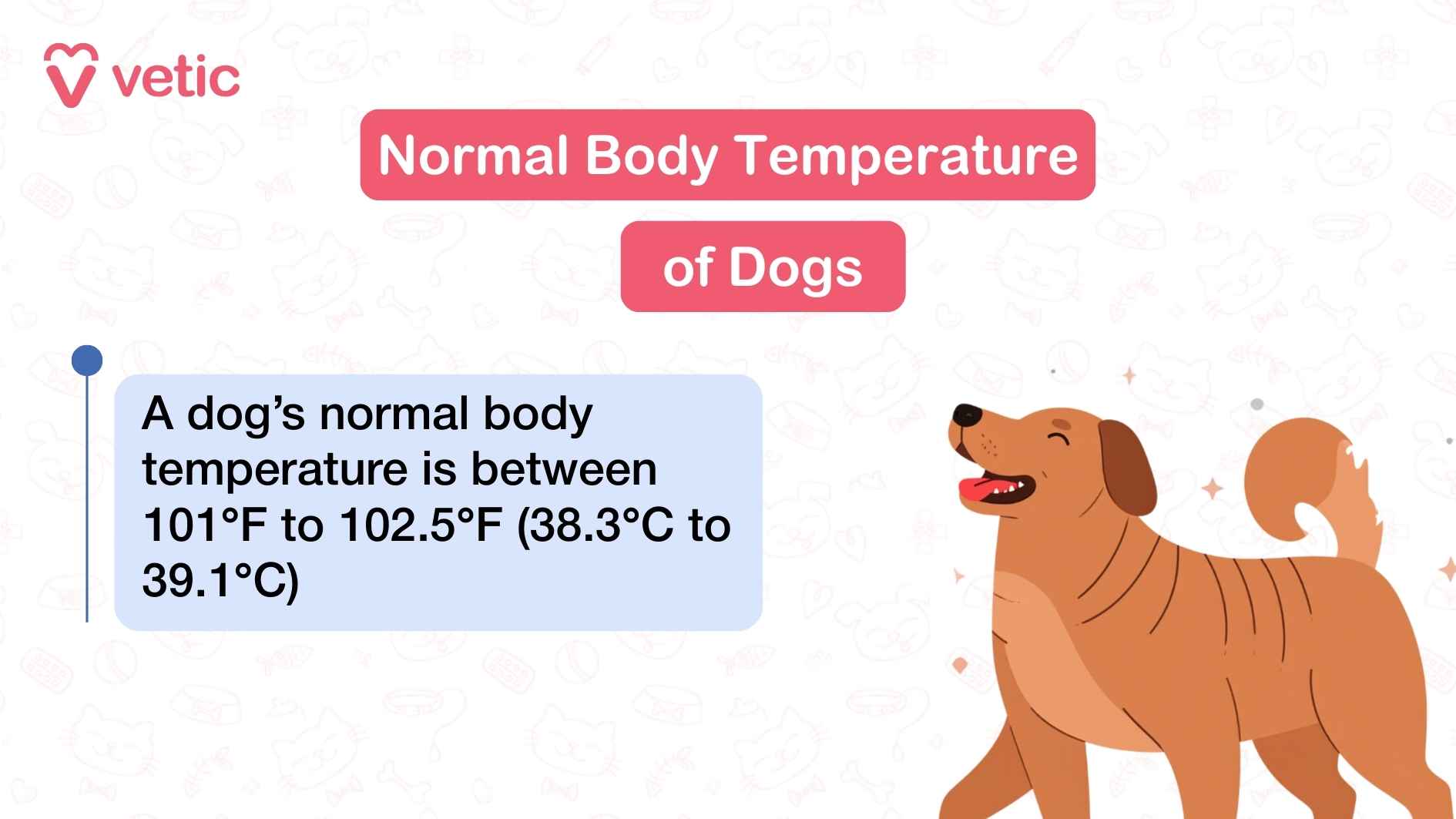
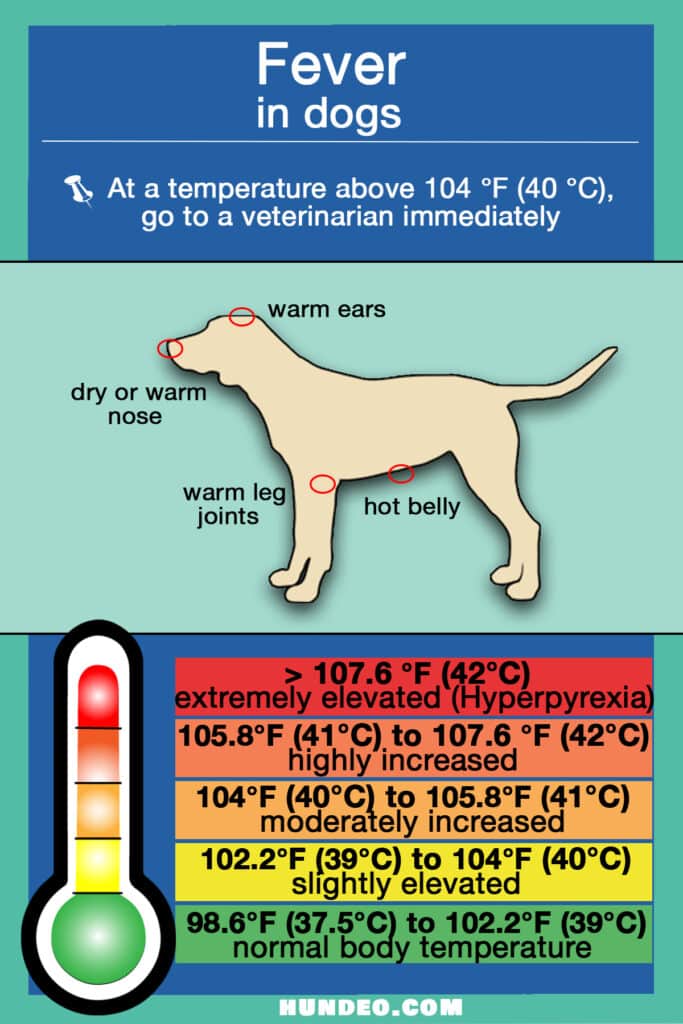
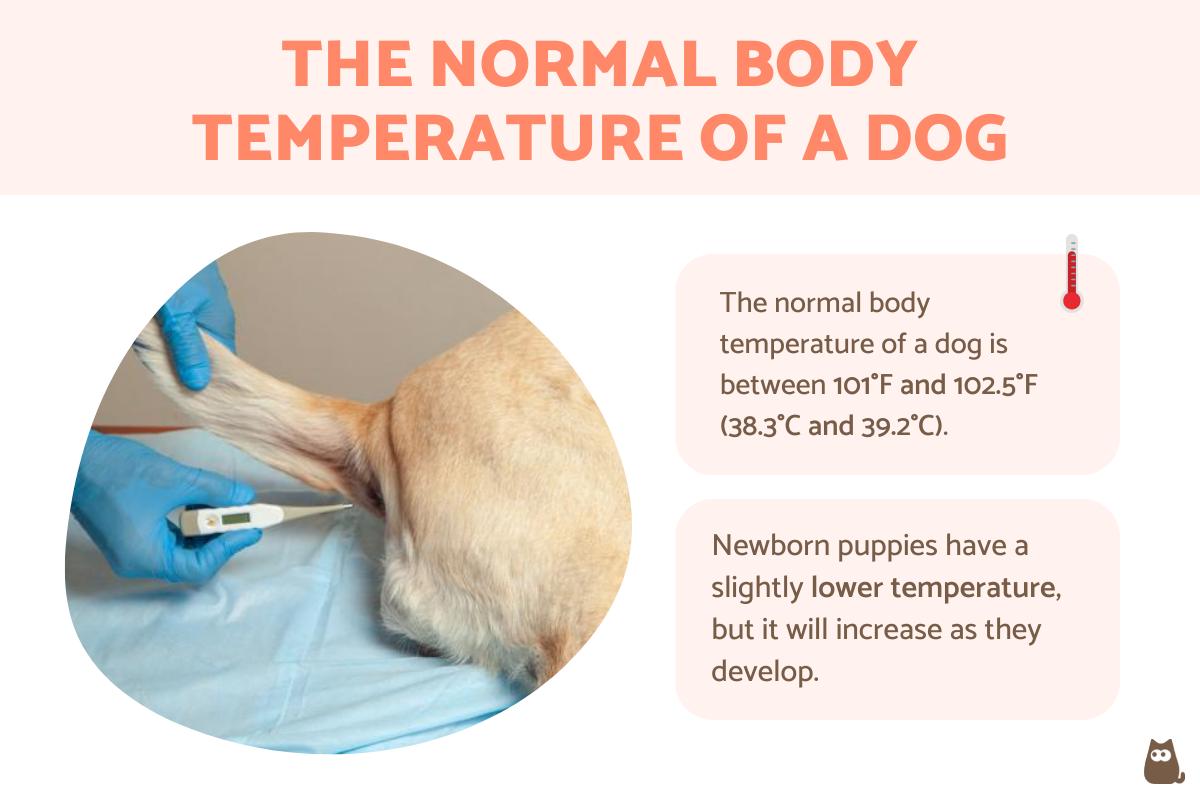
To effectively monitor your dog, you must first understand the standard. A healthy dog’s internal temperature typically ranges between 101°F and 102.5°F (38.3°C to 39.2°C). Unlike humans, dogs have a higher baseline, which often leads to confusion for new owners. When your dog deviates from this range, it serves as a critical data point—a “system alert” that requires immediate attention.
Why Digital Baseline Tracking Matters
In the past, pet owners relied solely on intuition or tactile assessment (like a warm nose, which is an unreliable indicator). Today, digital pet health apps allow you to log daily health markers. By recording your dog’s temperature during periods of wellness, you establish a personal baseline. This data becomes invaluable during a visit to the veterinarian, as it provides a quantifiable history rather than a subjective observation. If your dog’s “normal” is consistently 101.2°F, a reading of 102.2°F, while technically “within range,” might actually be a red flag that warrants investigation.
Choosing the Right Digital Thermometers
The market is saturated with consumer-grade infrared, ear, and digital rectal thermometers. For the most accurate data, digital rectal thermometers remain the industry standard for precision. However, newer infrared scanning devices—which sync via Bluetooth to your smartphone—are gaining popularity. When integrating these into your pet health tech stack, prioritize devices that feature encrypted data storage, ensuring that your pet’s health history remains private and accessible only to you and your chosen veterinary provider.
Leveraging Wearable Tech for Continuous Monitoring
The rise of the “Internet of Pets” has introduced wearable sensors designed to track physiological data in real-time. These devices go beyond simple activity tracking and GPS locating; many advanced collars now include thermal sensors capable of detecting surface temperature fluctuations.
The Evolution of Smart Collars
Smart collars function much like fitness trackers for humans. By constantly gathering data points, they can identify patterns of overheating before a clinical fever manifests. If a device detects a sudden spike in ambient temperature combined with increased respiratory activity, it can trigger an alert on your smartphone. This proactive notification system allows for immediate mitigation—such as moving the dog to a cooler environment—long before a trip to the emergency clinic becomes necessary.
Integrating Health Data with Veterinary Software
The true power of these devices lies in their ability to export data. Most modern pet health platforms now allow you to generate comprehensive reports of your dog’s temperature, heart rate, and activity levels. Sharing this report with your veterinarian via cloud-based portals transforms a standard checkup. Instead of answering broad questions about your dog’s health, you can present precise, time-stamped evidence, allowing the vet to make a more accurate diagnosis based on quantitative trends.
Managing Hyperthermia and Hypothermia in the Digital Age
Thermal instability—whether too hot or too cold—is a medical emergency. Technology acts as a critical line of defense in managing these high-stress situations. Understanding the software and hardware tools available for crisis management is a pillar of responsible pet ownership.
Digital Response Protocols
When a temperature alert is triggered by your monitoring device, time is of the essence. Utilize a mobile app pre-loaded with emergency vet locations and their respective triage protocols. Many digital health platforms offer “tele-triage” features, where you can stream data directly to a technician or veterinarian to determine if an emergency room visit is required. This avoids the “panic-based” approach to care and ensures that resources are allocated effectively.
Preventing Environmental Stress
Modern smart-home tech plays a significant role in temperature maintenance. If you own a breed sensitive to heat, such as a French Bulldog or a Pug, integrating your home’s climate control system (smart thermostats like Nest or Ecobee) with your pet’s health monitoring setup can provide a seamless environment. You can set your smart home to automatically adjust the cooling system if the temperature in your dog’s primary living area exceeds a certain threshold, providing a technological buffer against environmental heat exhaustion.
Data Privacy and the Future of Pet Health Tech
As we lean further into digital monitoring, the security of pet health data becomes a relevant concern for the tech-conscious pet owner. Just as you protect your personal financial or medical data, you must be diligent about the digital footprint of your pet.
Security Best Practices for Pet Data
When selecting apps or devices to monitor your dog’s temperature, perform a brief security audit:
- Encryption: Does the manufacturer encrypt data in transit and at rest?
- Account Security: Does the platform support two-factor authentication (2FA)?
- Data Ownership: Review the Terms of Service to ensure the company isn’t selling your pet’s behavioral data to third-party marketers.
Predictive Analytics: The Next Frontier
The future of canine temperature monitoring lies in artificial intelligence and predictive analytics. Emerging AI-driven tools are being designed to analyze longitudinal data to predict health declines. By observing the trajectory of your dog’s temperature and heart rate over months, algorithms can highlight subtle shifts that the human eye would miss—such as the early onset of chronic inflammation or metabolic changes. Embracing this tech-forward approach ensures that you aren’t just reacting to illness, but actively optimizing your dog’s wellness through consistent, informed monitoring.
Conclusion: The Modern Pet Parent’s Approach
Monitoring your dog’s temperature is no longer a manual, sporadic task; it is a systematic process supported by a wealth of technological tools. From selecting the right digital hardware to integrating wearable sensors and leveraging secure data platforms, you possess the capacity to provide a level of health oversight that was previously unattainable. By understanding the optimal thermal range and utilizing the digital tools at your disposal, you transform from a passive observer into an active, tech-enabled advocate for your dog’s health. The goal of this modern approach is simple: to use the power of information to ensure your companion lives a longer, healthier, and more comfortable life, supported by the best technology available.
aViewFromTheCave is a participant in the Amazon Services LLC Associates Program, an affiliate advertising program designed to provide a means for sites to earn advertising fees by advertising and linking to Amazon.com. Amazon, the Amazon logo, AmazonSupply, and the AmazonSupply logo are trademarks of Amazon.com, Inc. or its affiliates. As an Amazon Associate we earn affiliate commissions from qualifying purchases.