
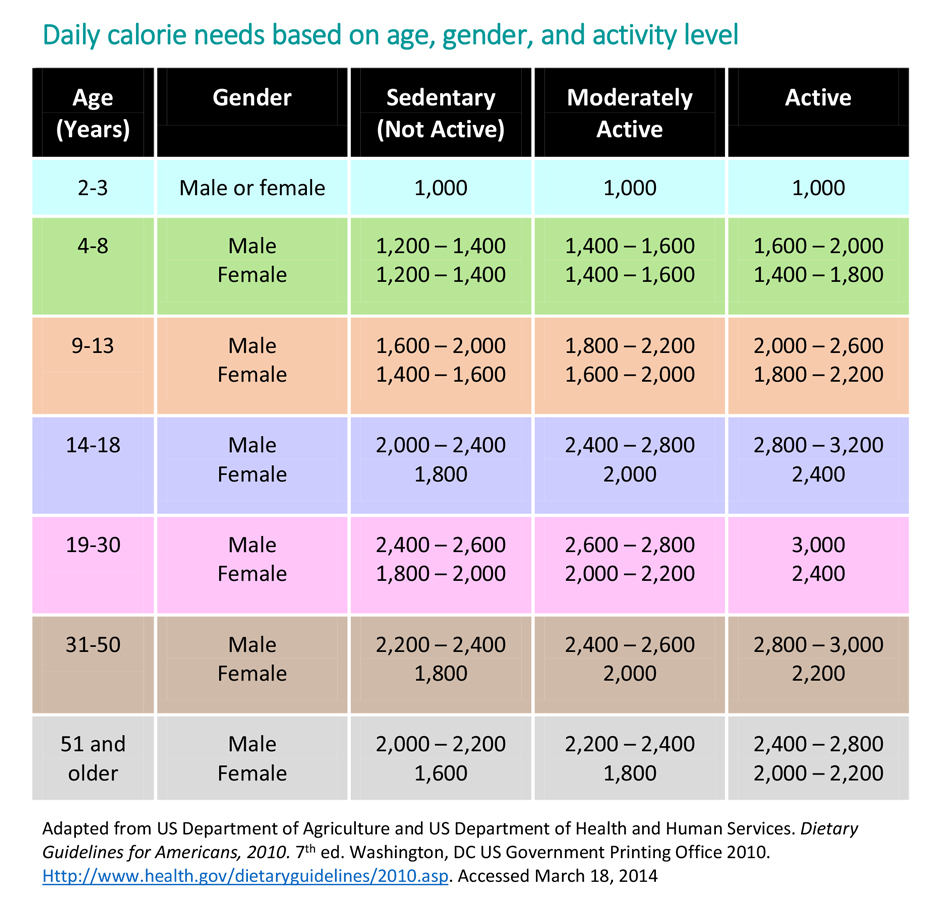
In an age where information is abundant yet often overwhelming, determining the ideal calorie intake remains a fundamental question for anyone pursuing health and fitness goals. For decades, this inquiry relied on generalized formulas, expert consultations, and diligent manual tracking. Today, however, technology has revolutionized our approach, offering unprecedented precision, personalization, and convenience in understanding and managing our daily caloric needs. From sophisticated apps to AI-powered algorithms and integrated wearable devices, the answer to “what should be my calorie intake” is no longer a static number but a dynamic, data-driven insight. This article delves into how the tech landscape empowers individuals to unlock a tailored nutritional strategy, transforming the quest for optimal health into a smart, informed journey.
The Digital Evolution of Nutritional Tracking
The journey to understanding personal calorie requirements has undergone a profound transformation, moving from rudimentary methods to highly sophisticated digital ecosystems. Technology has democratized access to tools that were once the exclusive domain of professional nutritionists and dietitians, making personalized dietary management accessible to everyone with a smartphone.
From Manual Logs to Smart Apps
The initial steps in digital nutritional tracking involved rudimentary online calculators and basic spreadsheet templates. Users would manually input food items, serving sizes, and activity levels, often relying on generic databases for caloric values. While an improvement over paper logs, these methods were time-consuming and prone to human error. The advent of dedicated nutritional tracking applications marked a significant leap forward. Apps like MyFitnessPal, Cronometer, and Lose It! offered extensive food databases, barcode scanners, and intuitive interfaces that streamlined the logging process. These applications not only calculate total calorie intake but also break down macronutrient profiles (proteins, fats, carbohydrates), allowing users to gain a comprehensive understanding of their diet. Many now include features for meal planning, recipe suggestions, and goal setting, turning a simple log into a powerful nutritional management tool. The ease of use and instant feedback provided by these apps have been instrumental in raising dietary awareness and empowering millions to take control of their eating habits.
Wearable Tech and Biometric Integration
The rise of wearable technology has further blurred the lines between fitness tracking and nutritional management. Devices such as smartwatches, fitness bands, and continuous glucose monitors (CGMs) gather a wealth of biometric data, including heart rate, activity levels, sleep patterns, and even stress indicators. When integrated with nutritional apps, this data creates a more holistic and accurate picture of an individual’s energy expenditure. For instance, a smartwatch can estimate calories burned during a workout with greater precision than a general formula, directly influencing the adjusted calorie intake recommendations. CGMs, while primarily designed for diabetes management, offer invaluable insights into how specific foods impact blood sugar levels, helping users make more informed dietary choices beyond just calorie counting. This integration allows for a dynamic adjustment of caloric needs, moving beyond a static daily target to a fluid model that responds to real-time physiological demands. The synergy between what we eat and how our bodies respond, as captured by wearables, provides a level of personalization previously unattainable.
AI and Machine Learning: Precision in Calorie Prescription
The next frontier in personalized nutrition is driven by artificial intelligence (AI) and machine learning (ML). These advanced technologies are moving beyond simple data aggregation to sophisticated analysis, offering unprecedented accuracy and adaptive guidance for calorie intake.
Algorithmic Approaches to Basal Metabolic Rate (BMR) and TDEE
Traditionally, Basal Metabolic Rate (BMR) – the calories your body burns at rest – and Total Daily Energy Expenditure (TDEE) – BMR plus activity calories – were estimated using generalized formulas like Harris-Benedict or Mifflin-St Jeor. While useful, these formulas are broad approximations. AI and ML algorithms take a more granular approach. By analyzing vast datasets comprising individual physiological parameters (age, gender, weight, height, body composition), activity levels (from wearables), and even genetic predispositions, these algorithms can predict BMR and TDEE with far greater accuracy. They learn from patterns of metabolism and energy expenditure observed across large populations, identifying subtle factors that influence caloric needs. This enables a far more precise calculation of an individual’s caloric baseline, moving away from “average” estimates to truly personal ones. Furthermore, as more data is fed into the system over time, the algorithms refine their predictions, offering continuously improving accuracy.
Personalized Recommendations and Adaptive Adjustments
The power of AI extends beyond mere calculation to dynamic recommendation. Instead of providing a fixed calorie target, AI-driven platforms can offer personalized dietary advice that adapts to an individual’s progress and changing circumstances. If a user consistently exceeds or falls short of their goals, the AI can adjust calorie recommendations accordingly, suggesting modifications to macronutrient ratios or specific food choices. For example, if weight loss stalls, the AI might suggest a slight reduction in caloric intake or an increase in protein to promote satiety. If energy levels are consistently low, it might recommend an increase in healthy fats or complex carbohydrates. These systems learn from user behavior, food preferences, and metabolic responses, creating a feedback loop that continually optimizes the nutritional strategy. This adaptive learning is crucial because an individual’s caloric needs are not constant; they evolve with changes in activity, body composition, age, and even stress levels.
Predicting Nutritional Needs Based on Activity and Goals
AI’s predictive capabilities are particularly impactful when it comes to aligning calorie intake with specific fitness goals and activity levels. For an athlete preparing for a marathon, an AI system can analyze training logs (distance, intensity, duration), recovery data (sleep, heart rate variability), and metabolic markers to recommend precise caloric and macronutrient intakes for optimal performance and recovery. Similarly, for someone aiming for muscle gain, the AI can suggest a caloric surplus with appropriate protein distribution throughout the day, adjusting as muscle mass increases. By integrating data from various sources – exercise apps, wearables, and even sleep trackers – AI can anticipate energy demands and proactively recommend adjustments to calorie intake. This predictive power allows individuals to fuel their bodies optimally for upcoming challenges or recovery phases, ensuring their nutritional strategy is always aligned with their aspirations and physiological reality.
Beyond Tracking: Smart Devices for Optimized Intake
The technological assistance for calorie intake extends beyond software and algorithms, manifesting in innovative hardware that brings intelligent nutritional management into our daily lives, particularly in the kitchen.
Smart Scales and Body Composition Analyzers
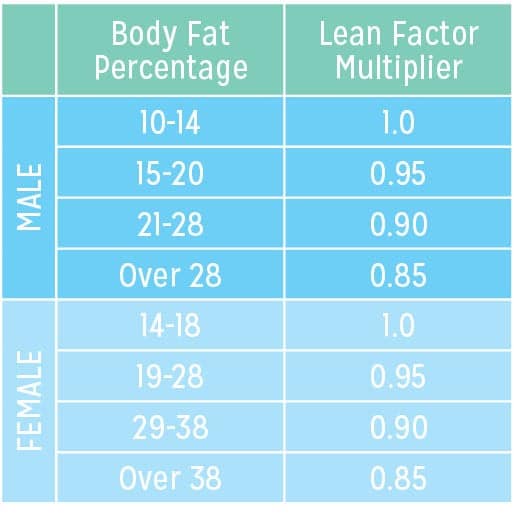
Gone are the days when a bathroom scale merely showed a number. Modern smart scales do far more, integrating with apps and cloud platforms to track weight trends over time. More importantly, many now include bioelectrical impedance analysis (BIA) technology to estimate body composition, including body fat percentage, muscle mass, bone density, and water weight. Understanding these metrics is crucial for refining calorie intake. For example, someone with a higher muscle mass will generally have a higher BMR than someone of the same weight but with more body fat. These scales often connect wirelessly to smartphones, automatically logging data and providing graphical representations of progress, making it easier to see how dietary and exercise changes impact body composition, thus guiding further adjustments to calorie intake. This provides a more nuanced view of progress than just weight alone, empowering more targeted nutritional decisions.
IoT Kitchen Gadgets and Food Scanners
The Internet of Things (IoT) is bringing intelligence directly into our kitchens. Smart kitchen scales, for instance, can not only measure the weight of ingredients but also integrate with food databases to provide real-time nutritional information as you add items. Some models can even guide you through recipes, ensuring precise portion control and accurate calorie counts for home-cooked meals. Beyond scales, innovators are exploring handheld food scanners that use spectroscopy to analyze the macronutrient and caloric content of food on your plate. While still an emerging technology, the potential is immense: imagine instantly knowing the exact caloric value of a restaurant meal or an unlabeled snack. Smart blenders, ovens, and even refrigerators are beginning to offer features that assist with healthy eating, from suggesting recipes based on available ingredients to tracking the shelf life of produce to minimize waste and encourage fresh consumption. These devices move calorie counting from a conscious effort to an integrated, seamless part of the cooking and eating experience.
Virtual Nutrition Coaches and AI-Powered Meal Planning
The advent of AI-powered virtual nutrition coaches and meal planning tools represents a significant leap in personalized dietary support. These platforms can go beyond simple calorie tracking to offer comprehensive nutritional guidance. They often start by assessing a user’s health goals, dietary preferences (vegetarian, vegan, allergies, intolerances), activity levels, and even cooking skill. Based on this profile, the AI generates customized meal plans, complete with recipes, shopping lists, and detailed nutritional breakdowns for each meal, ensuring the total caloric intake aligns perfectly with the user’s objectives. Many of these tools also incorporate machine learning to adapt plans based on user feedback, reported satiety levels, and progress towards goals. Some even offer chatbots or virtual assistants that can answer nutritional questions, provide motivational support, and offer real-time advice. This technology essentially brings a personal nutritionist into your pocket, providing continuous, dynamic support without the high cost or scheduling constraints of a human professional.
Digital Security and Data Privacy in Health Tech
As our personal health data becomes increasingly intertwined with technology, the critical importance of digital security and data privacy cannot be overstated. Sharing intimate details about our diet, activity, and biometric readings with apps and devices raises significant concerns that tech companies must address proactively.
Safeguarding Personal Health Information
The collection of sensitive personal health information (PHI) by fitness trackers, nutritional apps, and smart health devices demands robust security protocols. This data, which can include medical history, dietary habits, weight fluctuations, heart rate, and sleep patterns, is invaluable not only to the user but also potentially to malicious actors or entities seeking to exploit it. Companies developing these technologies must implement advanced encryption methods, secure servers, and multi-factor authentication to protect data from breaches. Regular security audits and compliance with global data protection regulations like GDPR (General Data Protection Regulation) and HIPAA (Health Insurance Portability and Accountability Act) are paramount. Users, in turn, must be educated on best practices for securing their accounts, such as using strong, unique passwords and being wary of phishing attempts. The trust in these technologies hinges entirely on their ability to guarantee the confidentiality and integrity of user data.
Ethical Considerations in AI-Driven Nutrition
The deployment of AI and machine learning in personalized nutrition introduces a layer of ethical considerations that go beyond traditional data security. AI models are only as unbiased as the data they are trained on. If training data reflects societal biases or lacks diversity, the recommendations generated by the AI could be discriminatory or ineffective for certain demographics. There’s also the question of agency: to what extent should an AI system influence deeply personal health decisions like calorie intake? Users must always retain ultimate control and understand that AI recommendations are guides, not absolute commands. Furthermore, the use of predictive analytics and behavioral nudges, while potentially beneficial, raises concerns about manipulation if not implemented transparently and ethically. Companies must ensure explainable AI, allowing users to understand why a particular calorie recommendation or dietary suggestion is being made. Clear terms of service, robust consent mechanisms, and transparent data usage policies are essential to build and maintain user trust in AI-powered health solutions.
The Future Landscape: Seamless Integration and Predictive Health
The trajectory of technology in calorie management points towards an even more integrated, intuitive, and proactive future, moving beyond mere tracking to predictive health management.
Augmented Reality for Food Analysis
Imagine pointing your smartphone at a plate of food and, through Augmented Reality (AR), seeing an overlay that instantly identifies ingredients, estimates portion sizes, and calculates its caloric and macronutrient content. While nascent, this technology is on the horizon. AR could transform meal logging from a manual entry task into an effortless, visual process. Beyond identification, AR applications could offer real-time dietary feedback, suggesting healthier alternatives or displaying how a meal fits into your daily calorie budget right before you eat it. This visual, interactive feedback could significantly enhance dietary compliance and education, making calorie awareness an intuitive part of every mealtime. The integration of AR with existing food databases and AI-driven analysis holds the promise of making nutritional assessment almost instantaneous and highly engaging.
Proactive Health Management Ecosystems
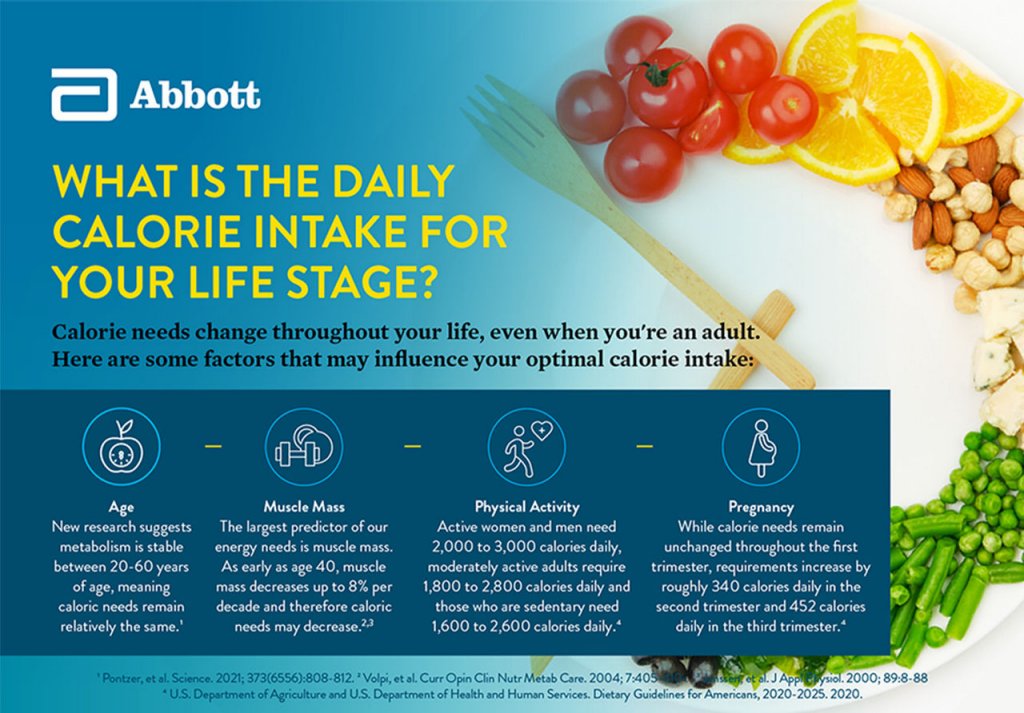
The ultimate goal for health tech is the creation of holistic, proactive health management ecosystems. This vision entails a seamless integration of all your health data sources: wearables, smart scales, nutritional apps, sleep trackers, genetic profiles, and even electronic health records (with appropriate privacy safeguards). An overarching AI system would then continuously analyze this comprehensive data to provide truly personalized and predictive health insights. It wouldn’t just tell you “what should be my calorie intake today” based on your activity; it could predict potential nutritional deficiencies based on your dietary patterns, recommend specific supplements based on your genetic markers, or even alert you to the early signs of metabolic issues by correlating subtle changes in your biometrics and diet. These ecosystems would move beyond reactive health management to a proactive approach, guiding individuals towards optimal health and well-being through intelligent, anticipatory nutritional adjustments. This future promises a world where technology actively collaborates with us to achieve and maintain our ideal calorie intake and, by extension, our best possible health.
In conclusion, the question “what should be my calorie intake” has evolved from a simple numerical query to a complex, data-driven investigation, thanks to the relentless advancement of technology. From accessible tracking apps and integrated wearables to sophisticated AI algorithms and smart kitchen gadgets, tech tools are reshaping how we understand, manage, and optimize our nutritional needs. As these technologies continue to mature and integrate, they promise an even more personalized, proactive, and precise approach to dietary health, empowering everyone to make informed choices for a healthier future.
aViewFromTheCave is a participant in the Amazon Services LLC Associates Program, an affiliate advertising program designed to provide a means for sites to earn advertising fees by advertising and linking to Amazon.com. Amazon, the Amazon logo, AmazonSupply, and the AmazonSupply logo are trademarks of Amazon.com, Inc. or its affiliates. As an Amazon Associate we earn affiliate commissions from qualifying purchases.