
The Anti-Brand Icon: Kurt Cobain’s Footwear as Personal Branding
Kurt Cobain’s personal brand, almost paradoxically, was built on a rejection of conventional branding. His style, including his footwear, was not merely an aesthetic choice; it was a deliberate, albeit often unconscious, statement that resonated with an entire generation. In the realm of personal branding, Cobain represents a fascinating case study: an individual whose identity became so potent that his seemingly effortless choices transformed into powerful brand signals. His shoes, far from being incidental, became emblematic of authenticity, rebellion, and the grunge movement itself. They weren’t expensive, highly marketed fashion statements, but rather accessible, often worn-out symbols that spoke volumes about his ethos and disconnection from mainstream consumerism. This anti-branding stance inadvertently created one of the most enduring and influential personal brands in modern music history.
Subverting Mainstream: Authenticity in Shoe Choice
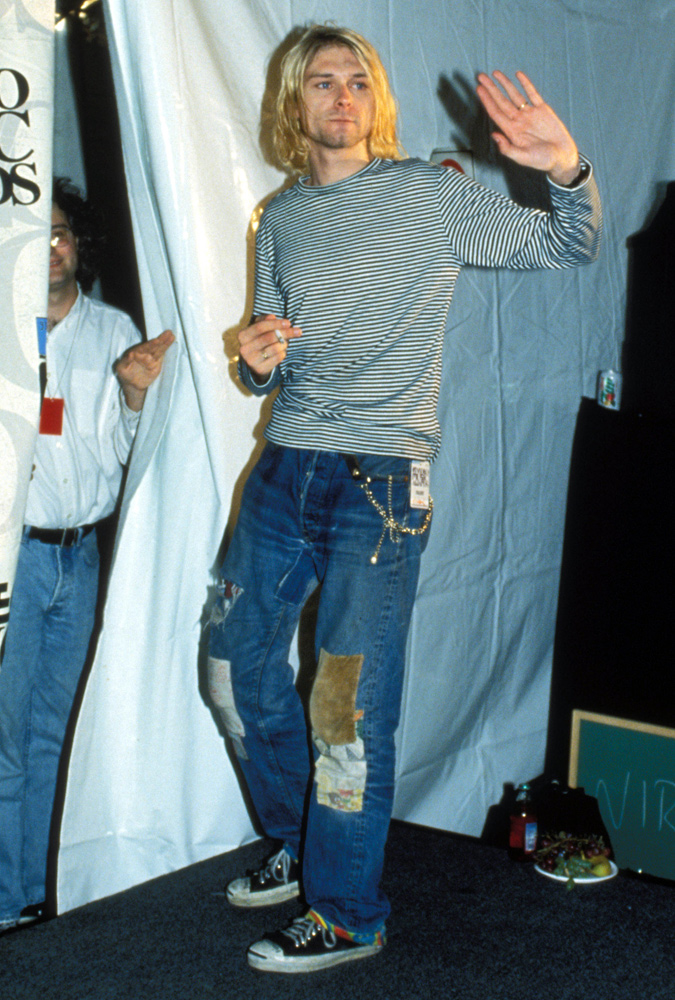
The footwear choices of Kurt Cobain were a direct manifestation of his broader anti-establishment persona. While pop stars of the era were often seen in designer labels or pristine, heavily sponsored athletic shoes, Cobain opted for a stark contrast. His preference for battered, unpretentious sneakers, particularly Converse, was a sartorial rejection of the polished, commercialized image prevalent in the music industry. This wasn’t about strategic product placement; it was about authenticity. He wore shoes that looked like they had been lived in, that had seen countless stages, rehearsals, and everyday moments. This authenticity was a cornerstone of his appeal, fostering a deep connection with fans who felt alienated by manufactured celebrity. For a generation seeking genuine expression, Cobain’s worn-out sneakers were not just footwear; they were a badge of honor, signaling a shared disdain for corporate polish and a celebration of the raw, unadulterated self. This aspect of his personal brand tapped into a fundamental human desire for genuine connection, proving that sincerity could be a more powerful marketing tool than overt promotion.
The Converse Connection: A Deliberate Statement
While Cobain wore various shoes, including Vans and occasionally boots, his association with Converse Chuck Taylor All-Stars is virtually indelible. This preference was more than just comfort or casualness; it was a powerful, if unplanned, branding statement. Converse, particularly the Chuck Taylors, had a long history of being associated with musicians, artists, and rebels, making them a natural fit for Cobain’s image. However, Cobain elevated this association to an iconic status. He wore them with everything—ripped jeans, oversized cardigans, thrift store dresses—making them synonymous with his anti-fashion aesthetic. The simplicity and timelessness of Chuck Taylors aligned perfectly with grunge’s rejection of ostentation. For Converse, Cobain’s adoption of their shoes was an unparalleled, organic endorsement, solidifying their position as a symbol of cool, counter-cultural identity without any direct marketing effort on their part. It showcased how a brand can become deeply embedded in a cultural movement through authentic adoption by an influential figure, far beyond what any advertising campaign could achieve. The image of Kurt Cobain in his scuffed Chucks became a visual shorthand for grunge, a powerful emblem that continues to resonate decades later.
Footwear as a Pillar of Grunge Aesthetics and Marketing
Kurt Cobain’s footwear choices were not isolated fashion statements; they were integral components of the broader grunge aesthetic, which itself was a powerful cultural brand. This aesthetic, characterized by an embrace of imperfection, comfort, and a DIY sensibility, inadvertently created a robust marketing blueprint for an entire subculture. The shoes he wore became shorthand for this visual language, a tangible representation of grunge’s core values. In the absence of traditional marketing campaigns for the movement itself, the consistent visual cues provided by figures like Cobain served to define and propagate the grunge brand globally.
The Allure of Imperfection: Worn-Out Styles as Design Cues
One of the most profound impacts of Cobain’s footwear choices on design and marketing was the validation of imperfection. In an era where many brands pushed for polished, pristine products, grunge celebrated the frayed, faded, and worn. Cobain’s shoes were often visibly scuffed, dirty, or even torn. This wasn’t a flaw; it was a feature, a design cue that communicated authenticity and a rejection of manufactured perfection. This “distressed” aesthetic became a signature element of grunge fashion, influencing everything from clothing lines to accessories. Brands, in turn, began to replicate this look, deliberately designing products with faded washes, ripped details, and worn textures. This phenomenon demonstrated a powerful marketing lesson: sometimes, the most appealing design isn’t about newness or flawlessness, but about character, history, and the story implied by imperfection. Cobain’s shoes, therefore, weren’t just personal items; they were inadvertent design prototypes that shifted consumer perceptions and inspired a new wave of product aesthetics.
Influence on Fashion and Brand Identity
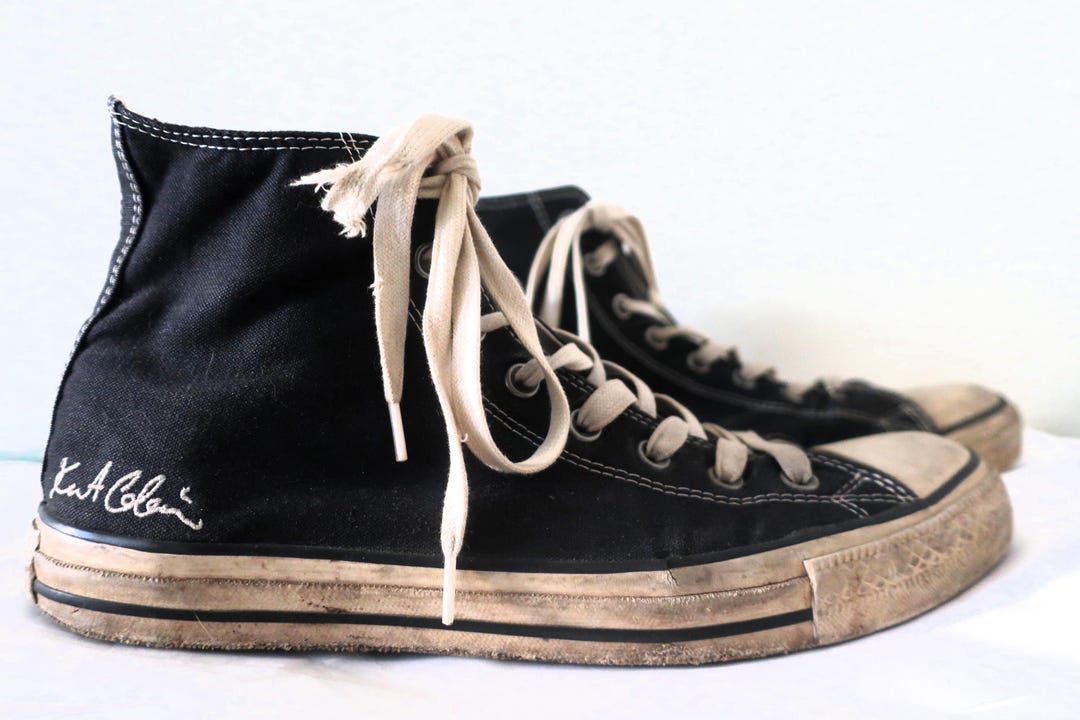
The profound influence of Cobain’s footwear extended far beyond the grunge subculture, permeating mainstream fashion and shaping brand identities. Designers began to incorporate elements of grunge into high fashion collections, elevating the humble sneaker or the distressed boot from a utilitarian item to a statement piece. Brands like Converse, already benefiting from Cobain’s association, leaned into their counter-cultural image, solidifying their brand identity as authentic and edgy. Beyond specific shoe types, the broader message was about comfort, individualism, and a relaxed attitude—values that many clothing and lifestyle brands sought to align with. The adoption of sneakers with formal wear, the rise of “smart casual,” and the blurring lines between high fashion and streetwear can all trace some lineage back to the stylistic boundary-breaking championed by Cobain and the grunge movement. His shoes became a powerful symbol in this cultural shift, demonstrating how an icon’s personal choices can drive widespread shifts in aesthetic preferences and, consequently, influence the strategic positioning and marketing efforts of global brands.
Beyond the Sole: The Enduring Legacy of Cobain’s Style
The impact of Kurt Cobain’s footwear choices transcends mere fashion trends; it speaks to the enduring power of a personal brand that continues to resonate decades after his passing. His shoes are not just relics; they are artifacts imbued with cultural significance, acting as touchstones for his legacy and a testament to the lasting influence of authentic style. The market for items associated with Cobain, particularly his distinct footwear, reveals a dynamic interplay between nostalgia, cultural reverence, and brand valuation.
Resale Value and Collector’s Appeal: A Posthumous Brand Asset
The cultural value of Kurt Cobain’s personal items, especially his shoes, has translated into significant monetary value in the collector’s market. A pair of his worn-out Converse sneakers, or even generic sneakers similar to those he favored, can fetch substantial sums at auction. This phenomenon highlights how a powerful personal brand can create a posthumous asset class. Collectors are not just buying footwear; they are investing in a piece of history, a tangible connection to an icon whose image continues to command respect and fascination. For brand strategists, this illustrates the extreme longevity and financial potential of a deeply ingrained personal brand. The rarity, authenticity, and association with such an influential figure elevate these simple items far beyond their original retail price, transforming them into valuable cultural commodities. This dynamic underscores the long-term equity built through genuine connection and iconic status, demonstrating how a personal brand can generate enduring financial returns through its historical artifacts.
How Brands Leverage His Image Today
Even today, nearly three decades after his death, Kurt Cobain’s image, including his distinctive style, remains a powerful cultural reference point that brands continue to leverage. While direct endorsements from Cobain himself are impossible, brands subtly, and sometimes overtly, tap into the grunge aesthetic he defined. Shoe companies, particularly Converse, often release special editions or retrospectives that subtly allude to their historical connection with rock icons, understanding that Cobain’s legacy remains a potent sales driver. Fashion brands frequently incorporate “grunge-inspired” collections, where distressed denim, oversized knitwear, and, of course, classic sneakers are prominent features. Beyond fashion, the general ethos of authenticity, individuality, and rebellion—all central to Cobain’s personal brand—is adopted by a myriad of lifestyle brands aiming to connect with younger, culturally aware consumers. This indirect leveraging demonstrates the sustained potency of a carefully cultivated (or organically developed) personal brand. It shows how an individual’s style can become a timeless archetype that brands can draw upon to evoke specific emotions, associations, and values in their target audiences, reinforcing their own brand narratives.
Case Study in Counter-Culture Marketing: What We Learn from Cobain’s Shoes
Kurt Cobain’s relationship with his footwear offers a compelling case study in counter-culture marketing and the unexpected power of non-conformity in brand building. His choices, driven by personal preference rather than commercial intent, inadvertently created a marketing phenomenon that defied traditional strategies. This unintentional genius provides invaluable insights for brands seeking to build genuine connection and lasting impact in an increasingly crowded marketplace.
The Power of Authenticity in Building Brand Loyalty
The primary lesson from Cobain’s footwear choices is the undeniable power of authenticity in building enduring brand loyalty. He didn’t wear shoes because he was paid to; he wore them because they fit his lifestyle, his aesthetic, and his refusal to conform. This genuine connection translated into an incredibly loyal following, not just for Nirvana, but for the entire grunge movement and its associated aesthetics. For brands, this illustrates that true loyalty is not bought through sponsorships or aggressive advertising, but earned through genuine alignment with consumer values and an authentic product or message. When a brand embodies sincerity and transparency, it fosters a deeper, more resilient connection with its audience, transforming customers into advocates. Cobain’s legacy, tied so closely to his unpretentious style, serves as a powerful reminder that in the long run, integrity and genuine expression are far more effective brand-building tools than any manufactured image.
From Anti-Fashion to High Fashion: Design Evolution
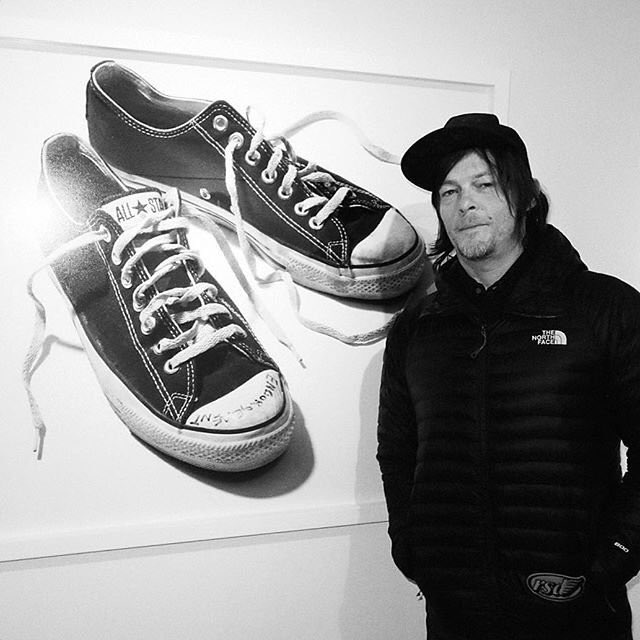
The journey of Kurt Cobain’s preferred footwear from anti-fashion staples to influential design cues in high fashion showcases a fascinating evolutionary path in brand and design strategy. What began as a rejection of mainstream aesthetics eventually became a mainstream aesthetic itself, albeit reinterpreted. This trajectory highlights how genuinely disruptive elements, initially perceived as counter-cultural, can eventually be absorbed and re-contextualized by the very industries they sought to subvert. For designers and marketers, this demonstrates the cyclical nature of trends and the enduring appeal of certain core design principles, like comfort, practicality, and understated rebellion. The “design” of Cobain’s shoes—their simplicity, their worn appearance—became a blueprint that continues to inspire contemporary collections. It teaches us that true innovation often comes from the margins, and that understanding and adapting these emergent aesthetics can lead to profound shifts in product development and brand positioning. Cobain’s shoes didn’t just tell us what he wore; they told us how an uncompromised personal vision could inadvertently shape global brand narratives and design philosophies for decades to come.
aViewFromTheCave is a participant in the Amazon Services LLC Associates Program, an affiliate advertising program designed to provide a means for sites to earn advertising fees by advertising and linking to Amazon.com. Amazon, the Amazon logo, AmazonSupply, and the AmazonSupply logo are trademarks of Amazon.com, Inc. or its affiliates. As an Amazon Associate we earn affiliate commissions from qualifying purchases.