
The allure of a diamond’s sparkle is undeniable, but when it comes to maximizing visual impact, the shape of the stone plays a crucial role. For many buyers, especially those seeking to make a statement or get the most perceived value, the question of which diamond shape appears largest for its carat weight is paramount. While carat weight is the standard measure of a diamond’s mass, it’s the geometry of the cut that dictates how light interacts with the stone and, consequently, how much surface area it presents to the eye. This article delves into the fascinating interplay between diamond shapes and perceived size, exploring the technical aspects of their cuts and how they influence visual perception, ultimately guiding you toward making an informed decision when choosing a diamond that projects maximum brilliance and presence.
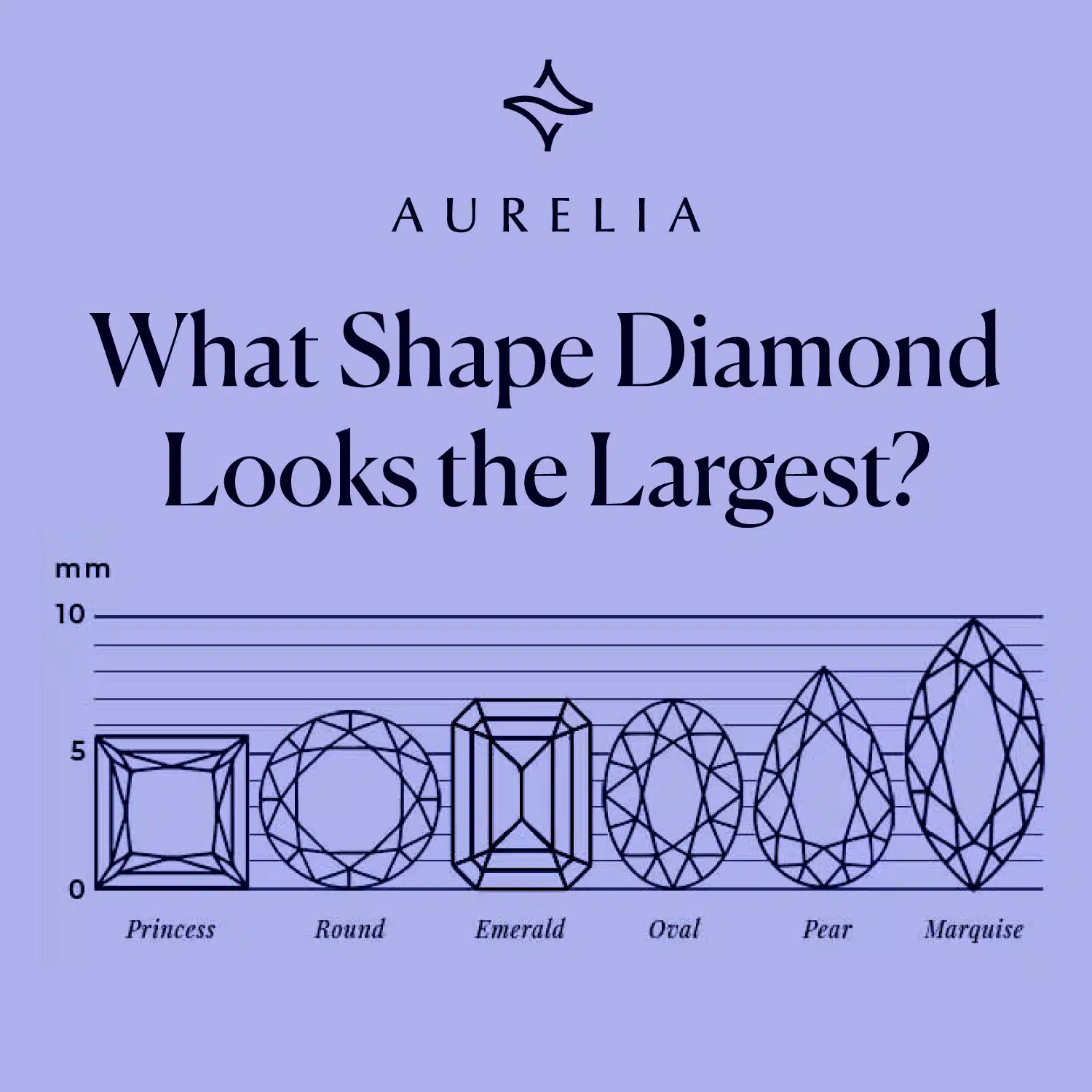
The Science of Perceived Size: Cut Geometry and Light Performance
The perceived size of a diamond is a complex interplay of its physical dimensions and how it interacts with light. While carat weight is a direct measure of mass, it’s the proportions and facet arrangements that determine how much of that mass is “spread out” across the table (the flat top surface) and how effectively light is reflected back to the viewer. This is where the intricacies of diamond cutting become fascinating.
Carat Weight vs. Visual Surface Area
It’s a common misconception that a higher carat weight automatically translates to a visibly larger diamond. This is not always the case. A diamond’s depth and spread are equally, if not more, important for perceived size.
- Depth: The depth of a diamond, measured from the culet (the pointed bottom facet) to the table, significantly impacts its appearance. A diamond that is cut too deep will have a smaller table and appear smaller than a diamond of the same carat weight that is cut shallower, with a larger table. The excess weight is essentially “hidden” in the pavilion (the bottom portion of the diamond).
- Table Size: The table is the largest facet on the diamond and is the primary surface through which light enters and exits. A wider table means more surface area exposed to the eye, making the diamond appear larger. This is a key factor that differentiates how various shapes are perceived.
- Spread: While closely related to table size, spread also considers the overall diameter of the diamond. Two diamonds of the same carat weight can have different diameters depending on their cut. A diamond that is cut to maximize spread will appear larger.
Facet Arrangement and Light Return
The arrangement and number of facets on a diamond are designed to capture, refract, and reflect light, creating its signature sparkle. Different shapes employ different facet patterns, which influence how light is managed.
- Brilliance: This refers to the white light that reflects back from the diamond’s interior and surface. A well-cut diamond will maximize brilliance.
- Fire: This is the dispersion of white light into the colors of the rainbow.
- Scintillation: This describes the flashes of light and shadow that create the diamond’s sparkle as it moves.
The way these light effects are distributed across the surface of different diamond shapes contributes to their perceived size. Some shapes, due to their broader surfaces, can appear to “hold” light and project a larger visual presence.
Diamond Shapes That Maximize Perceived Size
When considering diamond shapes, several stand out for their ability to make a carat weight appear larger than other shapes. This is primarily due to their proportions, table size, and how they distribute light.
The Elongated Champions: Marquise and Oval Cuts
The marquise and oval cuts are often cited as the champions of perceived size due to their elongated nature.
- Marquise Cut: The marquise cut, with its distinctive football-like shape and pointed ends, is renowned for maximizing carat weight visibility. Its length-to-width ratio allows it to have a larger surface area relative to its carat weight compared to round diamonds. The two pointed ends can also create an illusion of greater length, drawing the eye. When selecting a marquise, it’s important to ensure that the points are well-protected by the setting to prevent chipping. A well-proportioned marquise can appear significantly larger than a round diamond of the same carat weight, often by as much as 10-15%.
- Oval Cut: Similar to the marquise in its elongated form, the oval cut offers a sophisticated and elegant alternative. Its rounded edges and consistent proportions allow for excellent light reflection, contributing to a bright appearance. The oval cut also benefits from its length, which can make the finger appear longer and more slender, further enhancing the perception of size. Like the marquise, the oval cut can appear up to 10% larger than a round diamond of equivalent carat weight due to its larger surface area.
The Popular Choice: Pear (Teardrop) and Emerald Cuts
While not always topping the list for sheer surface area, the pear and emerald cuts offer distinct advantages in perceived size through their unique optical properties.
- Pear (Teardrop) Cut: The pear shape, a hybrid of the oval and marquise, combines the elongation of the marquise with the rounded end of the oval. This shape also boasts a generous table and can create a significant visual impact for its carat weight. The single point at one end can draw the eye and contribute to a perception of length. Similar to the marquise and oval, a well-cut pear shape can look larger than a round diamond of the same carat weight. The choice between a more elongated or a more rounded pear will affect its perceived size.
- Emerald Cut: The emerald cut is a step cut, characterized by its rectangular shape and broad, open facets. Unlike brilliant cuts, which are designed to refract light into numerous small, sparkling facets, the emerald cut’s large, flat planes emphasize clarity and create a “hall of mirrors” effect. While it may not have the same intense sparkle as a round brilliant, its wide surface area and the way it reflects light can make it appear quite substantial. A 2-carat emerald cut, for instance, can often look as large as a 2.5-carat round brilliant due to its broader surface. However, it’s crucial to choose an emerald cut with high clarity, as the larger facets will showcase any imperfections.
The Square Contenders: Princess and Radiant Cuts
While round brilliants are the benchmark, square-shaped diamonds also offer excellent value in terms of perceived size, particularly when cut for brilliance.
- Princess Cut: As the second most popular diamond shape, the princess cut is a brilliant-cut square. It is known for its excellent sparkle and can appear larger than a round diamond of the same carat weight due to its shape and the way its facets are arranged to maximize light return. A well-cut princess cut typically has a slightly larger table than a round diamond of comparable carat weight, contributing to its perceived size.
- Radiant Cut: The radiant cut is a hybrid shape that combines the shape of an emerald cut with the faceting of a round brilliant. This allows it to offer both the significant surface area of an emerald cut and the brilliant sparkle of a round diamond. The radiant cut’s numerous facets are designed to maximize light return, making it appear very fiery and bright. For a given carat weight, a radiant cut often appears larger than a round brilliant due to its slightly wider dimensions and the intensity of its sparkle, which draws the eye.

Understanding the Trade-offs: Sparkle vs. Size
While some shapes excel at maximizing perceived size, it’s important to remember that this often comes with a trade-off in terms of brilliance and fire. The technical execution of the cut is paramount, and a poorly cut diamond, regardless of shape, will not perform optimally.
The Round Brilliant: The Benchmark for Sparkle
The round brilliant cut is the most popular diamond shape for a reason: its 58 facets are precisely arranged to maximize light reflection, resulting in unparalleled brilliance, fire, and scintillation.
- Optimal Light Performance: The round brilliant is scientifically designed to return the maximum amount of light, making it the most sparkly of all diamond shapes. This intense sparkle can draw the eye and contribute to a perception of presence, even if its surface area is not as large as some of the elongated shapes.
- The Standard: When comparing diamonds, the round brilliant often serves as the benchmark. While other shapes may appear larger for their carat weight, the round brilliant offers the most impressive overall visual performance in terms of light return.
How Facet Arrangement Affects Perceived Size
The number and arrangement of facets directly influence how light interacts with the diamond.
- Brilliant Cuts (Round, Princess, Radiant): These cuts feature numerous small facets designed to break down light and reflect it back in a dazzling display. The complexity of these facets can make the diamond appear intensely bright, drawing attention to its overall presence.
- Step Cuts (Emerald, Asscher): These cuts have fewer, larger, flat facets. While they may not have the same intense sparkle, their large planes can create a sense of depth and a sophisticated, glassy appearance. The wider surface area of these cuts is a key contributor to their perceived size.
- Mixed Cuts (Marquise, Oval, Pear): These cuts often blend elements of both brilliant and step cuts. They are designed to optimize both sparkle and surface area, making them excellent choices for those seeking a larger-looking diamond.
The Importance of Proportions and Symmetry
Regardless of the shape, the proportions and symmetry of the cut are critical for both beauty and perceived size.
- Ideal Proportions: Each diamond shape has ideal proportions that allow for optimal light reflection. When a diamond deviates significantly from these ideal proportions, it can appear duller or smaller than its carat weight would suggest.
- Symmetry: A well-symmetrical diamond will reflect light more evenly, contributing to a more unified and impressive appearance. Poor symmetry can create dark spots or uneven flashes of light, detracting from the diamond’s overall impact.
Making the Right Choice: Balancing Size, Sparkle, and Budget
Choosing a diamond involves a delicate balance of various factors, including desired appearance, sparkle, and budget. Understanding which shapes offer the most visual impact for their carat weight is a valuable piece of knowledge that can empower your purchasing decisions.
Prioritizing Visual Size: Shapes to Consider
If maximizing perceived size is your primary goal, focus your attention on the following shapes:
- Marquise: Offers the largest surface area for its carat weight, often appearing significantly larger than a round brilliant.
- Oval: Similar to the marquise in its elongating effect, it provides a beautiful and substantial appearance.
- Pear: A versatile shape that combines elongation with elegance, offering a generous visual presence.
- Radiant: Excels at combining sparkle with a broad surface area, making it appear larger and more brilliant.
- Emerald: While less sparkly, its large, open facets can create a striking visual impact and appear very substantial.
The Budgetary Implications of Diamond Shape
Different diamond shapes can also have different price points per carat, influenced by factors like popularity, demand, and the complexity of the cutting process.
- Round Brilliants: Generally the most expensive per carat due to their high demand and the fact that a significant portion of the rough diamond is lost during cutting to achieve ideal proportions for maximum brilliance.
- Fancy Shapes (Marquise, Oval, Pear, etc.): Often more affordable per carat than round brilliants because they tend to waste less of the rough diamond during the cutting process and may be less in demand. This can allow you to purchase a larger-looking diamond of a fancy shape for the same budget.

Practical Considerations for Everyday Wear
Beyond visual appeal, consider the practicalities of the diamond shape for everyday wear.
- Durability: Some shapes, particularly those with pointed ends like the marquise and pear, are more prone to chipping. A protective setting is highly recommended for these shapes.
- Setting Styles: Different diamond shapes lend themselves to various setting styles. For example, the elongated shapes like the marquise and oval are often set in a way that elongates the finger, while the square princess cut can be set in a bezel for added protection.
- Personal Preference: Ultimately, the “best” shape is subjective. The most important factor is choosing a diamond that you love and that resonates with your personal style.
By understanding the technical aspects of diamond cutting and how different shapes interact with light, you can make a more informed decision. Whether you prioritize maximum sparkle or the illusion of greater size, there is a diamond shape that can perfectly meet your desires and budget.
aViewFromTheCave is a participant in the Amazon Services LLC Associates Program, an affiliate advertising program designed to provide a means for sites to earn advertising fees by advertising and linking to Amazon.com. Amazon, the Amazon logo, AmazonSupply, and the AmazonSupply logo are trademarks of Amazon.com, Inc. or its affiliates. As an Amazon Associate we earn affiliate commissions from qualifying purchases.