
The quest for the “best” shampoo is a deeply personal and often frustrating journey. What works wonders for one individual can leave another with dry, brittle hair, or an oily scalp. This isn’t a simple matter of finding a universally superior product; rather, it’s about understanding the intricate relationship between your hair type, scalp condition, and the specific ingredients that can address your unique needs. In the realm of personal care technology, the development of shampoos has evolved from basic cleansing agents to sophisticated formulations leveraging scientific advancements. This article delves into the technological underpinnings of shampoo formulation, the innovative ingredients and technologies that define modern shampoos, and how to navigate the digital landscape to make an informed, tech-driven choice for your hair.

The Science Behind the Suds: Understanding Shampoo Formulation
At its core, shampoo is designed to clean. This involves removing excess sebum (oil), dirt, product buildup, and environmental pollutants from the hair and scalp. However, achieving this without stripping away essential natural oils and damaging the hair shaft is where the science of formulation becomes critical.
The Chemistry of Cleansing: Surfactants and Their Roles
The primary cleansing agents in any shampoo are surfactants. These molecules have a dual nature: one end is hydrophilic (attracted to water), and the other is lipophilic (attracted to oil). When you lather shampoo, these surfactants surround oil and dirt particles, lifting them from the hair and allowing them to be washed away by water.
- Anionic Surfactants: These are the most common and powerful cleaning surfactants. Examples include Sodium Lauryl Sulfate (SLS) and Sodium Laureth Sulfate (SLES). They produce abundant lather and effectively remove oil. However, their strong cleansing action can sometimes be too harsh, leading to dryness and irritation for sensitive scalps.
- Cationic Surfactants: These are positively charged and are often found in conditioners and some shampoos designed for damaged hair. They bind to the negatively charged surface of the hair, helping to smooth the cuticle, reduce static, and improve manageability.
- Amphoteric Surfactants: These can act as either anionic or cationic, depending on the pH of the solution. They are generally milder than anionic surfactants and are often used in combination to create gentler formulations, making them suitable for baby shampoos and products for sensitive scalps. Examples include Cocamidopropyl Betaine.
- Non-ionic Surfactants: These have no charge and are typically mild. They are often used to boost lather and improve the overall feel of the shampoo.
The “best” shampoo often involves a carefully balanced blend of these surfactants, chosen to achieve the desired level of cleansing without compromising the hair’s health or the scalp’s comfort. The concentration and specific types of surfactants are key technological decisions in shampoo development.
Beyond Cleansing: The Role of Conditioning Agents and Additives
Modern shampoos are far more than just cleansers. They incorporate a range of other ingredients to enhance their performance and address specific hair concerns.
- Conditioning Agents: Many shampoos now include ingredients that deposit onto the hair shaft, smoothing the cuticle and making hair softer, shinier, and easier to detangle. These can include silicones, which form a protective layer, and quaternary ammonium compounds, which neutralize static and improve combability.
- Moisturizers and Humectants: Ingredients like glycerin, panthenol (Pro-Vitamin B5), and various plant-derived oils help to attract and retain moisture in the hair, combating dryness and improving elasticity.
- Proteins and Amino Acids: These can penetrate the hair shaft to strengthen it, repair damage, and improve its overall structure. Hydrolyzed proteins are particularly effective as they are broken down into smaller molecules that can be absorbed.
- Vitamins and Antioxidants: Vitamins A, C, and E, as well as botanical extracts rich in antioxidants, can protect the hair and scalp from environmental damage and free radical stress.
- Specialty Ingredients: This category is vast and includes ingredients designed to target specific issues like dandruff (e.g., ketoconazole, zinc pyrithione), hair loss (e.g., minoxidil, biotin), and color protection (e.g., UV filters, antioxidants).
The innovation in shampoo technology lies in the precise engineering of these formulations, combining active ingredients with effective delivery systems to ensure they reach their target and perform optimally.
Navigating the Digital Shelf: Tech-Enabled Choices for Your Hair
The search for the “best” shampoo has been revolutionized by technology. From sophisticated online diagnostic tools to data-driven reviews, digital platforms empower consumers to make more informed decisions than ever before.
AI and Algorithms: Personalizing Your Shampoo Selection
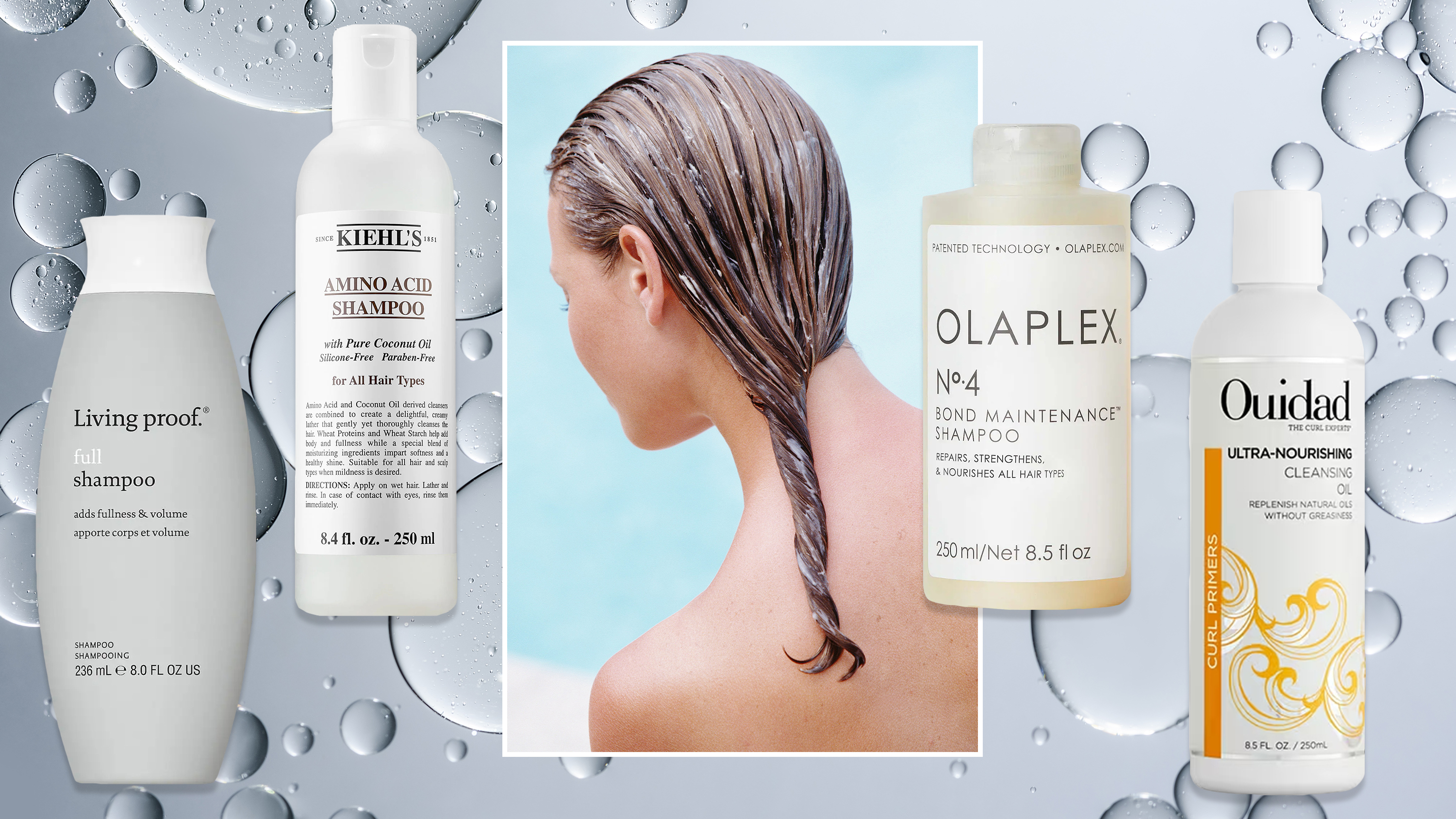
Artificial intelligence and advanced algorithms are transforming how we choose personal care products. Many beauty retailers and even dedicated hair care brands now offer online quizzes or AI-powered diagnostic tools. These systems ask a series of questions about your hair type, texture, concerns (e.g., dryness, frizz, color-treated), scalp condition, and even your lifestyle and environmental factors.
- Data Analysis: AI algorithms analyze your input against vast databases of product formulations and user reviews. They can identify patterns and correlations that might not be immediately obvious to a human. For instance, an AI might recognize that a specific combination of surfactants and moisturizing agents consistently performs well for individuals with fine, oily hair in humid climates.
- Personalized Recommendations: Based on this analysis, the AI can generate a tailored list of shampoo recommendations. These aren’t just generic categories; they are often specific product suggestions, complete with explanations of why each product is recommended for your particular needs. Some advanced systems even consider the ingredients you might want to avoid due to allergies or sensitivities.
- Ingredient Transparency Tools: The rise of apps and browser extensions that analyze ingredient lists is another powerful technological advancement. These tools can instantly provide information about the function, potential benefits, and potential drawbacks of each ingredient in a shampoo, allowing you to make choices aligned with your personal preferences and ethical considerations (e.g., vegan, cruelty-free, paraben-free).
By leveraging these AI-driven tools, the often overwhelming task of choosing a shampoo can be simplified and made more effective, moving beyond trial and error to a more scientific and personalized approach.
The Power of Crowdsourcing: Data-Driven Reviews and Forums
Beyond direct AI analysis, the collective intelligence of other consumers, facilitated by technology, plays a crucial role. Online review platforms and dedicated beauty forums provide a wealth of real-world data on shampoo performance.
- Quantitative Data: Many e-commerce sites allow users to rate shampoos on a star system and provide detailed written reviews. Algorithms can aggregate these ratings to provide an overall score, highlighting the most consistently well-received products.
- Qualitative Insights: Reading individual reviews offers invaluable qualitative data. Users often describe their hair type, the specific problems they were trying to solve, and the results they achieved with a particular shampoo. This can provide nuanced insights that quantitative data alone cannot capture.
- Community Discussions: Online forums and social media groups dedicated to hair care are treasure troves of information. Here, users can ask specific questions, share their experiences, and get recommendations from a community of like-minded individuals. These discussions often delve into the specifics of ingredient efficacy, formulation nuances, and how different shampoos perform on various hair types.
- Trend Analysis: By observing patterns in reviews and forum discussions, consumers can identify emerging shampoo technologies and ingredients that are gaining traction. This can include new formulations for scalp health, advanced repair technologies, or innovative sustainable packaging.
The “best” shampoo, therefore, is often a consensus built on the shared experiences of thousands of users, analyzed and filtered through technological platforms that make this collective wisdom accessible.
Beyond the Bottle: Innovations in Application and Sustainability
The technological evolution of shampoo extends beyond its formulation to how it’s packaged, dispensed, and how its production impacts the environment.
Smart Dispensing and Formulation Delivery Systems
While still nascent, the concept of “smart” shampoo application is emerging. This can range from advanced pump mechanisms designed to deliver the precise amount of product to more ambitious ideas related to controlled-release ingredients.
- Precise Dosing: Over-dispensing shampoo is a common issue that can lead to product waste and potentially strip the hair. Innovations in pump technology aim to offer more consistent and controlled dosage, ensuring optimal product usage.
- Targeted Ingredient Release: Research is ongoing into encapsulation technologies that can protect sensitive ingredients until they are activated by water or friction, ensuring maximum efficacy. This is particularly relevant for active ingredients in specialized shampoos for scalp treatment or repair.
- Refillable and Reusable Systems: Driven by sustainability concerns, many brands are now investing in reusable packaging and concentrated refill pouches. This technological shift in packaging design reduces plastic waste and the carbon footprint associated with shipping water-heavy products.

Sustainable Sourcing and Biodegradable Formulations
The environmental impact of personal care products is a growing concern, and shampoo technology is adapting.
- Biodegradable Ingredients: Formulators are increasingly prioritizing ingredients that break down naturally in the environment, reducing water pollution. This involves a careful selection of surfactants, emulsifiers, and preservatives.
- Waterless or Low-Water Formulations: The development of solid shampoo bars or highly concentrated liquid formulations significantly reduces the water content, leading to lighter shipping weights and less reliance on water resources in production.
- Ethical and Sustainable Sourcing: Technological advancements in supply chain management and material science are enabling brands to trace the origins of their ingredients, ensuring they are sourced ethically and sustainably, without contributing to deforestation or exploiting labor. This includes the use of certifications and blockchain technology for transparency.
Choosing the “best” shampoo in the current landscape means considering not only its efficacy for your hair but also its technological innovation in application and its commitment to environmental sustainability. The future of shampoo is intelligent, personalized, and responsible.
aViewFromTheCave is a participant in the Amazon Services LLC Associates Program, an affiliate advertising program designed to provide a means for sites to earn advertising fees by advertising and linking to Amazon.com. Amazon, the Amazon logo, AmazonSupply, and the AmazonSupply logo are trademarks of Amazon.com, Inc. or its affiliates. As an Amazon Associate we earn affiliate commissions from qualifying purchases.