
The modern viewer is faced with a paradox: we live in a golden age of content, yet the question “what series should I watch?” has never been more difficult to answer. This “paradox of choice” is a byproduct of the digital revolution. With thousands of hours of content uploaded and premiered across dozens of streaming platforms every month, the human capacity for manual selection has been eclipsed by the sheer volume of data.
To navigate this landscape, we must look toward technology. From the complex recommendation engines that power our favorite platforms to the emerging AI tools designed to curate our personal tastes, technology is no longer just the medium through which we watch—it is the lens through which we discover. This article explores the intersection of entertainment and technology, helping you leverage digital tools to find your next obsession while reviewing the most essential tech-centric series currently available.
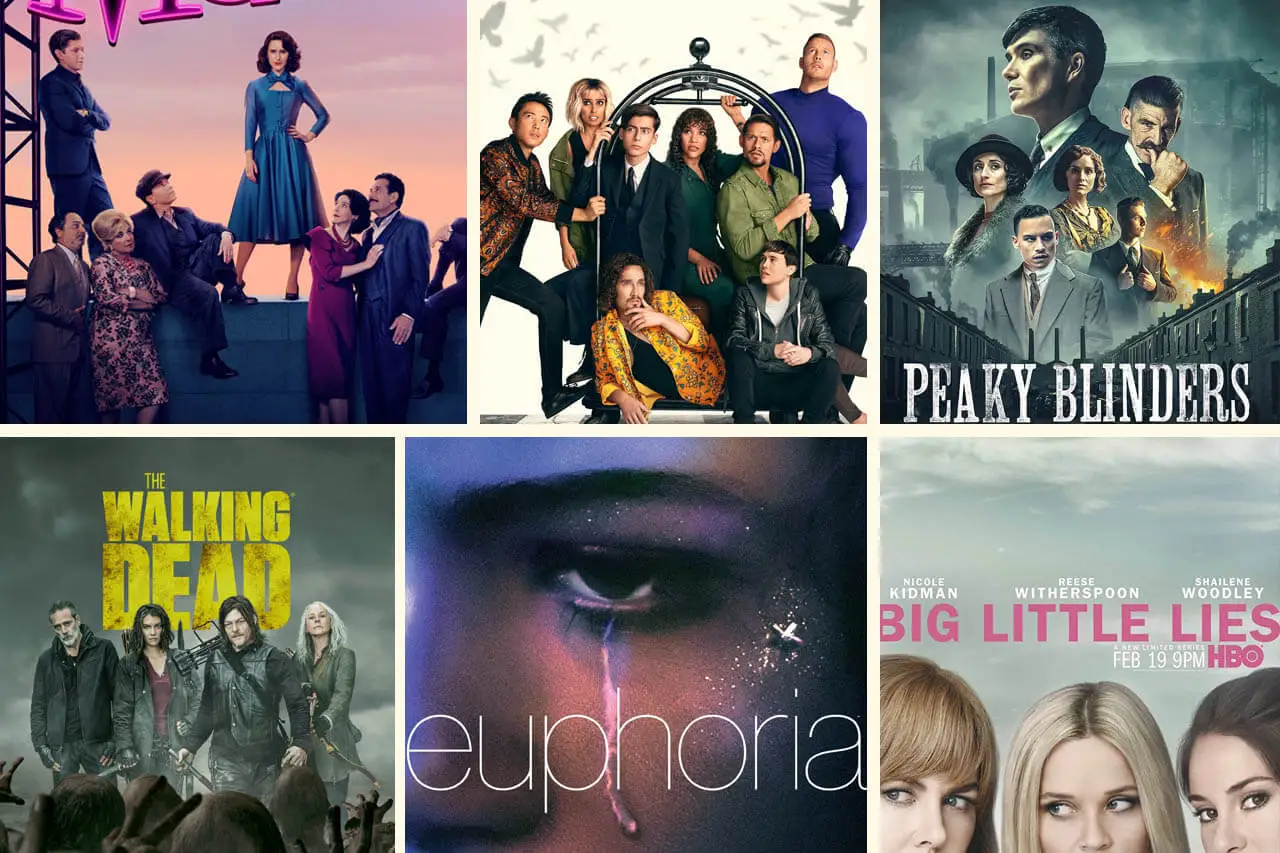
The Science of Selection: How Recommendation Engines Predict Your Next Binge
When you open a streaming app and see a “Top Picks for You” row, you are looking at the output of some of the most sophisticated software engineering in the world. Understanding how these systems work is the first step in mastering your digital consumption habits.
Collaborative Filtering: Learning from the Crowd
The backbone of most discovery engines is collaborative filtering. This algorithm operates on the principle that if User A and User B share similar tastes in three shows, User A is likely to enjoy a fourth show that User B has already watched. This tech creates a vast web of interconnected data points. However, it often leads to “echo chambers” where you are only recommended content similar to what you have already seen, potentially narrowing your horizons.
Content-Based Filtering and Metadata Tagging
Unlike collaborative filtering, content-based filtering looks at the “DNA” of the series itself. This involves deep metadata tagging—everything from the genre and director to the specific “mood” of a scene or the color palette used by the cinematographer. High-tech platforms use machine learning to analyze these tags to find patterns. If you frequently watch high-paced, neon-lit cyberpunk thrillers, the algorithm identifies these specific visual and narrative tags to serve you similar aesthetic experiences.
The Role of Neural Networks in Discovery
Modern platforms are increasingly moving toward deep learning and neural networks. These AI models don’t just look at what you watch; they look at how you watch. They track when you pause, when you skip the intro, and at what exact second you lose interest and navigate away. This granular data allows the tech to build a psychological profile of your viewing habits, predicting with startling accuracy which series will keep you engaged for a five-hour binge session.
Leveraging AI Tools and Specialized Software to Curate Your Watchlist
If the internal algorithms of Netflix or Disney+ feel too restrictive, there is a burgeoning market of third-party software and AI tools designed to help you break out of your bubble. These tools offer more control and a more holistic view of the streaming landscape.
Specialized Curation Apps: Beyond the Interface
Apps like JustWatch and Reelgood have become essential tools for the modern tech-savvy viewer. These platforms function as a centralized hub, aggregating data from every available streaming service. By using these tools, you can search for content across all platforms simultaneously, filtering by IMDB rating, Rotten Tomatoes score, and even release year. For those who value digital efficiency, these apps eliminate the need to switch between five different interfaces to find something to watch.
AI Chatbots as Personal Media Critics
With the rise of Large Language Models (LLMs) like ChatGPT and Claude, the way we ask for recommendations has changed. Instead of browsing a static list, you can now engage in a dialogue. By providing a prompt such as, “I enjoyed the political intrigue of Succession but want something with a hard-science fiction edge,” an AI can synthesize vast amounts of critical reviews and plot summaries to provide a bespoke recommendation. This “conversational discovery” is the next frontier in how we answer the question of what to watch.
Niche-Specific Discovery Engines
For the tech-enthusiast, generic recommendations often fall short. Platforms like Mubi utilize human curation paired with algorithmic precision to offer “cinema-focused” series that might get lost in the noise of mainstream platforms. Using software that prioritizes quality over quantity is a strategic move for viewers who want to optimize their time and intellectual engagement.
Essential Tech-Centric Series for the Digital Professional
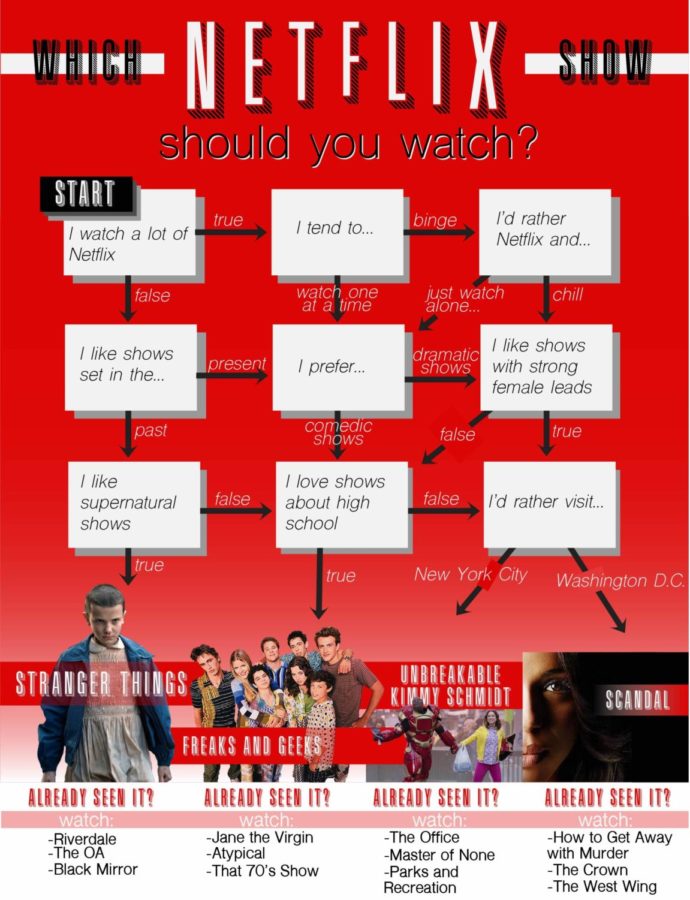
For those who live and work in the world of technology, what we watch often reflects the challenges and wonders of our industry. If you are looking for a series that resonates with your professional interests, the following categories represent the pinnacle of tech-focused storytelling.
Exploring the Ethics of AI and Automation
Series like Black Mirror and Westworld have set the standard for exploring the darker side of technological advancement. Black Mirror, in particular, acts as a modern-day Twilight Zone, focusing on the unintended consequences of our gadget-obsessed culture. For tech professionals, these shows are more than just entertainment; they are a form of speculative ethics, forcing us to consider the long-term impact of the software and hardware we build today.
Cyber-Security and the Modern Digital Landscape
Mr. Robot remains perhaps the most accurate portrayal of hacking and digital security ever committed to film. Unlike the “Hollywood hacking” of the 90s, the series utilizes real-world tools—Kali Linux, Raspberry Pis, and social engineering—to tell a story about the fragility of our global financial and digital infrastructure. It is essential viewing for anyone interested in the realities of cybersecurity and the power of decentralized networks.
The Culture of Silicon Valley and Startup Life
For a more grounded look at the tech industry, the aptly named Silicon Valley provides a satirical yet painfully accurate look at startup culture. It covers the technical hurdles of data compression, the complexities of venture capital, and the ego-driven world of tech CEOs. It serves as a case study in how innovation often clashes with corporate interests, making it a must-watch for entrepreneurs and developers alike.
The Future of Media Consumption: Interactive and Immersive Tech
As we look forward, the very definition of a “series” is being transformed by technology. We are moving away from passive consumption toward active participation.
Branching Narratives and Algorithmic Storytelling
Projects like Black Mirror: Bandersnatch introduced the mainstream audience to branching narratives, where the viewer makes choices that affect the outcome. This is made possible by sophisticated backend tech that seamlessly stitches together different video files based on user input. As AI matures, we may see “generative series” where the plot adapts in real-time to the viewer’s preferences, creating a truly unique version of a show for every individual.
VR and the Convergence of Series and Gaming
Virtual Reality (VR) is beginning to blur the lines between watching a series and playing a game. Immersive experiences allow viewers to stand “inside” the scene, exploring the environment while the narrative unfolds around them. This level of immersion requires immense processing power and high-speed data transmission, marking the next great leap in media technology.
The Shift Toward Decentralized Content Distribution
Blockchain technology is also entering the entertainment space. New platforms are experimenting with decentralized distribution, where creators can release series directly to their audience without the need for a traditional studio intermediary. This “Web3” approach to media could revolutionize how series are funded and discovered, giving more power to niche communities and independent tech-creators.
Optimizing Your Digital Security While Streaming
While the focus is often on the content, the tech enthusiast must also consider the security implications of their viewing habits. Streaming is not just about data consumption; it’s about data exchange.
The Hidden Risks of Third-Party Tracking
Every time you stream, your ISP and the platform itself are collecting data on your location, device, and viewing habits. Smart TVs are notorious for being some of the least secure “Internet of Things” (IoT) devices in a modern home, often harvesting data and selling it to third-party advertisers.
Secure Streaming and Privacy Management
To protect your digital footprint, utilizing a high-speed VPN (Virtual Private Network) is a standard practice for the tech-savvy. A VPN not only allows you to access geo-restricted content—expanding your “what to watch” options significantly—but it also encrypts your traffic, preventing ISPs from throttling your speeds during high-bandwidth 4K streams. Additionally, ensuring your streaming devices are on a segregated guest network can prevent a compromised Smart TV from providing a gateway to your primary computer or home server.
By viewing the question of “what series should I watch” through a technological lens, we transform a mundane choice into an exercise in digital optimization. Whether you are analyzing the algorithms that guide your hand, utilizing AI to find hidden gems, or watching a series that reflects the complexities of our digital world, the intersection of tech and entertainment offers a richer, more intentional experience.
aViewFromTheCave is a participant in the Amazon Services LLC Associates Program, an affiliate advertising program designed to provide a means for sites to earn advertising fees by advertising and linking to Amazon.com. Amazon, the Amazon logo, AmazonSupply, and the AmazonSupply logo are trademarks of Amazon.com, Inc. or its affiliates. As an Amazon Associate we earn affiliate commissions from qualifying purchases.