
Apple Inc., a name synonymous with innovation, design, and ubiquitous technology, presents a fascinating case study when attempting to pinpoint its exact sector. While superficially simple, a deeper dive reveals a company that has evolved beyond a singular classification, consistently pushing the boundaries of what a “technology company” can encompass. Primarily, Apple firmly resides within the Technology sector, yet its reach extends into numerous sub-sectors, making it a multifaceted giant in the digital age.
The Technology sector itself is broad, encompassing everything from software development and internet services to semiconductor manufacturing and hardware production. Apple’s unique strategy of integrating hardware, software, and services under one seamless ecosystem blurs traditional lines, demanding a nuanced understanding of its operational domains. To truly grasp Apple’s sectoral identity, one must dissect its diverse product lines, service offerings, and strategic technological investments.

Defining Apple’s Core Sector: More Than Just Consumer Electronics
At its heart, Apple is a technology company. This might seem an obvious statement, but the nuances of its classification within the broader technology landscape are critical for a comprehensive understanding. Standardized classification systems provide a framework, but Apple often defies simple pigeonholing due reflecting its expansive and integrated business model.
The Global Industry Classification Standard (GICS) and Apple’s Placement
The Global Industry Classification Standard (GICS), a widely used taxonomy developed by MSCI and Standard & Poor’s, categorizes companies into 11 sectors, 24 industry groups, 69 industries, and 158 sub-industries. Under GICS, Apple Inc. is typically classified within the Information Technology Sector. More specifically, it falls under the Technology Hardware & Equipment Industry Group, and further into the Consumer Electronics Sub-Industry.
However, this primary classification, while accurate for its foundational business of selling physical devices, increasingly fails to capture the full scope of Apple’s revenue streams and strategic priorities. The sheer volume of its services revenue, its internal semiconductor design, and its investments in areas like artificial intelligence and augmented reality, suggest a company that transcends a single, narrow sub-industry label.
Initial Categorization: Hardware Innovation as a Foundation
Apple’s initial and enduring legacy is built upon groundbreaking hardware. From the Apple I and Macintosh computers that revolutionized personal computing, to the iPod which redefined portable music, the iPhone which ushered in the smartphone era, and the iPad which popularized tablets, its history is a chronicle of technological hardware innovation. Each of these products was not merely a device but a platform that unlocked new possibilities for users and developers alike.
This focus on creating elegant, powerful, and user-friendly gadgets forms the bedrock of its presence in the consumer electronics space. The seamless integration of industrial design with advanced engineering has consistently set Apple apart, establishing it as a premium brand in a crowded market. This foundational aspect firmly places Apple in the “Gadgets” domain of the Tech category.
The Evolution of Apple’s Technological Footprint
Apple’s journey has been one of continuous evolution, marked by strategic shifts that have broadened its technological footprint far beyond its initial hardware roots. This adaptive strategy has enabled it to maintain relevance and drive growth across successive technological paradigms.
From Personal Computing Pioneers to Mobile Revolutionaries
The first major pivot for Apple, post-return of Steve Jobs, was the transition from struggling computer manufacturer to a dominant force in portable technology. The iPod, launched in 2001, wasn’t just an MP3 player; it was a device that integrated hardware, software (iTunes), and services (iTunes Store) into a cohesive ecosystem. This template proved critical for the iPhone’s success in 2007, which fundamentally reshaped the mobile phone industry and established the modern smartphone paradigm.
The iPhone, an embodiment of the “Apps” and “Gadgets” aspects of the Tech category, demonstrated Apple’s prowess in combining advanced computing hardware with an intuitive software interface and a vibrant developer ecosystem. This mobile revolution also laid the groundwork for the App Store, a digital marketplace that transformed software distribution and created entirely new industries, reinforcing Apple’s role as a platform provider.
Diversification into Wearables and Home Technology
Building on the success of its mobile devices, Apple strategically diversified into new form factors and domestic technologies. The Apple Watch, launched in 2015, established Apple as a leader in the nascent wearables market, integrating health and fitness tracking with smart notifications and communication. This product line exemplifies Apple’s ability to miniaturize powerful computing and integrate it seamlessly into daily life.
Concurrently, Apple has expanded its presence in the home with devices like the Apple TV and HomePod. While these products haven’t always achieved the same market dominance as the iPhone, they represent Apple’s ambition to create a unified technological experience across a user’s entire environment. These ventures further underscore its commitment to extending its “Gadgets” influence into various aspects of daily living.
The Growing Dominance of Services and Software Ecosystem
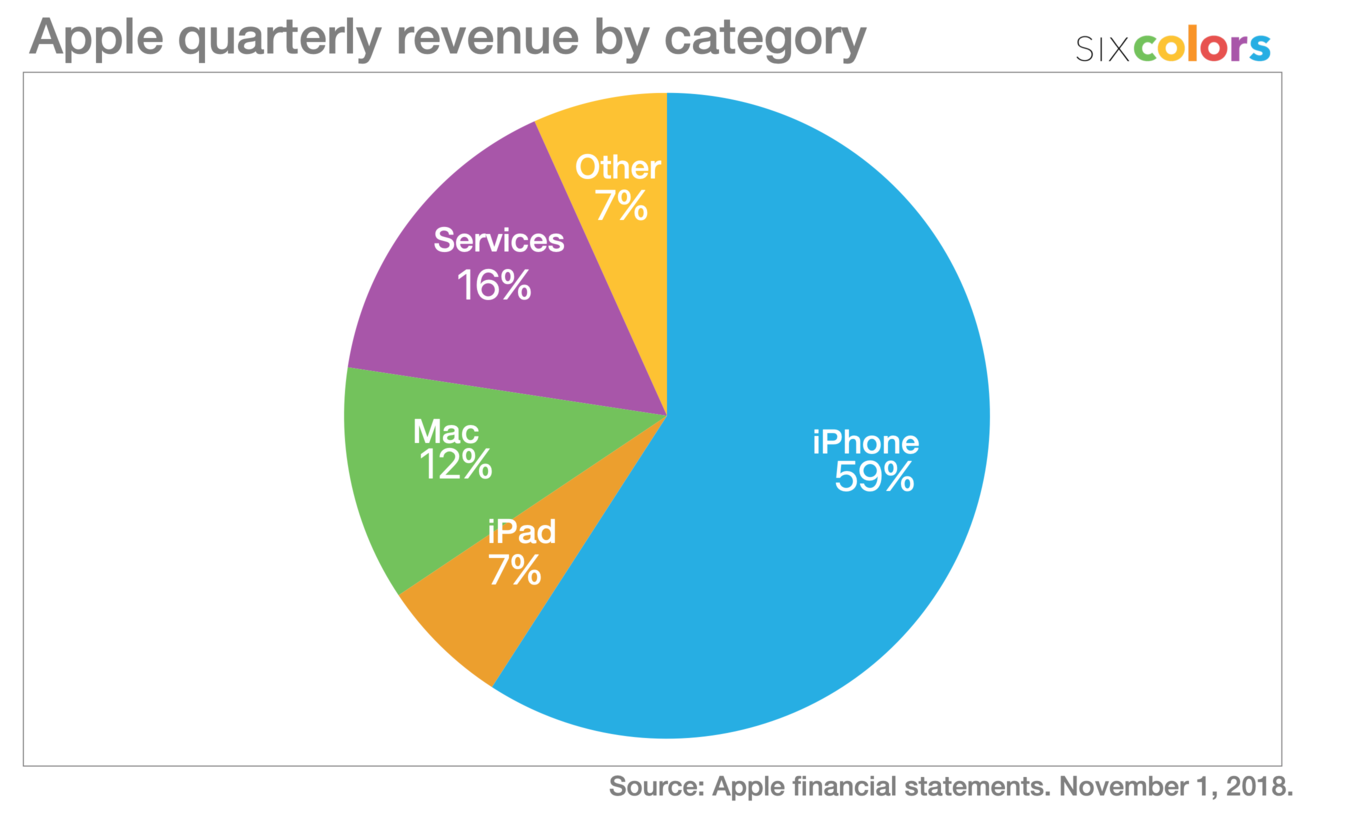
Perhaps the most significant evolution in Apple’s sectoral identity has been the exponential growth of its Services division. While historically a hardware company, services now represent a substantial and rapidly growing portion of its revenue. This shift highlights Apple’s transformation into a recurring revenue powerhouse, deeply entrenched in the “Software” and “Apps” components of the Tech category.
Key services include the App Store, Apple Music, iCloud, Apple Pay, Apple TV+, Apple Arcade, and Apple Fitness+. These offerings not only generate significant direct revenue but also deepen customer loyalty and integrate users more tightly into the Apple ecosystem. The Services sector leverages Apple’s massive installed base of hardware devices, turning them into conduits for ongoing digital engagement and monetization. This move has allowed Apple to diversify its risk, providing a more stable revenue stream less susceptible to the cyclical nature of hardware upgrades.
Apple’s Multi-Faceted Tech Sub-Sectors
To fully appreciate Apple’s position within the technology landscape, it’s crucial to break down its operations into its various contributing sub-sectors. Each of these areas contributes significantly to its overall technological prowess and market capitalization.
Consumer Electronics: The Iconic Hardware
This is Apple’s most visible and dominant sub-sector. It encompasses the design, manufacturing, and sale of its iconic devices:
- iPhones: Leading the smartphone market in premium segments, integrating advanced processors, cameras, and display technologies.
- Macs: Personal computers ranging from notebooks (MacBook Air, MacBook Pro) to desktops (iMac, Mac Studio, Mac Pro), powered by custom-designed Apple silicon.
- iPads: Tablets that bridge the gap between smartphones and traditional computers, offering versatility for creativity, productivity, and entertainment.
- Wearables: Apple Watch (smartwatches), AirPods (wireless earbuds), and the recently launched Vision Pro (spatial computing headset) – all pushing boundaries in personal technology.
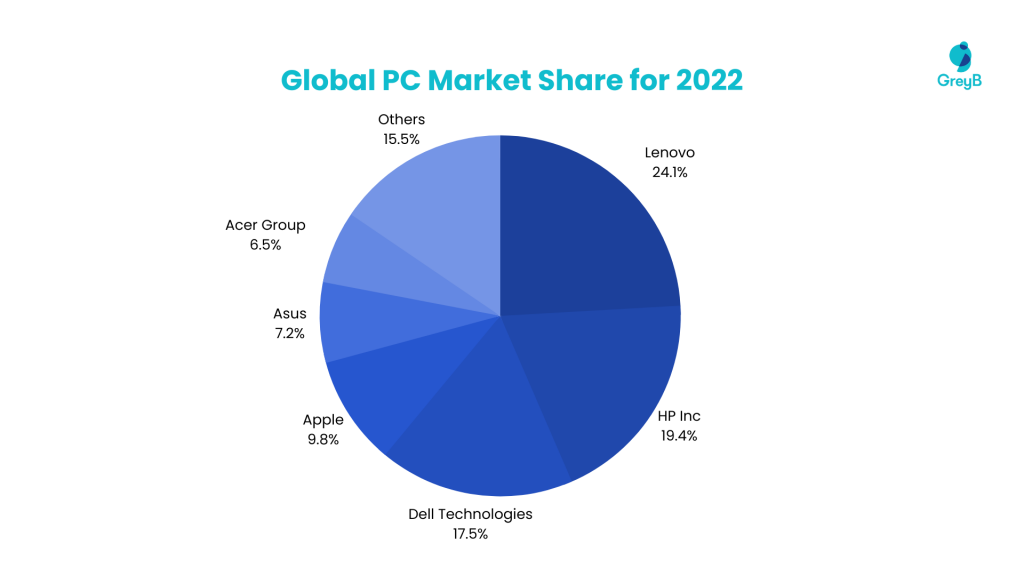
These products are benchmarks for industrial design and user experience, consistently featuring cutting-edge components and manufacturing processes. They represent the “Gadgets” aspect of the Tech category in its purest form.
Software & Operating Systems: The Digital Foundation
Every Apple device runs on proprietary software, which is a cornerstone of its integrated ecosystem.
- iOS/iPadOS: The operating systems for iPhone and iPad, known for their intuitive interface, robust security, and vast app ecosystem.
- macOS: The powerful operating system for Mac computers, providing a stable and feature-rich environment for professionals and casual users alike.
- watchOS/tvOS/visionOS: Specialized operating systems tailored for the Apple Watch, Apple TV, and Vision Pro, respectively, extending the Apple experience across diverse platforms.
Apple’s control over both hardware and software allows for deep optimization, enhancing performance, battery life, and security. This tight integration is a key differentiator and a significant component of its “Software” expertise, providing the user interface and functionality that defines the Apple experience.
Services: A Recurring Revenue Powerhouse
The Services division, as discussed, is rapidly expanding and increasingly critical to Apple’s financial health.
- App Store: The massive digital marketplace for iOS/iPadOS applications, a testament to the “Apps” category, providing developers a platform and users an unparalleled selection.
- Apple Music: A subscription-based music streaming service, competing directly with industry giants.
- iCloud: Cloud storage and synchronization services, seamlessly integrating data across Apple devices.
- Apple TV+: A subscription video-on-demand service featuring original content, marking Apple’s entry into content creation and distribution.
- Apple Pay: A mobile payment and digital wallet service, leveraging NFC technology for secure transactions.
- Apple Arcade, Apple News+, Apple Fitness+: Further diversification into gaming, news aggregation, and personalized fitness.
These services represent a robust “Digital Security” layer through privacy focus and secure transactions, while also showcasing Apple’s capabilities in delivering diverse “Apps” and digital content.
Semiconductors and AI: Driving Innovation from Within
A less visible but profoundly impactful aspect of Apple’s technology sector presence is its increasing investment in internal silicon design and artificial intelligence.
- Apple Silicon (e.g., A-series, M-series, S-series chips): Apple designs its own processors for iPhones, iPads, Macs, and Apple Watches. This vertical integration provides unparalleled performance, power efficiency, and security benefits tailored to its software and hardware. These chips often feature dedicated Neural Engines for AI processing.
- Artificial Intelligence & Machine Learning (AI Tools): Apple integrates AI across its ecosystem, from Siri (voice assistant) and Face ID (biometric authentication) to advanced computational photography and on-device machine learning for personalized experiences. Its focus on on-device AI emphasizes privacy, as much processing occurs locally without sending data to the cloud.
This deep dive into semiconductor design and AI development positions Apple at the forefront of core technological innovation, enabling it to control critical components and drive future capabilities in areas like “AI Tools” and overall system performance.
The Interplay of Technology Trends and Apple’s Position
Apple doesn’t just exist within the technology sector; it actively shapes its direction by anticipating and influencing major trends. Its strategic focus areas often become industry benchmarks.
AI and Machine Learning Integration Across Products
Apple’s approach to AI is pervasive yet often subtle. Rather than a singular AI product, AI and ML are woven into the fabric of its operating systems and applications. Features like personalized suggestions, intelligent search, advanced camera functions, and even the efficiency of its custom silicon, are all powered by sophisticated AI algorithms. The Neural Engine in its chips is a dedicated hardware component for accelerating machine learning tasks, demonstrating a long-term commitment to embedding “AI Tools” directly into its devices for enhanced user experience and privacy.
Augmented and Virtual Reality: The Next Frontier
With the introduction of Apple Vision Pro, Apple has made a significant statement about its ambitions in spatial computing. This device marks a pivotal entry into the augmented reality (AR) and virtual reality (VR) space, representing what Apple terms the “next computing platform.” This venture places Apple squarely in a cutting-edge domain of the technology sector, signaling a future where digital and physical worlds are seamlessly merged through advanced “Gadgets” and bespoke “Software.”
Digital Security and Privacy: A Core Differentiator
In an era of increasing data breaches and privacy concerns, Apple has consistently positioned itself as a champion of user privacy and “Digital Security.” This is not merely a marketing tactic but a deep-seated philosophy reflected in its product design, software architecture, and business model. Features like on-device data processing, App Tracking Transparency, and robust encryption protocols are central to its appeal. This focus resonates strongly with the “Digital Security” aspect of the Tech category, making it a critical competitive advantage.
Why Sector Classification Matters in Tech Analysis
Understanding Apple’s precise sectoral classification is not just an academic exercise; it has significant implications for how the company is analyzed, understood, and strategized against within the broader technology landscape.
Understanding Competitive Landscapes
Accurate sector identification helps clarify who Apple’s direct competitors are. While it competes with Samsung in smartphones, Microsoft in operating systems, Spotify in music streaming, and Google in AI, understanding its core sector and sub-sectors allows for a more nuanced competitive analysis. It reveals that Apple’s true strength lies in its ability to integrate and dominate across multiple technological domains simultaneously, often leveraging its ecosystem lock-in.
Informing Innovation Strategy
For Apple itself, understanding its sectoral position informs its innovation strategy. It can identify gaps in its offerings, leverage synergies between its hardware and software, and pinpoint emerging tech trends where it can gain a competitive edge. Its move into services, custom silicon, and spatial computing are all strategic decisions rooted in a deep understanding of evolving technology sectors and its potential within them.
Benchmarking Performance and Future Outlook
Investors, analysts, and even customers use sector classifications to benchmark performance. A company in the “Consumer Electronics” sub-sector might be evaluated on unit sales and margins, while a company heavy in “Software” or “Services” might be judged more on recurring revenue and subscriber growth. Apple’s hybrid nature means it’s often benchmarked against metrics from multiple categories, reflecting its diversified and integrated approach. Its ability to command premium pricing and robust margins across various tech sub-sectors is a testament to its unique position and strength within the overarching Technology sector.
In conclusion, Apple Inc. is undeniably a powerhouse within the Technology sector. Its identity is a rich tapestry woven from its historical roots in consumer electronics (“Gadgets”), its pervasive influence through proprietary software and operating systems (“Software”), its rapidly expanding services (“Apps”), its foundational investments in AI and silicon design (“AI Tools”), and its unwavering commitment to digital security and user privacy. While traditional classifications struggle to fully encapsulate its breadth, Apple’s multifaceted presence across these critical tech domains solidifies its standing as one of the most impactful and innovative companies in the global technology landscape.
aViewFromTheCave is a participant in the Amazon Services LLC Associates Program, an affiliate advertising program designed to provide a means for sites to earn advertising fees by advertising and linking to Amazon.com. Amazon, the Amazon logo, AmazonSupply, and the AmazonSupply logo are trademarks of Amazon.com, Inc. or its affiliates. As an Amazon Associate we earn affiliate commissions from qualifying purchases.