
Amazon, Inc. (AMZN) stands as one of the most compelling and confounding examples of a modern corporation defying traditional industry classification. A behemoth born from online bookselling, it has metastasized into a sprawling empire touching nearly every facet of digital commerce, technology infrastructure, logistics, advertising, and entertainment. For investors, analysts, and anyone seeking to understand its financial dynamics, pinpointing “what sector Amazon is in” isn’t a simple exercise; it’s an exploration into the very nature of diversified business models in the 21st century.
Traditional sector definitions, established by bodies like the Global Industry Classification Standard (GICS) or the Industry Classification Benchmark (ICB), aim to categorize companies based on their primary business activities, revenues, and profit drivers. This classification is crucial for portfolio construction, risk assessment, peer comparisons, and macroeconomic analysis. However, Amazon’s relentless expansion and diversification have rendered these neat categories somewhat inadequate, forcing a more nuanced perspective on its economic identity.
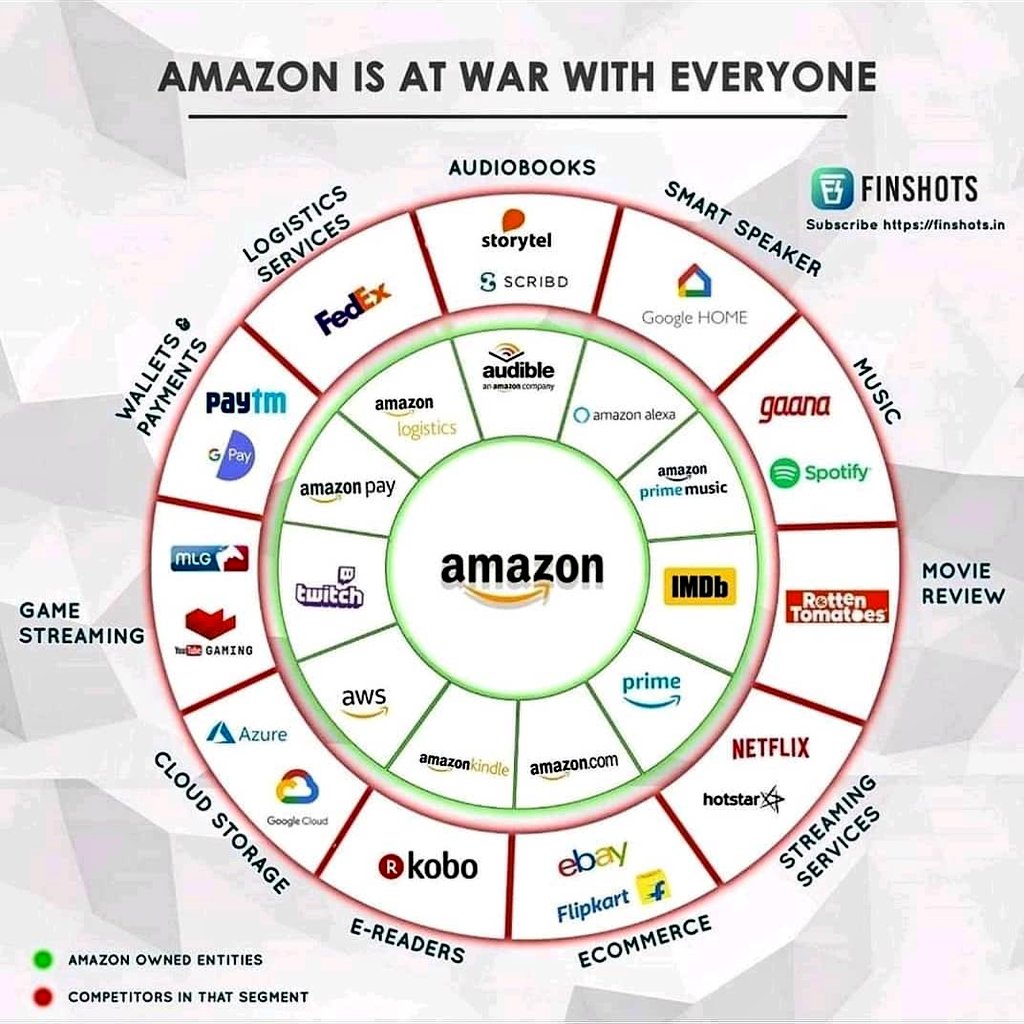
Beyond Simple Labels: Why Amazon Defies Single Sector Classification
The challenge in categorizing Amazon stems from its deliberate strategy of incubating and scaling diverse business units, many of which have grown to become market leaders in their own right, far removed from the company’s initial retail roots. While its corporate identity might be globally recognized through its ubiquitous e-commerce platform, a significant portion of its financial strength and future growth prospects lie in entirely separate, high-margin ventures.
The Retail Genesis: E-commerce’s Dominance
Amazon’s origin story is firmly rooted in the retail sector. Founded in 1994 by Jeff Bezos, it began as an online bookstore, swiftly evolving into the “everything store.” Today, its global e-commerce operations, encompassing Amazon.com, Prime memberships, third-party seller services, and physical stores like Whole Foods Market, still represent a substantial—if diminishing in relative terms—portion of its revenue. Within the GICS framework, this would primarily place Amazon in the Consumer Discretionary sector, specifically under the Internet & Direct Marketing Retail sub-industry. This segment is characterized by goods and services that consumers purchase when they have discretionary income, as opposed to necessities.
The sheer scale of Amazon’s retail arm, its logistical network, and its direct-to-consumer model have redefined global retail. Yet, to label Amazon solely as a retailer would be to overlook the profound technological infrastructure and strategic digital services that power this operation and, more importantly, its other highly profitable divisions.
The Tech Titan: AWS and Digital Innovation
Perhaps the most significant development in Amazon’s sector identity shift was the inception and meteoric rise of Amazon Web Services (AWS). Launched in 2006, AWS provides on-demand cloud computing platforms and APIs to individuals, companies, and governments. It has grown to be the world’s leading cloud infrastructure provider, powering a vast swathe of the internet and serving as a critical engine of innovation for countless businesses.
AWS’s business model, revenue streams, and competitive landscape are entirely distinct from retail. It squarely places Amazon within the Information Technology sector, specifically under the IT Services or Infrastructure Software sub-industries. AWS is a high-margin, capital-intensive, and technologically sophisticated operation that offers services like computing power, storage, databases, networking, analytics, machine learning, and artificial intelligence. Its contribution to Amazon’s operating income often surpasses that of its entire retail division, highlighting its pivotal role in the company’s financial health and its undeniable status as a tech powerhouse.
Understanding Amazon’s Diverse Revenue Streams and Their Sector Affiliations
To truly grasp Amazon’s sector identity for financial analysis, one must dissect its consolidated financial statements and understand the contributions of its distinct segments. The company itself reports its results across several key segments, which align with different economic sectors.
E-commerce and Subscription Services: Retail and Consumer Discretionary
Amazon’s North America and International e-commerce segments, coupled with its subscription services, primarily fall under the Consumer Discretionary sector. This includes revenue from direct product sales, commissions from third-party sellers, fulfillment fees, advertising sales on its retail websites, and the lucrative Prime membership fees. Prime, while a subscription, offers a bundle of services (free shipping, video streaming, music, exclusive deals) that enhance the retail experience, thus linking it strongly to consumer spending patterns.
The market dynamics here involve consumer confidence, disposable income, competitive pressures from other retailers (both online and brick-and-mortar), and supply chain efficiencies. Investors analyzing this portion of Amazon’s business would compare it to companies like Walmart, Target, Alibaba, and other major retail players.
Amazon Web Services (AWS): The Cloud Computing Powerhouse
AWS is undeniably in the Information Technology sector. Its core offerings are technology services that enable other businesses to operate more efficiently and scale rapidly without the need for extensive on-premise infrastructure. This segment competes with other cloud providers like Microsoft Azure, Google Cloud Platform, and IBM Cloud.
The financial characteristics of AWS are distinct: high gross margins, significant capital expenditure for data centers, and a business-to-business (B2B) sales model. Its growth is driven by digital transformation trends, the increasing adoption of cloud computing, and the demand for advanced AI/ML capabilities. For investors, AWS represents a stable, high-growth, and highly profitable enterprise technology business.
Advertising and Other Ventures: Emerging Sectors and Disruptions
Beyond its two dominant pillars, Amazon has cultivated significant presence in other sectors, contributing to its multi-faceted nature:

- Advertising: While often nested within its e-commerce segments for reporting, Amazon’s advertising business has become a formidable force, competing directly with Google and Meta. Advertisers leverage Amazon’s vast consumer data and purchase intent to target highly relevant ads. This places Amazon squarely in the Communication Services sector, under the Interactive Media & Services sub-industry, or more broadly, the Digital Advertising market.
- Entertainment: Amazon Prime Video, Amazon Music, Audible, and Twitch position Amazon as a major player in the digital content and media space. This also falls under the Communication Services sector, specifically within the Media & Entertainment sub-industries. It competes with Netflix, Disney+, Spotify, and traditional media companies.
- Logistics and Shipping: Amazon’s expansive fulfillment and delivery network, including its own fleet of planes and vans, places it as a significant entity within the Industrials sector, particularly in the Airfreight & Logistics sub-industry. While primarily supporting its retail operations, its scale could one day position it as a third-party logistics provider.
- Healthcare: Through initiatives like Amazon Pharmacy and Amazon Care, the company is making inroads into the Healthcare sector, particularly in pharmaceutical distribution and telehealth.
- Smart Devices & AI: Products like Alexa-enabled devices, Ring doorbells, and Kindle readers firmly establish Amazon’s presence in consumer electronics and artificial intelligence, further cementing its Technology footprint.
How Financial Analysts and Index Providers Classify Amazon
Given its complex tapestry of businesses, how do institutional investors, index providers, and financial analysts simplify Amazon’s classification for practical purposes?
GICS and Industry-Specific Classifications
The most widely used classification system, GICS, typically assigns a single sector and industry to a company based on its primary revenue source. For a long time, Amazon was predominantly classified under Consumer Discretionary due to its retail sales forming the largest portion of its revenue. However, as AWS’s profitability and strategic importance grew, and with Amazon’s overall revenue becoming more diversified, this single classification has become increasingly problematic.
Some analysts, for their internal models, might classify Amazon as a hybrid or multi-industry company. Others might even split their analysis, valuing AWS as a pure-play tech company and the rest as a retail/media conglomerate. Major index providers might still default to Consumer Discretionary or Information Technology, but it’s often accompanied by caveats or a recognition that its influence spans far wider than a single category suggests. Its inclusion in major indices like the S&P 500, for instance, reflects its overall market capitalization and impact, rather than a rigid sectoral adherence.
The Impact on Investment Portfolios and Market Benchmarks
The way Amazon is classified has significant implications for investment professionals:
- Portfolio Diversification: If an investor views Amazon solely as a consumer discretionary stock, they might inadvertently over-allocate to that sector if they also hold other large retail positions. Conversely, ignoring its tech and communication services components could lead to under-exposure in those areas.
- Benchmark Performance: Index funds and ETFs tracking specific sectors might either include or exclude Amazon based on its primary classification, affecting their performance relative to broader market trends. For example, a “Tech Sector” ETF might or might not hold Amazon, depending on the index methodology.
- Peer Analysis: Comparing Amazon solely to retailers like Walmart can be misleading when its AWS margins and growth rates are more aligned with companies like Microsoft. A comprehensive analysis requires comparing its various segments to their respective industry peers.
The Investor’s Dilemma: Navigating a Conglomerate’s Sector Identity
For the individual investor, Amazon presents both opportunities and complexities due to its multi-sector nature.
Valuation Challenges Across Diverse Business Models
Valuing Amazon requires a “sum-of-the-parts” approach, where each major business unit (e-commerce, AWS, advertising, subscriptions) is valued using appropriate metrics for its respective sector. For instance, AWS might be valued using enterprise value to sales (EV/Sales) or price to earnings (P/E) multiples comparable to other cloud companies, while the retail segment might be valued with metrics relevant to traditional retailers, albeit with an e-commerce premium. Integrating these distinct valuations into a single cohesive picture of AMZN stock requires sophisticated financial modeling.
This complexity can lead to varying analyst price targets and a broader range of opinions on whether the stock is undervalued or overvalued, as different analysts might weigh the segments differently or use different comparable companies.
Diversification Benefits and Risks of a Multi-Sector Stock
Investing in Amazon offers a unique form of diversification within a single stock. Its revenue streams are not entirely correlated; for example, AWS’s steady B2B growth can provide a buffer during periods of slower consumer spending, which might impact its retail segment. This inherent diversification can make Amazon a more resilient investment than a pure-play company in a single, volatile sector.
However, this also introduces risks. Operational missteps in one segment can drag down the entire company. Moreover, a company operating in so many diverse areas requires exceptional management and capital allocation skills. Regulatory scrutiny, anti-trust concerns, and competitive threats are also magnified across multiple fronts.
Looking Ahead: Amazon’s Evolving Sector Footprint
Amazon’s journey is far from over. The company continues to invest in nascent technologies and explore new markets, hinting at future shifts in its sector identity.

New Growth Areas and Disruptive Potential
Areas like robotics, artificial intelligence, satellite internet (Project Kuiper), and further expansion into healthcare indicate that Amazon is continuously pushing the boundaries of its current classifications. These ventures suggest a future where Amazon might deepen its footprint in the Industrials (robotics, space technology), Healthcare, and advanced Technology sectors. Its ability to leverage its existing customer base, technological infrastructure, and logistical prowess across these new domains makes it a perennial disruptor.
Ultimately, while financial classification systems strive for clarity, Amazon exemplifies a modern conglomerate that operates as an ecosystem rather than a monolithic entity confined to a single sector. For investors, understanding “what sector Amazon is in” means recognizing that it is simultaneously a dominant force in retail, a titan in technology, a major player in communication services, and an emerging presence in several other critical industries. Its true sector identity is a dynamic mosaic, reflecting its unparalleled ambition and its profound, multi-dimensional impact on the global economy.
aViewFromTheCave is a participant in the Amazon Services LLC Associates Program, an affiliate advertising program designed to provide a means for sites to earn advertising fees by advertising and linking to Amazon.com. Amazon, the Amazon logo, AmazonSupply, and the AmazonSupply logo are trademarks of Amazon.com, Inc. or its affiliates. As an Amazon Associate we earn affiliate commissions from qualifying purchases.