
The relentless march of time is a fundamental constant, yet our perception and utilization of its smallest increment, the second, are anything but static. In the digital age, the second has transformed from a mere unit of measurement into a crucial currency, a building block for innovation, and a critical factor in the success or failure of countless technological endeavors. From the infinitesimally precise timings that govern global financial markets to the seamless user experiences we expect from our apps, understanding the significance of “what second is it” has become paramount in the realm of technology. This article delves into the multifaceted role of the second in contemporary tech, exploring how its accurate measurement, efficient management, and strategic deployment are shaping the future of our digital world.
The Precision Imperative: Why Every Second Counts
In many technological applications, the difference between a successful operation and catastrophic failure can be measured in fractions of a second, or even nanoseconds. This level of precision is not a luxury but a necessity, underpinning critical systems and driving advancements across various tech sectors.
Atomic Clocks and Network Synchronization
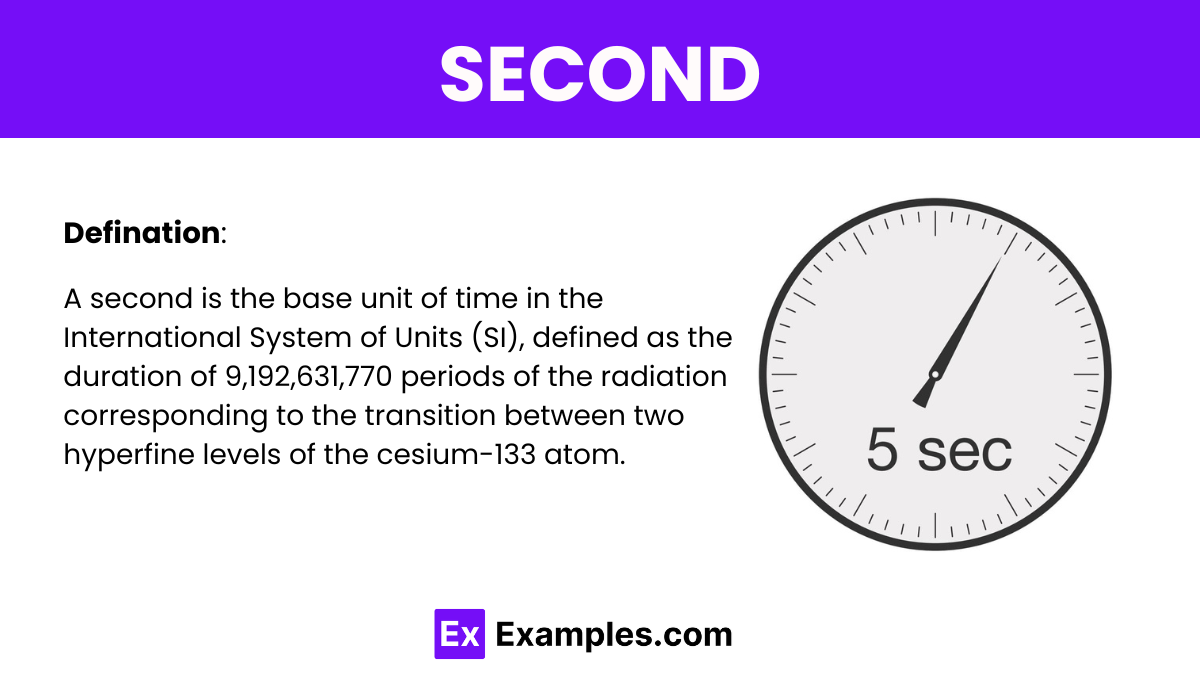
At the heart of modern digital infrastructure lies an intricate network of synchronized clocks. The global positioning system (GPS), for instance, relies on atomic clocks to maintain an extraordinary level of accuracy. These clocks, which are precise to within one second over tens of millions of years, enable GPS satellites to broadcast time signals that are then used by receivers on the ground to pinpoint locations. The integrity of GPS, and by extension, the vast array of services that depend on it – from navigation and logistics to financial transactions and scientific research – hinges on the perfect synchronization of these atomic timekeepers.
Beyond GPS, the synchronization of computer networks is another area where the second, and its sub-divisions, play a critical role. Protocols like the Network Time Protocol (NTP) are essential for ensuring that all devices on a network operate with a consistent understanding of time. This synchronization is vital for tasks such as logging events accurately, managing distributed systems, and maintaining the integrity of timestamps in data. In decentralized systems and blockchain technologies, for example, a consistent and agreed-upon time across all nodes is fundamental to preventing double-spending and ensuring the immutability of the ledger. Imagine a stock exchange where trades are executed based on slightly different time readings; the chaos would be immediate and immense.
Real-Time Data Processing and Low-Latency Systems
The proliferation of the Internet of Things (IoT), autonomous vehicles, and high-frequency trading (HFT) has amplified the demand for low-latency systems. In these scenarios, the processing of data and the execution of commands must happen almost instantaneously. For an autonomous vehicle, a delay of even a few milliseconds in processing sensor data could mean the difference between a safe maneuver and an accident. Similarly, in HFT, algorithms are designed to react to market shifts within microseconds, with the fastest traders gaining a significant advantage.
This pursuit of low latency necessitates a deep understanding of how data travels, how processors execute instructions, and how communication protocols function. Developers and engineers are constantly optimizing their code, hardware, and network architectures to shave off precious milliseconds. This optimization often involves intricate techniques like predictive algorithms, parallel processing, and specialized networking hardware. The ability to respond to events within fractions of a second is no longer a niche requirement but a competitive differentiator for many tech companies.
The Human-Computer Interaction Threshold
While machines operate at speeds far beyond human comprehension, the perception of time for a human user is a critical design consideration. User experience (UX) designers and interface engineers work to ensure that digital interactions feel responsive and intuitive. A delay of more than a few hundred milliseconds for a button click to register, for example, can lead to frustration and a perception of unreliability.
This is why asynchronous operations and progressive loading are crucial in web and app development. Instead of making the user wait for an entire page or function to load, systems often display immediate feedback, such as a loading spinner, while the background processes complete. This creates the illusion of instantaneity, improving the perceived performance and overall satisfaction of the user. The “what second is it” question in this context shifts from absolute precision to perceived responsiveness, ensuring that technology feels natural and unobtrusive in our daily lives.
The Second as a Resource: Optimizing Digital Operations
Beyond its role in precision timing, the second itself has become a valuable resource that needs to be managed and optimized within digital systems. This optimization can lead to significant gains in efficiency, cost reduction, and enhanced performance.
Bandwidth and Data Transmission
In the realm of data transmission, time is directly proportional to the amount of data that can be sent. The speed at which data travels across networks, measured in bits per second (bps), is a key metric. However, the actual throughput is influenced by factors like latency, packet loss, and the efficiency of transmission protocols, all of which are measured in seconds or fractions thereof.
Optimizing data transmission involves reducing the time it takes for data packets to reach their destination. This can be achieved through various techniques, such as employing Content Delivery Networks (CDNs) to cache data closer to users, using more efficient compression algorithms, and optimizing routing paths. The seconds saved in data transfer can translate into faster website load times, smoother video streaming, and more responsive online applications. For businesses, this translates to improved customer engagement, increased conversion rates, and a competitive edge in the digital marketplace.
Computational Cycles and Processing Power
The processing power of a computer is often measured in operations per second (e.g., FLOPS – Floating-point Operations Per Second). Each second of processing time represents a finite resource that can be allocated to various tasks. Efficient software design and hardware utilization are crucial for maximizing the work done within each second.
This is where concepts like algorithmic efficiency become paramount. An algorithm that takes ten seconds to complete a task might be considered inefficient if a better algorithm can achieve the same result in one second. Software developers constantly strive to create code that is not only functional but also computationally lean, minimizing the number of clock cycles required for execution. This is particularly important in resource-constrained environments, such as mobile devices or embedded systems, where battery life and processing power are limited. The ability to perform complex calculations or render sophisticated graphics within tight timeframes is a testament to the optimization of computational seconds.
Energy Consumption and Sustainability
The cumulative effect of seconds spent processing data, transmitting information, and running devices contributes significantly to energy consumption. In the age of massive data centers and a growing number of connected devices, energy efficiency has become a critical concern. Every second a server spends idle or performing non-essential tasks represents wasted energy.
Optimizing for energy efficiency often involves clever power management strategies. This can include putting processors into low-power states when not actively used, optimizing data transfer to reduce the need for constant network activity, and designing software that performs tasks in batches or during off-peak hours. The concept of “green computing” is increasingly focused on minimizing the environmental impact of technology, and optimizing the utilization of every second of computational and network activity is a key component of this effort.
The Second in the Digital Economy: Value and Innovation
The accurate measurement and efficient use of seconds have profound implications for the digital economy, driving innovation and creating new opportunities.
High-Frequency Trading and Algorithmic Markets
As mentioned earlier, high-frequency trading (HFT) is a prime example of how seconds (and sub-second intervals) have become a critical commodity. Firms invest heavily in infrastructure and algorithms that can execute trades in microseconds, exploiting tiny price discrepancies that exist for fleeting moments. This race for speed has reshaped financial markets, making them more liquid but also introducing new complexities and risks. The “what second is it” question in HFT is a matter of millisecond advantages that translate into millions of dollars.
The Rise of Real-Time Services and Instant Gratification
From on-demand ride-sharing services to instant messaging and live streaming, the digital economy is increasingly built around providing immediate value. Users expect services to be available and responsive the moment they are needed. This expectation has driven the development of robust, scalable, and low-latency infrastructure that can deliver on these promises. The seconds saved in fulfilling a user request translate directly into customer satisfaction and loyalty.
Time-Sensitive Data and Predictive Analytics
The analysis of time-sensitive data is crucial for making informed decisions in real-time. For example, in e-commerce, analyzing browsing behavior as it happens can allow for personalized recommendations and targeted promotions. In logistics, tracking shipments in real-time enables dynamic route optimization and proactive problem-solving. The ability to collect, process, and act upon data within seconds or minutes of its generation is a significant competitive advantage.
The Future: Quantum Computing and Beyond
As we look towards the future, technologies like quantum computing promise to revolutionize our ability to process information. While the underlying principles are vastly different, the concept of optimizing computational operations, even at the quantum level, will still be about maximizing the output within a given timeframe. The pursuit of speed and efficiency, measured in ever-smaller units of time, will continue to be a driving force in technological advancement.
In conclusion, the humble second, often taken for granted, is a fundamental pillar of the modern technological landscape. Its accurate measurement underpins critical infrastructure, its efficient management drives performance and sustainability, and its strategic utilization fuels innovation and economic growth. As technology continues to evolve at an unprecedented pace, the ability to understand, control, and optimize the flow of time within digital systems will remain a key determinant of success. The question “what second is it” is no longer a philosophical musing but a practical imperative for anyone operating at the forefront of technology.
aViewFromTheCave is a participant in the Amazon Services LLC Associates Program, an affiliate advertising program designed to provide a means for sites to earn advertising fees by advertising and linking to Amazon.com. Amazon, the Amazon logo, AmazonSupply, and the AmazonSupply logo are trademarks of Amazon.com, Inc. or its affiliates. As an Amazon Associate we earn affiliate commissions from qualifying purchases.