
The question “what season is it?” often conjures images of blooming flowers, warm beaches, vibrant autumn leaves, or snowy landscapes. Yet, beneath the familiar rhythms of nature, a parallel universe of financial seasons constantly unfolds, influencing everything from investment returns and business revenues to personal spending habits and economic indicators. For the astute individual and the savvy business, understanding these financial cycles is not merely a matter of curiosity but a cornerstone of strategic planning and wealth creation.
This article delves into the multifaceted financial “seasons” that shape our economic landscape, offering insights into how to identify them, adapt to their unique challenges, and harness their opportunities. From the predictable ebb and flow of consumer spending to the more complex machinations of market sentiment and industry-specific cycles, we will explore how recognizing the financial season can empower you to make more informed, profitable decisions.
Understanding the Calendar’s Financial Rhythms
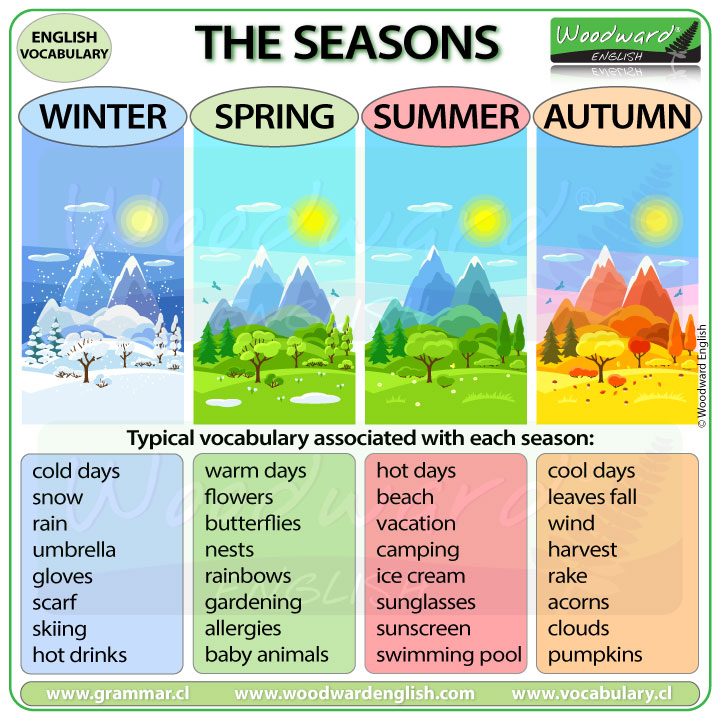
Just as the Earth’s tilt orchestrates spring, summer, autumn, and winter, a combination of cultural events, natural phenomena, and economic policies sets the stage for distinct financial seasons. These cycles are not arbitrary; they are deeply ingrained in human behavior, industrial operations, and global market dynamics. Recognizing their patterns is the first step toward financial mastery.
The Four Seasons of Personal Finance
For individuals, the year often breaks down into identifiable financial periods. Winter, typically the year’s end, is characterized by holiday spending, year-end bonuses, and charitable giving, often followed by the January reset of financial resolutions. Spring brings tax season, a focus on home improvements, and often the beginning of vacation planning. Summer can see increased travel expenses, back-to-school preparations, and a slight lull in market activity. Autumn ushers in a renewed focus on savings, pre-holiday budgeting, and often a flurry of retail promotions leading into the peak spending season. Understanding these personal finance “seasons” allows for proactive budgeting and expense management.
Macroeconomic Cycles and Their Seasonal Echoes
Beyond individual finances, broader macroeconomic forces exhibit their own seasonal patterns. Quarterly earnings reports, central bank meetings, and government budget cycles create predictable pressure points and opportunities in financial markets. Certain industries experience boom-and-bust cycles tied to the calendar, such as agriculture, tourism, and retail. Even global trade flows can show seasonal variations based on production cycles and consumer demand in different hemispheres. A deep dive into these macro trends reveals how a global “financial climate” is constantly shifting, influenced by predictable seasonal shifts in economic activity.
Seasonal Investing: Timing Markets or Trends?
The concept of “seasonal investing” is perhaps one of the most intriguing applications of financial seasonality. It posits that certain assets, sectors, or market indices exhibit predictable performance patterns during specific times of the year. While not a foolproof strategy, historical data often reveals compelling trends that can inform, though not dictate, investment decisions.
Deciphering the “Sell in May” Axiom
One of the oldest and most widely cited seasonal investment adages is “Sell in May and go away; don’t come back until St. Leger’s Day” (or simply “until September/October”). This maxim suggests that stock market returns tend to be weaker during the summer months (May through October) compared to the winter months (November through April). While the historical evidence for this trend has varied in strength over different periods and markets, it highlights the potential for seasonal sentiment and trading volumes to influence market performance. Investors who are aware of such patterns might adjust their portfolio allocations, reduce risk exposure, or seek opportunities in less seasonally affected assets during these periods.
Sectoral Shifts: Industries That Bloom and Fade
Different industries naturally align with different seasons. The energy sector, for instance, often sees increased demand and price sensitivity during extreme weather seasons (winter heating, summer cooling). Retail thrives during holiday seasons. Travel and hospitality peak in summer and during specific holiday windows. Agriculture, of course, is entirely dictated by growing seasons.
Sophisticated investors leverage these sectoral shifts. They might overweight consumer discretionary stocks ahead of holiday spending, or invest in renewable energy firms anticipating summer power surges. Conversely, they might trim positions in industries facing their seasonal lull. This requires not just identifying the season, but also understanding the underlying demand drivers that make certain sectors more resilient or volatile during particular times.
Long-Term Strategy vs. Short-Term Seasonal Plays
It’s crucial to distinguish between short-term seasonal trading and long-term investment strategy. While seasonal patterns can offer tactical advantages for nimble traders, they should not overshadow a well-diversified, long-term investment plan. For most investors, seasonal insights serve best as a secondary layer of analysis, helping to fine-tune entry and exit points or rebalance portfolios rather than dictating wholesale shifts. A long-term investor might use seasonal dips as opportunities to buy quality assets at a discount, or seasonal peaks to rebalance by trimming over-performing positions. The goal is to integrate seasonal awareness without becoming solely reliant on its often unpredictable short-term swings.
Business Cycles and Seasonal Demand
For businesses, knowing “what season it is” isn’t an option; it’s a fundamental aspect of operational planning, inventory management, and marketing strategy. Seasonal demand fluctuations can make or break a company’s annual performance.
Retail’s Rollercoaster: The Holiday Rush and Beyond
No sector exemplifies seasonal impact more vividly than retail. The entire industry gears up for the “holiday season” (Q4), which can account for a significant portion of annual sales and profits. Black Friday, Cyber Monday, and Christmas drive unprecedented consumer spending. However, this peak is often followed by a post-holiday slump in Q1. Retailers must meticulously plan inventory, staffing, and marketing campaigns to capitalize on the high seasons while managing overheads during the quieter periods. Fashion, electronics, and toys are particularly susceptible to these cycles, demanding agile supply chains and trend forecasting.

Service Industries: Peak Periods and Lulls
Service industries also navigate their own seasonal currents. Tourism and hospitality businesses thrive during vacation seasons, requiring increased staffing and aggressive marketing. Landscaping companies are busy in spring and summer, while tax preparers have their peak in early spring. Even digital service providers can see seasonal shifts in user engagement or subscription sign-ups. Understanding these patterns allows businesses to optimize pricing strategies, offer seasonal promotions, and adjust their workforce to meet fluctuating demand, ensuring efficiency and profitability throughout the year.
Adapting Operations for Seasonal Fluctuations
Successful businesses don’t just react to seasons; they anticipate and adapt. This involves strategic inventory management to avoid overstocking or stockouts, flexible staffing models, and diversified product or service offerings that can appeal to different seasonal needs. For example, a restaurant might offer outdoor dining in summer and transition to a cozy, indoor-focused menu in winter. A marketing agency might specialize in holiday campaigns for clients in Q4 and then focus on strategy development or new client acquisition in Q1. Proactive adaptation is key to converting seasonal challenges into competitive advantages.
Personal Finance: Aligning Your Budget with the Calendar
For individuals, aligning personal finance strategies with the calendar’s seasons can significantly enhance financial stability and goal achievement. It’s about more than just budgeting; it’s about anticipating life’s recurring financial demands.
Budgeting for Seasonal Expenses: Travel, Gifts, and Utilities
Many major personal expenses are inherently seasonal. Summer vacations, holiday gifts, back-to-school supplies, and increased utility bills during extreme weather months are common examples. Without proactive planning, these can derail a monthly budget. A “seasonal budget” involves setting aside funds throughout the year for these anticipated costs, rather than scrambling when they arrive. Creating separate savings buckets for “Holiday Gifts,” “Summer Travel,” or “Winter Heating” can transform these potentially stressful periods into manageable financial events.
Income Opportunities: Seasonal Side Hustles
The changing seasons also bring opportunities for supplementing income. Students might find summer jobs, and many individuals pick up seasonal work during the holiday rush in retail or logistics. Tax preparation services surge in spring, and event planning often peaks in warmer months. Identifying and capitalizing on these seasonal side hustles can provide an extra financial buffer, help pay down debt, or accelerate savings goals. It’s a pragmatic way to leverage the calendar for personal financial gain.
Tax Seasons and Financial Planning Milestones
The annual tax season (typically early spring in many countries) is a crucial financial milestone. It’s a time for reflection on the past year’s income and expenses, optimizing deductions, and ensuring compliance. Beyond taxes, other financial planning activities often align with the calendar. Year-end is a common time for reviewing investment portfolios, contributing to retirement accounts, and assessing insurance needs. The beginning of a new year often sparks financial resolutions, driving increased engagement with budgeting tools and financial advisors. By recognizing these seasonal planning milestones, individuals can ensure their financial health is regularly reviewed and updated.
Leveraging Seasonal Insights with Financial Tools
In the digital age, a wealth of financial tools can help individuals and businesses effectively track, analyze, and leverage seasonal financial patterns. These technologies transform raw data into actionable intelligence, making seasonal strategy more accessible and precise.
Predictive Analytics for Market Forecasting
Advanced financial software and AI-driven platforms increasingly employ predictive analytics to identify subtle seasonal trends in market data. These tools can process vast amounts of historical information to forecast potential seasonal shifts in stock performance, commodity prices, or consumer behavior. While no prediction is perfect, these insights can offer a significant edge for investors and businesses looking to anticipate market movements and optimize their strategies ahead of time.
Budgeting Apps and Seasonal Expense Tracking
For personal finance, modern budgeting apps (e.g., Mint, YNAB, Personal Capital) are invaluable. Many allow users to categorize expenses, set up savings goals, and visualize spending patterns over time, making it easier to identify and plan for seasonal outlays. Some even offer features to project future spending based on historical data, helping users build more realistic and resilient seasonal budgets. By tracking expenses meticulously, individuals can gain a clearer picture of their own financial seasonality and adjust their habits accordingly.
Diversification Across Seasonal Vulnerabilities
Finally, leveraging seasonal insights is not just about capitalizing on peaks but also about mitigating risks during troughs. Financial tools, including portfolio analysis software and financial planning platforms, can help individuals and businesses diversify their assets across industries or regions with different seasonal vulnerabilities. This strategic diversification ensures that a downturn in one seasonally affected area is potentially offset by stability or growth in another, providing a more balanced and resilient financial standing throughout the year, regardless of “what season it is.”

Conclusion
The question “what season is it?” transcends its meteorological origins to reveal a complex and dynamic landscape of financial cycles. From the predictable ebb and flow of personal spending and business revenues to the nuanced patterns of investment markets, understanding financial seasonality is a powerful competency. By actively recognizing these rhythms, anticipating their impact, and strategically adapting financial plans and business operations, individuals and organizations can navigate the economic calendar with greater confidence, seize emerging opportunities, and build more robust, resilient financial futures. The key lies not in fighting the seasons, but in learning to dance with them.
aViewFromTheCave is a participant in the Amazon Services LLC Associates Program, an affiliate advertising program designed to provide a means for sites to earn advertising fees by advertising and linking to Amazon.com. Amazon, the Amazon logo, AmazonSupply, and the AmazonSupply logo are trademarks of Amazon.com, Inc. or its affiliates. As an Amazon Associate we earn affiliate commissions from qualifying purchases.