
The question “what season is Hell’s Kitchen on?” might seem like a simple inquiry about a television show’s broadcast schedule. Yet, beneath this straightforward query lies a profound testament to a brand’s enduring power, its strategic evolution, and its ability to captivate audiences over an extensive period. For any brand, particularly those in the dynamic entertainment industry, sustaining relevance and a strong identity across multiple “seasons” or iterations is an immense challenge. “Hell’s Kitchen,” as a cultural phenomenon and a long-standing television franchise, offers invaluable insights into the intricacies of brand management, marketing cycles, and the cultivation of an unshakeable corporate identity that transcends fleeting trends.
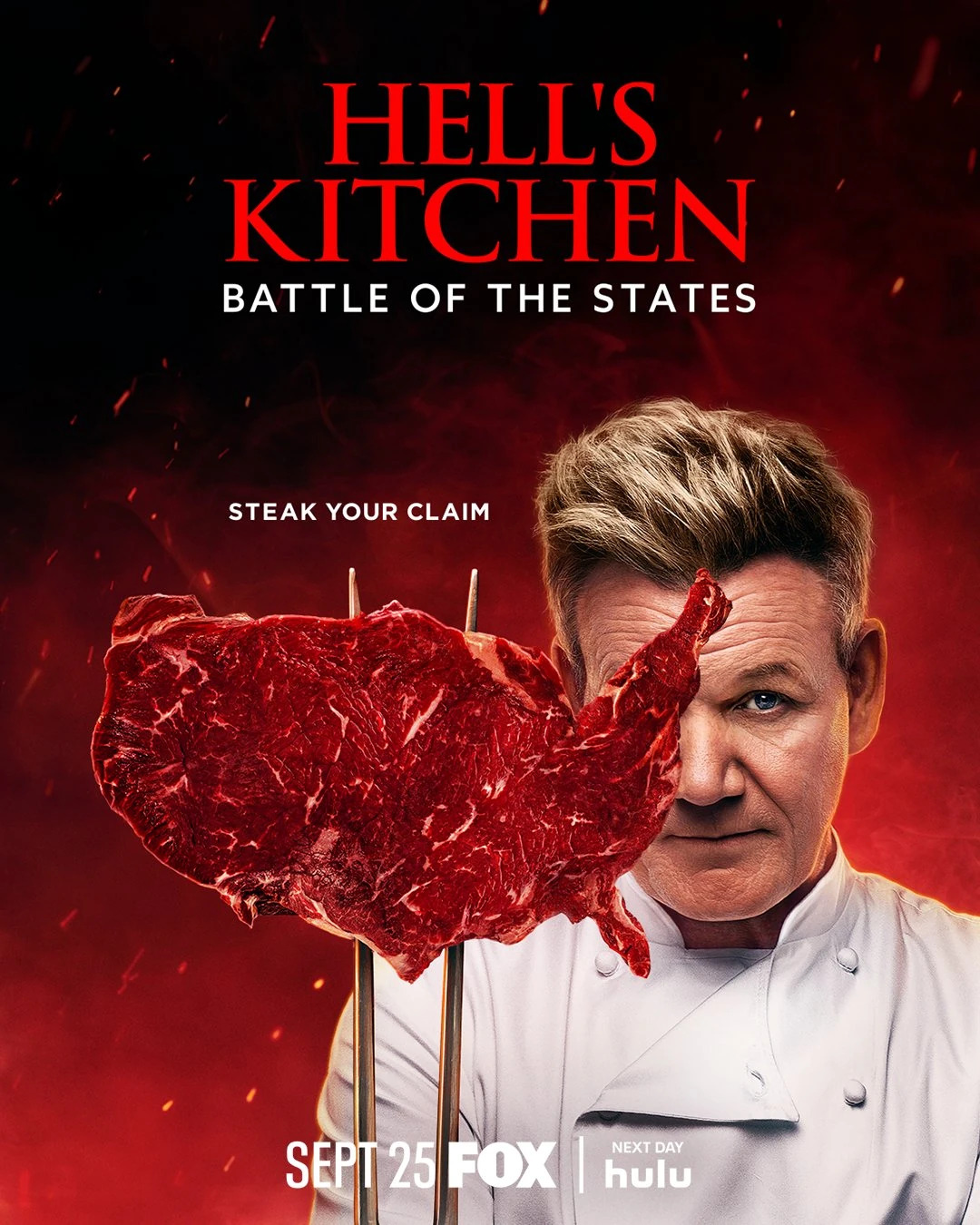
In the realm of brand strategy, the concept of a “season” extends far beyond a television programming block. It represents a recurring cycle of engagement, a period of renewed focus, and an opportunity to reinforce core brand values while simultaneously introducing fresh elements. Understanding how a brand like “Hell’s Kitchen” navigates these cycles – from its initial conceptualization to its consistent re-emergence year after year – provides a blueprint for any entity aiming to build a legacy rather than just a momentary splash. This article delves into the strategic underpinnings that allow a brand to not just survive but thrive across numerous “seasons,” maintaining its unique flavor while adapting to an ever-changing marketplace.
The Enduring Appeal of a Culinary Brand: Crafting and Maintaining Identity
At its core, “Hell’s Kitchen” isn’t merely a cooking competition; it’s a meticulously crafted brand with a distinct personality, a recognizable aesthetic, and a consistent promise to its audience. The fact that viewers continue to inquire about its current season speaks volumes about its success in etching itself into the public consciousness. This endurance is not accidental but the result of deliberate brand strategy focused on both consistent identity and subtle evolution.
Crafting a Recognizable Identity
From its inception, “Hell’s Kitchen” established a unique brand identity that was both dramatic and aspirational. The fiery logo, the iconic catchphrases, the high-stakes environment, and the formidable presence of its host, Chef Gordon Ramsay, all coalesced to form an unmistakable brand signature. This identity wasn’t just visual or verbal; it permeated the show’s narrative structure, its pacing, and even the emotional journey of its contestants. For any brand seeking similar longevity, the lesson is clear: invest in a distinct, multi-sensory identity that resonates deeply with your target audience. This includes not just logos and taglines, but also the “feel” and “tone” of every customer interaction or product experience.
The consistent reinforcement of these elements across every “season” has been crucial. While individual challenges and contestants change, the fundamental framework – the journey from aspiring chef to potential culinary leader under intense pressure – remains intact. This predictability, paradoxically, fosters a sense of comfort and familiarity, making each new season a welcome return to a beloved brand experience. It demonstrates that a strong brand foundation allows for variation without dilution.
Consistency in a Dynamic Landscape
The entertainment industry is notoriously fickle. Trends come and go, audience attention spans dwindle, and competition for eyeballs is fiercer than ever. For “Hell’s Kitchen” to consistently return for new seasons, it has had to maintain an unwavering level of quality and a clear commitment to its core offering. This consistency is a cornerstone of brand trust. Viewers know what to expect when they tune in, and that reliability is a powerful antidote to market volatility.
However, consistency does not equate to stagnation. A key aspect of “Hell’s Kitchen’s” brand management has been its ability to introduce subtle innovations and twists each season without straying from its established formula. This might involve new types of challenges, different guest judges, or even slight modifications to the set design. These incremental changes keep the brand fresh and engaging, preventing viewer fatigue while preserving the core identity that audiences have come to love. It’s a delicate balance: consistent enough to be recognizable, fresh enough to remain captivating. For other brands, this means understanding your brand’s non-negotiable core values while being agile enough to adapt your presentation and delivery methods to contemporary tastes and technologies.
Seasonal Marketing and Audience Engagement: Keeping the Flame Alive
The inquiry about which season “Hell’s Kitchen” is currently airing is, at its heart, a question about a brand’s current market presence and engagement strategy. Long-running series like “Hell’s Kitchen” are masters of cyclical marketing, understanding that each new “season” represents a fresh opportunity to re-engage loyal fans and attract new ones. This cyclical approach offers vital lessons for any brand looking to sustain relevance over time.
The Art of the Renewal Cycle
Every new season of a television show is, in essence, a brand relaunch. For “Hell’s Kitchen,” this means a carefully orchestrated marketing campaign designed to build anticipation. Teaser trailers, contestant reveals, promotional events, and interviews with Chef Ramsay all contribute to a pre-launch buzz that reminds existing fans of the brand’s return and entices potential new viewers. This cyclical renewal is a powerful tool for brands. It allows for periodic re-evaluations of marketing messaging, target demographics, and promotional channels.
The “Hell’s Kitchen” brand leverages the inherent drama of a competition to fuel its promotional efforts. The promise of intense culinary battles, explosive personalities, and the ultimate redemption arc forms the backbone of its marketing narrative. This narrative consistency, refreshed with new characters each season, provides a perpetually compelling hook. Businesses can learn from this by identifying their own cyclical “renewal points” – whether it’s an annual product update, a seasonal campaign, or a new service launch – and treating each as a strategic opportunity to re-assert their brand’s value proposition with renewed vigor.

Keeping the Flame Alive: Social Media & Digital Presence
In the age of digital media, a brand’s engagement extends far beyond broadcast schedules. “Hell’s Kitchen” effectively utilizes social media platforms, dedicated websites, and digital content to maintain a continuous dialogue with its audience, even between seasons. This ongoing digital presence transforms passive viewers into active community members. Discussions about past seasons, sneak peeks of upcoming episodes, interactive polls, and behind-the-scenes content all serve to deepen audience loyalty and keep the brand top-of-mind.
This strategy is vital for any brand in today’s interconnected world. A brand’s “season” is no longer confined to its primary product cycle; it’s a continuous conversation that unfolds across multiple digital touchpoints. By fostering online communities, responding to feedback, and creating engaging digital content, brands can ensure that their flame never truly extinguishes. Furthermore, leveraging user-generated content, such as fan theories or recipe recreations inspired by the show, further amplifies reach and authenticity, turning audience members into brand advocates.
Evolving Without Losing Core Identity: Adapting to Changing Viewer Habits
A critical challenge for any long-standing brand is how to evolve in a rapidly changing world without alienating its core audience or diluting its established identity. The longevity of “Hell’s Kitchen” across numerous seasons suggests a successful navigation of this delicate balance, offering lessons in strategic adaptation.
Adapting to Changing Viewer Habits
The way people consume media has drastically shifted over the past two decades. From linear television to DVRs, on-demand streaming, and bite-sized content on social platforms, “Hell’s Kitchen” has had to adapt its distribution and presentation strategies. While the core format of the show remains, its availability across various platforms ensures accessibility for a diverse audience with varying consumption preferences. This multi-platform presence is not just about reach; it’s about respecting how modern audiences interact with content.
For brands beyond entertainment, this translates to understanding evolving customer journeys and preferences. Whether it’s optimizing for mobile commerce, diversifying customer support channels, or tailoring content for different social media platforms, successful brands meet their audience where they are. The consistent availability of “Hell’s Kitchen” across traditional and digital channels reinforces its brand promise: delivering high-quality, engaging culinary drama whenever and wherever the audience chooses to tune in.
Expanding the Brand Universe
Another strategy for long-term brand relevance is the judicious expansion of the brand universe. While “Hell’s Kitchen” has maintained its core television format, the overarching brand has diversified. This could include spin-off shows, branded merchandise, digital games, or even real-world restaurants inspired by the show’s concept. Each of these extensions serves to reinforce the main brand and offer new avenues for audience engagement, creating a richer, more immersive brand ecosystem.
The key is that these expansions must be authentic to the original brand’s identity and values. A spin-off show that strays too far from the “Hell’s Kitchen” ethos might dilute the brand rather than strengthen it. The strategic choice to extend the brand in ways that resonate with the core audience, leveraging the existing equity, is a powerful tool for long-term growth and relevance. It allows a brand to “be on” in multiple places and formats simultaneously, expanding its “season” into a perpetual state of presence.
Measuring Success Beyond Ratings: Brand Equity and Cultural Impact
Ultimately, the persistent question about “what season is Hell’s Kitchen on” is a tacit acknowledgment of the brand’s success. But how do long-running brands like this truly measure their impact beyond immediate viewership figures or sales numbers? The answer lies in the concept of brand equity and its lasting cultural impact.
Brand Equity and Cultural Impact
Brand equity refers to the commercial value derived from consumer perception of the brand name of a particular product or service, rather than from the product or service itself. For “Hell’s Kitchen,” this equity is immense. It’s evident in the automatic recognition of Chef Ramsay, the instant recall of the show’s catchphrases, and its influence on culinary trends and aspirations. This equity is built over many “seasons” of consistent performance, positive associations, and deep emotional connections with the audience.
The cultural impact of “Hell’s Kitchen” extends beyond entertainment. It has, to some extent, demystified the professional kitchen, inspired countless home cooks, and perhaps even influenced culinary education. These intangible benefits are often more valuable than short-term gains, as they create a loyal, multi-generational audience that continues to seek out the brand. For businesses, cultivating such deep brand equity means fostering genuine connections, standing for something meaningful, and consistently delivering on promises in a way that transcends mere transactions.
The Legacy of a Long-Running Series
The longevity of “Hell’s Kitchen” speaks to its ability to build a legacy. Each season adds another chapter to its ongoing story, reinforcing its position as a staple in the entertainment landscape. This legacy is not just about past achievements; it’s about the promise of future relevance. Audiences inquire about new seasons because they trust the brand to continue delivering quality content that aligns with their expectations.
In the broader context of brand strategy, building a legacy means focusing on long-term vision over short-term gains. It involves continuous investment in brand identity, innovation, and audience relationships. The question “what season is Hell’s Kitchen on?” becomes a shorthand for “is this powerful brand still active and relevant?” The answer, season after season, continues to be a resounding yes, making it an exemplary case study in how to cultivate and sustain a brand for the long haul. Its ability to remain a topic of discussion, year after year, fundamentally demonstrates that successful branding is a marathon, not a sprint – a continuous cycle of renewal, engagement, and enduring identity.
aViewFromTheCave is a participant in the Amazon Services LLC Associates Program, an affiliate advertising program designed to provide a means for sites to earn advertising fees by advertising and linking to Amazon.com. Amazon, the Amazon logo, AmazonSupply, and the AmazonSupply logo are trademarks of Amazon.com, Inc. or its affiliates. As an Amazon Associate we earn affiliate commissions from qualifying purchases.