
Understanding the seasonality of produce, particularly a beloved fruit like cherries, is more than just a matter of culinary preference; it’s a critical factor with profound financial implications across various sectors. From growers and distributors to retailers and consumers, the timing of cherry season dictates market dynamics, pricing strategies, revenue forecasting, and even personal budgeting. Identifying the peak cherry season is therefore essential for optimizing financial outcomes, whether one is looking to maximize profits, minimize costs, or simply enjoy the freshest fruit at the best value.
Understanding the Seasonal Dynamics of Cherries
Cherry season, while broadly associated with summer, varies significantly depending on the specific varietal, geographic location, and prevailing climatic conditions. These factors collectively determine harvest windows, influencing the supply chain and, consequently, market prices. Sweet cherries, which dominate the fresh fruit market, typically have a shorter season compared to tart cherries used more often for processing.
Key Growing Regions and Their Timelines
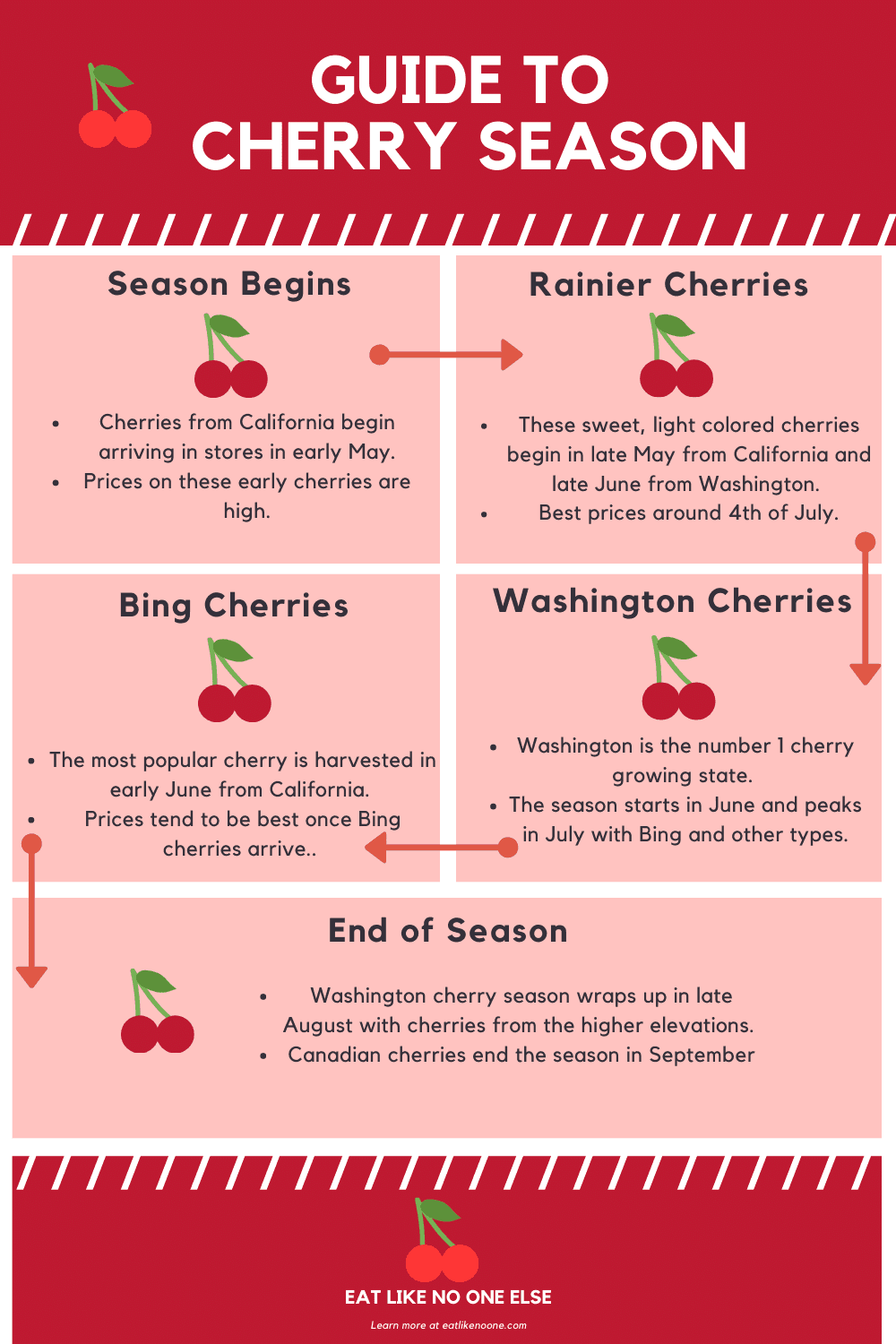
The global cherry supply is a complex tapestry woven from various regions, each contributing to a staggered harvest. In the Northern Hemisphere, the season generally kicks off in late spring and extends through summer. California often leads the charge in the United States, with its season beginning as early as late April or early May, concluding by mid-June. Following California, the Pacific Northwest states like Washington, Oregon, and Idaho become the primary producers, with their harvest typically running from mid-June through July. Other significant cherry-growing regions in the U.S. include Michigan and New York, whose seasons typically align with the later part of the summer, often extending into early August, particularly for tart cherries.
Internationally, Chile is a dominant player, primarily serving the Northern Hemisphere during its winter months (December to February), providing a crucial counter-seasonal supply that stabilizes global markets. Other contributors include Turkey, Uzbekistan, Spain, Italy, and Canada, each with distinct harvest periods that collectively ensure a relatively consistent global supply of cherries, albeit with fluctuating volumes and prices. These staggered seasons create opportunities for importers and exporters to manage inventory and meet demand year-round, generating significant cross-border trade and financial flows.
Impact of Climate on Harvest Windows
Climate plays an indispensable role in defining cherry season, directly impacting crop yield, quality, and harvest timing. Unfavorable weather events such as late frosts during bloom, excessive rain during ripening, or unseasonably hot spells can drastically alter the expected harvest. A severe frost can wipe out an entire crop, leading to devastating financial losses for growers and a surge in market prices due to scarcity. Conversely, an ideal growing season with optimal chill hours, moderate temperatures, and timely rainfall can result in a bumper crop, potentially driving down prices but increasing overall volume and revenue for successful growers.
Climate change introduces further volatility, making long-term financial planning more challenging. Unpredictable weather patterns necessitate sophisticated risk management strategies, including crop insurance, diversified cultivation across different microclimates, and investment in climate-resilient farming techniques. For businesses that rely on a consistent supply of cherries, understanding these climatic risks is crucial for inventory management, procurement strategies, and hedging against price fluctuations.
Financial Implications for Growers and Suppliers
For those operating within the agricultural sector, cherry season is the linchpin of their financial year. The short, intense harvest window means that meticulous planning and efficient execution are paramount to profitability.
Revenue Forecasting and Risk Management
Growers face the significant challenge of accurately forecasting revenue based on projected yields and market prices, both of which are highly susceptible to environmental and economic factors. Detailed historical data, coupled with advanced agricultural analytics and meteorological forecasts, are vital for making informed decisions about resource allocation, labor management, and sales strategies. Financial instruments such as forward contracts and futures can help mitigate price risk, allowing growers to lock in prices before harvest, thereby providing a measure of financial stability in an otherwise volatile market. Crop insurance is another critical tool, offering a safety net against unforeseen events that could otherwise lead to catastrophic losses. For businesses relying on cherry supply, understanding these inherent risks informs their purchasing decisions and allows for better inventory planning.
Supply Chain Optimization for Perishable Goods
Cherries are highly perishable, demanding an exceptionally efficient and robust supply chain. The short shelf life means that every hour counts from harvest to point of sale. Investment in specialized cooling technologies, rapid transport logistics, and streamlined distribution networks is not merely an operational necessity but a significant financial commitment. Any delays or inefficiencies in the cold chain can lead to spoilage, reducing marketable volume and eroding profit margins. Financial models are often used to evaluate the cost-effectiveness of different logistics solutions, aiming to minimize transit times and spoilage rates while maximizing freshness and market value. Furthermore, establishing strong relationships with reliable transportation and warehousing partners is key to ensuring consistent delivery and minimizing financial losses due to logistical bottlenecks.
Market Pricing and Competitive Strategies
The market price of cherries is a dynamic reflection of supply, demand, quality, and origin. Early-season cherries from California often command a premium due to their novelty and limited availability. As the season progresses and supplies increase from other regions, prices tend to stabilize or even decline. Growers and suppliers must employ sophisticated pricing strategies, often using real-time market data to adjust prices, offer promotions, or negotiate contracts. Differentiation through organic certification, specific varietals, or premium branding can also create opportunities for higher profit margins. Understanding the competitive landscape—including the timing of competitors’ harvests and their pricing structures—is crucial for strategic market positioning and maximizing sales revenue during the peak season.
Maximizing Value: Opportunities for Consumers and Businesses
Beyond the primary producers, cherry season creates myriad financial opportunities and considerations for consumers and ancillary businesses.
Smart Shopping: Buying for Quality and Savings
For consumers, understanding when cherries are in season is the ultimate strategy for maximizing both quality and savings. During peak season, local cherries are abundant, driving down prices due to increased supply. Buying directly from farmers’ markets or “pick-your-own” orchards can offer even greater value and freshness, often bypassing wholesaler markups. Financial planning for household budgets can benefit from this seasonal awareness; allocating funds for bulk purchases of seasonal produce can lead to savings over the year, especially if cherries are preserved (frozen, canned, or dried) for later consumption. This approach aligns with broader trends in personal finance, emphasizing conscious spending and value acquisition.
Seasonal Business Opportunities and Side Hustles
The limited window of cherry season gives rise to various entrepreneurial endeavors. Farmers’ markets thrive, providing direct sales opportunities for growers. “Pick-your-own” operations are popular, generating income from direct consumer engagement while reducing labor costs for harvesting. Beyond fresh sales, the season fuels businesses focused on cherry processing—making jams, jellies, pies, juices, and dried cherries. These value-added products extend the financial utility of the harvest beyond its fresh shelf life, creating year-round revenue streams. For individuals, these opportunities can translate into lucrative seasonal side hustles, whether it’s selling at local markets, engaging in fruit picking for a wage, or even crafting artisanal cherry products for sale online or at local craft fairs. This diversification of income sources highlights the economic versatility inherent in seasonal agricultural cycles.
Long-Term Financial Planning Around Seasonal Produce
For individuals and businesses involved in food retail or culinary arts, understanding and planning around seasonal produce like cherries can lead to significant financial advantages. Restaurants can design seasonal menus that highlight fresh, locally sourced cherries, differentiating their offerings and potentially reducing ingredient costs. Food product manufacturers can schedule production runs to coincide with peak cherry availability, ensuring optimal ingredient pricing and quality. From a personal finance perspective, investing in equipment for preserving seasonal produce (e.g., freezers, canning supplies) can be a cost-effective strategy that pays dividends over time by reducing year-round grocery expenses for out-of-season items.
The Broader Economic Ripple Effect
The financial impact of cherry season extends far beyond the immediate transactions of buying and selling fruit. It underpins significant economic activity in agricultural regions and influences broader investment decisions.
Local Economies and Agricultural Support
Cherry season provides a vital economic boost to rural communities. It creates seasonal employment opportunities for farmworkers, pickers, and packinghouse staff, injecting wages into local economies. Related industries, such as agricultural equipment suppliers, transportation companies, and packaging manufacturers, also experience increased demand. Local businesses—restaurants, hotels, and retail stores—benefit from the influx of temporary workers and agritourism generated by “pick-your-own” farms and cherry festivals. Financial institutions in these regions often play a crucial role, providing seasonal loans and credit lines to growers for operating expenses, highlighting the interconnectedness of agricultural cycles and regional economic health.
Investment Considerations in Agribusiness
For investors, understanding the intricacies of cherry season and the broader agricultural landscape can open avenues for strategic financial deployment. This could involve direct investment in cherry orchards, agricultural technology (agri-tech) companies focusing on yield optimization or climate resilience, or supply chain logistics firms specializing in perishable goods. Publicly traded companies in the food processing, distribution, or retail sectors with significant exposure to seasonal produce may also present investment opportunities, where understanding seasonal cycles can inform valuation and growth prospects. However, such investments come with inherent risks, including market volatility, climate variability, and regulatory changes, necessitating thorough due diligence and a long-term perspective. The financial health of the cherry sector, driven by its distinct seasonality, therefore offers a microcosm for understanding the broader dynamics of agribusiness investment.
aViewFromTheCave is a participant in the Amazon Services LLC Associates Program, an affiliate advertising program designed to provide a means for sites to earn advertising fees by advertising and linking to Amazon.com. Amazon, the Amazon logo, AmazonSupply, and the AmazonSupply logo are trademarks of Amazon.com, Inc. or its affiliates. As an Amazon Associate we earn affiliate commissions from qualifying purchases.