
The question “What season did Michael leave The Office?” transcends a simple fan query about a beloved television series; it serves as a powerful case study in brand strategy, audience loyalty, and the intricate dynamics of managing a successful creative property. In the entertainment industry, where key talent can often be synonymous with the brand itself, the departure of a central figure like Michael Scott—portrayed by the iconic Steve Carell—presents a monumental challenge. It forces a brand to confront its core identity, reassess its value proposition, and meticulously strategize its future without its perceived indispensable anchor. This article delves into the brand implications of such a pivotal moment, exploring how a major entertainment brand navigates the strategic, marketing, and audience-relations hurdles when its most prominent face moves on.
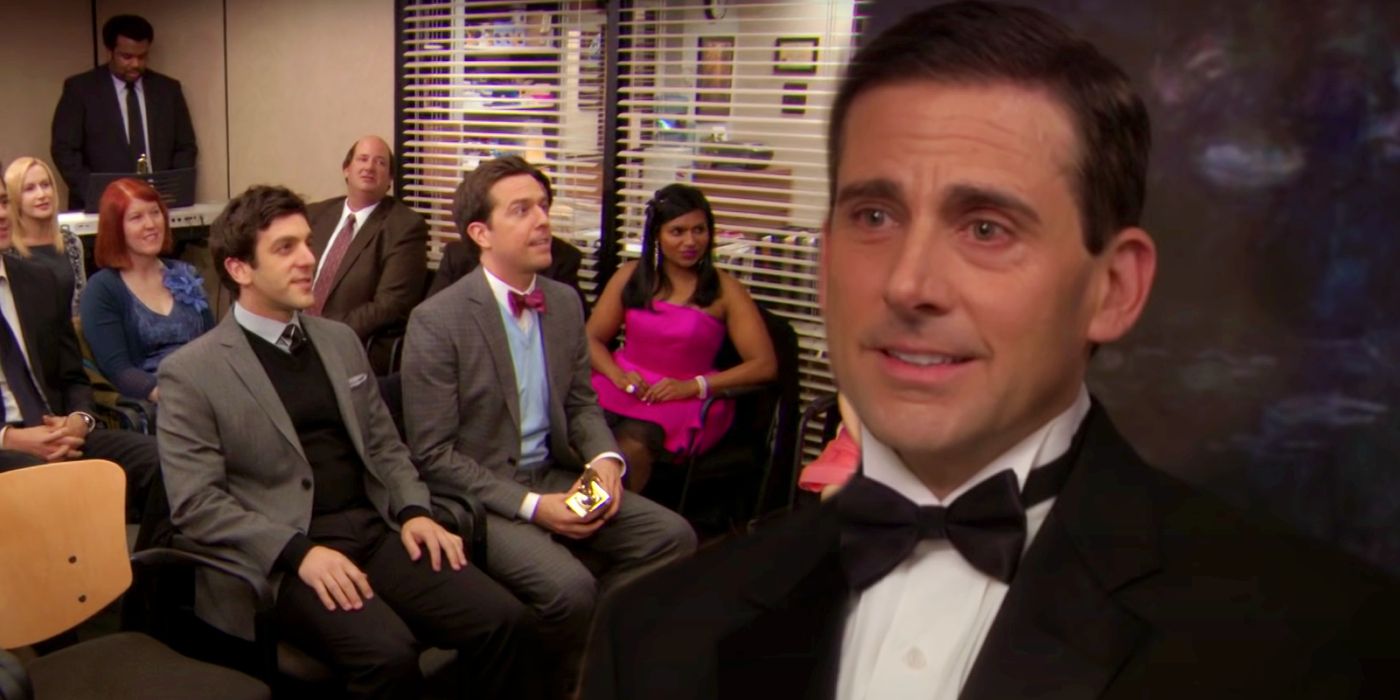
The Indispensable Anchor: Michael Scott as a Core Brand Element
From its inception, “The Office” cultivated a distinct brand identity rooted in its mockumentary style, relatable workplace humor, and a cast of quirky, endearing characters. At the epicenter of this brand was Michael Scott, the Regional Manager of Dunder Mifflin Scranton. He was not merely a character; he was the primary comedic engine, the emotional core, and, arguably, the most recognizable face of the show’s corporate identity. His specific blend of inappropriate humor, genuine heart, and profound cluelessness became a defining characteristic that resonated deeply with millions, establishing a unique brand voice that set “The Office” apart in a crowded television landscape.
Establishing the Brand Identity: Michael’s Role
Michael Scott’s persona was intrinsically woven into the fabric of “The Office” brand. He embodied the show’s blend of cringe comedy and heartfelt moments, acting as the catalyst for many of its most memorable plots and character interactions. His management style, his relationships with his employees, and his often-misguided attempts at camaraderie weren’t just plot devices; they were foundational elements of the show’s brand promise to its audience: a consistent delivery of awkward humor tempered with surprising warmth and relatability. Fans tuned in not just for the ensemble, but for Michael’s latest gaffe, his latest romantic pursuit, or his latest attempt to be “the world’s best boss.” This created a strong, almost singular association between the character and the show’s overall appeal, making him a central pillar of the brand. His presence was a guarantee of a certain type of comedic experience, a promise that the show consistently delivered upon for many seasons.
The Personal Brand of Steve Carell
Beyond the character of Michael Scott, the personal brand of Steve Carell played an equally critical role in solidifying “The Office” as a phenomenon. Carell, already a respected comedian and actor, brought a nuanced performance that elevated Michael from a simple caricature to a complex, sometimes tragic, figure. His growing stature in Hollywood as a leading man and a respected dramatic actor enhanced the show’s credibility and visibility. Carell’s personal brand, associated with quality acting and broad appeal, effectively rubbed off on “The Office,” drawing in new viewers and reinforcing the perceived value of the show for existing fans. When an actor becomes so intrinsically linked to a character and a show, their personal decisions, such as pursuing other opportunities, directly impact the brand narrative of the series they are leaving. For “The Office,” Carell’s decision to depart was not just an actor leaving a role; it was a significant brand announcement that sent ripples through the industry and fan communities alike. It signaled an impending shift in the core offering, forcing the brand to prepare for a future without its most prominent and cherished ambassador.
Navigating the Inevitable: The Strategy Behind a Star’s Departure
The decision for a lead actor to leave a highly successful show is never taken lightly, neither by the actor nor by the production team. For “The Office” brand, Michael Scott’s impending departure necessitated a sophisticated strategic approach that went beyond mere plot adjustments. It required a comprehensive brand management exercise aimed at mitigating potential audience alienation, reassuring stakeholders, and laying the groundwork for a successful continuation. The challenge was to manage the exit of a character so deeply ingrained in the brand’s identity without dismantling the very foundation upon which its success was built. This involved careful narrative planning, meticulous marketing, and a deep understanding of audience expectations and emotional attachments.
Strategic Narrative Planning and Audience Expectations
The producers of “The Office” faced the unenviable task of writing off a character who, to many, was the show. Their strategy involved crafting a farewell arc that honored Michael Scott’s journey while simultaneously preparing the audience for a future without him. This wasn’t merely about creating a compelling storyline; it was a critical brand exercise in managing emotional expectations. The narrative had to provide closure for Michael’s character, reflecting his growth and offering a satisfying resolution to his long-standing desire for love and family. By giving Michael a graceful, poignant exit that felt earned and consistent with his character arc, the brand aimed to leave fans with a sense of completion rather than abrupt abandonment. This strategic narrative planning served to transition the audience emotionally, gently weaning them off the primary brand pillar while reminding them of the enduring qualities of the wider “Office” universe. It was an acknowledgment that the brand was bigger than one character, even if that character was its most significant draw.
Marketing the Transition: Beyond the Lead Actor
Marketing a major cast change, especially the departure of the lead, requires finesse. The communication strategy for “The Office” in the lead-up to Michael’s departure was crucial. Instead of dwelling on the loss, the marketing pivoted to highlight the ensemble cast and the enduring themes of the show. Promos and interviews began to emphasize the strength of the supporting characters and the continued comedic potential of the Dunder Mifflin office dynamics. This was a deliberate effort to broaden the brand’s appeal beyond its central figure, reminding audiences that the show’s humor and heart derived from its entire cast and its unique premise. The marketing aimed to manage the narrative, framing the departure not as an ending but as a significant turning point, a new chapter for a beloved brand. It was a subtle yet powerful reinforcement of the idea that while one key element was changing, the overall brand experience would remain robust and engaging, inviting viewers to stay for the journey and discover new facets of the brand they loved.
Post-Departure Dynamics: Rebuilding and Reinforcing the Brand
Following Michael Scott’s departure, “The Office” brand entered a critical phase of redefinition. The immediate aftermath was a test of its resilience and adaptability. Without its central figure, the show had to prove that its brand identity was robust enough to stand on its own, evolving while retaining the core elements that had endeared it to millions. This period was characterized by a concerted effort to introduce new narrative thrusts, elevate existing characters, and recruit new talent, all while carefully preserving the comedic tone and emotional depth that defined the “Office” brand. It was about demonstrating that the Dunder Mifflin Scranton branch, as a brand entity, was more than just the sum of its most prominent parts.

Introducing New Narratives and Characters
To fill the void left by Michael Scott, “The Office” brand strategically introduced new characters and elevated existing ones to more prominent roles. The quest for a new regional manager became a significant plot arc, allowing for guest stars and the temporary promotion of existing characters, creating new comedic opportunities and narrative explorations. Characters like Dwight Schrute, Jim Halpert, and Pam Beesly, who had always been strong secondary brand assets, were given more screen time and deeper storylines, demonstrating the depth of the ensemble. The introduction of new personalities, while met with mixed reactions from some purist fans, was a vital brand refreshment strategy. It signaled that the brand was willing to innovate and evolve, injecting new energy and perspectives into the established framework. This deliberate expansion of the character portfolio aimed to prove that the show’s comedic wellspring was far from dry and that new dynamics could emerge to maintain viewer engagement.
Maintaining Core Brand Values and Humor
Despite the significant cast change, “The Office” brand meticulously worked to maintain its core values and signature humor. The mockumentary style, the cringe-worthy situations, the underlying warmth, and the relatable workplace absurdities remained firmly in place. The writing staff understood that while Michael Scott was a unique voice, the essence of “The Office” brand—its tone, its character archetypes, its specific comedic rhythm—was something that could and should endure. The goal was not to replace Michael Scott, but to re-emphasize the communal, ensemble nature of the Dunder Mifflin brand experience. The humor, while perhaps less centrally driven by a single individual’s antics, continued to derive from the interactions and relationships within the office. This commitment to consistency in its core brand values was crucial for reassuring the audience that despite a major change, the show they loved was still fundamentally “The Office.” It demonstrated a deep understanding of what truly constituted the brand’s appeal beyond the immediate draw of a star actor.
The Legacy and Lasting Impact: A Testament to Brand Resilience
The journey of “The Office” following Michael Scott’s departure stands as a compelling testament to brand resilience and the enduring power of a well-established property. While some fans and critics initially questioned the show’s ability to maintain its quality and audience engagement, its continued success, both during its original run and in syndication/streaming, speaks volumes. The series ultimately concluded on its own terms, leaving behind a profound legacy that continues to resonate with new generations of viewers. This enduring appeal highlights a critical lesson in brand management: true brand strength lies not in the singular brilliance of one element, but in the robust ecosystem it creates, capable of adapting and thriving even after significant shifts.
Sustaining Audience Engagement and Re-watchability
One of the most remarkable aspects of “The Office” brand is its sustained audience engagement and incredible re-watchability, particularly in the streaming era. Despite Michael Scott’s departure, the series continued to attract new fans and retain old ones, becoming a cornerstone of streaming platforms. This phenomenon suggests that while Michael was a critical component, the overarching brand experience—the character relationships, the situational comedy, the emotional payoffs—had established a deep, lasting connection with its audience. The show built a strong community around its brand, fostering fan theories, inside jokes, and a shared cultural lexicon that transcends the presence of any single character. This enduring engagement underscores the success of the brand’s post-Carell strategy, proving that it successfully transitioned from a star-centric model to a more ensemble-driven, universally appealing property, cementing its place in pop culture.
The “Office” Brand Beyond Michael: A Continuing Phenomenon
Today, “The Office” brand remains a global phenomenon, long after its final episode aired. Merchandise sales, social media virality, and its perennial popularity on streaming services demonstrate that the brand’s identity extends far beyond Michael Scott’s tenure. The show’s influence on workplace comedy and pop culture is undeniable, serving as a blueprint for character-driven humor and relatable human dynamics. This post-Michael longevity highlights that the brand successfully evolved from relying on a singular, charismatic lead to embracing its broader ensemble and narrative universe. It taught the industry that a powerful brand, with deeply etched values and a loyal community, can not only survive but thrive through significant transitions, ultimately becoming a timeless entity whose appeal transcends individual cast members.
Lessons Learned: Brand Strategy in High-Stakes Entertainment
The case of Michael Scott leaving “The Office” provides invaluable lessons for brand strategists across all industries, particularly those managing high-stakes entertainment properties. It underscores the importance of foresight, adaptability, and a profound understanding of what truly constitutes a brand’s enduring appeal. This event serves as a practical guide on how to navigate the complex interplay between talent, narrative, and audience expectations to ensure long-term brand health and relevance.
Understanding Brand Pillars vs. Brand Essence
The most significant lesson gleaned from “The Office’s” transition is the critical distinction between brand pillars and brand essence. Michael Scott was undoubtedly a colossal brand pillar, a foundational element that supported much of the show’s early identity and comedic thrust. However, the show’s ability to endure and even flourish post-Carell demonstrates that its true brand essence—its unique mockumentary format, its blend of cringe and heart, its celebration of mundane workplace life, and its ensemble of quirky, relatable characters—was resilient and adaptable. Brand strategists must identify these core, immutable elements that define their brand, ensuring they are strong enough to withstand changes in key personnel or products. Relying too heavily on a single pillar, no matter how strong, without nurturing the broader essence, can leave a brand vulnerable when that pillar shifts or is removed. “The Office” taught us that the brand was not just Michael, but the entire Dunder Mifflin ecosystem and the particular lens through which its stories were told.

The Power of Community and Fan Engagement
Finally, the sustained success of “The Office” brand underscores the immense power of community and active fan engagement in brand longevity. The fervent loyalty and deep emotional investment of its audience were instrumental in its continued relevance, even as key elements evolved. Brands that cultivate a strong, interactive community around their product or service are inherently more resilient. These communities act as advocates, content creators, and emotional stakeholders, capable of sustaining the brand through periods of change or uncertainty. “The Office” leveraged its devoted fanbase, whose ongoing discussions, memes, and re-watches kept the brand alive and vibrant long after its initial run. For any brand facing a significant transition, investing in and nurturing its community is not just good practice; it’s a vital strategic imperative that can provide the necessary momentum and emotional capital to navigate even the most challenging shifts.
In conclusion, the inquiry into “what season did Michael leave The Office?” unravels a rich narrative of brand adaptation and resilience. It illustrates how a prominent entertainment brand successfully managed the departure of its most iconic figure by strategically planning the narrative, carefully marketing the transition, continually reinforcing core brand values, and ultimately, relying on the robust essence of its identity and the unwavering loyalty of its community. It’s a compelling case study that continues to offer valuable insights into effective brand management in an ever-evolving media landscape.
aViewFromTheCave is a participant in the Amazon Services LLC Associates Program, an affiliate advertising program designed to provide a means for sites to earn advertising fees by advertising and linking to Amazon.com. Amazon, the Amazon logo, AmazonSupply, and the AmazonSupply logo are trademarks of Amazon.com, Inc. or its affiliates. As an Amazon Associate we earn affiliate commissions from qualifying purchases.