
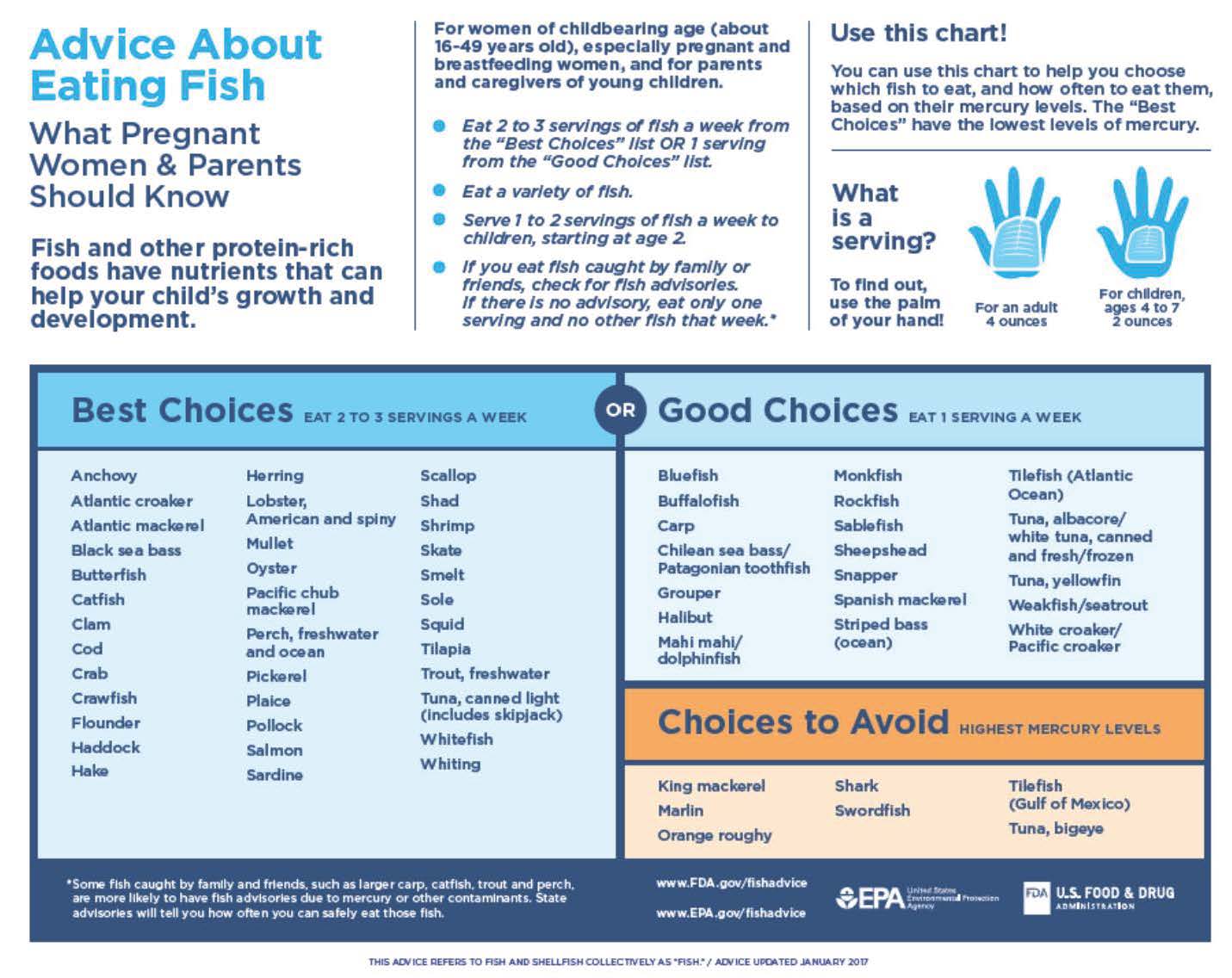
For decades, the standard advice for expecting mothers regarding seafood consumption was delivered via a static, often confusing printed brochure at a primary care physician’s office. These lists generally highlighted a handful of high-mercury fish to avoid—such as shark, swordfish, and king mackerel—while encouraging the intake of Omega-3 fatty acids. However, as our understanding of marine biology, toxicology, and global supply chains has evolved, so too has the methodology for navigating prenatal nutrition. In the modern era, the question of “what seafood to avoid” is no longer just a medical query; it is a data science challenge.

The integration of technology—ranging from AI-driven nutritional tracking and blockchain-enabled supply chain transparency to sophisticated mobile applications—is transforming how pregnant women make dietary decisions. By leveraging these digital tools, mothers-to-be can move beyond generic advice and access real-time, localized, and scientifically backed data to ensure the safety of both their own health and their baby’s development.
The Digital Shift: From Static Lists to Real-Time Databases
The traditional approach to prenatal dietary restrictions often suffered from a lack of nuance. For example, a “tuna” recommendation might not distinguish between skipjack (lower in mercury) and bigeye (higher in mercury). Today, software developers and health technologists are bridging this gap through high-performance databases and mobile health (mHealth) applications.
Algorithmic Dietary Analysis
Modern prenatal apps now utilize complex algorithms to calculate the cumulative risk of seafood consumption. Instead of merely listing “safe” or “unsafe” fish, these platforms allow users to input their weight, gestational age, and the specific quantity of seafood consumed. The software then cross-references this data with current FDA and EPA mercury concentration datasets to provide a personalized safety threshold. This algorithmic approach prevents the common mistake of over-consuming “moderate-risk” seafood, which can lead to mercury buildup over time.
API Integration with Environmental Monitoring
The most advanced digital tools are now integrating APIs from environmental monitoring agencies. Mercury levels in fish are not static; they fluctuate based on water temperature, acidity, and industrial runoff in specific geographic regions. Tech-savvy consumers can now use apps that pull data from oceanic sensors and satellite imaging to determine if seafood sourced from a particular region is currently experiencing a spike in toxins. This level of granular detail was unimaginable ten years ago and represents a major leap in digital health security.
AI and Machine Learning in Marine Toxicology
Artificial Intelligence (AI) is playing a pivotal role in predicting which seafood species are most likely to pose a risk during pregnancy. Because comprehensive laboratory testing of every fish caught is economically and logistically impossible, predictive modeling has become the new gold standard for safety.
Predictive Modeling for Mercury Accumulation
Machine learning models are being trained on decades of marine biology data to predict the bioaccumulation of methylmercury across the food chain. By analyzing factors such as the trophic level of a species, its growth rate, and its migratory patterns, AI can flag “emerging” seafood risks. For instance, if a specific region of the Atlantic experiences a rise in water temperature, AI models can predict how that change will accelerate the metabolic rates of predatory fish, leading to faster mercury accumulation. This allows tech platforms to update their “avoid” lists months before official government guidelines might catch up.
Computer Vision in Food Recognition
Another exciting frontier in tech-assisted nutrition is the use of computer vision. Pregnant women dining out may not always know exactly what species of fish is being served, especially given the high rates of seafood mislabeling in the restaurant industry. New AI tools allow users to snap a photo of their meal; the software then identifies the fish species based on texture, color, and fiber structure, providing an instant safety profile. This “vision-to-data” pipeline serves as a critical fail-safe for consumers.
Blockchain and the “Trace-to-Plate” Movement
One of the greatest anxieties for pregnant women is the lack of transparency in the global seafood trade. A label may say “Wild Caught Salmon,” but without verification, there is a risk of consuming mislabeled species that are higher in contaminants. Blockchain technology is solving this problem by providing an immutable ledger of a fish’s journey from the ocean to the grocery store.

Decentralized Ledgers for Supply Chain Transparency
By using blockchain, every participant in the supply chain—the fisherman, the processor, the distributor, and the retailer—records a digital “handshake.” When a pregnant woman scans a QR code on a seafood package, she can see exactly where the fish was caught, when it was harvested, and whether it passed heavy metal testing at a certified facility. This transparency allows her to avoid seafood from industrial zones known for high levels of PCBs (polychlorinated biphenyls) or heavy metals.
Eliminating Seafood Fraud Through Digital Identity
Seafood fraud—where cheaper, high-mercury fish are sold as premium, low-mercury options—is a significant risk during pregnancy. Tech-driven certification systems use digital “fingerprints” for batches of seafood. If the data on the blockchain doesn’t match the physical product, the system flags it. This use of corporate-grade technology at the consumer level ensures that when an expecting mother chooses a “safe” fish, she is actually getting what she paid for.
The Role of Wearables and Bio-Monitoring
As the Internet of Things (IoT) expands into the health sector, the focus is shifting from “what is in the food” to “how is the body responding.” Wearable technology and smart sensors are beginning to play a role in monitoring the physiological impact of diet during pregnancy.
Syncing Dietary Tech with Prenatal Sensors
Future iterations of prenatal care may involve syncing dietary tracking apps with wearable biosensors. While we are not yet at a point where consumer wearables can detect blood-mercury levels in real-time, they can track inflammatory markers and heart rate variability. If a specific type of seafood (even if considered “safe”) triggers an adverse physiological response or an allergic reaction, integrated software can flag that specific protein source for future avoidance.
Smart Kitchens and Home Testing Kits
The rise of the “smart home” is introducing compact, tech-enabled testing devices. Startups are currently developing portable mass spectrometers and chemical sensor strips that can interface with a smartphone. A user can take a tiny sample of a fish fillet, apply it to a sensor, and the app will provide a digital readout of the mercury, lead, or arsenic content within seconds. This democratizes laboratory-grade testing, moving the power of food safety from centralized authorities directly into the hands of the consumer.
Digital Security and Ethics in Pregnancy Tracking
With the increased reliance on apps to manage “what seafood to avoid,” the issue of data privacy and digital security becomes paramount. When a user inputs her pregnancy status and dietary habits into an app, she is sharing highly sensitive personal health information (PHI).
Encryption and Data Sovereignty
The tech industry is responding to these concerns by implementing end-to-end encryption and decentralized data storage. For pregnancy-related apps to be trusted, they must adhere to strict protocols like HIPAA in the US or GDPR in Europe. Insightful tech users are now looking for platforms that offer “local-only” storage, where their dietary logs and health data never leave their device. This ensures that their nutritional choices and pregnancy timeline are not sold to third-party advertisers or insurance companies.
The Ethics of AI Guidance
There is also an ongoing discussion regarding the “black box” nature of AI in health. If an AI incorrectly labels a high-mercury fish as “safe,” the consequences can be severe. This has led to a push for “Explainable AI” (XAI) in the medical tech space. XAI ensures that when an app tells a user to avoid a certain type of seafood, it provides the underlying data and source material (e.g., “This species is flagged due to a 20% increase in mercury reports in the North Sea region over the last 30 days”).
Conclusion: The New Standard of Prenatal Care
The question of what seafood to avoid during pregnancy has transitioned from a simple health heuristic to a sophisticated data-driven lifestyle. By embracing the latest in AI, blockchain, and mHealth, expecting mothers are no longer forced to rely on generalized, outdated advice. They can now navigate the complexities of marine nutrition with surgical precision.
As these technologies continue to mature, the risk of accidental exposure to neurotoxins will likely decrease, replaced by a new era of personalized, transparent, and digitally verified prenatal nutrition. In this landscape, “safety” is not just a list of fish to avoid; it is a digital ecosystem that empowers women to make the best possible choices for the next generation.
aViewFromTheCave is a participant in the Amazon Services LLC Associates Program, an affiliate advertising program designed to provide a means for sites to earn advertising fees by advertising and linking to Amazon.com. Amazon, the Amazon logo, AmazonSupply, and the AmazonSupply logo are trademarks of Amazon.com, Inc. or its affiliates. As an Amazon Associate we earn affiliate commissions from qualifying purchases.