
The journey to becoming a registered nurse (RN) is a significant commitment, demanding intellectual rigor, emotional resilience, and, critically, a substantial financial investment. While the question “what schooling do you need to be a nurse?” directly addresses the academic path, it inherently encompasses profound financial considerations that aspiring nurses must navigate. Understanding the educational requirements through a financial lens — evaluating costs, potential returns, and funding strategies — is paramount for making informed career and financial decisions. This article delves into the various educational pathways to nursing, dissecting the financial implications of each and offering insights into prudent financial planning for this rewarding profession.

Investing in Your Future: Understanding Nursing Education Costs
Choosing a nursing education pathway is not merely an academic decision; it’s a strategic financial investment into your future earning potential and career stability. The cost of nursing education varies widely depending on the degree, institution, and geographic location. Evaluating these costs against the projected return on investment (ROI) is crucial for financial planning.
Associate Degree in Nursing (ADN): A Cost-Effective Entry Point
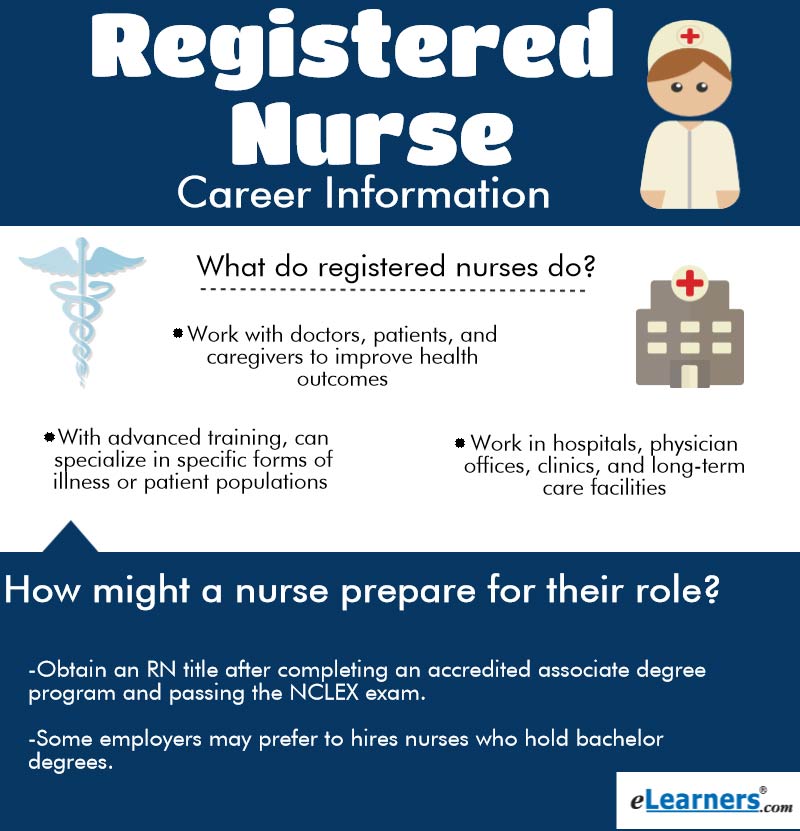
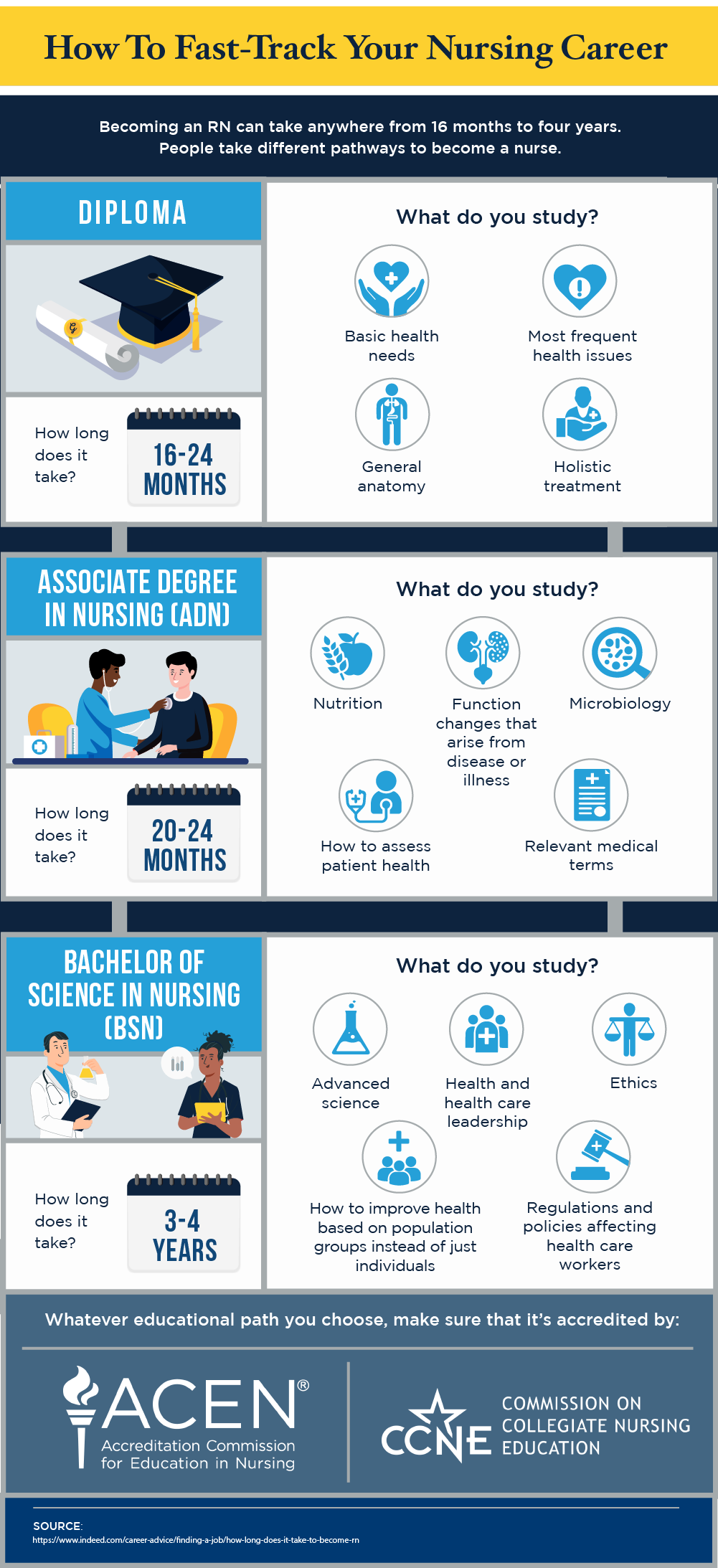
An Associate Degree in Nursing (ADN) is typically a two-year program offered at community colleges and some universities. From a financial perspective, the ADN is often the most cost-effective and quickest pathway to becoming an RN. Tuition and fees for ADN programs are generally significantly lower than those for bachelor’s degrees, making them an attractive option for individuals looking to minimize upfront educational debt. Graduates can take the NCLEX-RN exam and begin working as registered nurses relatively quickly, commencing their earning careers sooner. While the initial investment is lower, ADN-prepared nurses may find their career progression or earning potential capped in certain healthcare settings compared to those with higher degrees, potentially necessitating further education (and thus further financial investment) later on through “ADN-to-BSN” bridge programs.
Bachelor of Science in Nursing (BSN): The Preferred Standard and Its Investment
The Bachelor of Science in Nursing (BSN) is a four-year degree offered by colleges and universities and is increasingly becoming the preferred, if not mandatory, qualification for RNs, especially in hospital settings. Financially, a BSN represents a more substantial upfront investment in terms of tuition, fees, and the opportunity cost of four years dedicated to full-time study. However, this investment often yields significant long-term financial benefits. BSN-prepared nurses typically command higher starting salaries, have greater access to specialized roles, leadership positions, and advanced practice opportunities. Many healthcare systems offer tuition reimbursement or incentives for ADN-prepared nurses to pursue their BSN, recognizing the enhanced clinical outcomes and professional development associated with the degree. This indicates a strong market valuation of the BSN, justifying the greater initial financial outlay.
Accelerated BSN Programs: Time vs. Tuition
For individuals who already hold a bachelor’s degree in another field, accelerated BSN programs offer a fast-track option to nursing licensure, typically completing the curriculum in 12-18 months. While these programs save time, they often come with a higher per-credit cost and an intensive workload that can limit opportunities for part-time work. Financially, an accelerated BSN minimizes the opportunity cost of lost wages compared to a traditional four-year BSN but requires a significant, concentrated financial commitment for tuition and living expenses during the compressed study period. Prospective students must budget meticulously for the program’s intensity and the short window for income generation.
Graduate Degrees (MSN, DNP): Advanced Roles, Advanced Investment
For nurses aspiring to advanced practice roles such as Nurse Practitioner (NP), Clinical Nurse Specialist (CNS), Certified Nurse-Midwife (CNM), or Certified Registered Nurse Anesthetist (CRNA), or leadership and educational positions, a Master of Science in Nursing (MSN) or a Doctor of Nursing Practice (DNP) is required. These graduate degrees represent the highest financial investment in nursing education, with tuition and fees often exceeding those of undergraduate programs. However, the financial return for advanced practice nurses is substantial, with significantly higher salaries and expanded career autonomy. The decision to pursue a graduate degree is a calculation involving considerable financial outlay, potential student loan debt, and the long-term earning power and professional satisfaction derived from these specialized roles. Many nurses pursue these degrees while working, leveraging employer tuition benefits to mitigate costs.
Navigating the Financial Landscape of Nursing Education
Beyond tuition, a comprehensive financial plan for nursing education must account for a myriad of associated costs. Overlooking these additional expenses can lead to unexpected financial strain and potential disruptions to your academic journey.
Tuition and Fees: Beyond the Sticker Price
The publicized tuition rate is only one component of the total cost. Universities and colleges levy various mandatory fees, including technology fees, student activity fees, health service fees, and administrative fees, which can add hundreds to thousands of dollars per semester. Out-of-state tuition can dramatically increase costs for public institutions, sometimes tripling the in-state rate. Private institutions, while often having higher base tuition, may offer more generous financial aid packages that can sometimes make them comparable to out-of-state public university costs after aid. Aspiring students should request a detailed breakdown of all mandatory fees when evaluating prospective programs.
Living Expenses and Opportunity Costs
For full-time students, living expenses represent a significant financial burden. This includes housing, utilities, food, transportation, and personal necessities. For individuals transitioning from full-time employment to full-time study, the “opportunity cost” – the income forgone by not working – is a critical, albeit often unquantified, financial consideration. This lost income, combined with living expenses, can easily surpass tuition costs. Budgeting for these living expenses and understanding the financial impact of reduced or eliminated income is essential for financial stability during nursing school.
Textbooks, Supplies, and Clinical Fees
Nursing education requires more than just tuition and books. Students must budget for expensive textbooks, online learning platforms, lab fees, simulation fees, uniform scrubs, stethoscopes, medical kits, and various professional certifications (e.g., Basic Life Support, Advanced Cardiac Life Support). Clinical rotation fees, background checks, drug screenings, and immunization costs are also standard requirements for placement in healthcare facilities. These seemingly smaller costs can accumulate to several hundred or even thousands of dollars over the course of a program, necessitating their inclusion in the overall financial plan.
Funding Your Nursing Dream: Financial Aid and ROI Considerations
Securing funding is a critical step in making nursing education financially feasible. A strategic approach to financial aid and a clear understanding of the long-term return on investment can alleviate much of the financial stress.
Grants and Scholarships: Free Money for Future Nurses
Grants and scholarships are invaluable as they do not need to be repaid. Sources include federal and state governments (e.g., Pell Grants), institutional scholarships (merit-based or need-based), and private organizations. Numerous nursing-specific scholarships are available from professional associations, foundations, and healthcare systems. Proactive research and application for these “free money” opportunities can significantly reduce the overall cost of education and minimize student loan debt. Prioritizing these forms of aid is a cornerstone of smart financial planning for higher education.
Student Loans: Strategic Borrowing for a High-Demand Career
For many, student loans are a necessary component of funding nursing education. Federal student loans typically offer more favorable terms, including fixed interest rates, income-driven repayment plans, and potential deferment options, compared to private loans. Borrowing strategically means only taking out what is absolutely necessary and understanding the long-term repayment obligations. Given the high demand and competitive salaries for nurses, particularly BSN-prepared and advanced practice nurses, the ROI on student loans for nursing education is generally strong. However, excessive borrowing can still lead to financial stress post-graduation, emphasizing the need for a well-thought-out repayment plan.
Employer Sponsorships and Tuition Reimbursement
Many healthcare organizations, facing nursing shortages, offer tuition reimbursement programs or direct sponsorship for employees pursuing nursing degrees. This is particularly common for ADN-prepared nurses looking to complete their BSN or for BSN-prepared nurses pursuing graduate degrees. Such programs often come with a commitment to work for the sponsoring institution for a specified period after graduation. This is an excellent financial strategy, as it reduces or eliminates educational debt while securing immediate employment. Aspiring nurses already working in healthcare support roles should explore these benefits.
The Long-Term Return on Investment (ROI) of a Nursing Degree
Assessing the ROI of a nursing degree involves more than just comparing education costs to starting salaries. It encompasses career longevity, job security, opportunities for advancement, and the potential for increased earnings over a lifetime. Nursing consistently ranks among the most in-demand professions, offering excellent job security and competitive compensation. A BSN, in particular, often leads to higher lifetime earnings, access to management roles, and the flexibility to transition into various specialties. For advanced practice nurses, the ROI is even more compelling due to significantly elevated salaries and greater autonomy. Viewing nursing education as a long-term financial asset underscores the justification for the initial investment.
Budgeting and Financial Planning for Nursing Students
Effective financial planning is paramount to successfully navigating nursing school without undue financial stress. A well-structured budget and an understanding of post-graduation financial realities are key.
Creating a Comprehensive Education Budget
A detailed budget should account for all income sources (savings, financial aid, part-time work) and all expenses (tuition, fees, living costs, books, supplies, personal expenses). Tracking spending diligently allows for adjustments and ensures funds last throughout the academic term. Utilizing budgeting apps or spreadsheets can simplify this process. Having an emergency fund specifically for unexpected costs related to education or living is also a wise financial safety net.
Exploring Part-Time Work and Side Hustles
While nursing programs are rigorous, many students successfully manage part-time work or side hustles to supplement their income and reduce reliance on loans. Consider flexible roles within the healthcare field (e.g., Certified Nursing Assistant, Medical Scribe, patient care tech) that not only provide income but also offer valuable experience and networking opportunities. Online income streams or gig economy jobs can also provide flexibility around study schedules. The key is to find a balance that does not compromise academic performance.
Post-Graduation Financial Outlook and Loan Management
Upon graduation, nurses typically enter a profession with strong earning potential. Developing a post-graduation financial plan is crucial for managing student loan debt effectively. Explore various repayment options for federal loans, such as income-driven repayment plans, which can adjust monthly payments based on earnings. Consider consolidation or refinancing options for private loans to potentially lower interest rates or monthly payments. Prioritizing building an emergency fund, investing in retirement accounts, and setting financial goals (e.g., homeownership, further education) should be integrated into the post-nursing school financial strategy, leveraging the stable and growing income of a nursing career.
aViewFromTheCave is a participant in the Amazon Services LLC Associates Program, an affiliate advertising program designed to provide a means for sites to earn advertising fees by advertising and linking to Amazon.com. Amazon, the Amazon logo, AmazonSupply, and the AmazonSupply logo are trademarks of Amazon.com, Inc. or its affiliates. As an Amazon Associate we earn affiliate commissions from qualifying purchases.