
The persistent buzz of mosquitoes, the march of ants, or the elusive dart of a fly can be more than just an annoyance; they can represent a tangible drain on personal finances and a significant opportunity for astute entrepreneurs. Understanding “what scents bugs hate” is not merely a piece of trivia for the environmentally conscious; it’s a powerful insight that can translate into substantial cost savings for households and open lucrative avenues for businesses in the burgeoning natural solutions market. By leveraging nature’s own defensive mechanisms, individuals can significantly reduce their expenditure on chemical pest control, while businesses can tap into a growing consumer demand for safe, effective, and eco-friendly alternatives.
Leveraging Nature’s Repellents for Personal Financial Gain
For the average household, the annual cost of chemical insecticides, professional exterminator services, and even medical treatments for insect bites can quickly accumulate. Embracing natural pest repellents, rooted in the knowledge of scents bugs abhor, offers a direct path to reducing these expenditures, fostering a more sustainable and financially prudent lifestyle.
Cutting Costs: DIY Natural Pest Control
One of the most immediate financial benefits of knowing which scents repel insects is the ability to create effective, inexpensive DIY solutions. Commercial chemical repellents, whether sprays, traps, or diffusers, often come with a premium price tag, not to mention potential health concerns and environmental impacts. By contrast, a small investment in essential oils or certain garden herbs can provide a robust defense against common pests for a fraction of the cost.
For instance, studies have shown that citronella is highly effective against mosquitoes, often rivalling DEET in efficacy for short periods. Instead of purchasing pricey citronella candles or sprays, one can buy pure citronella essential oil and diffuse it, or create a simple body spray diluted with a carrier oil. Similarly, peppermint oil is a known deterrent for spiders, ants, and mice. A few drops on cotton balls strategically placed can keep these invaders at bay, eliminating the need for expensive traps or toxic baits. Eucalyptus, especially lemon eucalyptus oil, is another potent mosquito repellent, often recommended by health organizations. The cost of a small bottle of high-quality lemon eucalyptus essential oil is significantly less than a season’s supply of aerosol sprays.
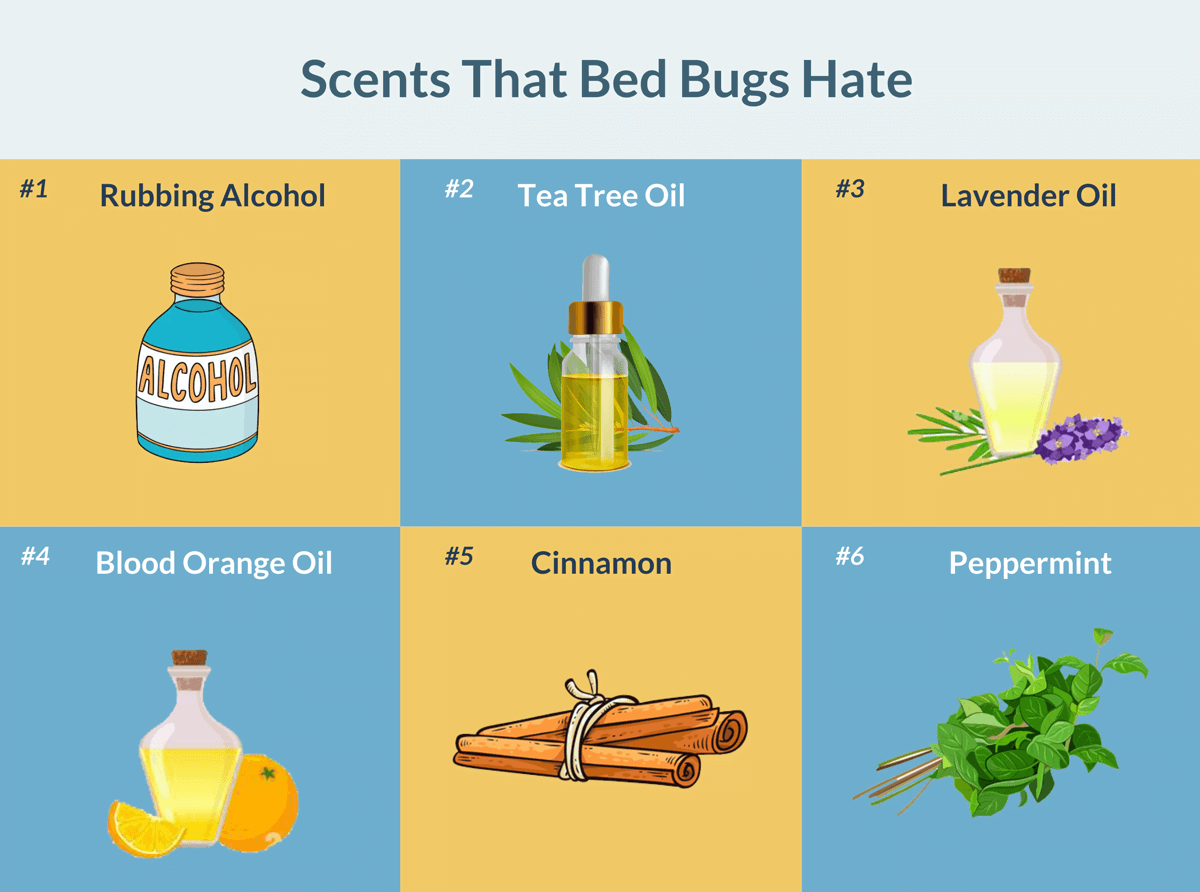
Other scents bugs hate include lavender, which repels fleas, mosquitoes, and moths; tea tree oil, effective against lice and mites; and cedarwood, a classic deterrent for moths and other fabric-eating insects. Learning to incorporate these into home remedies—whether through homemade sprays, sachets, or strategically planted herbs—translates directly into savings on store-bought products. The long-term financial impact of avoiding repeated purchases of synthetic repellents, which often contain complex chemical compounds, can be substantial over years.
Sustainable Living, Sustainable Savings
Beyond direct cost reduction, embracing natural pest control aligns with a broader philosophy of sustainable living, which often yields indirect financial benefits. Reduced reliance on chemicals means a healthier home environment, potentially lowering medical expenses related to exposure to harsh substances. Furthermore, the practice of growing repellent herbs like basil, rosemary, and marigolds not only provides a fresh source of pest deterrents but also contributes to a self-sufficient lifestyle that inherently minimizes external purchases.
Investing in long-term natural solutions, such as planting specific greenery known to deter pests around a property, can also add to its aesthetic and intrinsic value. A well-maintained garden featuring rosemary bushes (which repel mosquitoes, flies, and ticks) or basil plants (effective against flies and mosquitoes) can be an attractive feature for potential buyers who value eco-friendly living, indirectly impacting property value. This shift towards natural methods is not just about avoiding immediate costs but about fostering a financially healthier and more resilient household ecosystem.
Entrepreneurial Opportunities: Monetizing Natural Pest Solutions
The growing consumer awareness about the health and environmental drawbacks of chemical pesticides has created a significant market void for natural alternatives. For entrepreneurs, understanding “what scents bugs hate” is the foundational knowledge for building a profitable business around eco-friendly pest management. This knowledge can be leveraged to develop a diverse range of products and services, catering to a niche that values sustainability and efficacy.
Identifying High-Demand Scents: Product Development for Profit
The key to successful product development in this space lies in identifying scents that are not only effective but also appealing or at least tolerable to humans. For instance, while some essential oils might be potent, their aroma might be too strong or unpleasant for broad consumer acceptance. Focusing on popular and proven scents such as citronella, peppermint, lemongrass, lavender, cedarwood, lemon eucalyptus, and rosemary provides a strong starting point.
Products can range from essential oil blends for diffusers, body sprays, and lotions to pet-safe shampoos and garden sprays. Businesses can specialize in creating natural insect repellent candles, incense sticks, or even fabric softeners infused with bug-repelling properties. The demand for specific solutions, like mosquito-repellent wristbands for outdoor enthusiasts or moth-repellent sachets for clothing storage, offers diverse product lines. Entrepreneurs can also explore innovative delivery systems, such as slow-release diffusers or plant-based granules for gardens, expanding their market reach.
Understanding the specific pests targeted by each scent allows for specialized product lines. For example, a “Spider & Ant Defense” blend featuring peppermint and tea tree oil, versus a “Mosquito & Fly Shield” with citronella and lemongrass, allows for precise marketing and higher perceived value. This granular approach to product development, guided by scientific understanding of insect olfaction, is crucial for carving out a profitable niche.
Niche Markets: Targeting Specific Pests and Audiences
The natural pest control market is ripe for niche specialization. Businesses can focus on:
- Pet-Friendly Solutions: Developing sprays, shampoos, and collars infused with essential oils like lavender and cedarwood to repel fleas and ticks, catering to pet owners who are wary of chemical treatments.
- Garden & Outdoor Living: Creating natural perimeter sprays, plant-based granules, and companion planting guides that utilize scents like basil, marigolds, and citronella to protect gardens and outdoor recreational areas without harming beneficial insects or wildlife.
- Home & Interior Protection: Offering decorative sachets for closets, diffusers for living spaces, and non-toxic sprays for kitchens to deter moths, ants, spiders, and flies.
- Travel & Adventure: Portable, long-lasting repellent solutions like solid sticks or concentrated essential oil blends for campers, hikers, and international travelers.

By understanding the specific pain points of these diverse customer segments, entrepreneurs can tailor their product offerings and marketing messages for maximum impact and profitability. The “story” behind natural ingredients and sustainable practices also resonates strongly with these target audiences, fostering brand loyalty and repeat business.
Building a Business: Financial Strategies for Natural Pest Control Ventures
Launching a business in the natural pest control sector requires sound financial planning, from managing initial startup costs to developing robust pricing and marketing strategies. The inherent advantages of natural ingredients can contribute to sustainable financial growth if managed correctly.
Startup Capital and Operational Costs
Starting a natural pest control product business can often have lower initial capital requirements compared to ventures needing extensive chemical manufacturing facilities. Sourcing high-quality essential oils, carrier oils, and other natural ingredients (like dried herbs or plant extracts) can be done from various suppliers, often with competitive pricing for bulk purchases. Key startup costs will include:
- Ingredient Sourcing: Initial inventory of essential oils, carrier oils, bottles, labels, etc.
- Packaging and Labeling: Design and production of eco-friendly packaging that aligns with the natural product ethos.
- Formulation and Testing: Investment in R&D to ensure efficacy and safety, potentially involving lab testing.
- Website and E-commerce Platform: Essential for reaching a broad customer base and managing online sales.
- Marketing Materials: Initial spend on digital advertising, social media content, and branding.
Operational costs will primarily revolve around inventory replenishment, shipping, ongoing marketing efforts, and potentially staff salaries if the business scales. Focusing on lean operations and direct-to-consumer models can help maintain healthy profit margins.
Pricing Strategies and Profit Margins
Pricing natural pest control products effectively requires a balance between perceived value, production costs, and market competition. Given the premium consumers are willing to pay for safe, natural alternatives, there’s often room for healthy profit margins. Strategies include:
- Value-Based Pricing: Pricing based on the perceived benefits to the customer (health, environmental safety, efficacy) rather than solely on cost of goods.
- Tiered Pricing: Offering different sizes or concentrations at varying price points to cater to different budget levels.
- Subscription Models: For consumable products (e.g., essential oil blends, diffusers), a subscription service can ensure recurring revenue.
- Bundling: Offering product bundles (e.g., a “Complete Home Defense Kit”) can increase average order value.
Profitability is also influenced by efficient supply chain management and economies of scale. As purchasing volumes increase, the cost of raw materials per unit typically decreases, improving margins.
Marketing and Sales Channels for Natural Products
Effective marketing for natural pest control products leans heavily on education and trust. Highlighting the “what scents bugs hate” aspect forms the core of the value proposition. Key channels include:
- Content Marketing: Blogs, articles, and videos explaining the science behind natural repellents, DIY tips, and the benefits of specific essential oils.
- Social Media Marketing: Platforms like Instagram and Pinterest are ideal for showcasing visually appealing, natural products and engaging with environmentally conscious communities.
- E-commerce Platforms: Selling directly through a branded website, as well as marketplaces like Etsy or Amazon, reaches a wide audience.
- Local Markets and Fairs: Direct interaction with customers at farmer’s markets, craft fairs, and green living expos can build brand awareness and loyalty.
- Strategic Partnerships: Collaborating with organic gardening clubs, pet supply stores, or wellness influencers can expand reach.
Transparency about ingredients, sourcing, and efficacy is paramount. Customers choosing natural products often seek authenticity and verifiable claims, which should be central to all marketing efforts.
The Long-Term Financial Impact of Eco-Friendly Solutions
The shift towards understanding and utilizing “what scents bugs hate” for pest management extends beyond immediate savings or business profits; it represents a long-term investment in health, environment, and potentially even broader market trends.
Investment in Health and Home Value
Minimizing exposure to synthetic chemicals through natural pest control is an investment in long-term health, potentially reducing future healthcare costs. A home free from chemical residues is not only safer for inhabitants but can also be more appealing on the real estate market. As buyers become more health-conscious and environmentally aware, homes that boast natural pest management systems or designs (like strategically planted repellent gardens) may command a premium, indirectly boosting property value.

Market Growth and Investor Appeal
The global natural pest control market is projected for significant growth in the coming years, driven by increasing consumer awareness, regulatory pressures on chemical pesticides, and a general move towards sustainable practices. This burgeoning market presents an attractive opportunity for investors seeking ventures with strong ethical foundations and promising financial returns. Businesses that successfully leverage the knowledge of natural repellents, innovate product delivery, and build strong, trusted brands are well-positioned for long-term success and potential acquisition, offering lucrative exit strategies for founders and early investors. The future of pest management is increasingly scented, and financially savvy individuals and businesses are already reaping the rewards.
aViewFromTheCave is a participant in the Amazon Services LLC Associates Program, an affiliate advertising program designed to provide a means for sites to earn advertising fees by advertising and linking to Amazon.com. Amazon, the Amazon logo, AmazonSupply, and the AmazonSupply logo are trademarks of Amazon.com, Inc. or its affiliates. As an Amazon Associate we earn affiliate commissions from qualifying purchases.