
Choosing where to park your hard-earned cash is one of the most fundamental yet impactful decisions in personal finance. In an era of fluctuating interest rates and a rapidly evolving digital banking landscape, the answer to “what savings account should I open?” is no longer as simple as visiting the local bank branch on the corner. The right choice can mean the difference between earning pennies a year and generating hundreds, or even thousands, of dollars in passive interest income.
The goal of a savings account is twofold: to keep your money safe and accessible, and to protect its purchasing power against inflation. To find the account that aligns with your financial lifestyle, you must evaluate your liquidity needs, your risk tolerance for interest rate changes, and the specific goals you are saving for—whether that is an emergency fund, a down payment on a home, or a dream vacation.
Understanding the Landscape: Traditional vs. Online Savings Accounts
The primary fork in the road for most savers is the choice between a traditional brick-and-mortar institution and a modern online-only bank. Both offer FDIC insurance (up to $250,000 per depositor, per institution), meaning your money is equally safe in either, but the user experience and financial returns vary drastically.
High-Yield Savings Accounts (HYSA)
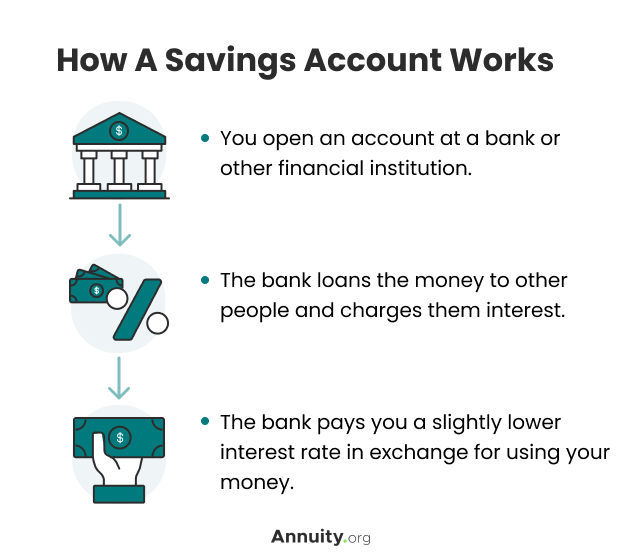
High-Yield Savings Accounts, typically offered by online banks like Ally, Marcus by Goldman Sachs, or SoFi, have become the gold standard for savvy savers. Because these institutions do not have the overhead costs of physical branches—rent, utilities, and on-site staff—they pass those savings on to the consumer in the form of significantly higher Annual Percentage Yields (APY). While a traditional bank might offer a meager 0.01% APY, an HYSA can offer 4.00% to 5.00% or more, depending on the current Federal Reserve environment.
Traditional Brick-and-Mortar Accounts
Traditional banks like Chase, Bank of America, or Wells Fargo offer the convenience of physical locations. If you frequently deal with cash deposits or prefer in-person customer service, a traditional account might be necessary. However, the trade-off is almost always a lower interest rate. These accounts are best used as “pass-through” accounts—keeping just enough for immediate needs while moving the bulk of your savings to a higher-yielding environment.
Neo-banks and Fintech Platforms
A third category has emerged in recent years: fintech platforms that offer “Cash Management Accounts.” While not technically banks themselves, these companies partner with several banks to provide high interest rates and expanded FDIC insurance coverage (sometimes into the millions). These are excellent for individuals with high net worth who want to keep large sums liquid while ensuring every dollar is insured.
The Essential Criteria for Comparison: Beyond the Interest Rate
While the APY is often the headline feature, it is not the only factor that determines the quality of a savings account. To truly optimize your money, you must look at the fine print and the digital infrastructure supporting the account.
Fee Structures and Minimum Balances
The quickest way to erode your savings is through “maintenance fees” or “minimum balance requirements.” Many traditional banks charge a monthly fee unless you maintain a certain balance (e.g., $300 or $1,500). In contrast, most top-tier online savings accounts have eliminated these fees entirely. When choosing an account, look for a “no-fee” structure to ensure that your interest earnings stay in your pocket rather than being diverted back to the bank.
Compounding Frequency
Not all interest is calculated the same way. Some accounts compound interest daily, while others do so monthly or quarterly. Daily compounding is the most beneficial for the saver, as it means you earn interest on your interest every single day. Over a long period, the difference between monthly and daily compounding on a large balance can be substantial.
Digital Experience and Accessibility
Since you will likely manage your account via a smartphone, the quality of the bank’s app is paramount. A good savings account should offer seamless external transfers, mobile check deposits, and robust security features like multi-factor authentication (MFA). Furthermore, check the transfer speeds. Some online banks allow for same-day or next-day transfers to your primary checking account, while others may take three to five business days, which could be problematic in an emergency.
Exploring Alternatives: Specialized Savings Vehicles
Sometimes, a standard savings account isn’t the most efficient tool for your specific timeline. Depending on when you need the money, you might consider vehicles that offer higher rates in exchange for less liquidity.
Certificates of Deposit (CDs)
If you have a lump sum of money that you know you won’t need for a specific period—six months, a year, or five years—a CD might be the best option. CDs generally offer a fixed interest rate that is higher than a standard savings account. The “catch” is that you must leave the money in the account for the duration of the term. If you withdraw early, you will face a penalty. This makes CDs excellent for specific future expenses, like a wedding or a house closing.
Money Market Accounts (MMAs)
Money Market Accounts are a hybrid between a checking and a savings account. They often provide higher interest rates than traditional savings and come with check-writing privileges or a debit card. They are ideal for individuals who want a high yield but also want the ability to occasionally spend directly from the account without transferring funds first. Note that they often have higher minimum balance requirements than standard savings accounts.
Tiered-Rate Savings Accounts
Some banks offer tiered interest rates, where the APY increases as your balance reaches certain thresholds. For example, you might earn 2.00% on the first $10,000 and 4.50% on everything above that. These can be beneficial for high-savers, but it is important to calculate the “effective rate” across your entire balance to ensure you aren’t actually earning less than you would in a flat-rate HYSA.
Aligning Your Account Choice with Financial Goals
The “best” account is ultimately the one that serves your specific purpose. Financial experts often recommend “bucket” saving—using different accounts for different objectives to prevent “budget leakage.”
The Emergency Fund
For an emergency fund, liquidity and stability are the priorities. You need an account that is separate from your daily checking account (to remove the temptation to spend) but close enough that you can access it within 24–48 hours. A High-Yield Savings Account with no minimum balance is almost always the perfect fit here. It allows the fund to grow against inflation while remaining ready for a “rainy day.”
Short-Term Goal Planning
If you are saving for a goal 1–3 years away, such as a down payment on a car or a home, you may want to utilize a “CD Ladder.” This involves opening multiple CDs that mature at different intervals. This strategy provides higher interest rates while ensuring that a portion of your cash becomes available every few months, offering a balance between growth and accessibility.
The Psychological Aspect of Savings
For many, the biggest hurdle is the act of saving itself. If you struggle with discipline, look for an account that offers “automated savings features” or “round-ups.” Some modern fintech accounts will automatically transfer a set amount from your checking to your savings every payday or round up your purchases to the nearest dollar and save the change. Choosing an account with these built-in psychological “nudges” can be more valuable than an extra 0.10% in interest.
Making the Move: How to Successfully Open and Optimize Your Account
Once you have identified the type of account that fits your needs, the process of opening it is generally straightforward but requires attention to detail.
The Application Process
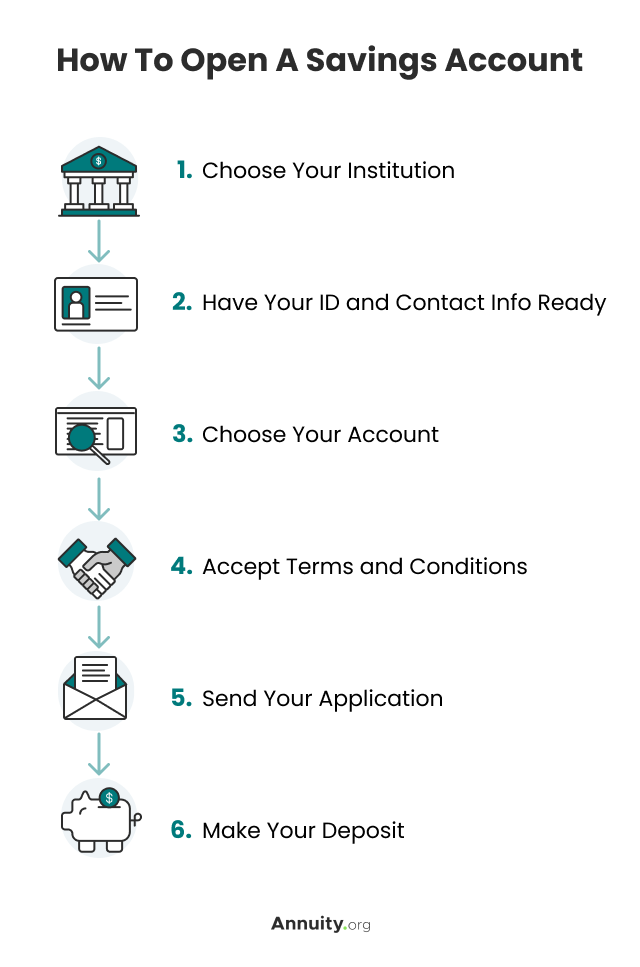
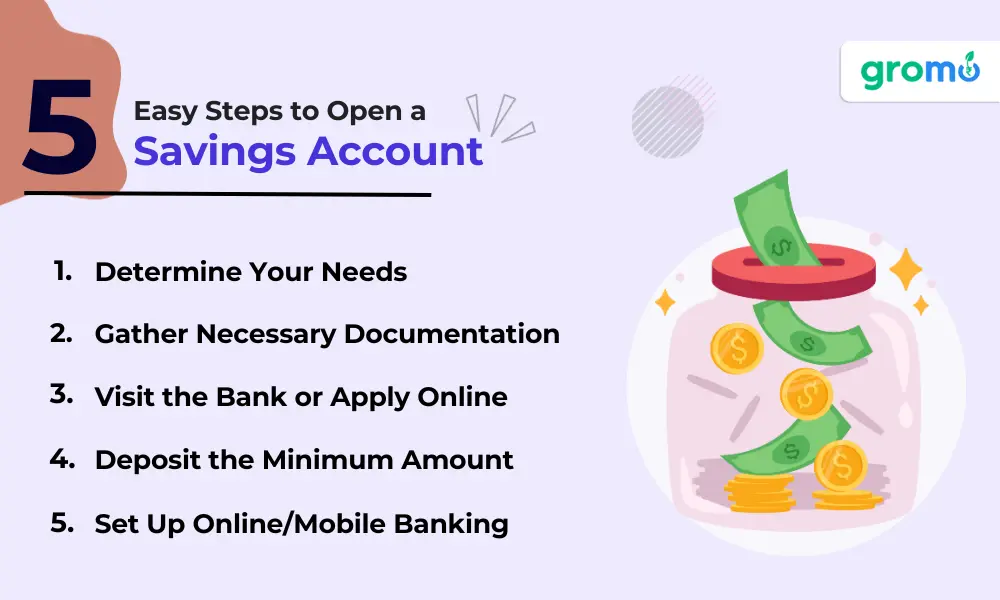
Most online accounts can be opened in under ten minutes. You will need your Social Security Number, a government-issued ID, and the routing/account numbers for the bank you are currently using to fund the new account. During the application, pay attention to “promotional rates.” Some banks offer a high introductory rate that drops significantly after three to six months. Always aim for an account with a consistently high “base rate” rather than one relying on temporary gimmicks.
Managing Multiple Accounts
As your financial life becomes more complex, you may find yourself with three or four different savings accounts. To avoid confusion, utilize the “nickname” feature offered by most banking portals. Naming your accounts “Emergency Fund,” “Travel 2025,” and “Property Taxes” provides clarity and motivation.
Periodic Reviews
The banking market is competitive. An account that was a leader last year might fall behind this year. It is wise to perform a “financial health check” every six months. Compare your current APY against the market leaders. If your bank has significantly lowered its rates while competitors have maintained theirs, don’t be afraid to move your money. In the digital age, switching accounts is a low-effort task that can result in higher long-term wealth.
By carefully selecting a savings account based on yield, fee structure, and your specific financial timeline, you transform your savings from a stagnant pile of cash into a dynamic engine for wealth preservation. Whether you choose a high-tech HYSA or a structured CD ladder, the key is to ensure your money is working just as hard for you as you did to earn it.
aViewFromTheCave is a participant in the Amazon Services LLC Associates Program, an affiliate advertising program designed to provide a means for sites to earn advertising fees by advertising and linking to Amazon.com. Amazon, the Amazon logo, AmazonSupply, and the AmazonSupply logo are trademarks of Amazon.com, Inc. or its affiliates. As an Amazon Associate we earn affiliate commissions from qualifying purchases.