
Salary, a term frequently used yet often misunderstood, represents a cornerstone of the modern economic landscape. Far more than just a number on a paycheck, it encapsulates a complex interplay of value exchange, market forces, individual skills, and strategic financial planning. For both individuals and organizations, understanding “what salary is” is crucial for navigating careers, managing personal finances, and fostering a productive workforce. This article delves into the multifaceted nature of salary, exploring its core definitions, components, determinants, and profound implications across the financial spectrum.
The Fundamental Nature of Salary: More Than Just a Number
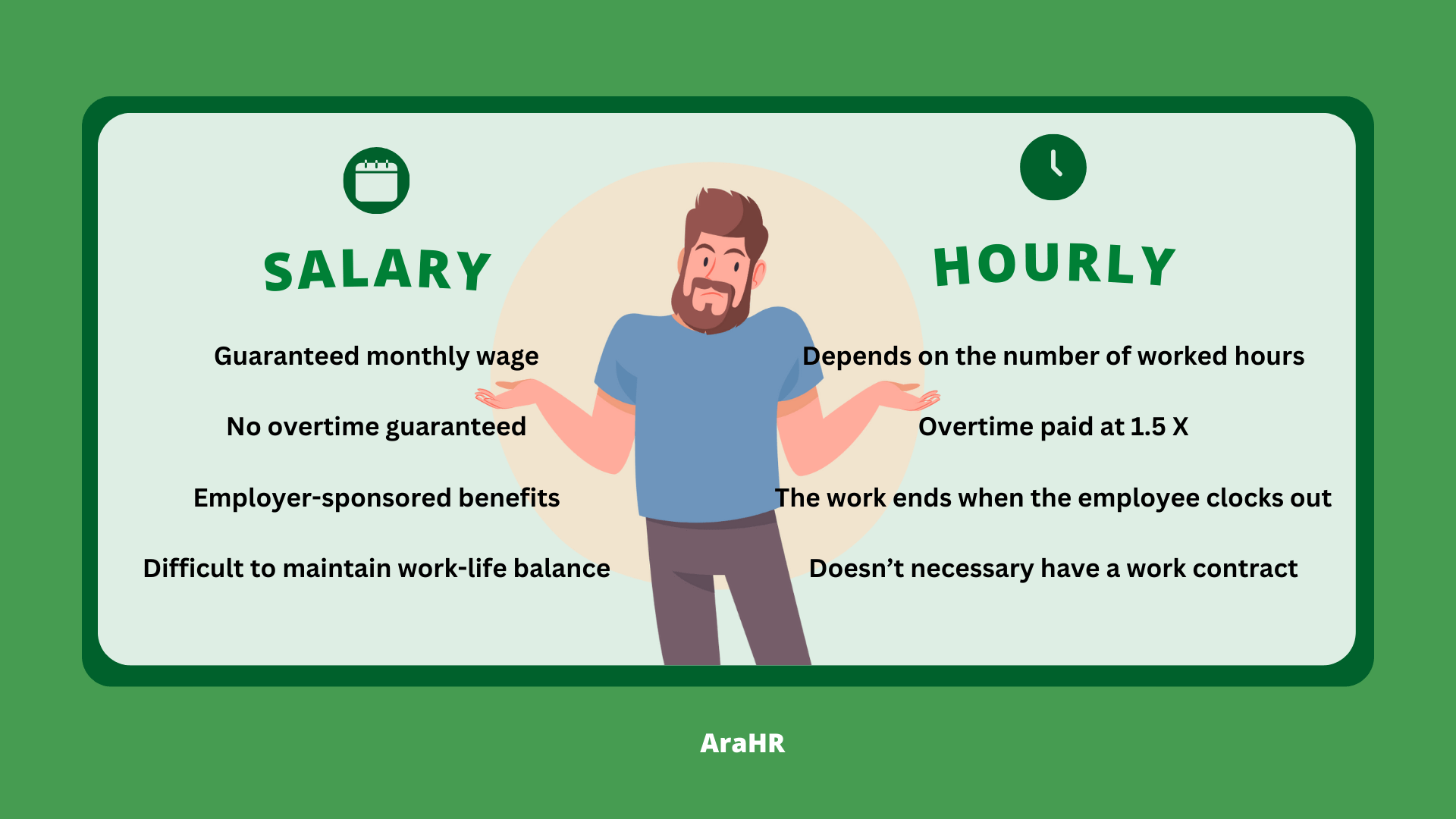
At its essence, salary is a fixed, regular payment, typically paid on a monthly or bi-weekly basis, made by an employer to an employee for their services. Unlike hourly wages, which fluctuate based on hours worked, salary generally remains constant regardless of minor variations in time input, provided the employee fulfills their contractual obligations. This predictable income stream forms the bedrock of financial stability for countless individuals worldwide.
Differentiating Salary from Wages and Other Income Forms
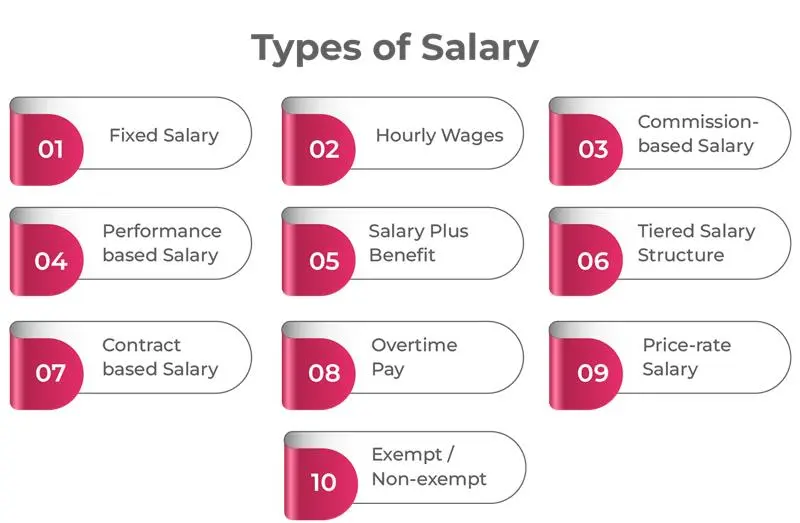
While often used interchangeably in casual conversation, “salary” and “wages” carry distinct meanings. Wages are typically compensation calculated based on an hourly rate, with total earnings directly proportional to the time spent on the job. This model is common in manufacturing, retail, and service industries where tasks are often time-bound. Salary, on the other hand, implies compensation for a set of responsibilities, duties, and expected outcomes, irrespective of the precise hours worked within a standard workweek. Beyond these, other income forms like commissions (percentage-based on sales), bonuses (performance-driven extra payments), or freelance fees (project-based or retainer-based) further diversify the landscape of compensation. Understanding these distinctions is vital for clarity in employment contracts and financial planning.
Historical Roots and the Evolution of Compensation Models
The concept of fixed, regular payments for service has historical precedents dating back to ancient civilizations, where soldiers or administrators received a regular allowance, often in salt (hence the word “salary” from the Latin salarium). However, the modern salary system largely emerged with the industrial revolution and the subsequent rise of white-collar professions and managerial roles. As economies became more complex and work shifted from purely manual labor to intellectual and administrative tasks, the need for stable, predictable compensation for non-hourly roles grew. This evolution reflected a societal shift towards recognizing the ongoing value of an employee’s contribution to an organization, beyond mere time spent, and helped foster long-term employer-employee relationships and professional development.
The Multifaceted Components of a Salary Package
A holistic view of “what salary is” extends beyond the base pay figure. In today’s competitive labor market, employers increasingly offer comprehensive compensation packages designed to attract, motivate, and retain top talent. These packages encompass a variety of elements, each contributing to the total financial and non-financial value an employee receives.
Base Compensation: The Fixed Element
The base salary is the fundamental, fixed component of an employee’s compensation. It is the amount agreed upon for the core duties and responsibilities of a position, before any bonuses, benefits, or deductions. This figure is typically what most people refer to when discussing their “salary.” It serves as the primary determinant for an individual’s purchasing power, loan eligibility, and overall financial planning. Establishing a competitive base salary is critical for companies to be attractive to job seekers and for employees to feel their fundamental value is recognized.
Variable Pay: Performance-Driven Incentives
Beyond the base salary, many roles include variable pay components, which are directly tied to individual, team, or company performance. These can include:
- Bonuses: Often paid annually, bonuses can be discretionary (based on overall company success), performance-based (linked to specific metrics), or retention bonuses.
- Commissions: Common in sales roles, commissions are a percentage of revenue generated or products sold, incentivizing direct contribution to sales targets.
- Profit-Sharing: Employees receive a portion of the company’s profits, aligning their interests with the organization’s financial success.
- Stock Options/Grants: Particularly in tech and executive roles, these offer employees ownership stakes in the company, providing long-term incentives and aligning interests with shareholder value.
Variable pay systems are designed to motivate employees to exceed expectations and directly contribute to organizational goals, rewarding high achievement and fostering a results-driven culture.
Benefits and Perquisites: The Total Reward
While not directly cash in hand, benefits and perquisites (perks) form a significant part of the total compensation package, often representing a substantial monetary value. These can include:
- Health Insurance: Medical, dental, and vision coverage.
- Retirement Plans: 401(k), 403(b), or pension plans, often with employer matching contributions.
- Paid Time Off (PTO): Vacation days, sick leave, and holidays.
- Life and Disability Insurance: Financial protection for employees and their families.
- Educational Assistance: Tuition reimbursement for professional development.
- Wellness Programs: Gym memberships, mental health resources.
- Perks: Company cars, subsidized meals, flexible work arrangements, remote work stipends, or childcare assistance.
These benefits contribute significantly to an employee’s overall well-being and financial security, making the total compensation package often more valuable than the base salary alone. When evaluating a job offer, it’s crucial to consider the full spectrum of these components.
Key Determinants of Salary Levels
The salary an individual commands is not arbitrary but rather the result of a complex interplay of market dynamics, individual attributes, and broader economic factors. Understanding these determinants empowers both job seekers and employers to make informed decisions about compensation.
Market Dynamics: Supply, Demand, and Industry Benchmarks
The fundamental economic principles of supply and demand heavily influence salary levels. If there’s a high demand for a specific skill set (e.g., AI engineers) and a limited supply of qualified professionals, salaries for those roles will naturally be higher. Conversely, an oversupply of candidates for a common role can depress wages. Industry benchmarks and salary surveys play a crucial role, providing data on average compensation for specific roles, industries, and geographical locations. Companies use this data to ensure their compensation structures are competitive, while individuals use it to gauge their market value and inform negotiation strategies.
Individual Attributes: Skills, Experience, and Education

An individual’s unique profile significantly shapes their earning potential.
- Skills: Highly specialized, in-demand, or hard-to-acquire skills (e.g., advanced programming languages, complex data analysis, strategic leadership) command higher salaries. Continuous learning and upskilling are therefore critical for career advancement and salary growth.
- Experience: Years of relevant experience in a particular field or role generally correlate with higher salaries, as experience often brings greater expertise, efficiency, and problem-solving abilities.
- Education and Certifications: Higher levels of education (e.g., master’s degrees, PhDs) or specialized professional certifications (e.g., PMP, CPA) can significantly boost earning potential, particularly in professions where such qualifications are highly valued or legally required.
Geographical and Economic Factors
Location plays a substantial role in salary determination. Salaries for identical roles can vary significantly between different cities, states, or countries due to differences in cost of living, local labor markets, tax structures, and economic health. Major metropolitan areas with higher costs of living often feature higher salaries to compensate. Furthermore, the overall economic climate impacts compensation; during periods of strong economic growth, companies may offer higher salaries and more generous benefits, whereas economic downturns can lead to wage stagnation or even reductions. Global economic trends, political stability, and regulatory environments also cast a long shadow over compensation practices.
Strategic Implications of Salary for Individuals and Businesses
The meaning of “what salary is” extends beyond its numerical value, encompassing profound strategic implications for both individual financial well-being and organizational success. Salary acts as a critical lever in personal finance, talent management, and overall economic health.
Personal Financial Health and Wealth Building
For individuals, salary is the primary engine of personal financial health. It dictates daily spending power, the ability to save, and the capacity to invest for future goals like homeownership, education, and retirement. A well-managed salary, combined with prudent budgeting and investment strategies, is fundamental to wealth building and achieving financial independence. It also influences creditworthiness, affecting access to loans and mortgages. Understanding gross versus net salary, managing taxes, and leveraging employer-sponsored benefits like retirement plans are crucial steps in optimizing one’s salary for long-term financial security.
Business Sustainability and Talent Management
For businesses, salary represents a significant operational cost, yet it is also an indispensable investment in human capital. A strategically designed compensation structure enables companies to attract and retain the best talent, motivate high performance, and foster a positive organizational culture. Competitive salaries prevent high employee turnover, which can be extremely costly in terms of recruitment, training, and lost productivity. Beyond base pay, the perception of fairness, transparency, and opportunities for salary growth are key drivers of employee engagement and loyalty. A balanced approach to compensation ensures business sustainability by managing costs effectively while empowering the workforce.
Broader Economic Impact
Collectively, salaries fuel economies. They drive consumer spending, which is a major component of GDP in most developed nations. When salaries are healthy and growing, consumer confidence typically rises, leading to increased purchases of goods and services, stimulating demand, and encouraging business expansion. Conversely, stagnant wages can lead to reduced consumer spending, slow economic growth, and contribute to wealth inequality. Government policies related to minimum wage, taxation, and labor laws also significantly influence salary structures and their broader economic effects, highlighting the interconnectedness of individual compensation and national prosperity.
Navigating and Maximizing Your Salary Potential
Understanding “what salary is” empowers individuals to take proactive steps in managing and maximizing their earning potential throughout their careers. This involves strategic planning, continuous self-improvement, and effective communication.
Effective Salary Negotiation Strategies
Negotiating salary is a crucial skill that can significantly impact lifetime earnings. It requires preparation, research, and confidence. Before entering negotiations, individuals should research market rates for their role, industry, and location, leveraging salary surveys and professional networks. During negotiations, it’s essential to articulate one’s value proposition, highlight achievements, and clearly state salary expectations, while also being open to discussing the full compensation package, including benefits and perks. A professional and respectful approach, coupled with a willingness to walk away if an offer doesn’t meet critical requirements, are hallmarks of successful negotiation.
Continuous Learning and Skill Development
The labor market is dynamic, with skills becoming obsolete and new ones emerging at an accelerating pace. To maintain and increase earning potential, continuous learning and skill development are paramount. This involves staying abreast of industry trends, acquiring new technical skills, improving soft skills (e.g., communication, leadership, problem-solving), and pursuing relevant certifications or advanced degrees. Investing in oneself through education and training not only makes an individual more valuable to current and future employers but also opens doors to higher-paying roles and greater career opportunities.
Understanding Compensation Equity and Transparency
Discussions around salary are increasingly focusing on equity and transparency. Compensation equity ensures that individuals performing similar roles with similar experience and qualifications receive comparable pay, regardless of gender, race, or other protected characteristics. Companies are increasingly adopting pay transparency initiatives, either voluntarily or due to legislation, which can help address pay gaps and foster trust. For individuals, understanding pay equity means being aware of their rights, researching fair pay practices, and advocating for themselves and others to ensure fair compensation practices are upheld. This contributes to a more just and equitable professional landscape.
Conclusion
“What salary is” transcends a simple monetary figure; it is a complex construct deeply woven into the fabric of individual lives and the global economy. From its historical roots as a regular payment to its modern manifestation as a sophisticated compensation package, salary reflects the ongoing exchange of labor for livelihood. Understanding its fundamental nature, component parts, influencing factors, and strategic implications empowers individuals to build financial security and careers, while enabling businesses to attract talent and drive growth. As economies evolve, so too will the concept of salary, making continuous learning and adaptation essential for everyone navigating the intricate world of compensation.
Disclaimer:
Please note that I was unable to access the local file path D:/Canh/Hugo/aviewfromthecave/node-aviewfromthecave/HTML/what_salary_is.txt mentioned in the instructions. Therefore, this article was generated based solely on the provided title “what salary is” and the identified “Money” category, adhering to all other specified writing instructions regarding tone, length, and structure. The content and logical flow are derived from a comprehensive understanding of the topic within the specified niche.