
The definition of “rich” has always been a moving target, shaped by inflation, geographic location, and evolving social expectations. For some, being rich means never having to look at a price tag; for others, it is the ability to walk away from a job without financial fear. However, when we look at the hard data of personal finance and economic stratification, the question of what salary makes a person rich becomes a complex intersection of annual income, net worth, and purchasing power.
In today’s economy, a high salary is no longer the sole indicator of wealth. With the rise of “lifestyle inflation” and the staggering cost of living in global hubs, a six-figure income—once the gold standard of American success—often feels like a baseline for middle-class stability rather than a ticket to the elite. To understand what salary is truly considered rich, we must look beyond the gross numbers and examine the financial architecture of the modern upper class.
The Numerical Threshold: National Averages and Regional Realities
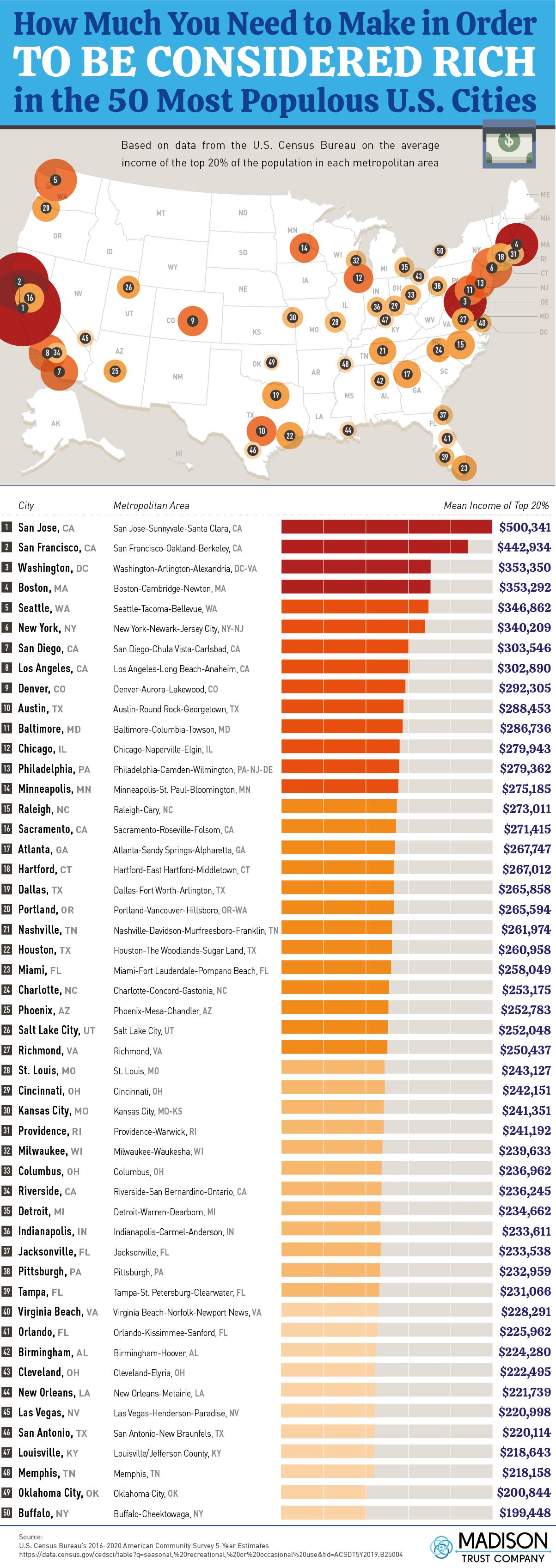
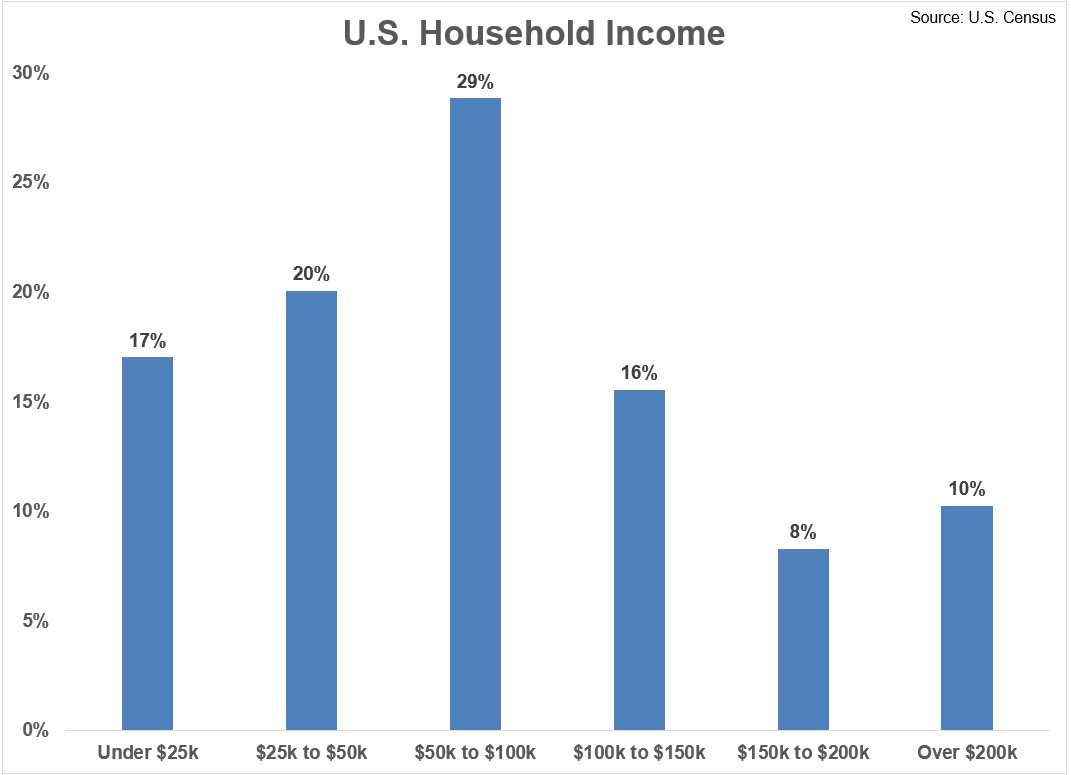
From a purely statistical standpoint, “rich” is often defined by where an individual falls within the income distribution of their country. In the United States, the Internal Revenue Service (IRS) and the Census Bureau provide a framework for these classifications. Generally, the top 1% to 5% of earners are considered wealthy by national standards.
The Top 1% and the Top 5%
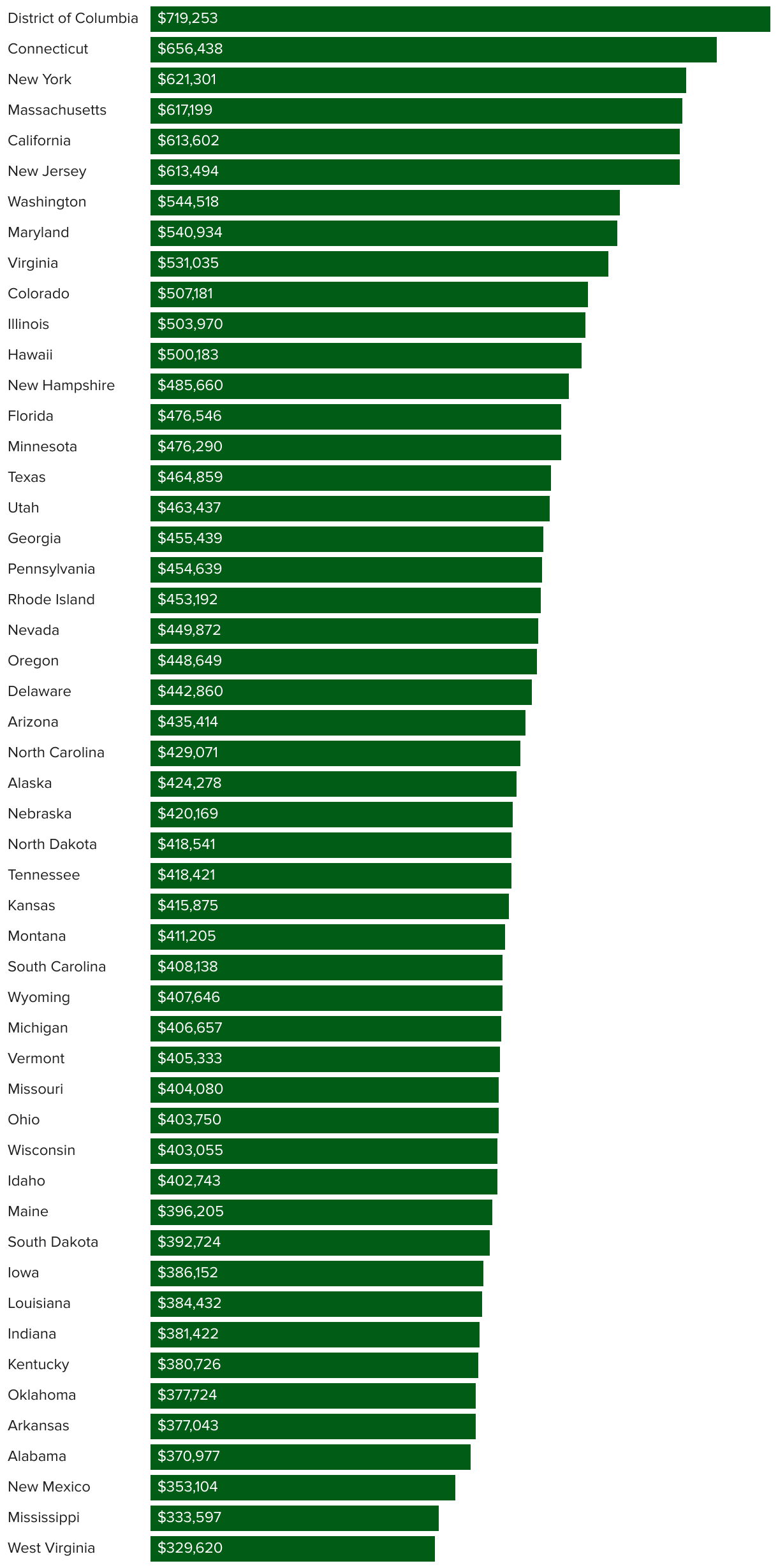
As of recent fiscal years, to enter the top 1% of earners nationwide, a household typically needs an annual income of approximately $600,000 to $700,000. However, the top 5%—a demographic often referred to as the “mass affluent”—usually begins at a household income of roughly $250,000 to $290,000.
While these numbers provide a statistical benchmark, they do not account for the drastic differences in purchasing power across different regions. A $250,000 salary in a rural town in the Midwest allows for a lifestyle of significant luxury, including a sprawling estate and substantial liquid savings. In contrast, that same $250,000 in San Francisco, New York City, or London might only secure a modest two-bedroom apartment and a standard middle-class existence after taxes, housing costs, and childcare are subtracted.
The Impact of Cost of Living (COL)
To determine if a salary is “rich,” one must calculate the “real” income after accounting for local costs. Financial experts often use the Cost of Living Index to adjust expectations. In high-cost-of-living (HCOL) areas, the “rich” threshold is often double the national average. For instance, in Manhattan, a household might need to earn upwards of $900,000 to enjoy the same standard of living that $400,000 provides in a lower-cost city. This regional disparity is why many high earners feel “squeezed” despite having salaries that appear impressive on paper.
Beyond the Paycheck: Why Salary is Only One Part of the Wealth Equation
One of the most common mistakes in personal finance is equating high income with high wealth. Salary is a flow of capital, whereas wealth is a stock of capital. To be truly rich, a high salary must be converted into assets that grow over time.
Net Worth vs. Annual Income
A person earning $500,000 a year who spends $450,000 on lifestyle maintenance, luxury leases, and high-interest debt is technically “higher income,” but they may have a lower net worth than a person earning $100,000 who lives frugally and has invested consistently for twenty years.
Wealth is measured by net worth: the total value of everything you own (assets) minus everything you owe (liabilities). Most financial planners suggest that a “rich” individual is someone whose net worth is at least 20 to 30 times their annual expenses. In this context, the salary is merely a tool used to build the engine of wealth. If the salary stops and the lifestyle collapses, that person was never truly rich—they were merely a high-level consumer.
The Role of Passive Income and Assets
True financial richness is often defined by the “crossover point”—the moment when your investments and passive income streams generate enough capital to cover your desired lifestyle without the need for an active salary.
For the modern wealthy, the goal is rarely just a high W-2 or 1099 income. Instead, it is the accumulation of:
- Equities and Securities: Stock portfolios that provide dividends and capital gains.
- Real Estate: Rental properties that provide monthly cash flow and long-term appreciation.
- Business Equity: Ownership stakes in private enterprises that distribute profits.
- Intellectual Property: Royalties from books, software, or patents.
When income is derived from assets rather than hours worked, the individual has achieved a level of “rich” that transcends a simple salary figure.
Lifestyle Inflation and the “Middle-Class Trap”
A significant barrier to becoming rich, even on a high salary, is the phenomenon known as lifestyle inflation. As earnings increase, there is a natural tendency for expenditures to rise in tandem. This creates a cycle where the individual is perpetually working to maintain an increasingly expensive life.
Understanding HENRYs (High Earner, Not Rich Yet)
The term “HENRY” describes a segment of the population that earns between $250,000 and $500,000 but has little to show for it in terms of net worth. HENRYs often succumb to the “Middle-Class Trap,” where they feel the pressure to project a certain image. This includes:
- High-end housing in “good” school districts.
- Luxury vehicles with high monthly payments.
- Private school tuitions for children.
- Expensive club memberships and social obligations.
Because their expenses are so high, HENRYs are often one or two missed paychecks away from financial disaster. From an economic perspective, they are not “rich” because they lack financial resilience and liquidity.
The Psychology of Relative Wealth
Wealth is often felt relatively rather than absolutely. The “Keeping Up with the Joneses” effect is magnified in high-income circles. If a professional earns $400,000 but all their peers earn $1,000,000, they may feel “poor.” This psychological ceiling often drives high earners to overspend, preventing them from ever reaching a state of true financial independence. To be considered rich in a meaningful sense, one must decouple their self-worth and social standing from their discretionary spending.
Building True Wealth: Moving from High Salary to Financial Independence
If a high salary alone doesn’t make you rich, the strategy must be to use that salary as a lever. The transition from “high earner” to “wealthy” requires a disciplined approach to capital allocation and a deep understanding of financial tools.
Strategic Investing and the Power of Compounding
The wealthiest individuals understand that money is a tool for growth. Instead of viewing a $500,000 salary as a license to spend, they view it as a massive injection of capital for their investment engine. By maximizing tax-advantaged accounts (like 401(k)s, IRAs, and HSAs) and then funneling the surplus into taxable brokerage accounts, high earners can utilize compound interest to build a “rich” net worth.
For example, a person who invests $10,000 a month from their high salary into a diversified index fund with a 7% annual return will amass over $5 million in 20 years. At that point, their salary becomes secondary to their portfolio’s growth.
Diversifying Income Streams and Tax Optimization
Being “rich” also involves protecting what you earn. High salaries are often subject to the highest marginal tax rates. Those who are truly wealthy focus on tax-efficient wealth building. This includes:
- Capital Gains: Taxes on long-term investments are typically lower than taxes on ordinary income.
- Depreciation: Real estate investors use depreciation to offset their rental income, often paying little to no tax on their cash flow.
- Business Structure: Using LLCs or S-Corps to manage business expenses and income more efficiently.
By diversifying how they receive money, the wealthy ensure that their “rich” status isn’t vulnerable to changes in the tax code or a single industry downturn.
Defining Your Own Version of “Rich”
Ultimately, the salary considered “rich” is the one that facilitates your specific life goals without compromising your future security. For some, a $150,000 salary in a low-cost area, paired with a $1 million portfolio, represents the pinnacle of wealth. For others, nothing less than a multi-million-dollar annual draw and a global real estate portfolio will suffice.
In the modern landscape, we can categorize richness into three tiers:
- Comfortably Rich: Earning enough to cover all needs and most wants, while saving 20% or more of income. This is usually the $200k–$400k range depending on location.
- Affluently Rich: Earning in the top 1% ($600k+), possessing a multi-million dollar net worth, and having the ability to sustain a luxury lifestyle through assets.
- Wealthy/Independent: Having a net worth so substantial that the concept of a “salary” becomes irrelevant.
The goal of personal finance is not just to chase a higher number on a paystub, but to increase the gap between what you earn and what you spend. The wider that gap, and the more effectively you invest the difference, the sooner you will reach a level of wealth that is truly “rich.” Whether that number is $250,000 or $2,500,000, true richness is found in the freedom, security, and options that capital provides.
aViewFromTheCave is a participant in the Amazon Services LLC Associates Program, an affiliate advertising program designed to provide a means for sites to earn advertising fees by advertising and linking to Amazon.com. Amazon, the Amazon logo, AmazonSupply, and the AmazonSupply logo are trademarks of Amazon.com, Inc. or its affiliates. As an Amazon Associate we earn affiliate commissions from qualifying purchases.