
Water, in its myriad forms, is more than just an essential element for life; it is a profound wellspring of symbolism that brands consistently draw upon to articulate their identity, connect with consumers, and communicate core values. From the gentle ripple of a tranquil pond to the raw power of a surging ocean, the qualities inherent in water offer a rich, universally understood vocabulary for corporate identity, marketing campaigns, and design aesthetics. Understanding “what represents water” in a branding context means delving into its multifaceted nature and the powerful psychological associations it evokes.
The Ubiquitous Symbolism of Water in Branding
At its core, water is a primal element, fundamentally linked to life, purity, and renewal. This intrinsic connection makes it an invaluable asset for brand messaging, allowing companies to tap into deep-seated human perceptions and emotions. The representation of water is rarely singular; instead, it encompasses a spectrum of meanings, each capable of resonating with specific brand objectives.
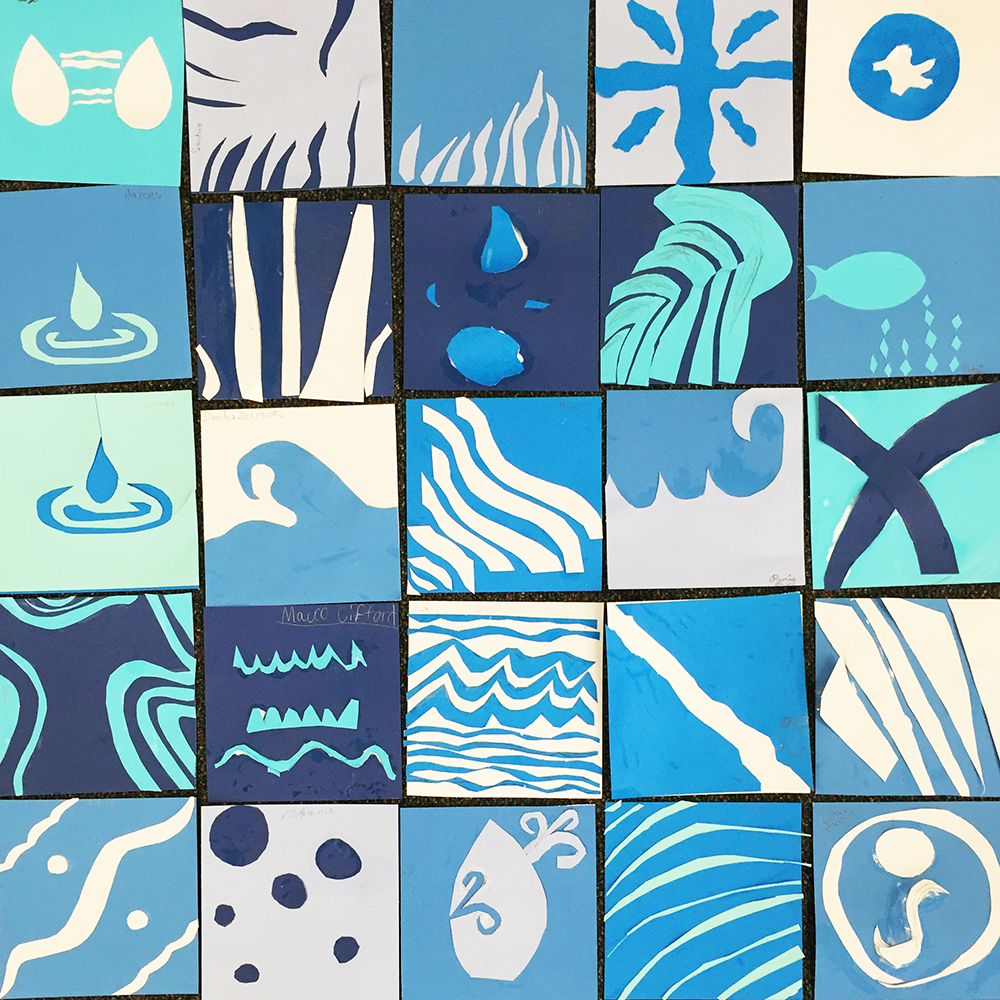
Consider the diverse forms water takes: the crystal clarity of a spring, the expansive wisdom of an ocean, the refreshing burst of a rain shower, or the unyielding force of a river carving through stone. Each manifestation carries distinct connotations:
- Purity and Cleanliness: Evoked by fresh springs, clear droplets, and pristine ice. Brands aiming for health, wellness, and naturalness frequently leverage this aspect.
- Life and Vitality: The source of all life, water embodies growth, nourishment, and regeneration. Products focused on revitalization, energy, and organic quality often align here.
- Flow and Adaptability: Rivers, currents, and the ability of water to fill any container speak to flexibility, continuous motion, and seamless transformation. This resonates with dynamic services, technology, and agile business models.
- Depth and Mystery: The ocean’s profound expanses suggest wisdom, discovery, and hidden potential. Brands seeking to convey sophistication, intricate knowledge, or pioneering spirit might explore this.
- Power and Resilience: Tsunami waves, waterfalls, and the slow erosion of rock signify strength, endurance, and an unstoppable force. This imagery is powerful for brands wanting to project reliability, security, or robust performance.
These varied attributes provide a versatile toolkit for brand strategists, allowing them to select and emphasize specific qualities of water that align with their brand’s essence and target audience’s desires.
Crafting Identity: Leveraging Water’s Qualities for Brand Resonance
Brands meticulously select which facets of water they wish to embody, shaping their identity, messaging, and visual language around these powerful metaphors. This strategic alignment helps create memorable, emotionally resonant brands that stand out in a crowded marketplace.
Purity and Health: The Clear Choice for Wellness Brands
For brands centered on health, wellness, and natural products, water’s representation of purity and clarity is paramount. Bottled water companies, skincare lines, health beverage producers, and organic food brands frequently incorporate water imagery to convey freshness, cleanliness, and an absence of artificiality.
- Examples: A bottled water brand might feature pristine mountain springs in its advertising, emphasizing the untouched source and mineral-rich content. Skincare products often use visuals of dewdrops or soft, flowing water to suggest hydration, natural ingredients, and gentle efficacy. The promise is often one of internal cleansing or external refreshment, tapping into a consumer desire for wholesome, unadulterated products that contribute to well-being. Transparent packaging, crisp blue and white color palettes, and clean typography further reinforce this association.
Flow, Adaptability, and Innovation: The Dynamic Edge
In an increasingly fast-paced and interconnected world, brands that champion adaptability, seamlessness, and continuous evolution often draw inspiration from water’s fluid nature. This is particularly true for technology companies, service providers, and innovative startups.
- Examples: Software companies might use metaphors of “flowing data” or “seamless integration” to describe their solutions, implying effortlessness and efficiency. Logistics or delivery services could evoke the image of a “smooth current” to suggest reliable and uninterrupted service. Financial technology (FinTech) brands might promote “fluid capital” or “agile transactions” to highlight their responsiveness and ease of use. The emphasis is on overcoming friction, embracing change, and providing solutions that are intuitive and adaptive, much like water effortlessly navigating its environment.

Power, Depth, and Resilience: Building Trust and Authority
For brands requiring a perception of strength, stability, and unwavering reliability, water’s deeper, more powerful aspects come into play. This includes financial institutions, security firms, infrastructure companies, and luxury brands that wish to convey enduring value.
- Examples: Investment firms might use imagery of deep, stable waters to symbolize long-term security and profound market understanding. Cybersecurity companies could employ metaphors of an impenetrable fortress surrounded by vast waters, representing unyielding protection. Luxury watchmakers might associate their products with the timelessness and precision of deep-sea exploration, linking their craftsmanship to enduring quality. This representation communicates a sense of gravitas, experience, and an ability to withstand challenges, fostering deep trust and confidence among their clientele. The message is one of an unwavering presence, a fundamental force that can be relied upon in any circumstance.
Visual and Auditory Branding: Manifesting Water’s Essence
Beyond conceptual alignment, brands bring the representation of water to life through tangible sensory experiences, particularly visual and auditory elements. These choices are critical in creating an immersive brand identity.
Visual Cues: Colors, Shapes, and Imagery
The visual language of water is rich and diverse, offering countless avenues for creative expression in branding.
- Colors: Blues and greens are the most obvious choices, ranging from the light, airy blues of a clear sky or shallow water to the deep, mysterious indigos of the ocean. Greens can evoke lushness, growth, and natural environments surrounding water.
- Shapes and Forms: Undulating lines, gentle waves, droplets, and swirling patterns are common motifs. Logos often incorporate fluid shapes or stylized water elements. Packaging might feature textures that mimic condensation or the smooth surface of water.
- Imagery: Photographs or illustrations of waterfalls, misty landscapes, calm lakes, powerful ocean waves, or even a simple glass of water are frequently used in marketing materials, advertising, and corporate environments. The specific imagery chosen will depend on the brand’s desired association – a tranquil lake for serenity, a gushing waterfall for energy, or a pristine glacier for purity.
Sensory Experiences: Soundscapes and Textures
While visuals dominate, auditory and tactile elements can significantly enhance the perception of a water-related brand.
- Soundscapes: The gentle sound of flowing water, the rhythmic crash of waves, or the patter of rain can be incorporated into brand videos, website backgrounds, or even retail environments to evoke a sense of calm, natural purity, or invigorating energy. These auditory cues bypass conscious thought, creating an immediate emotional connection.
- Textures: Product packaging can be designed with tactile finishes that evoke the cool, smooth, or refreshing qualities of water, such as a matte finish that suggests moisture or a glossy surface that mimics a reflective pool. Even the weight and shape of a bottle can contribute to the overall sensory experience, reinforcing the brand’s water-inspired identity.
Storytelling and Emotional Connection: Diving Deep with Water Metaphors
Perhaps one of the most powerful ways brands leverage water is through storytelling. Water’s inherent narrative potential—journeys, transformations, refreshment, and discovery—provides a compelling framework for connecting with consumers on an emotional level.
- Narratives of Journey and Transformation: Many brands tell stories of overcoming challenges, adapting to new environments, or undergoing a process of refinement, mirroring a river’s journey to the sea or water’s transformation from ice to vapor. This resonates with consumer desires for personal growth, resilience, and positive change.
- Refreshment and Replenishment: Brands frequently position their products or services as a source of relief, revitalization, or renewed energy, akin to a refreshing drink on a hot day or a soothing bath. This taps into universal human needs for comfort, well-being, and escape from daily stressors.
- Building Brand Loyalty: By consistently associating their brand with the positive emotional experiences linked to water—be it the peace of a quiet stream, the excitement of an ocean adventure, or the purity of a cleansing rain—companies can foster deep emotional bonds and build enduring loyalty. These shared metaphors create a sense of understanding and connection, making the brand feel more relatable and indispensable.

Sustainability and Corporate Responsibility: The Modern Brand’s Pledge to Water
In today’s conscientious marketplace, merely representing water is not enough; brands are increasingly expected to demonstrate a responsible relationship with this vital resource. Aligning with water conservation, ethical sourcing, and eco-friendly practices has become a core component of many modern brands’ identity.
- Communicating Commitment: Brands that feature water in their identity often make their commitment to water stewardship explicit. This includes initiatives like reducing water usage in manufacturing, investing in clean water access projects, or using sustainable packaging that minimizes water footprint.
- A Core Brand Value: For many, responsible water management is not just a marketing tactic but a fundamental brand value. This commitment enhances brand reputation, appeals to environmentally conscious consumers, and reinforces the brand’s integrity, proving that their representation of water is not just symbolic but also ethical and actionable. This deepens the brand’s connection with its audience, reflecting a shared concern for the planet’s most precious resource.
In conclusion, “what represents water” in branding is a dynamic, multi-layered concept. It is the strategic alignment of a brand’s essence with the universal symbolism of water—its purity, power, flow, and life-giving properties—expressed through visual, auditory, and narrative elements. Ultimately, it’s about leveraging this fundamental element to forge deep emotional connections, build trust, and communicate a brand’s unique place in the world.
aViewFromTheCave is a participant in the Amazon Services LLC Associates Program, an affiliate advertising program designed to provide a means for sites to earn advertising fees by advertising and linking to Amazon.com. Amazon, the Amazon logo, AmazonSupply, and the AmazonSupply logo are trademarks of Amazon.com, Inc. or its affiliates. As an Amazon Associate we earn affiliate commissions from qualifying purchases.