
The accidental spill of nail glue onto skin is a common, albeit frustrating, occurrence for many. Whether you’re a seasoned DIY nail enthusiast or someone simply applying false nails, the potent adhesive can quickly bond to your skin, creating a sticky situation. While the immediate instinct might be to panic and frantically scrub, a more strategic approach is necessary to safely and effectively remove nail glue without causing irritation or damage. This guide delves into the various methods and scientific principles behind removing nail glue from skin, focusing on the Tech aspect of how readily available substances and their chemical properties interact to achieve this common goal.

The Science of Adhesion and Removal
Nail glue is primarily composed of cyanoacrylate, a fast-acting adhesive that polymerizes upon contact with moisture, forming a strong bond. This rapid polymerization is what makes it so effective for nail applications but also challenging to remove from skin, which is naturally moist. Understanding the chemical properties of cyanoacrylate and the mechanisms of dissolution or weakening is key to selecting the most appropriate removal method.
Understanding Cyanoacrylate
Cyanoacrylate esters are a class of highly reactive monomers. The polymerization process is initiated by nucleophiles present in trace amounts, such as water or amines. Once the bond forms, the resulting polymer is a rigid, clear plastic. The strength of this bond to skin is due to the inherent tackiness and the small, interlocking structures that form. The goal of removal is not to break the chemical bonds of the polymer itself, but rather to weaken the adhesion between the polymer and the keratinocytes of the skin.
Mechanisms of Dissolution and Weakening
Removal strategies generally fall into two categories: dissolving the adhesive or weakening its bond to the skin.
- Dissolving: This involves using a solvent that can break down the cyanoacrylate polymer. While stronger industrial solvents can be highly effective, they are often too harsh for delicate skin. Safer, commonly available solvents work by disrupting the intermolecular forces that hold the polymer chains together, effectively making the glue more pliable and easier to lift away.
- Weakening the Bond: This approach leverages physical methods or less aggressive chemical interactions to create a barrier or to lift the glue from the skin’s surface. Gentle abrasion, heat, or substances that can lubricate the interface between the glue and the skin can facilitate separation.
Practical Applications of Common Household Solvents
The effectiveness of household items in removing nail glue often stems from their solvent properties, specifically their ability to interact with and break down cyanoacrylate. While dedicated nail glue removers exist, many everyday products can achieve similar results with a little patience.
Acetone-Based Removers: The Potent Option
Acetone is a powerful organic solvent known for its ability to dissolve a wide range of plastics and adhesives, including cyanoacrylate. It is the primary ingredient in many nail polish removers.
- How it Works: Acetone molecules are small and polar, allowing them to penetrate the polymer matrix of the cyanoacrylate glue. They disrupt the bonds between the cyanoacrylate polymer chains, causing them to swell and soften. This makes the glue less rigid and more soluble, allowing it to be wiped or gently peeled away.
- Application Technique: For spot removal on skin, it’s crucial to apply acetone with caution. Soaking a cotton ball or swab with acetone and gently dabbing the affected area is recommended. Avoid prolonged direct contact with acetone, as it can strip the natural oils from the skin, leading to dryness and irritation. After the glue has softened, gently rub the area with a soft cloth or wash it off with soap and water.
- Safety Considerations: Acetone is highly flammable and has strong fumes. It should be used in a well-ventilated area, away from open flames or sparks. Individuals with sensitive skin or conditions like eczema should exercise extra caution or opt for gentler alternatives, as acetone can exacerbate dryness and irritation.
Isopropyl Alcohol: A Milder Alternative
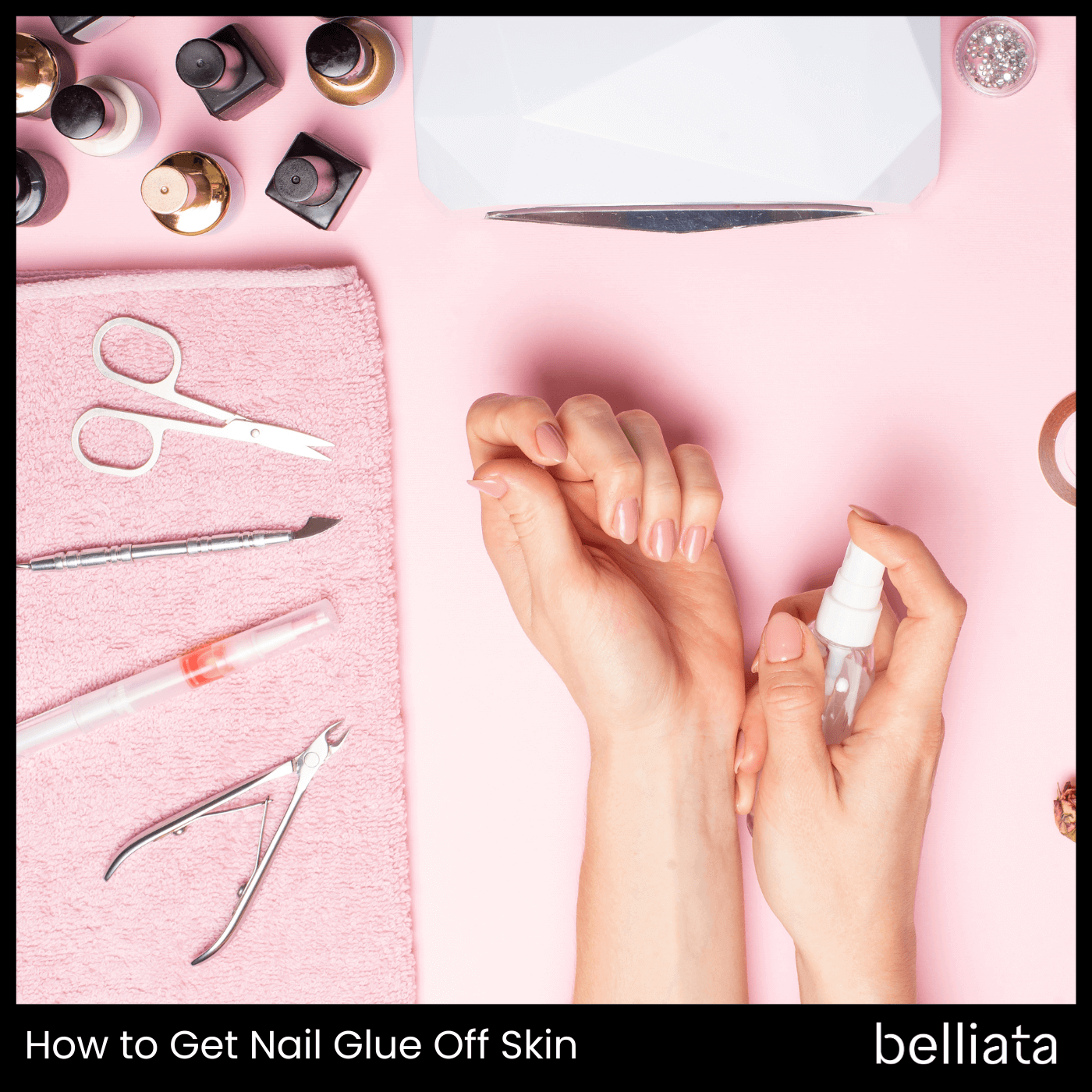
Isopropyl alcohol, commonly known as rubbing alcohol, is another effective solvent, though generally less potent than acetone. It’s often a good first choice for minor spills or when dealing with sensitive skin.
- Mechanism of Action: Isopropyl alcohol works by weakening the bond between the cyanoacrylate and the skin. While it can dissolve some cyanoacrylate, its primary action is often to hydrate the skin slightly and disrupt the adhesive’s grip. The increased molecular motion facilitated by the alcohol can help loosen the glue’s hold.
- Usage and Efficacy: Similar to acetone, applying isopropyl alcohol to a cotton ball and dabbing the glued area is the most effective method. It might require more repeated applications and gentle rubbing compared to acetone, but it is generally less drying to the skin. It’s particularly useful for loosening small dried drips of glue.
- Advantages: Its milder nature makes it a safer option for most skin types. The fumes are less intense than acetone, and it is readily available in most households.
Leveraging Natural Oils and Emollients for Gentle Removal
When aggressive solvents are not desired or are not immediately available, natural oils and emollients can provide a surprisingly effective, albeit slower, method for removing nail glue. These substances work by creating a barrier, lubricating the skin, and, in some cases, chemically interacting with the adhesive.
The Role of Oils in Breaking Down Adhesives
Oils, whether mineral oil, baby oil, vegetable oils (like olive or coconut oil), or even petroleum jelly, can help in nail glue removal through a combination of lubrication and subtle solvent action.
- Lubrication and Barrier Formation: Oils create a slippery surface between the hardened nail glue and the skin. This reduces the friction and surface tension that keeps the glue adhered. By allowing the skin to move more freely beneath the glue, it facilitates the gradual peeling or lifting of the adhesive. The oil also acts as a barrier, preventing further moisture from exacerbating the bond and slowly working to soften the edges of the glue.
- Chemical Interaction (Subtle): Some oils contain fatty acids that can, over time and with consistent application, begin to disrupt the polymer chains of the cyanoacrylate. While not a rapid dissolution as seen with acetone, this gradual breakdown is sufficient to loosen the bond, especially for less tenacious applications of glue.
- Application Strategy: Generously apply the chosen oil or petroleum jelly to the affected area. Massage it gently into the skin around and under the glued area. Allow it to sit for several minutes, or even longer for stubborn glue. Then, attempt to gently pick at or rub away the softened glue. Repeating this process may be necessary.
- Post-Removal Care: After removing the glue, wash the area thoroughly with soap and water to remove any residual oil and glue. Applying a moisturizer is recommended to rehydrate the skin, especially if it feels dry from the glue removal process.
Gentle Mechanical and Physical Removal Techniques
Beyond chemical solvents, certain physical and mechanical techniques can aid in removing nail glue, often in conjunction with other methods or as a standalone approach for less severe cases. These methods rely on disrupting the physical bond of the glue.
Warm Water Soaking and Gentle Abrasion
A simple soak in warm water can work wonders by softening the glue and preparing the skin for further removal.
- Hydrolysis and Softening: While cyanoacrylate polymerizes with moisture, prolonged exposure to warm water can, over time, begin to break down the polymerized structure through a process akin to hydrolysis, albeit a slow one. More importantly, the warmth and moisture soften the skin, making it more pliable and less prone to damage during removal. The glue itself also becomes less brittle.
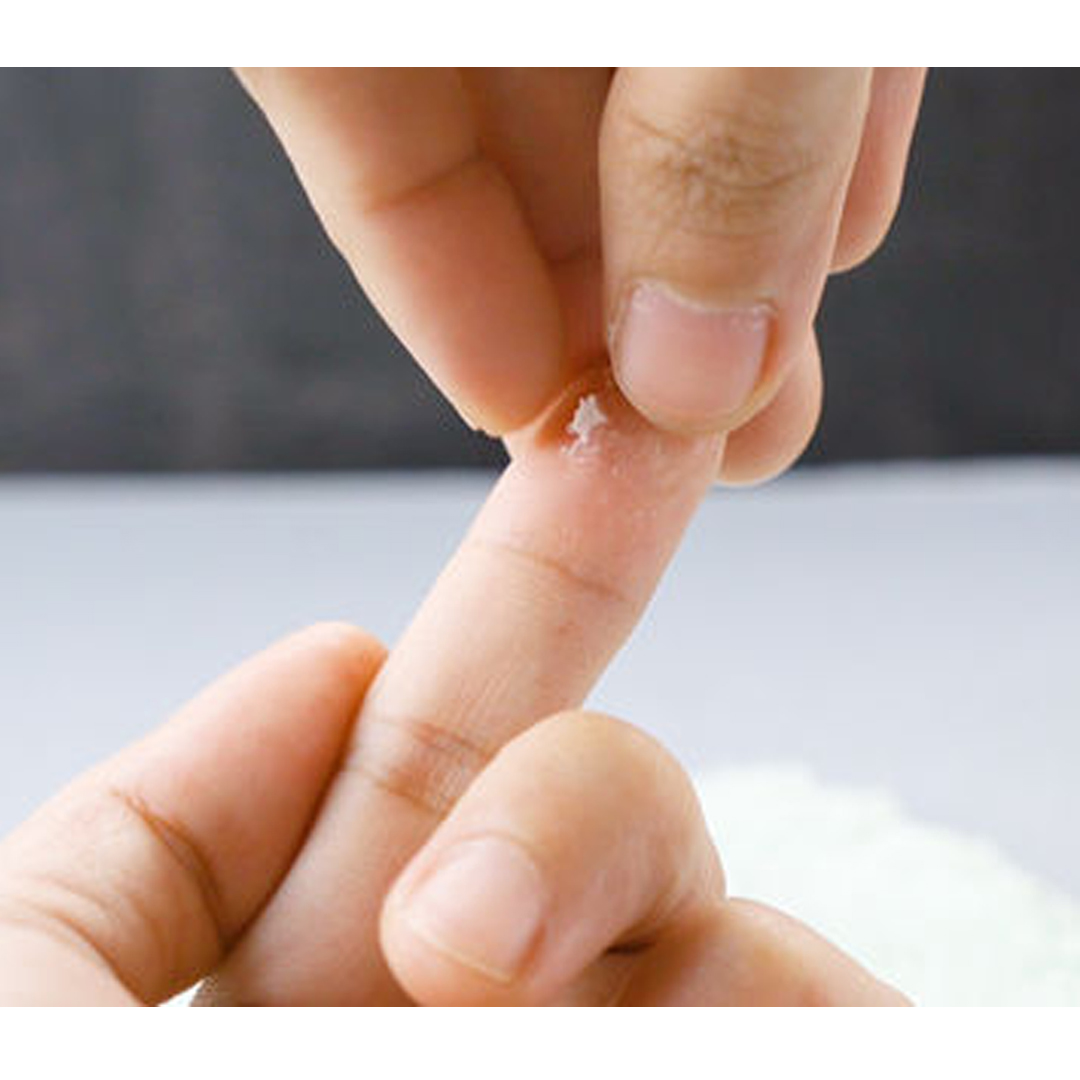
- The Process: Fill a basin with warm, soapy water and soak the affected hand or finger for 10-15 minutes. After soaking, the glue may start to lift at the edges. You can then try to gently rub the area with a soft washcloth or a pumice stone (used very gently and with extreme caution).
- Caution with Abrasion: It is crucial to avoid aggressive scrubbing, especially with a pumice stone. The goal is to gently abrade the surface of the glue and the skin layer it’s attached to, not to remove layers of healthy skin. Over-abrasion can lead to redness, irritation, and even minor cuts.
The Role of Emulsifiers and Lubricants in Advanced Removal
While not always found in every household, specialized products and even common kitchen ingredients can act as emulsifiers and lubricants to aid in glue removal.
- Emulsification: Some substances, like dish soap, are designed to emulsify oils and grease. When used with warm water, they can help lift and break down the film of cyanoacrylate glue that may have bonded to the skin, particularly if oils have already been applied. The soap molecules surround the oil and glue particles, allowing them to be washed away with water.
- Physical Manipulation: Once the glue has been softened by water or other agents, gentle manipulation is key. Carefully try to lift the edges of the glue with your fingernail or a blunt, non-sharp object like a plastic spatula. If the glue is lifting, continue to peel it away slowly and steadily. Avoid ripping or tearing, which can damage the skin.
- Combining Techniques: Often, the most effective approach involves combining multiple techniques. For example, a warm water soak followed by the application of oil and then gentle rubbing with a soapy washcloth can be highly effective. The initial soak softens, the oil lubricates and begins to break down, and the soap helps to emulsify and rinse away the loosened adhesive.
By understanding the technological principles behind adhesion and the chemical properties of common removal agents, one can navigate the sticky situation of nail glue on skin with greater confidence and safety. The key lies in choosing the right method based on the severity of the application and one’s skin sensitivity, always prioritizing gentle and patient removal.
aViewFromTheCave is a participant in the Amazon Services LLC Associates Program, an affiliate advertising program designed to provide a means for sites to earn advertising fees by advertising and linking to Amazon.com. Amazon, the Amazon logo, AmazonSupply, and the AmazonSupply logo are trademarks of Amazon.com, Inc. or its affiliates. As an Amazon Associate we earn affiliate commissions from qualifying purchases.