
The United Kingdom has long been characterized as a post-religious or secular society, yet the nuances of faith remain deeply embedded in the nation’s cultural, financial, and institutional fabric. From a sociopolitical and economic perspective, understanding the religious landscape of the UK is essential for businesses, marketers, and policymakers alike. The modern UK is a mosaic of belief systems that influence consumer behavior, ethical investment practices, and corporate diversity strategies. As the demographics of the country shift, so too do the economic implications of the diverse faiths practiced across England, Scotland, Wales, and Northern Ireland.
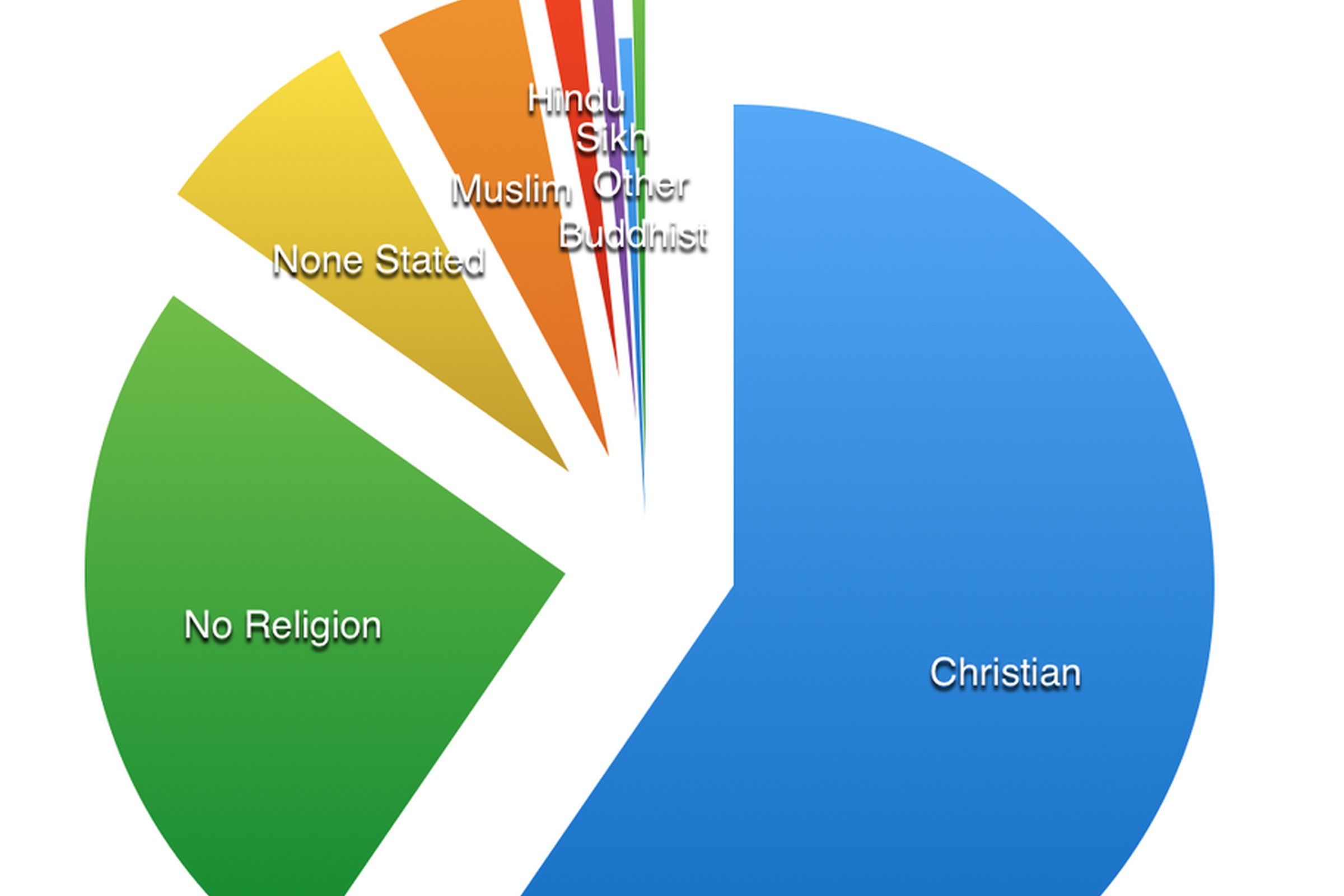
The Shifting Demographics of Faith and Economic Impact
The statistical landscape of religion in the UK has undergone a radical transformation over the last several decades. According to the most recent census data, the “No Religion” category has seen the most significant growth, signaling a move toward secularism. However, this shift does not equate to the disappearance of religious influence in the marketplace. Instead, it has created a highly segmented demographic where religious identity often dictates lifestyle choices, spending power, and community engagement.
The Influence of Established and Traditional Faiths
Christianity, historically the dominant religion, remains the largest affiliation in the UK. This includes the Church of England, the Catholic Church, and various Protestant denominations. From a branding and business perspective, the Christian calendar continues to dictate peak periods of retail activity, such as Christmas and Easter. These periods are not merely religious observances but are anchors for the UK’s retail economy, influencing inventory management, marketing cycles, and seasonal hiring patterns for corporations.
Growth of Non-Christian Faiths and Market Segmentation
Islam, Hinduism, Sikhism, and Judaism represent significant and growing segments of the population. These communities bring distinct consumer requirements that impact multiple sectors, including food and beverage, banking, and professional services. For instance, the rise of Islamic finance—banking products compliant with Sharia law—has carved out a niche within the UK’s financial sector, attracting investors who seek ethical alternatives to traditional interest-based lending. Companies that recognize the specific needs of these groups—such as halal-certified supply chains or culturally inclusive marketing campaigns—are increasingly positioning themselves for long-term growth.
Religious Diversity and Brand Strategy
For brands operating in the UK, religious identity is no longer a peripheral concern; it is a core component of modern brand strategy. Developing a robust corporate identity requires a sophisticated understanding of how religious values intersect with public perception and consumer loyalty. In an era where “purpose-driven” branding is paramount, how a company engages with religious diversity can be the difference between a successful market entry and a failed campaign.
Inclusive Branding and Corporate Social Responsibility
Successful brands in the UK are increasingly adopting inclusive strategies that acknowledge the diversity of their workforce and customer base. This goes beyond simple tokenism. It involves a deep dive into corporate social responsibility (CSR) initiatives that respect religious holidays, accommodate dietary restrictions in corporate settings, and support religious community groups. By positioning the brand as culturally literate, firms can strengthen their reputation, foster employee retention, and build trust with diverse demographic groups that are often overlooked by traditional marketing efforts.
The Role of Personal Branding in Faith-Based Communities
Personal branding for leaders and influencers within the UK’s religious communities has also become a critical area of focus. Faith leaders are no longer just spiritual guides; they are community pillars with significant influence over the economic decisions of their congregations. When a brand partners with religious community influencers, they are tapping into a network built on high levels of trust. This form of “niche marketing” provides a level of engagement that broad-based advertising simply cannot match. For professional service providers, such as financial advisors or legal consultants, establishing a presence within these communities can lead to sustained business growth rooted in long-term relationships rather than transient transactions.
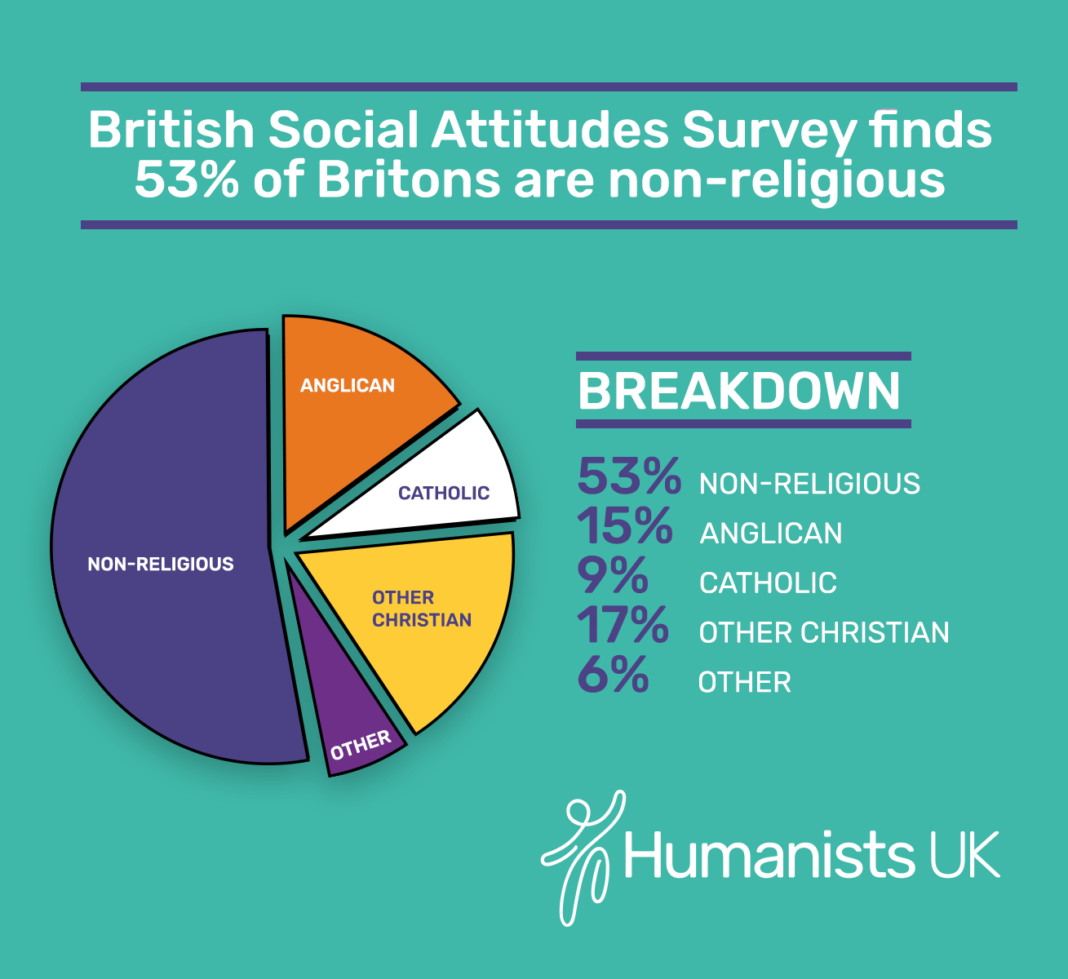
Financial Considerations: Ethical Investing and Niche Markets
The intersection of religion and finance in the UK is perhaps most visible in the surge of ethical investing and the demand for faith-aligned financial products. As investors become more conscious of the impact of their capital, the values of religious institutions and individual believers are shaping the future of the UK’s financial markets.
Sharia-Compliant Banking and Islamic Finance
The UK is widely considered the leading Western hub for Islamic finance. This is not an accident of geography but a result of intentional regulatory frameworks designed to accommodate Sharia-compliant financial products. For investors and businesses, this provides a unique opportunity to tap into a market that prioritizes asset-backed investments and avoids speculative lending. Banks that have successfully integrated these products have captured a loyal demographic, demonstrating that financial innovation is often driven by the necessity of meeting specific religious requirements.
ESG and Faith-Based Investment Criteria
Environmental, Social, and Governance (ESG) investing has become a standard requirement for institutional investors in the UK. Many of the principles underlying ESG—such as corporate transparency, fair labor practices, and sustainable resource management—align closely with the values held by various religious groups. From Christian denominations divesting from fossil fuels to Islamic funds screening for “sin stocks” (such as gambling or tobacco), faith-based investment strategies are setting the tone for broader market trends.
The Economic Power of Religious Institutions
Religious institutions themselves are major economic players in the UK. Churches, mosques, and gurdwaras own vast amounts of real estate and manage significant investment portfolios. These organizations are increasingly operating as sophisticated businesses, managing endowments and community resources with a level of financial oversight that mirrors the corporate sector. Understanding the financial objectives of these organizations provides insight into where capital is flowing and what issues are being prioritized at the community level.
Navigating the Future: Trends and Challenges
The UK’s religious landscape will continue to evolve, influenced by immigration, globalization, and generational shifts. For business professionals and marketers, the challenge lies in staying ahead of these trends. The “one-size-fits-all” approach to consumer interaction is rapidly becoming obsolete in a society that values identity, ethics, and community belonging.
Data-Driven Insights and Cultural Sensitivity
The future of brand strategy in the UK will rely heavily on accurate data. Businesses that invest in gathering insights about the specific values, spending habits, and communication preferences of different religious communities will hold a distinct competitive advantage. This requires a move away from superficial generalizations toward nuanced, data-driven strategies that treat religious diversity as a key performance indicator.
Managing Polarization and Building Bridges
In a climate where social and political polarization can often be exacerbated by religious discourse, brands face the challenge of navigating sensitive terrain. The most successful brands will be those that prioritize common ground—emphasizing shared values like community support, charity, and ethical conduct—rather than focusing on points of contention. By serving as bridges between different segments of society, corporations can enhance their brand equity and contribute to a more stable, inclusive business environment.
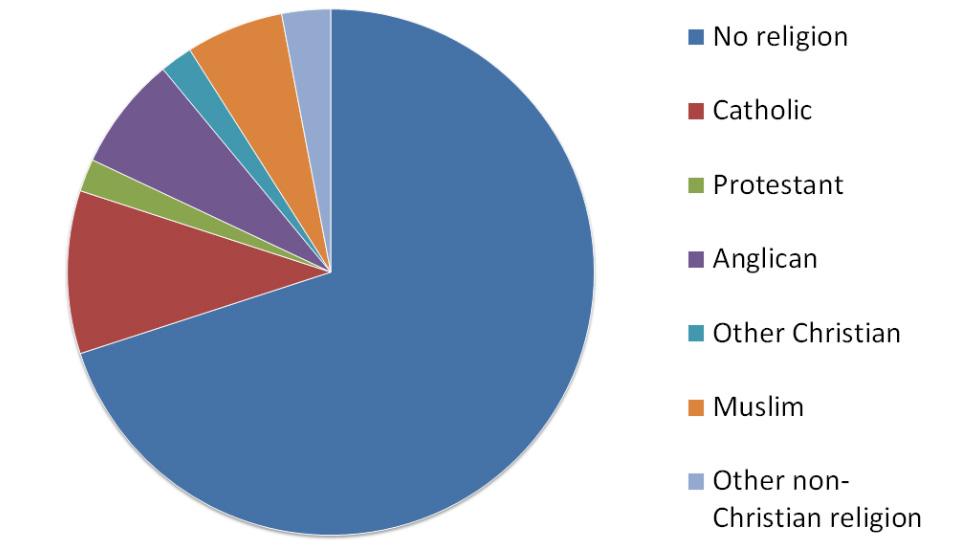
Final Reflections on the UK Market
The question of “what religions are in the UK” is essentially a question about the composition of the modern British consumer. Whether it is through the lens of retail holiday sales, the adoption of ethical investment frameworks, or the development of culturally specific marketing campaigns, religious identity is an inescapable factor in the UK economy. As the nation continues to balance its secular laws with its pluralistic social structure, the interplay between faith and commerce will remain a dynamic and profitable field for those who take the time to understand its complexities.
Ultimately, the UK market rewards those who can adapt to its diversity. By recognizing that religious affiliation is a fundamental aspect of human identity, businesses can develop more relevant products, more resonant brand stories, and more sustainable financial strategies. In this diverse landscape, the ability to operate with cultural intelligence is not just a soft skill—it is a critical requirement for anyone aiming to succeed in the British marketplace.
aViewFromTheCave is a participant in the Amazon Services LLC Associates Program, an affiliate advertising program designed to provide a means for sites to earn advertising fees by advertising and linking to Amazon.com. Amazon, the Amazon logo, AmazonSupply, and the AmazonSupply logo are trademarks of Amazon.com, Inc. or its affiliates. As an Amazon Associate we earn affiliate commissions from qualifying purchases.