
Asia, the world’s largest and most populous continent, serves as the cradle of every major global religion. From the meditative stillness of Himalayan monasteries to the bustling shrines of Tokyo and the historic mosques of the Middle East, the spiritual landscape of Asia is as diverse as its geography. Understanding the religious makeup of this region is essential for businesses, marketers, and brand strategists operating in the global economy. A brand’s identity, its messaging, and its corporate social responsibility initiatives must be meticulously calibrated to respect and engage with these deeply ingrained cultural frameworks.

The Influence of Religious Demographics on Brand Strategy
In the modern marketplace, branding is rarely a one-size-fits-all endeavor. Asia’s religious diversity creates a complex tapestry of consumer values, behavioral norms, and seasonal sensitivities that brands must navigate to achieve long-term resonance. Whether a company is launching a product in Southeast Asia, the Middle East, or East Asia, the spiritual background of the target audience dictates how that brand is perceived and whether it achieves market penetration.
The Power of Cultural Localization
Marketing success in Asia is inextricably linked to cultural intelligence. In regions where Buddhism holds a dominant influence—such as Thailand, Sri Lanka, or Myanmar—brand aesthetics often gravitate toward minimalism, harmony, and community-centered messaging. Conversely, in the Middle East, where Islamic principles guide daily life and business ethics, branding must strictly adhere to specific modesty standards and a calendar punctuated by Ramadan and Eid celebrations.
A brand strategy that ignores these factors risks more than just low sales; it risks alienation. Brands that demonstrate an understanding of religious nuances—such as offering halal-certified products in Indonesia or creating limited-edition campaigns that honor Lunar New Year in East Asia—are perceived as more authentic. This is the cornerstone of localized corporate identity: shifting from being an “outsider” brand to a “community-integrated” brand.
Ethical Consumption and Religious Values
Consumers in Asia are increasingly filtering their purchasing decisions through the lens of their religious and ethical values. Islamic finance, for instance, is a massive, multi-billion-dollar sector that emphasizes the prohibition of riba (interest) and investments in prohibited industries. Brands that align their corporate finance practices or supply chain transparency with these values tap into a highly loyal consumer base. When a company signals that its operations are socially and ethically aligned with the local belief systems, it builds a foundation of trust that transcends traditional marketing tactics.
Navigating the Major Spiritual Ecosystems
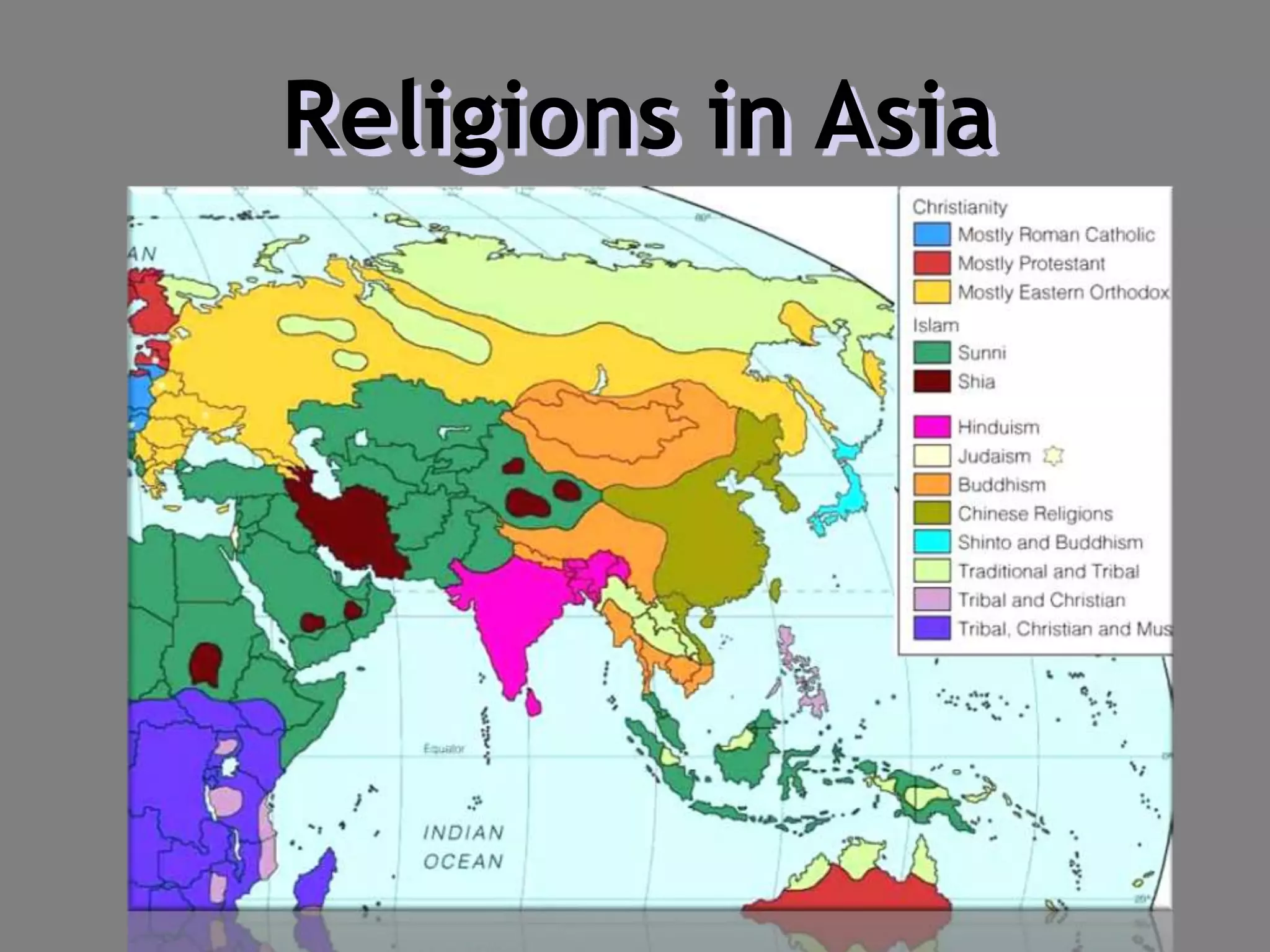
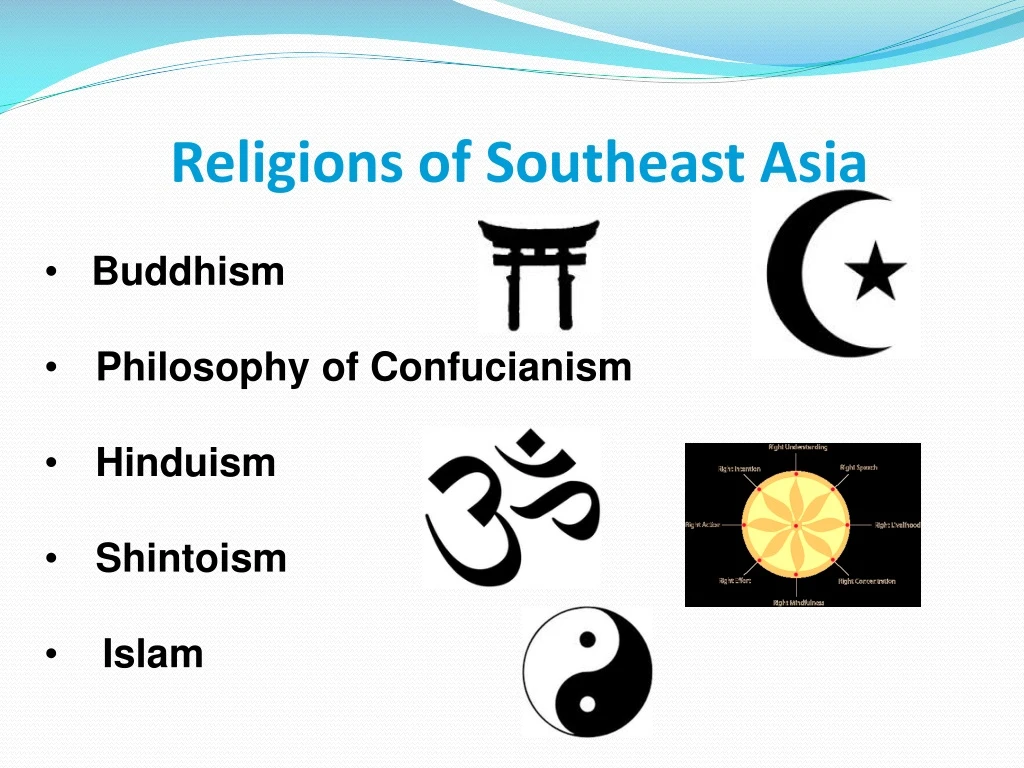
Asia is the birthplace of four major world religions: Hinduism, Buddhism, Islam, and Sikhism, alongside indigenous systems like Shintoism and Confucianism. For a global brand, mapping these systems is a prerequisite for effective market entry.
The Islamic Heartland: Middle East and Southeast Asia
Islam is a dominant force across much of Western Asia, Central Asia, and Southeast Asia (specifically Indonesia, the world’s most populous Muslim-majority nation). In these markets, the concept of Halal (permissible) extends far beyond diet; it encapsulates lifestyle choices, digital content, and ethical business dealings. Brands looking to establish a strong corporate identity here must focus on trust, reliability, and community impact. Marketing campaigns that feature familial unity and charitable giving often outperform high-pressure sales narratives.
Buddhist and Shinto Influences: East Asia
In Japan, South Korea, and parts of China, the fusion of Buddhism, Shintoism, and Confucian values creates a consumer landscape defined by precision, respect for tradition, and collective harmony. In Japan, for example, the Shinto emphasis on the sacredness of nature and the beauty of craftsmanship directly influences consumer expectations for packaging and product durability. Brands that treat their product design as an act of “artistic stewardship” find deeper success with the local demographic than those focusing solely on utilitarian performance.
Hinduism and Pluralism: South Asia
India and Nepal host the complex, polytheistic traditions of Hinduism. With a focus on the cycle of life, karma, and cosmic balance, the consumer behavior here is multifaceted. It is a market that values both profound tradition and rapid, tech-driven modernization. A brand strategy for this region must be agile enough to celebrate traditional festivals—such as Diwali or Holi—while simultaneously appealing to the aspirations of a rising, tech-savvy middle class. Authenticity is measured by how well a brand can bridge the gap between ancient heritage and modern convenience.
Corporate Social Responsibility and Religious Sensitivity
Corporate identity is not just about the logo or the color palette; it is about the “personality” a brand projects in its host country. In a continent as religiously diverse as Asia, your Corporate Social Responsibility (CSR) initiatives act as a bridge between the business and the local community.
Aligning CSR with Cultural Values
Effective CSR in Asia often involves supporting causes that resonate with local religious values. In countries where Buddhism is prevalent, initiatives focused on environmental sustainability and the preservation of nature align perfectly with the religion’s emphasis on non-violence (ahimsa) and interconnectedness. In areas where Islamic values dominate, philanthropic efforts focused on poverty alleviation, education, and community empowerment—concepts central to the pillar of Zakat (charity)—are viewed with immense favor.
The Risk of Cultural Misalignment
The most dangerous error a brand can make in Asia is “cultural appropriation”—using religious symbols or iconography in marketing without a deep understanding of their sacred context. A brand that uses a religious deity as a quirky graphic element or misinterprets a holy festival for a discount sale event can face immediate backlash. This is where professional brand strategy becomes a shield. Conducting local focus groups and hiring regional cultural consultants are not optional; they are essential strategic investments that protect the brand’s reputation and long-term viability.
Building a Resilient Asian Brand Identity
Ultimately, the goal of any brand entering or expanding in Asia is to become a “household name” that feels like it belongs. This requires a move away from the “Global-First” mindset, where corporate headquarters dictate messaging from afar, toward a “Regional-First” approach.
Future-Proofing Through Diversity
As Asia continues to evolve as a global economic powerhouse, the interplay between religion, technology, and consumerism will only become more sophisticated. We are seeing the rise of “digital religion,” where believers use apps for prayer, digital community building, and ethical shopping. Brands that can integrate their products into these digital ecosystems, while remaining respectful of the underlying faith-based user experiences, will define the next generation of Asian market leaders.
The Synergy of Strategy and Respect
A brand’s success in Asia relies on its ability to weave its corporate identity into the social fabric of its target markets. This means recognizing that a brand is not just selling a utility, but a narrative that fits into the consumer’s worldview. By acknowledging and integrating the nuances of the religions that shape the Asian experience, companies move from being foreign entities to being trusted companions in the lives of their customers.
In conclusion, Asia’s religious diversity is not an obstacle to be avoided, but a vibrant landscape of opportunity for those willing to engage with depth and humility. The brands that win in Asia are those that do not just translate their language, but translate their values to mirror those of the people they serve. By respecting the spiritual traditions that anchor Asian society, brands can build not just a market share, but a legacy of trust and lasting relevance.
aViewFromTheCave is a participant in the Amazon Services LLC Associates Program, an affiliate advertising program designed to provide a means for sites to earn advertising fees by advertising and linking to Amazon.com. Amazon, the Amazon logo, AmazonSupply, and the AmazonSupply logo are trademarks of Amazon.com, Inc. or its affiliates. As an Amazon Associate we earn affiliate commissions from qualifying purchases.