
The Architecture of Belief: A Branding Analysis of Mayan Cosmology
To understand the Mayan civilization through the lens of brand strategy is to study one of history’s most successful examples of integrated communication design. The “religion” of the Maya was not merely a set of spiritual beliefs; it was a comprehensive corporate identity system that permeated every facet of their societal structure, from urban planning to resource management. By viewing their pantheon and ritual practices as a brand architecture, we can decode how they maintained authority, fostered community loyalty, and created a visual language that transcended linguistic barriers across centuries.

Visual Identity and Symbolism
In modern brand strategy, a visual identity must be instantly recognizable and evoke a specific set of values. The Maya mastered this through a complex system of iconography. Every glyph, architectural frieze, and ceramic design served as a brand touchpoint. Their deities—often depicted as hybrids of human and animal forms—were not just spiritual figures; they were symbols of specific domains, such as agriculture, warfare, or timekeeping.
By standardizing these motifs across vast geographic distances, the Mayan elite ensured that their “brand message” remained consistent. Whether a citizen was in Tikal or Palenque, the aesthetic of their religious monuments signaled the same institutional power and cosmological order. This consistency is the hallmark of a strong corporate identity. The use of repeating patterns and specific color palettes, particularly the renowned “Maya Blue,” acted as a proprietary visual asset that distinguished their spiritual “product” from that of neighboring cultures.
The Institutional Narrative of the Elite
Every successful brand relies on a narrative—a core mission statement that justifies the existence of the organization and its leadership. For the Maya, the religion was the narrative engine of their state. The ruling class did not merely claim to govern; they positioned themselves as the necessary intermediaries between the human populace and the divine.
This is a classic case of positioning. The Mayan kings, or k’uhul ajaw (holy lords), were the central interface through which the divine will was manifested. By framing the survival of the state—the success of the maize harvest, the stability of the calendar, and victory in conflict—as being entirely dependent on their relationship with the gods, the elite secured an unassailable position in the market of societal influence. They created a monopoly on the “customer experience” of the afterlife and cosmic order. When an individual’s existential security is tied to the performance of a specific brand, that brand enjoys unprecedented consumer loyalty.
Cultural Marketing: Ritual as Customer Experience
If the gods were the brand and the priests were the marketing executives, then the elaborate public rituals were the experiential marketing events. In the modern world, we use events to deepen the relationship between a brand and its audience. The Maya utilized the public spectacle of bloodletting ceremonies, elaborate dance dramas, and ball games to reinforce their brand ethos.
The Role of Public Spectacle
The grandeur of Mayan ceremonies served to validate the brand’s promise. When a king participated in a ritual, it was an immersive performance intended to demonstrate his capability and favor with the supernatural “stakeholders.” These rituals were meticulously designed—from the elaborate costumes, which functioned as highly stylized brand uniforms, to the rhythmic acoustics of the city squares, designed to amplify the sense of awe.
This was experiential marketing at its most sophisticated. It wasn’t enough to simply state that the god of rain was pleased; the populace needed to witness the physical manifestations of that pleasure. By orchestrating public life around these religious pillars, the Maya ensured that the citizens were constantly engaged with the brand identity. This reinforced the idea that participation in the system was not an option, but a mandatory aspect of daily life.

Data-Driven Divination and Timekeeping
The Mayan obsession with time—seen in the Long Count calendar and the Tzolkin—represented their “data analytics” department. By tracking the movements of celestial bodies with surgical precision, the Mayan priesthood could predict cycles and events. In modern business, we use predictive analytics to anticipate market shifts and manage inventory. The Maya used their calendars to manage the inventory of the universe.
This gave the religion a veneer of scientific infallibility. When a priest could “predict” an eclipse or the best time to plant crops, the brand gained trust. The authority of the Mayan religion was not based on faith alone; it was backed by observable data. This analytical depth acted as a competitive advantage, proving to the people that their leadership had a deeper understanding of reality than any external force.
Scaling the Brand: Strategic Expansion and Cultural Reach
A brand must be able to scale to survive. The Mayan civilization was composed of various city-states, yet they shared a unified religious foundation. This indicates a high level of strategic branding that allowed for decentralized operations while maintaining centralized brand equity.
Influencer Marketing and Religious Diffusion
The diffusion of Mayan religion can be seen as an early form of influencer marketing. Regional leaders adopted the religious styles and prestige symbols of the most powerful city-states to gain social proof. By adopting the “Mayan look”—adopting the same calendar systems, architectural styles, and religious iconography—these smaller entities signaled their alignment with the dominant brand.
This network of influence allowed for a cohesive cultural bloc. It facilitated trade, diplomatic relations, and shared values, effectively creating a “franchise” model where individual city-states operated with autonomy but followed the standardized operational procedures of the wider Mayan religious brand.
Digital-Equivalent Communication
While they lacked digital platforms, the Mayan method of encoding information onto stelae and codices served as their content management system. These documents were the ultimate brand manuals. They preserved the history, the genealogy of the rulers, and the complexities of the religious doctrine in a permanent format. By engraving these “white papers” into stone, they ensured that the brand identity would withstand the erosion of time, effectively managing their brand reputation for future generations.
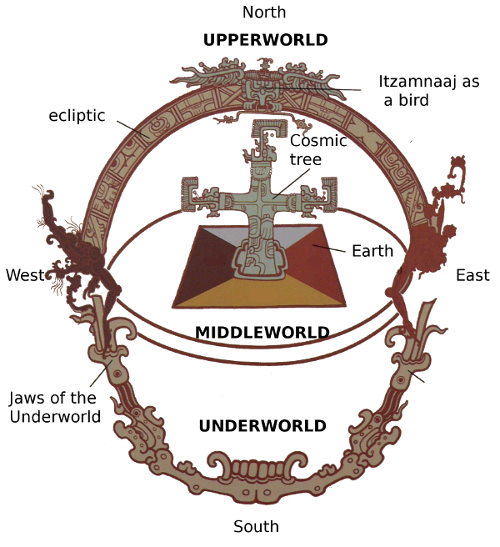
The Legacy of a Masterful Brand Strategy
Looking back at the Maya through the lens of brand strategy reveals that their “religion” was a masterful exercise in organizational management. It provided the structure for social hierarchy, the logic for resource allocation, and the emotional connection necessary to sustain a civilization for over a thousand years.
The collapse or transformation of the Mayan city-states serves as a cautionary tale in brand management. When a brand becomes too rigid, or when the cost of maintaining the “customer experience” (the ritual demands and resource requirements) exceeds the value provided to the consumer, the foundation of the brand begins to crack. The Mayan religion was a platform—an operating system for a complex society. When the environmental and social conditions shifted, the operating system struggled to update, eventually leading to a breakdown in the brand-customer relationship.
However, the endurance of their symbols and the fascination with their worldview highlight the strength of their initial positioning. They didn’t just build a religion; they built a brand identity that was so robust and so deeply integrated into the human experience that it remains a subject of study and admiration to this day. By treating their cosmological practices as a strategic framework, we can appreciate the immense organizational intelligence required to build a civilization that defined the aesthetic and structural reality of an entire continent for centuries. The Mayan story is one of the most successful, long-term brand equity case studies in history, illustrating that whether in ancient Mesoamerica or the modern market, the principles of clear identity, consistent messaging, and experiential value are the keys to lasting influence.
aViewFromTheCave is a participant in the Amazon Services LLC Associates Program, an affiliate advertising program designed to provide a means for sites to earn advertising fees by advertising and linking to Amazon.com. Amazon, the Amazon logo, AmazonSupply, and the AmazonSupply logo are trademarks of Amazon.com, Inc. or its affiliates. As an Amazon Associate we earn affiliate commissions from qualifying purchases.