
The Soul of a Nation: Religion as Mexico’s Enduring Cultural Cornerstone
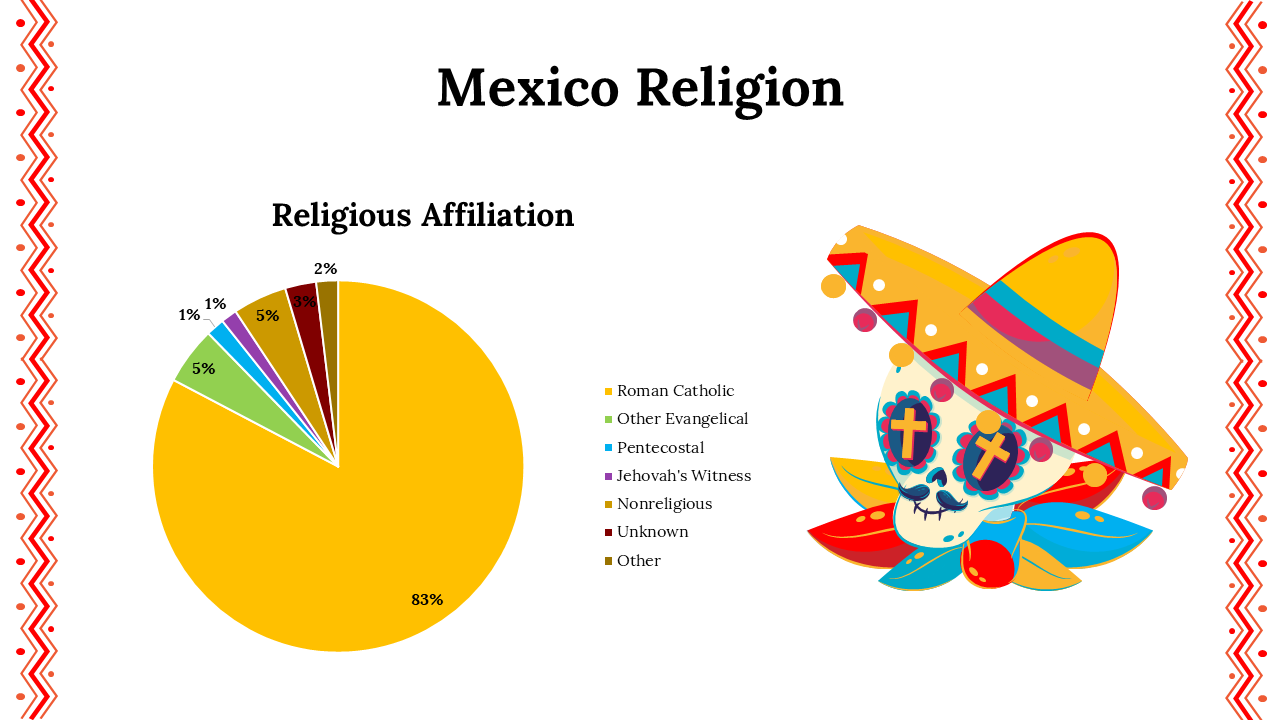
Mexico’s identity on the global stage is a vibrant tapestry woven from rich history, breathtaking landscapes, and an unmistakable cultural flair. At the very heart of this national brand lies a profound and pervasive spiritual landscape, primarily defined by its deeply rooted religious traditions. To understand “what religion is Mexico” is not merely to identify a dominant faith, but to grasp the fundamental essence that shapes its brand strategy, cultural exports, and global perception. Religion in Mexico transcends personal belief; it is a foundational pillar of its collective identity, an aesthetic principle, and an emotional touchstone that profoundly influences everything from its art and music to its cuisine and societal values.
The story of Mexico’s spiritual brand begins with a potent historical syncretism. The arrival of the Spanish in the 16th century introduced Catholicism, which then intermingled with the sophisticated indigenous spiritual practices of pre-Columbian civilizations like the Aztecs and Maya. This fusion forged a unique spiritual expression, a Mestizo faith that is neither purely European nor purely indigenous, but a vibrant new entity. This blending is critical to understanding Mexico’s brand; it speaks to resilience, adaptation, and a distinct capacity to absorb and transform external influences into something uniquely Mexican. This deeply integrated spiritual heritage provides an authentic and inimitable brand narrative, differentiating Mexico from other nations and offering a compelling story of continuity and transformation.
Crafting the Mexican Brand: Religious Influence on Art, Festivals, and Symbols
The spiritual heart of Mexico is not confined to places of worship; it pulsates through every facet of its public life, becoming a powerful, unsolicited brand ambassador. This pervasive influence is meticulously crafted, not by marketers, but by centuries of cultural evolution, offering a compelling case study in organic brand development.
Iconic Imagery and Global Recognition
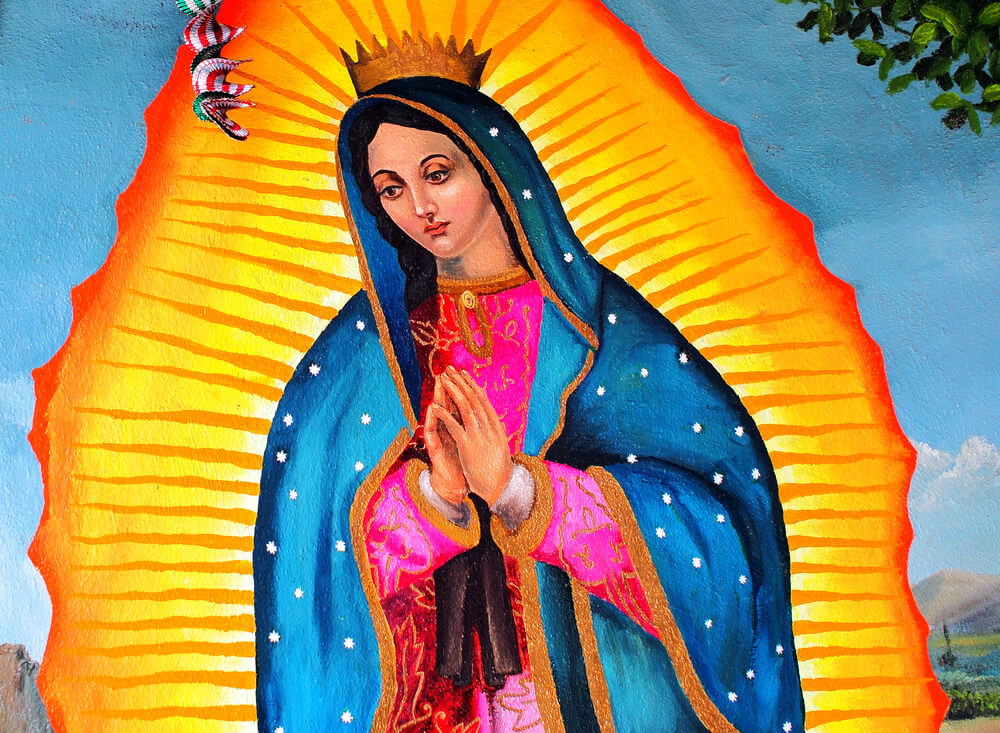
Few nations possess visual identifiers as potent and universally recognized as Mexico’s. Many of these icons are deeply religious in origin but have transcended their spiritual roots to become powerful symbols of Mexican national identity. The image of the Virgin of Guadalupe, for instance, is not just a religious icon but a unifying national symbol. Her image adorns everything from altars to public murals, merchandise, and even sports jerseys, signaling “Mexico” to a global audience. Similarly, the motifs of Día de Muertos (Day of the Dead) – the ornate calaveras (skulls) and catrinas (elegant skeletons) – originally rooted in indigenous beliefs about life and death, filtered through Catholicism, have become globally recognized hallmarks of Mexican creativity and approach to mortality. These images offer a distinct visual brand identity, instantly recognizable and deeply evocative, telling a story of Mexico’s unique blend of reverence and joyful embrace of life’s cycles. They are not merely pictures; they are cultural touchstones that carry immense brand equity, drawing curiosity and admiration from around the world.
Festivals as Experiential Branding
Mexico’s calendar is punctuated by an array of festivals, many of which are steeped in religious tradition, yet function as spectacular forms of experiential branding. These aren’t just local celebrations; they are meticulously observed spectacles that draw millions of tourists, defining Mexico’s tourism brand and offering immersive cultural experiences. Día de Muertos, beyond its imagery, is a multi-day festival transforming cities and towns into vibrant altars and parades, celebrating life and memory with unparalleled artistry. It invites visitors to witness and participate in a deeply personal yet universally resonant ritual. Semana Santa (Holy Week), particularly in towns like San Miguel de Allende or Taxco, showcases elaborate processions, passion plays, and intricate folk art, providing a profound insight into Mexican devotion and community spirit. Pilgrimages, such as the annual trek to the Basilica of Guadalupe, are not just religious journeys but massive displays of national faith and solidarity, demonstrating the profound collective spirit that underpins the Mexican brand. These events are economic drivers, but more importantly, they are live marketing campaigns, showcasing the warmth, artistry, and spiritual depth of the Mexican people, leaving indelible impressions on visitors and reinforcing Mexico’s unique cultural appeal.
Architectural Narratives and Cultural Heritage
The physical landscape of Mexico further reinforces its spiritual brand. Majestic cathedrals and baroque churches, often built atop ancient indigenous ceremonial sites, dominate the skylines of colonial cities. These architectural marvels, from the Metropolitan Cathedral in Mexico City to the intricate churches of Oaxaca, are not just historical buildings; they are enduring monuments to Mexico’s spiritual journey, narrating tales of conquest, devotion, and artistic expression. Alongside these Christian structures, remnants of indigenous spiritual sites, such as the pyramids of Teotihuacan or Chichen Itza, stand as powerful reminders of pre-Columbian spiritual grandeur. Together, they create a layered historical and aesthetic brand, attracting heritage tourism and academic interest, and telling a complex story of Mexico’s spiritual evolution and resilience.
Navigating Diversity: Nuances within Mexico’s Religious Brand Landscape
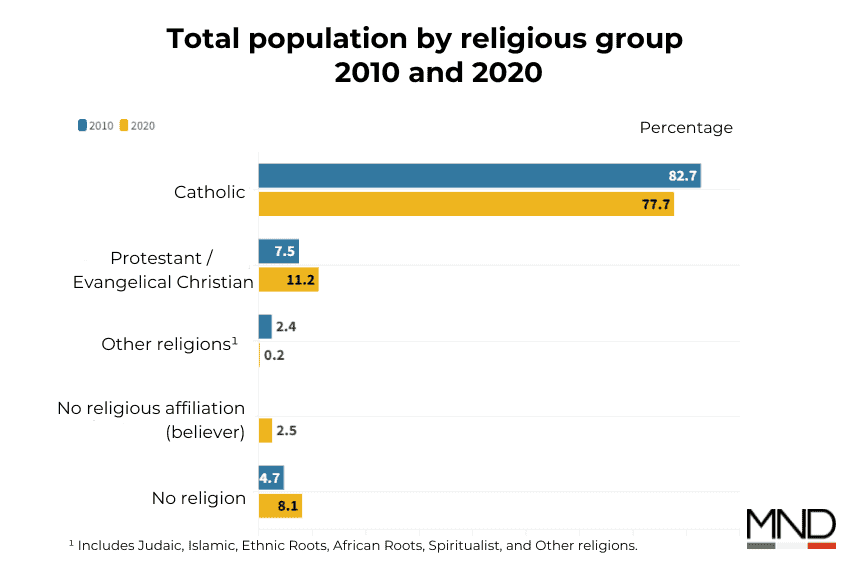
While Catholicism undeniably forms the bedrock of Mexico’s spiritual brand, the nation’s religious landscape is far from monolithic. A nuanced understanding of “what religion is Mexico” acknowledges a growing, albeit smaller, presence of other Christian denominations (Protestantism, particularly Evangelical movements), Judaism, and even a small Muslim community. Furthermore, indigenous spiritual practices, though often syncretized with Catholicism, retain distinct identities and rituals, particularly in remote regions.
This evolving diversity adds layers of complexity and richness to Mexico’s brand. It speaks to a nation that, while deeply rooted in tradition, is also dynamic and adaptable. The rise of new spiritual expressions, sometimes in dialogue and sometimes in tension with the dominant faith, illustrates Mexico’s capacity for spiritual entrepreneurship and community building. For brand strategists, this diversity presents both a challenge in defining a singular narrative and an opportunity to highlight Mexico’s resilience, spiritual depth, and capacity for cultural blending. Indigenous spiritual traditions, in particular, offer a powerful authentic sub-brand, appealing to those seeking ancient wisdom and sustainable living. The interplay between these spiritual currents ensures that Mexico’s brand remains vibrant, multifaceted, and deeply engaging, avoiding the pitfalls of a monochromatic identity.
Mexico’s Spiritual Brand in a Globalized World: Perception and Projection
Mexico’s strong religious and spiritual identity significantly influences its perception in the globalized world. For international businesses, understanding the cultural impact of religion can be crucial for market entry strategies, advertising campaigns, and establishing rapport with local communities. Cultural sensitivity rooted in this spiritual fabric is not just polite; it’s smart business, signaling respect and fostering trust.
For tourists and cultural institutions, Mexico’s spiritual brand offers an unparalleled sense of “authenticity.” In an increasingly homogenized world, Mexico provides genuinely unique, deeply rooted cultural experiences that are intrinsically linked to its spiritual practices. This authenticity is a powerful magnet, attracting those who seek more than just sun and sand – they seek connection, meaning, and immersion in a distinct way of life. Mexico cleverly leverages this heritage in its international marketing efforts, from tourism campaigns that highlight festivals and historical sites to cultural diplomacy initiatives that showcase its rich artistic and spiritual traditions. The very “Mexicanness” that captivates the world is, in large part, a direct outgrowth of its spiritual DNA.
However, this deep spiritual identity also requires careful projection to avoid misinterpretation or exoticism. The challenge is to present the depth and nuance of Mexico’s spiritual brand without reducing it to stereotypes. Through art exhibitions, culinary diplomacy, and responsible tourism, Mexico actively manages its brand narrative, ensuring that its spiritual heritage is appreciated for its profound cultural value and not merely as a spectacle.
The Enduring Brand Value of Faith and Culture
In conclusion, “what religion is Mexico” is a question best answered by recognizing the profound and multifaceted role of spirituality in shaping its national brand. From the pervasive imagery of the Virgin of Guadalupe and the vibrant celebrations of Día de Muertos to the architectural grandeur of its churches and the enduring influence of indigenous beliefs, religion is not merely a demographic fact; it is a dynamic, living force that has forged Mexico’s distinct national identity.
This deeply spiritual foundation is an irreplaceable asset, contributing immense brand value in terms of cultural authenticity, emotional resonance, and global recognition. Understanding Mexico’s religious fabric is not just an academic exercise; it is crucial for comprehending its cultural identity, its powerful marketing appeal, and its unique and cherished place on the global stage. Mexico’s enduring spiritual brand is a testament to the power of culture to define, differentiate, and captivate the world.
aViewFromTheCave is a participant in the Amazon Services LLC Associates Program, an affiliate advertising program designed to provide a means for sites to earn advertising fees by advertising and linking to Amazon.com. Amazon, the Amazon logo, AmazonSupply, and the AmazonSupply logo are trademarks of Amazon.com, Inc. or its affiliates. As an Amazon Associate we earn affiliate commissions from qualifying purchases.